
If you’ve ever settled in with a cozy blanket, only to find your cat rhythmically pushing its paws into the fabric like a baker kneading dough, you’re not alone. This behavior—commonly known as “kneading” or “making biscuits”—is both endearing and puzzling. While it may seem random, kneading is deeply rooted in feline instinct, emotion, and communication. Understanding why cats knead can deepen your bond with your pet and help you interpret their needs more accurately.
The Origins of Kneading: A Behavior from Kittenhood
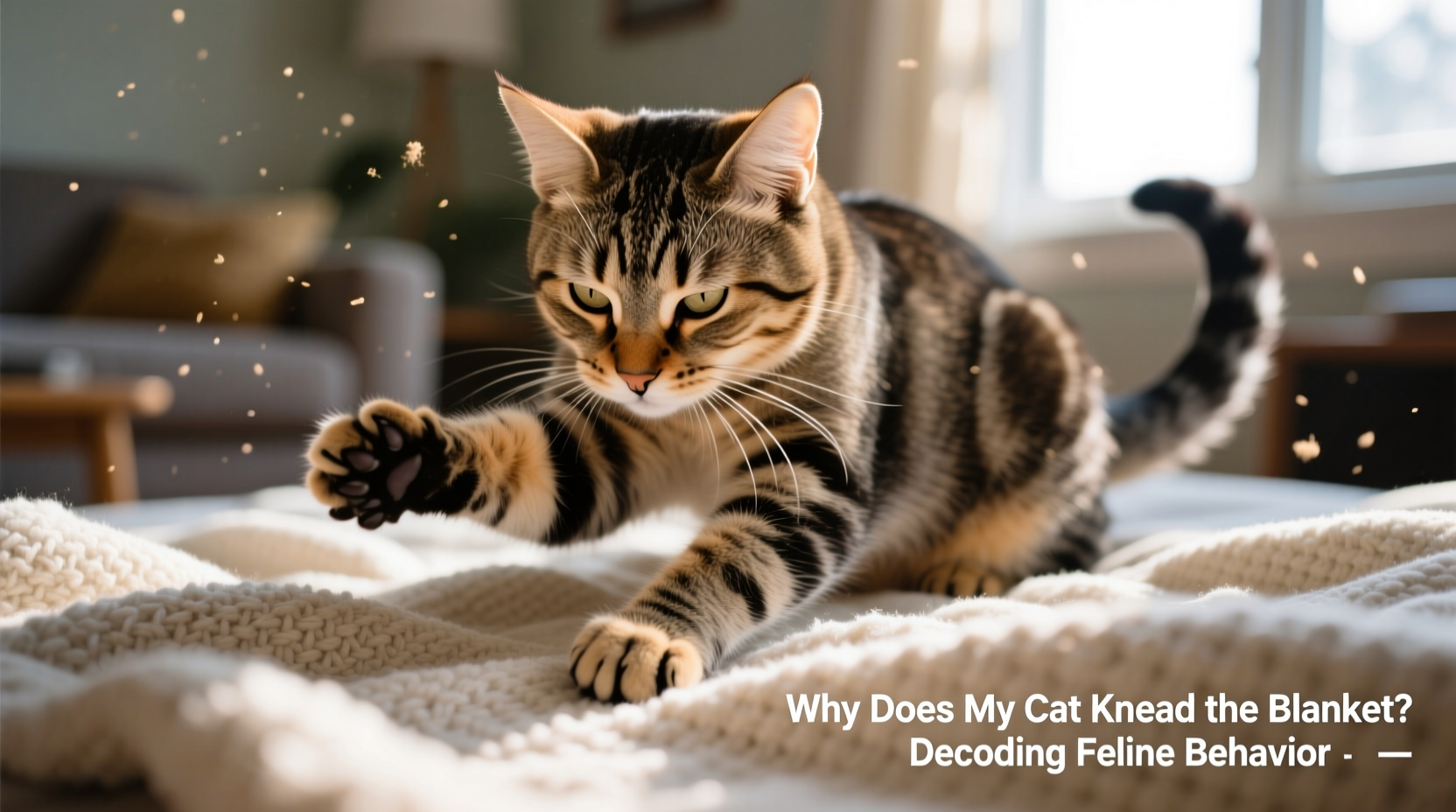
Kneading begins in the earliest days of a cat’s life. Newborn kittens instinctively press their paws against their mother’s mammary glands to stimulate milk flow. This motion is essential for survival and creates a strong association between comfort, nourishment, and physical contact. As cats grow, they often retain this behavior into adulthood—even though they no longer rely on nursing.
When adult cats knead soft surfaces like blankets, pillows, or even your lap, they are tapping into early feelings of security and warmth. The action triggers the same neurological pathways linked to contentment and bonding. It's not merely habit; it's emotional memory in motion.
“Kneading is one of the clearest examples of how kitten behaviors become ingrained in adult cats as expressions of comfort.” — Dr. Sarah Ellis, Feline Behavior Scientist, University of Lincoln
What Kneading Communicates: Beyond Comfort
While rooted in infancy, kneading serves multiple purposes throughout a cat’s life. It’s a multifaceted behavior that conveys emotional state, territorial marking, and even self-soothing.
Emotional Regulation and Contentment
Cats often knead when they feel safe and relaxed—curled up in sunlight, nestled beside their favorite human, or preparing to nap. The rhythmic motion appears to have a calming effect, similar to how humans might rock or fidget when at ease. If your cat purrs while kneading, it’s a strong indicator of deep satisfaction.
Scent Marking Through Pheromones
Cats have scent glands in the pads of their paws that release pheromones when pressure is applied. By kneading a surface, they subtly mark it as part of their safe territory. This is why cats often knead beds, couches, or your clothing—they are claiming these spaces as familiar and secure.
Preparation for Rest
In the wild, cats would pat down grass or leaves to create a comfortable sleeping area. Domestic cats may replicate this nesting behavior before lying down. Even on plush modern surfaces, the instinct to “fluff” their bed remains active.
Why Blankets? The Appeal of Soft Surfaces
Blankets, towels, and other soft textiles are ideal targets for kneading due to their texture and pliability. These materials mimic the give of fur or natural bedding, making them satisfying to press. Additionally, fabrics that carry your scent enhance the emotional reward—your cat isn’t just making a nest; they’re embedding themselves in your presence.
Some cats show a preference for certain textures—fleece, knits, or wool—while avoiding smoother materials like polyester blends. Observing your cat’s choices can offer insight into their sensory preferences.
When Kneading Becomes Problematic: Claws and Discomfort
While generally harmless, kneading can sometimes cause discomfort, especially if claws are involved. Cats don’t intend to hurt; they simply aren’t aware that their sharp nails can snag skin or fabric.
| Situation | Do | Don't |
|---|---|---|
| Your cat kneads on your lap with claws out | Place a thick blanket between you and the cat | Reprimand or push the cat away abruptly |
| Furniture damage from frequent kneading | Provide a designated soft mat or scratching post nearby | Cover furniture with plastic or punish the cat |
| Cat over-kneads or seems anxious | Observe for stressors and consult a vet if needed | Ignore signs of compulsive behavior |
Managing Kneading Without Suppressing Instinct
Never discourage kneading entirely—it’s a natural, healthy behavior. Instead, redirect it appropriately. Trim your cat’s claws regularly, and train them to use a soft pad or cushion when they start kneading. Positive reinforcement works best: reward them with treats or affection when they use the designated spot.
Mini Case Study: Luna and the Heirloom Quilt
Sarah adopted Luna, a three-year-old domestic shorthair, six months ago. Soon after, she noticed Luna obsessively kneading an old family quilt on the guest bed. At first, Sarah was concerned about fabric damage. But after consulting her veterinarian, she learned that the quilt carried comforting scents—likely from previous pets in the home—and that Luna’s behavior signaled trust and emotional safety.
Sarah introduced a fleece throw with her own worn T-shirt layered underneath. Over time, Luna began using the new throw more frequently, preserving the antique quilt while still fulfilling her instinctual needs. The solution wasn’t restriction, but redirection grounded in understanding.
Step-by-Step Guide: Responding to Your Cat’s Kneading
- Observe the context: Note when and where your cat kneads. Is it before sleep? When you return home? During petting?
- Assess comfort level: Determine if claws are causing pain or damage.
- Trim claws regularly: Use cat-safe clippers every 1–2 weeks to minimize injury.
- Provide alternatives: Place soft, washable pads or blankets in favored spots.
- Encourage positive associations: Reward calm kneading on appropriate surfaces with gentle praise or treats.
- Monitor for changes: Sudden increase or aggression during kneading may indicate anxiety or medical issues—consult a vet.
Frequently Asked Questions
Is kneading a sign of stress or anxiety?
Not usually. In most cases, kneading indicates relaxation. However, excessive or frantic kneading—especially when paired with vocalization or restlessness—can signal underlying stress. Context matters: if your cat recently moved homes or experienced disruption, kneading may be a self-soothing mechanism.
Do all cats knead?
No, not all cats knead. Some lose the behavior early, while others never develop it. Factors include genetics, early weaning, individual temperament, and environment. Lack of kneading doesn’t indicate unhappiness—it simply means your cat expresses comfort differently.
Can I stop my cat from kneading?
You shouldn’t try to stop it. Kneading is a natural, emotionally significant behavior. Instead of suppression, focus on managing its impact—using protective layers, trimming claws, and offering acceptable surfaces.
Checklist: Supporting Healthy Kneading Behavior
- ✅ Observe when and where your cat kneads most often
- ✅ Keep claws trimmed to prevent scratches or fabric damage
- ✅ Provide soft, washable blankets or mats in key areas
- ✅ Avoid punishing or startling your cat during kneading
- ✅ Introduce scented items (like worn clothing) to strengthen bonding
- ✅ Monitor for sudden behavioral changes related to kneading
- ✅ Consult a vet if kneading becomes obsessive or painful
Conclusion: Embrace the Biscuit-Making Ritual
Kneading is more than a quirky habit—it’s a window into your cat’s emotional world. Whether they’re reliving kittenhood comfort, marking their territory, or simply settling in for a nap, each press of their paws is a quiet expression of trust. Rather than seeing it as a nuisance, recognize it as a compliment: your cat feels safe enough to revert to one of their most primal, vulnerable behaviors.




 浙公网安备
33010002000092号
浙公网安备
33010002000092号 浙B2-20120091-4
Comments
No comments yet. Why don't you start the discussion?