
Cat owners often find themselves on the receiving end of a rough, sandpapery tongue—sometimes out of nowhere. While dog kisses might be wet and obvious in intent, a cat’s lick can feel more mysterious. Is it affection? A grooming attempt? Or a subtle demand for attention? Understanding why your cat licks you requires looking beyond surface-level behavior into the complex world of feline communication, social bonding, and instinctual habits.
Licking is deeply rooted in a cat’s biology and early life experiences. From kittenhood, grooming is both a survival mechanism and a social ritual. As cats mature, these behaviors don’t disappear—they evolve. When your cat licks you, it’s not just cleaning you (though that may be part of it); it’s weaving you into their social fabric. This article explores the multifaceted reasons behind feline licking, how to interpret different licking patterns, and when this behavior might signal something more than affection.
The Social Language of Licking
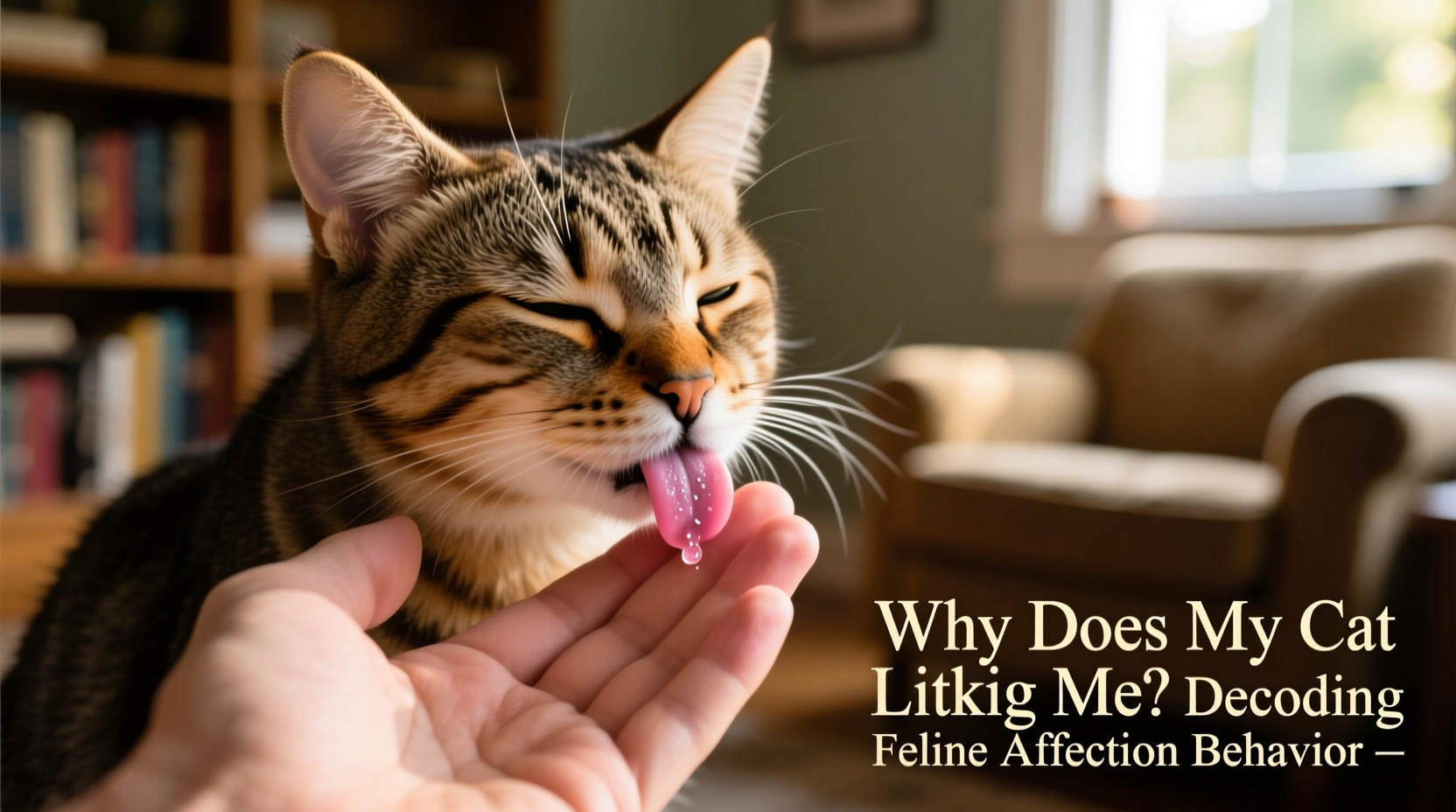
In the wild, cats groom each other—a behavior known as allogrooming. This isn't merely about hygiene; it strengthens social bonds within a group. Cats who groom one another are signaling trust and acceptance. When your cat extends this behavior to you, they’re treating you as part of their colony.
This act serves several psychological functions:
- Bonding: Licking releases endorphins in cats, creating a calming effect and reinforcing positive associations with the person or animal being licked.
- Scent Marking: Cats have scent glands in their mouths. By licking you, they deposit their unique pheromones, essentially claiming you as “theirs” in a non-aggressive way.
- Comfort Seeking: Some cats lick when stressed or anxious, using the rhythmic motion as a self-soothing mechanism—similar to how humans might bite their nails or twirl their hair.
When Licking Crosses the Line
While occasional licking is normal, excessive licking—of you, themselves, or objects—can indicate underlying issues. Over-grooming may point to medical conditions such as skin allergies, parasites, or pain. Behavioral causes include stress, boredom, or obsessive-compulsive tendencies triggered by environmental changes.
Watch for red flags like:
- Licking until fur is thin or bald patches appear
- Obsessive licking of specific body parts or household items (e.g., wool, plastic)
- Agitation or distress when prevented from licking
If your cat begins licking you compulsively, especially if they try to ingest skin flakes or lotion residue, consult a veterinarian. Dermatological issues, nutritional deficiencies, or even gastrointestinal discomfort can manifest through unusual grooming behaviors.
Decoding the Context: What Your Cat’s Lick Really Means
Not all licks are created equal. The timing, location, and intensity offer clues about your cat’s intent.
| Situation | Likely Meaning |
|---|---|
| After petting or cuddling | Affection and bonding; mimics mutual grooming among littermates |
| During or after you eat | Interest in food residue; taste-driven rather than emotional |
| On hands or arms repeatedly | Attention-seeking or learned behavior rewarded by reaction |
| Followed by biting | Overstimulation; grooming turned into defensive response |
| At night or during stressful events | Self-soothing or anxiety-related behavior |
“Cats use grooming as both a social glue and a coping strategy. When directed at humans, it reflects inclusion in their inner circle.” — Dr. Sarah Thompson, Feline Behavior Specialist, American Veterinary Society
How to Respond to Your Cat’s Licking
Your reaction shapes whether licking continues or escalates. While it’s tempting to push your cat away or scold them, doing so may damage trust. Instead, respond thoughtfully based on context.
- Assess the Motivation: Is your cat relaxed and purring, or tense and hyper-focused? Calm licking usually warrants gentle acknowledgment.
- Redirect if Necessary: If licking becomes excessive or uncomfortable, gently disengage and offer an alternative—like a toy or brushing session.
- Reinforce Positive Interactions: Reward calm behavior with treats or affection, but avoid reinforcing licking itself unless desired.
- Maintain Skin Safety: Avoid wearing lotions or perfumes with toxic ingredients (e.g., essential oils) that could harm your cat if ingested.
Mini Case Study: Luna and the Midnight Licks
Luna, a 4-year-old domestic shorthair, began licking her owner Anna’s hands every night around 11 PM. At first, Anna found it sweet. But over time, the licking became persistent—lasting up to 20 minutes and sometimes drawing blood from minor abrasions.
Concerned, Anna consulted a veterinary behaviorist. After ruling out medical causes, the specialist noted that Anna had recently started working late, reducing their evening interaction. The licking was a displaced grooming behavior driven by separation anxiety. The solution? A structured pre-bed routine including playtime and a puzzle feeder. Within three weeks, Luna’s licking decreased significantly, replaced by calm co-sleeping.
This case illustrates how licking can mask deeper emotional needs. Addressing the root cause—not just the symptom—led to lasting change.
Actionable Checklist: Managing Feline Licking Behavior
Use this checklist to evaluate and guide your response to your cat’s licking habits:
- ✅ Observe when and where licking occurs most frequently
- ✅ Rule out medical issues with a vet check-up
- ✅ Note any recent changes in environment or routine
- ✅ Avoid punishment; focus on redirection and enrichment
- ✅ Increase daily mental and physical stimulation (play, climbing, puzzles)
- ✅ Maintain consistent daily routines to reduce anxiety
- ✅ Use pheromone diffusers (e.g., Feliway) if stress is suspected
Frequently Asked Questions
Is it safe to let my cat lick me?
In general, yes—but with caveats. Cat saliva contains bacteria that can cause infections if introduced into open wounds or mucous membranes. Avoid letting your cat lick your face, especially near the mouth, nose, or eyes. Also, never allow licking if you’ve applied skincare products containing xylitol, tea tree oil, or other feline-toxic substances.
Why does my cat only lick me and not others?
This typically reflects a strong personal bond. Cats are selective about whom they groom, reserving this intimate behavior for trusted individuals. It may also stem from scent familiarity—you carry their preferred odors (your natural skin chemistry, laundry detergent, etc.) that trigger grooming instincts.
Can I stop my cat from licking me without hurting their feelings?
Absolutely. Rather than pushing them away, which may confuse or upset them, redirect their attention. Offer a soft toy, initiate a brushing session, or move to another room calmly. Consistency is key: if you occasionally allow licking and other times discourage it, your cat will become uncertain and possibly more insistent.
Conclusion: Embracing the Quirks of Feline Affection
Your cat’s lick is more than a reflex—it’s a nuanced message wrapped in instinct, emotion, and social meaning. Whether it’s a tender gesture of belonging or a cry for attention, understanding the layers behind this behavior allows for a deeper, more empathetic relationship. Far from being random, licking reveals how intricately your cat perceives their world—and where you fit within it.




 浙公网安备
33010002000092号
浙公网安备
33010002000092号 浙B2-20120091-4
Comments
No comments yet. Why don't you start the discussion?