
Cats are complex creatures whose behaviors often puzzle even the most attentive owners. One of the most common yet baffling experiences is when a cat purrs loudly—seemingly content—and then abruptly bites. This sudden shift can leave pet owners confused, hurt, and questioning whether their feline companion is being aggressive. The truth is, this behavior is rarely about unprovoked hostility. Instead, it’s typically rooted in instinct, communication, and sensory overload. Understanding the nuances behind this action is key to building a safer, more trusting relationship with your cat.
The Dual Nature of Purring: Contentment and Stress
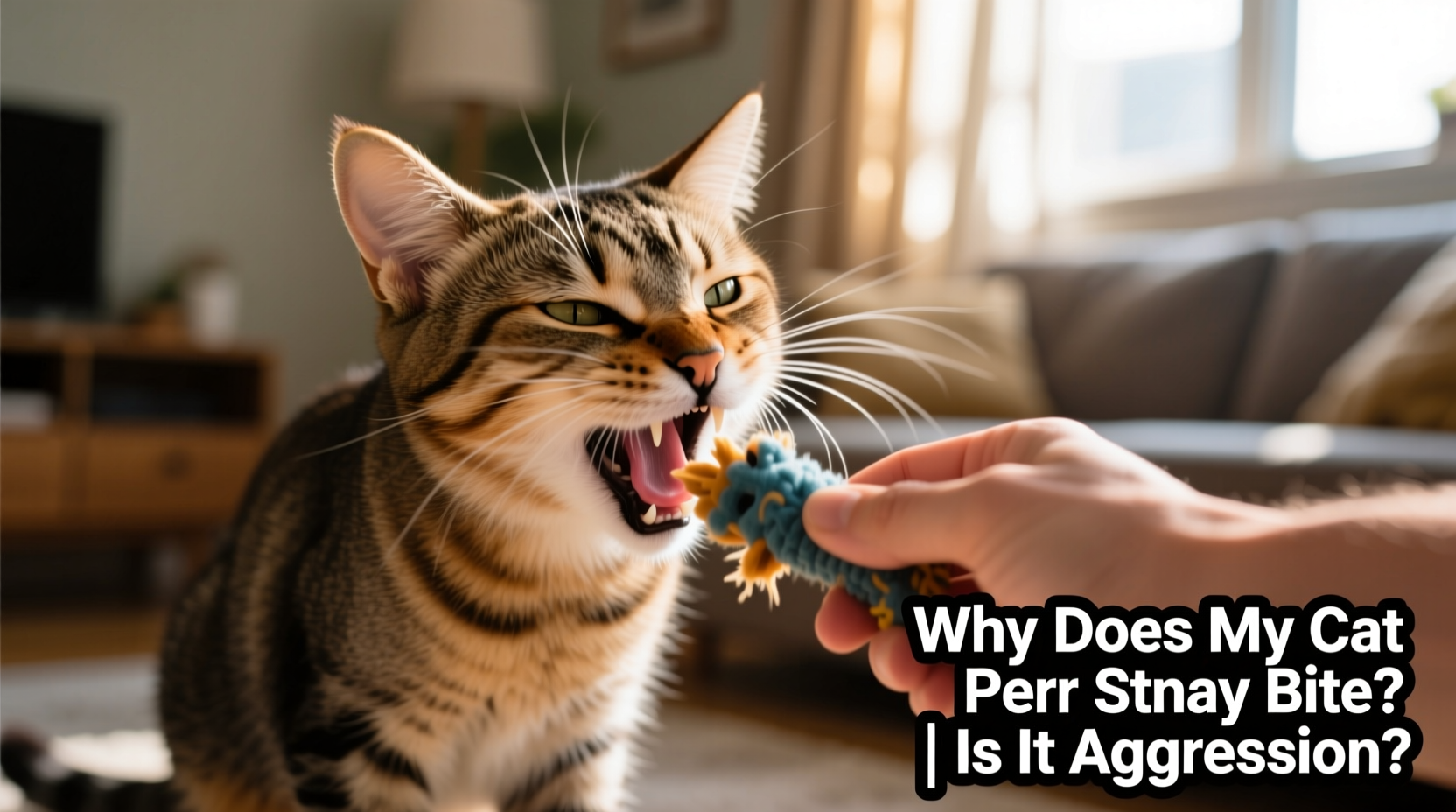
Purring is commonly associated with relaxation and happiness. When a cat curls up on your lap and emits a deep, rhythmic purr, it’s easy to assume they’re in a state of bliss. However, purring is not always an indicator of comfort. Research has shown that cats also purr when injured, anxious, or in pain. It’s believed that the frequency of purring—typically between 25 and 150 Hz—may have healing properties, promoting bone density and tissue repair.
In social contexts, purring can serve as a self-soothing mechanism. A cat may purr during a vet visit or when meeting a new animal, not because they’re happy, but to calm themselves. This dual-purpose vocalization means that loud purring isn’t always a green light for continued interaction. In fact, it can be a warning sign if accompanied by other subtle body language cues.
“Purring is one of the most misunderstood signals in cat communication. It’s not always a sign of affection—it can be a stress response.” — Dr. Sarah Ellis, Feline Behavior Scientist, University of Lincoln
Understanding Petting-Induced Aggression
The sudden bite after purring is often labeled as “petting-induced aggression,” though the term can be misleading. It implies the cat is being hostile, when in reality, they’re communicating discomfort through the only means available. Cats have varying tolerance levels for physical contact. Some enjoy extended petting sessions; others become overstimulated quickly, especially around sensitive areas like the base of the tail, belly, or ears.
Overstimulation occurs when repeated tactile input overwhelms the cat’s nervous system. What starts as pleasurable touch can turn irritating, prompting the cat to lash out as a way to set boundaries. Since cats don’t have hands to push you away, biting becomes their method of saying, “Enough.”
This behavior is particularly common in cats who were not extensively handled as kittens or those with naturally high sensitivity. Breeds like Siamese or Oriental Shorthairs are often more reactive due to their heightened sensory awareness.
Decoding Body Language: The Warning Signs Before a Bite
Cats rarely attack without warning. The issue lies in our ability—or inability—to read their signals. While humans rely heavily on facial expressions and verbal cues, cats communicate primarily through posture, movement, and micro-expressions.
Before a sudden bite, a cat may exhibit several subtle behaviors:
- Tail movements: A gently swaying tail may indicate interest, but rapid flicking or lashing is a clear sign of irritation.
- Ear position: Ears flattened sideways or backward signal anxiety or annoyance.
- Skin rippling: The skin along the back may twitch or ripple, especially when being petted near the tail.
- Head turning: If your cat turns their head to watch your hand while you pet them, they’re monitoring the interaction closely—often a precursor to disengagement.
- Low growl or hiss: Audible warnings are late-stage signals, meaning earlier cues were likely missed.
Learning to recognize these signs allows you to respect your cat’s limits and avoid pushing them into a defensive reaction.
Is It Really Aggression?
The word “aggression” carries strong connotations of malice or intent to harm. In veterinary and behavioral science, however, aggression is categorized based on motivation. The sudden bite following purring is usually classified as overstimulation-induced or conflict-related behavior, not true aggression.
True aggression in cats—such as territorial, fear-based, or redirected aggression—involves a sustained threat display, avoidance, or unprovoked attacks. In contrast, the post-purring bite is typically quick, targeted (nipping rather than full-on attacking), and followed by the cat walking away. There’s no intent to dominate or injure severely; it’s a boundary-setting reflex.
Labeling this behavior as “aggressive” can lead to inappropriate responses, such as punishment, which damages trust and escalates anxiety. Instead, reframing it as a communication breakdown helps foster empathy and better management.
| Behavior Type | Triggers | Body Language | Response Strategy |
|---|---|---|---|
| Purring + Sudden Bite | Prolonged petting, sensitive areas touched | Tail flicking, ear twitching, skin rippling | Stop petting, give space, respect boundaries |
| Fear Aggression | Loud noises, strangers, unfamiliar environments | Crouched posture, hissing, arched back | Avoid confrontation, provide safe hiding spots |
| Redirected Aggression | Seeing another cat outside, loud disturbances | Dilated pupils, staring, tense posture | Separate cats, reduce visual stimuli |
How to Prevent Sudden Biting: A Step-by-Step Guide
Preventing the purr-then-bite cycle involves observation, timing, and respect for feline autonomy. Follow this practical sequence to minimize incidents:
- Observe baseline behavior: Spend time watching your cat when they’re relaxed. Note how they hold their tail, position their ears, and react to different types of touch.
- Start with short petting sessions: Limit initial interactions to 10–15 seconds, focusing on preferred areas like the head or chin.
- Monitor for warning signs: At the first flick of the tail or skin ripple, stop petting immediately—even if the cat is still purring.
- Let the cat initiate contact: Encourage your cat to come to you for attention rather than forcing interaction. This builds mutual trust.
- Use positive reinforcement: Reward calm behavior with treats or gentle praise after a successful, bite-free interaction.
- Gradually increase tolerance (if possible): Some cats can learn to accept longer petting through slow desensitization, but never force it.
“We must remember that cats are not small dogs. They have evolved as solitary hunters who value control over their environment. Respecting their need for autonomy reduces conflict.” — Dr. Karen Overall, Veterinary Behaviorist
Real-Life Example: Living with Luna
Maria adopted Luna, a three-year-old domestic shorthair, from a shelter six months ago. Initially, Luna seemed affectionate, purring loudly whenever Maria stroked her back. But within weeks, Maria noticed a pattern: after about 30 seconds of petting, Luna would suddenly twist and bite her hand, drawing blood twice.
Confused and discouraged, Maria consulted a feline behavior consultant. During a home visit, the expert observed that Luna’s tail began flicking at the 20-second mark, her skin rippled along her spine, and her ears turned slightly sideways—all ignored by Maria, who assumed the purring meant approval.
The consultant advised Maria to stop petting at the first sign of tail movement and to focus only on head scratches, which Luna clearly enjoyed. Within two weeks, the biting incidents dropped to zero. Luna now initiates cuddles on her own terms, often sitting beside Maria without needing to be touched.
This case illustrates how misreading signals leads to conflict, and how small adjustments in human behavior can dramatically improve feline well-being.
Checklist: Responding to Purring and Biting Behavior
Use this checklist to assess and manage your cat’s behavior effectively:
- ✅ Observe your cat’s body language during petting sessions
- ✅ Identify their favorite and least favorite touch zones
- ✅ Stop petting at the first sign of discomfort (tail flick, ear twitch)
- ✅ Avoid holding the cat down or restraining them for affection
- ✅ Let your cat walk away whenever they choose
- ✅ Never punish biting—it increases fear and distrust
- ✅ Consult a certified feline behaviorist if biting persists or escalates
Frequently Asked Questions
Can a cat bite out of love?
Not exactly. Some people refer to gentle nips as “love bites,” but these are usually playful or exploratory behaviors, especially in young cats. True hard bites during petting are not affectionate—they’re a reaction to overstimulation or discomfort.
Should I stop petting my cat altogether?
No. Many cats enjoy physical contact when it’s done on their terms. The key is respecting their limits, reading their signals, and letting them control the duration and intensity of interaction.
Is this behavior a sign of a poorly socialized cat?
It can be. Cats who lacked positive human contact during their critical socialization period (2–7 weeks of age) may be more prone to overstimulation. However, even well-socialized cats have individual thresholds, so it’s not always a reflection of upbringing.
Conclusion: Building Trust Through Understanding
The sudden bite after loud purring is not an act of betrayal or dominance. It’s a form of communication—one that speaks volumes about your cat’s internal state and need for personal space. By learning to interpret the subtle signs that precede the bite, you transform confusion into connection. Respect, patience, and observation are the foundations of a harmonious relationship with any cat.
Instead of asking, “Why is my cat being aggressive?” ask, “What is my cat trying to tell me?” That shift in perspective changes everything. When we listen—truly listen—to our feline companions, we create a home where both species feel safe, respected, and understood.




 浙公网安备
33010002000092号
浙公网安备
33010002000092号 浙B2-20120091-4
Comments
No comments yet. Why don't you start the discussion?