
Cats are enigmatic creatures. One moment they're leaping across the room with acrobatic precision; the next, they’re curled up inside a cardboard box barely large enough to fit their body. If you’ve ever found your cat nestled into a shipping container, a gift wrap box, or even an empty cereal carton, you’ve likely wondered: why do cats love boxes so much? Is it about warmth? Security? Or something deeper rooted in their biology? The answer lies at the intersection of instinct, environment, and emotional well-being.
Understanding this seemingly quirky behavior isn’t just amusing—it’s essential for responsible pet ownership. When we recognize what drives our cats to seek out confined spaces, we gain insight into their psychological needs and can better support their mental health, especially in stressful environments like new homes, multi-pet households, or during loud events like thunderstorms or fireworks.
The Science Behind the Box Obsession
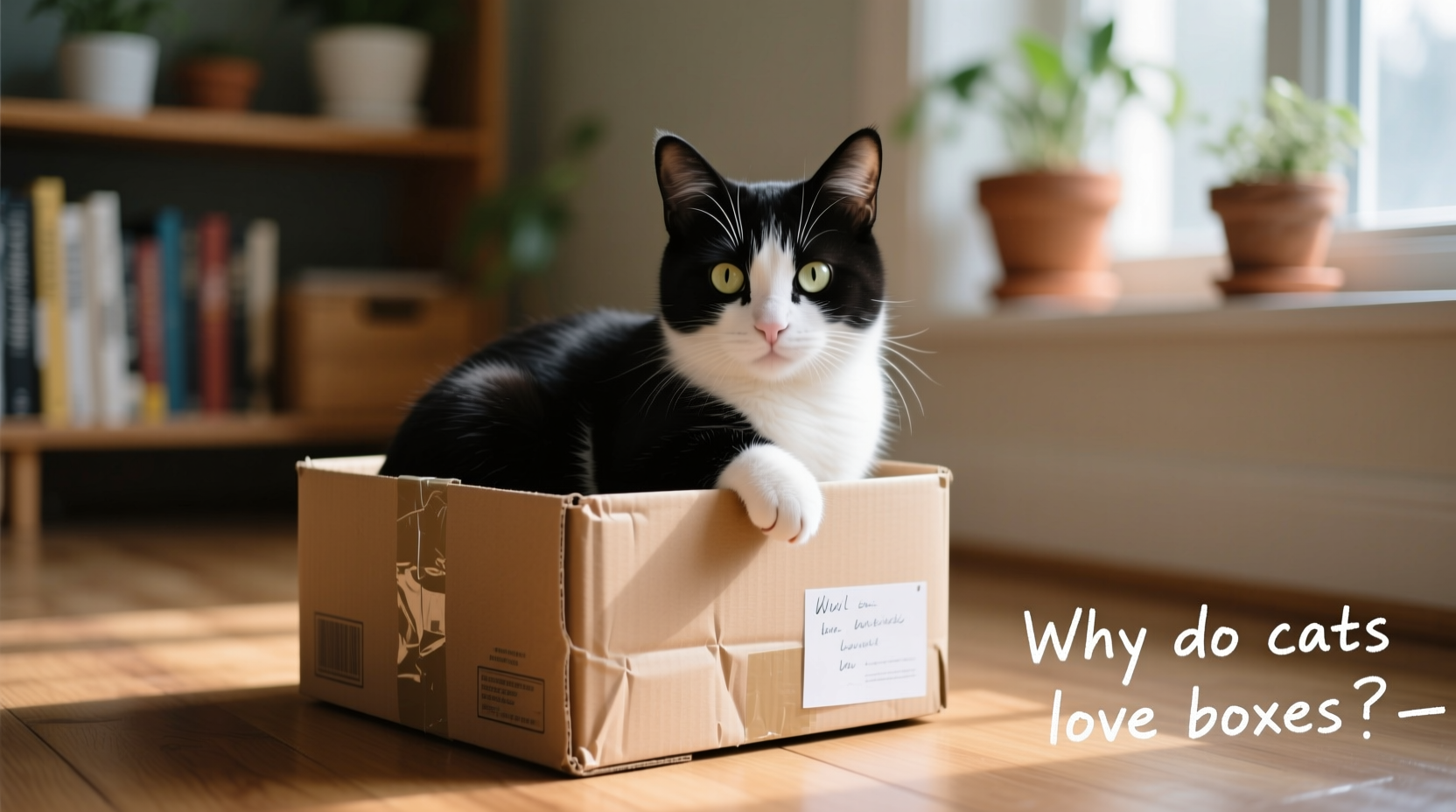
At first glance, a cardboard box appears to serve no purpose for a domesticated animal with access to plush beds and heated perches. Yet studies suggest that boxes offer tangible benefits for cats—both physical and psychological.
A 2014 study conducted by Utrecht University in the Netherlands examined stress levels in shelter cats introduced to new environments. Researchers divided cats into two groups: one with access to hiding boxes and another without. Over several days, they monitored behaviors associated with stress, such as hiding, vocalizing, and freezing. The results were clear: cats with boxes adapted faster, showed fewer signs of anxiety, and began interacting with humans sooner than those without them.
“Hiding is a coping mechanism for cats under stress. A simple box can significantly reduce adjustment time in unfamiliar environments.” — Dr. Claudia Vinke, Veterinarian and Feline Behavior Researcher, Utrecht University
This research confirms that boxes aren’t merely toys—they function as sanctuaries. But beyond reducing stress, there are additional reasons why cats are drawn to these enclosures.
Thermoregulation: The Warmth Factor
Cats have a higher thermoneutral zone—the range of temperatures where they don’t need to expend energy to regulate body heat—than humans. While we feel comfortable around 70°F (21°C), cats prefer ambient temperatures between 86°F and 97°F (30–36°C). This explains why they often seek out sunbeams, radiators, laptops, and yes—cardboard boxes.
Cardboard is an excellent insulator. Its fluted inner structure traps air, creating a buffer against cooler room temperatures. When a cat enters a box, their body heat warms the enclosed space quickly, turning it into a cozy microclimate. Unlike open beds or sofas, boxes limit airflow and radiant heat loss, helping cats maintain optimal body temperature with minimal effort.
Security and Environmental Control
Beyond warmth, boxes provide a profound sense of security. Cats are both predators and prey animals. Even in safe indoor environments, their instincts remain sharp. Enclosed spaces allow them to observe their surroundings while remaining hidden—a survival advantage inherited from wild ancestors.
A box gives a cat control over visibility. With limited entry points, they can monitor threats without being exposed. This reduces vigilance fatigue, a state of chronic alertness that leads to stress. In homes with children, dogs, or frequent visitors, boxes become critical retreats where cats can decompress.
Moreover, vertical space isn’t always accessible. Not all cats climb or have access to cat trees. For ground-dwelling felines, a box offers similar benefits: elevation (if placed on a surface), seclusion, and protection from behind.
Instinctual Behavior and Sensory Preferences
The appeal of boxes extends beyond utility. It’s also tied to innate feline preferences shaped by evolution.
Wild felids, such as the African wildcat (the ancestor of domestic cats), use dense brush, rock crevices, and hollow logs for resting, birthing, and escaping predators. These natural shelters share key features with cardboard boxes: confined dimensions, overhead cover, and limited sightlines. Domestication hasn’t erased this preference; instead, it manifests in novel ways—like squeezing into a shoebox after delivery day.
Sensory input plays a role too. Cardboard has a neutral, earthy smell that doesn’t overwhelm a cat’s sensitive olfactory system. Unlike fabric bedding that may retain human scents or cleaning products, cardboard is relatively “quiet” olfactorily. This makes it less threatening and more inviting, especially for shy or anxious cats.
Additionally, the texture of cardboard provides tactile feedback. Some cats knead or scratch the sides, possibly reinforcing territorial marking through scent glands in their paws. The crinkly sound when stepped on may also simulate leaf litter or dry underbrush—familiar auditory cues from ancestral habitats.
Stress Reduction in Multi-Cat Households
In homes with multiple cats, competition for resources—including safe spaces—can lead to tension. Boxes act as low-cost, high-impact tools for conflict prevention.
Each cat benefits from having its own designated hideaway. Even if unused daily, the mere presence of a personal box reduces anxiety by establishing spatial boundaries. This aligns with the “security through predictability” principle in animal behavior: when cats know where they can retreat, they feel more in control.
Boxes are especially useful during transitions—new pets, home renovations, or changes in routine. Placing a few extra boxes in quiet corners allows cats to self-isolate until they feel secure again.
Real-Life Example: Introducing a Rescue Cat
Sophia adopted Luna, a three-year-old domestic shorthair, from a local shelter. Despite being friendly, Luna spent her first week in the new home hiding under the bed. Concerned, Sophia consulted a veterinary behaviorist who recommended introducing small cardboard boxes in various rooms.
She placed one near the living room window with a fleece liner and another inside a spare bedroom closet. Within two days, Luna began using the boxes voluntarily. She’d nap in the living room box during daylight hours and retreat to the closet version when guests visited.
Over time, Luna’s confidence grew. She started greeting family members at the door and eventually abandoned the boxes altogether—but only after she felt fully acclimated. The boxes hadn’t been a permanent need, but a temporary bridge to emotional safety.
This case illustrates how simple interventions can yield significant behavioral improvements. No special training or expensive equipment was required—just understanding feline psychology and acting accordingly.
Do’s and Don’ts of Providing Boxes for Cats
| Do’s | Don’ts |
|---|---|
| Use clean, chemical-free boxes without tape or staples | Leave boxes with loose plastic, string, or adhesive residues |
| Place boxes in quiet, low-traffic areas | Put boxes in drafty hallways or noisy kitchens |
| Add soft linings like old towels or blankets | Use synthetic fabrics that trap moisture or cause overheating |
| Rotate boxes weekly to maintain novelty | Keep damaged or soiled boxes past their usability |
| Provide multiple boxes in multi-cat homes | Assume one box is sufficient for all cats |
How to Optimize Box Use for Your Cat
To get the most out of this natural feline preference, follow this practical step-by-step guide:
- Select the Right Size: Choose a box slightly larger than your cat when curled up. Too big loses the snug feeling; too small causes discomfort.
- Remove Hazards: Cut off any dangling strings, remove shipping labels, and peel away excess tape or staples that could injure paws or mouths.
- Enhance Comfort: Line the bottom with a washable cloth, fleece pad, or orthopedic foam insert for older cats.
- Strategic Placement: Position boxes near heat sources (but not heaters), windows with bird views, or quiet corners where your cat already spends time.
- Encourage Exploration: Toss in a catnip toy or sprinkle silver vine to spark interest.
- Monitor Usage: Observe which boxes are used most and adjust placement or design accordingly.
- Replace Regularly: Cardboard degrades over time. Replace flattened or soiled boxes every few weeks.
Frequently Asked Questions
Is it normal for my cat to sit in boxes every day?
Yes, it’s completely normal. Daily box use indicates your cat feels safe enough to rely on predictable routines. As long as they eat, drink, groom, and interact normally, frequent box use is a healthy expression of natural behavior.
Can sitting in boxes be a sign of illness?
Occasionally. While boxes themselves aren’t concerning, a sudden change—such as a usually social cat now hiding constantly in boxes—may signal pain, illness, or environmental stress. Monitor for other symptoms like appetite loss, lethargy, or litter box avoidance, and consult a veterinarian if needed.
Are there alternatives to cardboard boxes?
Absolutely. Commercial cat caves, igloo beds, and cushioned hideaways mimic the enclosed design of boxes. However, many cats still prefer cardboard due to its breathability, affordability, and ease of replacement. Try offering both to see what your cat prefers.
Final Thoughts: Respecting Feline Needs
The humble cardboard box may seem insignificant, but to a cat, it represents comfort, control, and continuity. Whether driven by warmth, security, or instinct, the act of sitting in a box fulfills deep-seated biological and emotional needs. Recognizing this helps us move beyond amusement to genuine empathy.
You don’t need to buy specialized furniture or invest in costly enrichment tools to support your cat’s well-being. Sometimes, the best solution arrives in a delivery package. By preserving and repurposing boxes thoughtfully, you provide a vital resource that costs nothing but means everything to your pet.
Next time you catch your cat wedged into a box too small for logic, resist the urge to pull them out. Instead, appreciate the quiet wisdom of an animal perfectly adapted to thrive—even in the simplest of shelters.




 浙公网安备
33010002000092号
浙公网安备
33010002000092号 浙B2-20120091-4
Comments
No comments yet. Why don't you start the discussion?