
Cats sitting in cardboard boxes is one of the most iconic and endearing behaviors pet owners observe. Whether it’s a shipping container barely big enough to fit their body or a custom-made cat cave, felines seem irresistibly drawn to confined spaces. While many assume this habit is simply about staying warm or marking territory, the truth is far more nuanced. This behavior stems from a blend of instinct, environmental psychology, and emotional regulation. Understanding why your cat chooses a box over a plush bed can deepen your bond and improve their well-being.
The Instinctual Roots of Box-Sitting Behavior
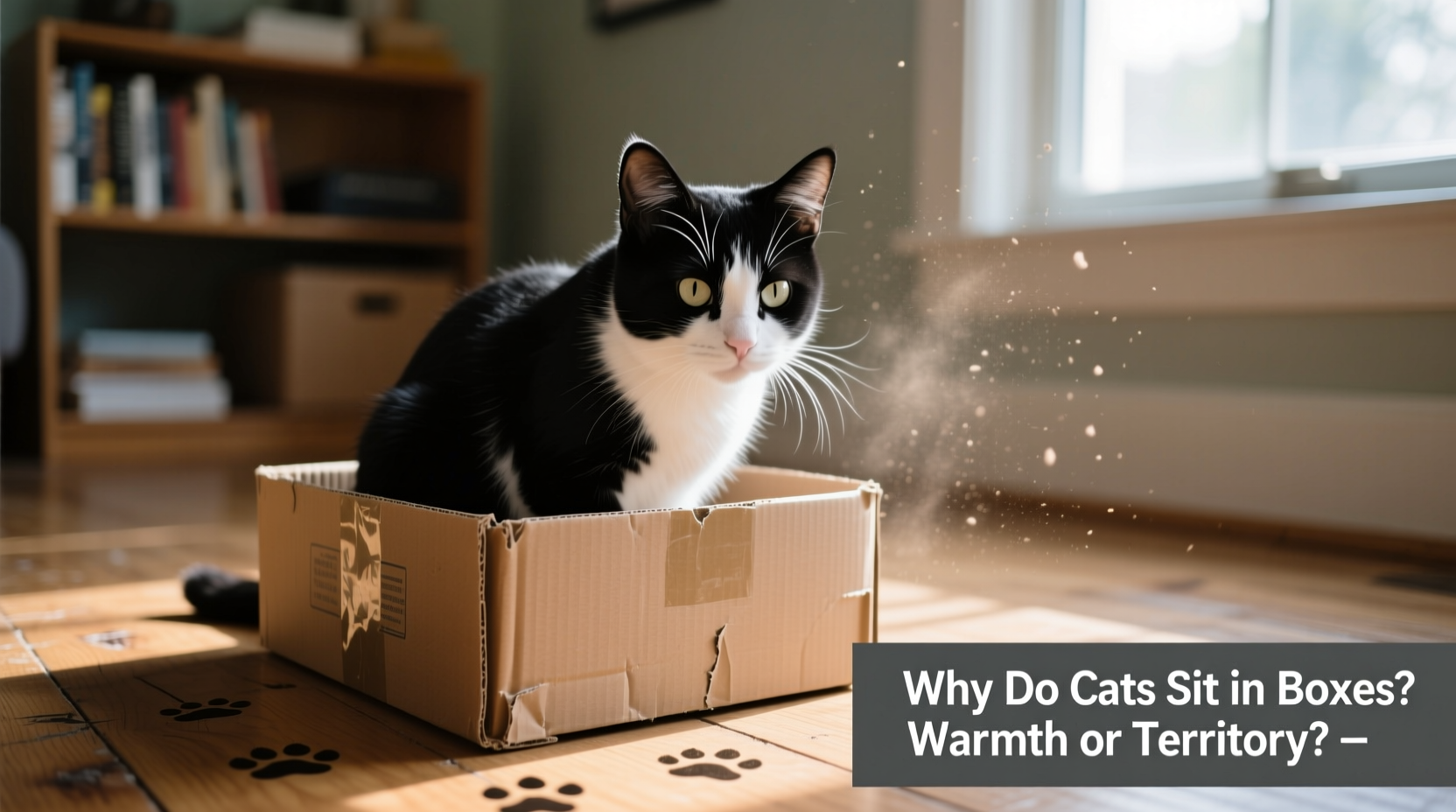
Cats are predators by nature, but they’re also prey animals in the wild. This dual role shapes much of their behavior. In the wild, small enclosures like hollow logs, dense brush, or rock crevices offer protection from both predators and harsh weather. A box mimics these natural shelters, providing a sense of safety and concealment. Even domesticated cats retain these survival instincts, making enclosed spaces inherently appealing.
Enclosed areas reduce visual exposure, which lowers a cat’s perceived vulnerability. When a cat sits in a box, they can monitor their surroundings while feeling shielded. This vantage point allows them to remain alert without being on high alert—a crucial distinction for an animal that values control over its environment.
Interestingly, studies have shown that shelter cats given access to boxes exhibit lower stress levels during their first week in a new environment. A 2014 study published in *Applied Animal Behaviour Science* found that cats with boxes adapted faster to shelter life and showed fewer signs of anxiety than those without. The researchers concluded that boxes serve as “security devices” rather than mere playthings.
“Boxes provide what cats value most: predictability and control. In unfamiliar settings, a simple enclosure can be the difference between panic and calm.” — Dr. Sarah Ellis, Feline Behavior Specialist, University of Lincoln
Warmth: A Factor, But Not the Full Story
It’s true that cats enjoy warmth. With a normal body temperature around 101–102.5°F (38–39°C), cats seek out heat sources to maintain thermal comfort. Cardboard is a decent insulator, trapping body heat and creating a cozy microclimate. This explains why cats often curl up in boxes during colder months or near radiators.
However, warmth alone doesn’t explain why cats choose boxes even in warm rooms or when heated beds are available. Observe any household, and you’ll likely see a cat in a box despite the presence of a heated pet pad or sunlit floor. This suggests that thermoregulation plays a supporting role, not a primary one.
Moreover, cats regulate body temperature through behaviors like stretching out on cool tiles when hot or tucking into tight spaces when cold. Box-sitting fits within this spectrum, but the decision to enter a box is rarely driven solely by temperature. It’s more accurately described as a convergence of physical comfort and psychological security.
Territory and Scent Marking: A Misunderstood Motive
Some believe cats sit in boxes to claim them as territory. While scent marking is a real feline behavior—cats rub their cheeks on objects to deposit pheromones—there’s little evidence that sitting in a box serves as territorial declaration in a multi-cat home or against outdoor threats.
Rather than asserting dominance, cats use boxes as personal retreats. These spaces become “safe zones” where they can disengage from social demands, whether from humans, other pets, or environmental stimuli. In homes with multiple cats, each may claim a separate box not as a boundary marker, but as a private refuge.
Feline territorial behavior typically involves more active actions: urine spraying, scratching, or prolonged patrolling. Simply occupying a box lacks the communicative intent of these behaviors. Instead, the act is inwardly focused—about self-regulation, not external messaging.
Do’s and Don’ts of Cat Enclosure Use
| Do’s | Don’ts |
|---|---|
| Provide multiple boxes in quiet areas | Force your cat into a box |
| Use non-toxic tape and remove staples | Use plastic bags or sealed containers |
| Rotate boxes to keep novelty | Place boxes in high-traffic or noisy zones |
| Add soft lining for comfort | Assume all cats will use boxes |
Stress Reduction and Environmental Control
Modern homes are full of unpredictable stimuli: loud appliances, visitors, construction noise, or changes in routine. Cats, being highly sensitive to environmental shifts, often respond by seeking control where they can. A box offers a controlled micro-environment—predictable, contained, and low-distraction.
This need for control is especially evident in veterinary clinics and shelters, where boxes are now recommended as standard enrichment tools. The ability to withdraw into a confined space reduces cortisol levels and helps cats cope with unfamiliar situations. For indoor cats, whose lives are largely managed by humans, boxes represent one of the few choices they can make autonomously.
Additionally, boxes help cats manage social interactions. A shy or anxious cat may use a box as a buffer zone, observing family members without direct engagement. This is particularly valuable in homes with children or energetic dogs. The box becomes a “no-pressure” zone where the cat sets the terms of interaction.
Mini Case Study: Luna, the Shy Rescue Cat
Luna, a three-year-old domestic shorthair, was adopted after spending six months in a crowded shelter. Her new owner, Maria, noticed she avoided furniture and hid behind doors. After placing a medium-sized cardboard box lined with an old T-shirt near the living room couch, Luna began using it daily. Within two weeks, she started sleeping in it overnight and eventually allowed petting while inside. The box didn’t just provide warmth—it gave her a psychological anchor in a new world. Over time, Luna expanded her range, but the box remained her go-to spot during thunderstorms or when guests visited.
This case illustrates how a simple box can serve as a transitional tool for emotional adjustment. It wasn’t territory she was claiming, nor was she merely chasing heat. She was rebuilding a sense of safety—one corner at a time.
Practical Tips for Enriching Your Cat’s Environment
You don’t need to fill your home with boxes, but offering one or two can significantly improve your cat’s quality of life. Consider these strategies to maximize their benefit:
- Choose the right size: The box should allow your cat to turn around and lie down comfortably, but not so large that it loses its den-like feel.
- Location matters: Place boxes in quiet corners, near windows, or beside favorite furniture—not in drafty hallways or next to noisy appliances.
- Enhance comfort: Line the bottom with a soft towel or fleece blanket. Avoid synthetic materials that may cause static or discomfort.
- Rotate periodically: Replace flattened or dirty boxes. Introduce new ones to spark curiosity and prevent boredom.
- Experiment with designs: Cut viewing holes, connect multiple boxes, or add crinkle paper for sensory stimulation.
Checklist: Creating the Ideal Cat Box Retreat
- ☐ Select a sturdy, clean cardboard box
- ☐ Remove all tape, labels, and staples
- ☐ Line with a soft, washable fabric
- ☐ Place in a low-traffic, quiet area
- ☐ Monitor usage and replace when worn
- ☐ Offer alternatives (cat caves, covered beds) for variety
FAQ: Common Questions About Cats and Boxes
Why does my cat sit in boxes but ignore expensive cat beds?
Many commercial cat beds lack the high sides and enclosed structure that mimic natural dens. Cats prioritize security over luxury. A plush bed may feel exposed, while a box provides walls and a sense of enclosure. Try adding a covered igloo-style bed or modifying a bed with a canopy to replicate the box experience.
Is it safe for my cat to chew on cardboard?
Occasional nibbling is usually harmless, but ingesting large pieces can cause intestinal blockages. Monitor your cat—if they’re tearing up the box aggressively, consider switching to a sturdier material or providing safe chew toys. Always remove taped or glued sections, which may contain toxic adhesives.
Should I be concerned if my cat suddenly starts hiding in boxes more often?
A sudden change in behavior, including increased hiding, can signal illness, stress, or anxiety. If accompanied by reduced appetite, lethargy, or avoidance of people, consult a veterinarian. Otherwise, occasional shifts in preference are normal, especially during environmental changes.
Conclusion: More Than Just a Quirky Habit
The image of a cat curled up in a box is charming, but it represents something deeper: a fundamental need for safety, control, and sensory regulation. While warmth and instinct play roles, the primary driver is emotional security. Boxes are not just shelters—they are sanctuaries.
By recognizing this behavior as a legitimate coping mechanism, pet owners can create environments that support their cats’ mental health. You don’t need elaborate setups; sometimes, the simplest solution—a plain cardboard box—offers the greatest comfort.




 浙公网安备
33010002000092号
浙公网安备
33010002000092号 浙B2-20120091-4
Comments
No comments yet. Why don't you start the discussion?