
Cats sitting in cardboard boxes is one of the most iconic and endearing quirks of feline behavior. Whether it’s a shipping box, a shoebox, or even a space barely large enough to fit their body, cats seem irresistibly drawn to confined spaces. While it may appear whimsical or random, there’s substantial scientific reasoning behind why cats exhibit this behavior. From evolutionary instincts to psychological comfort and physical warmth, the act of squeezing into tight spaces serves multiple essential purposes for cats. Understanding these motivations not only satisfies curiosity but also enhances how we care for our feline companions.
The Evolutionary Instinct: Safety Through Seclusion
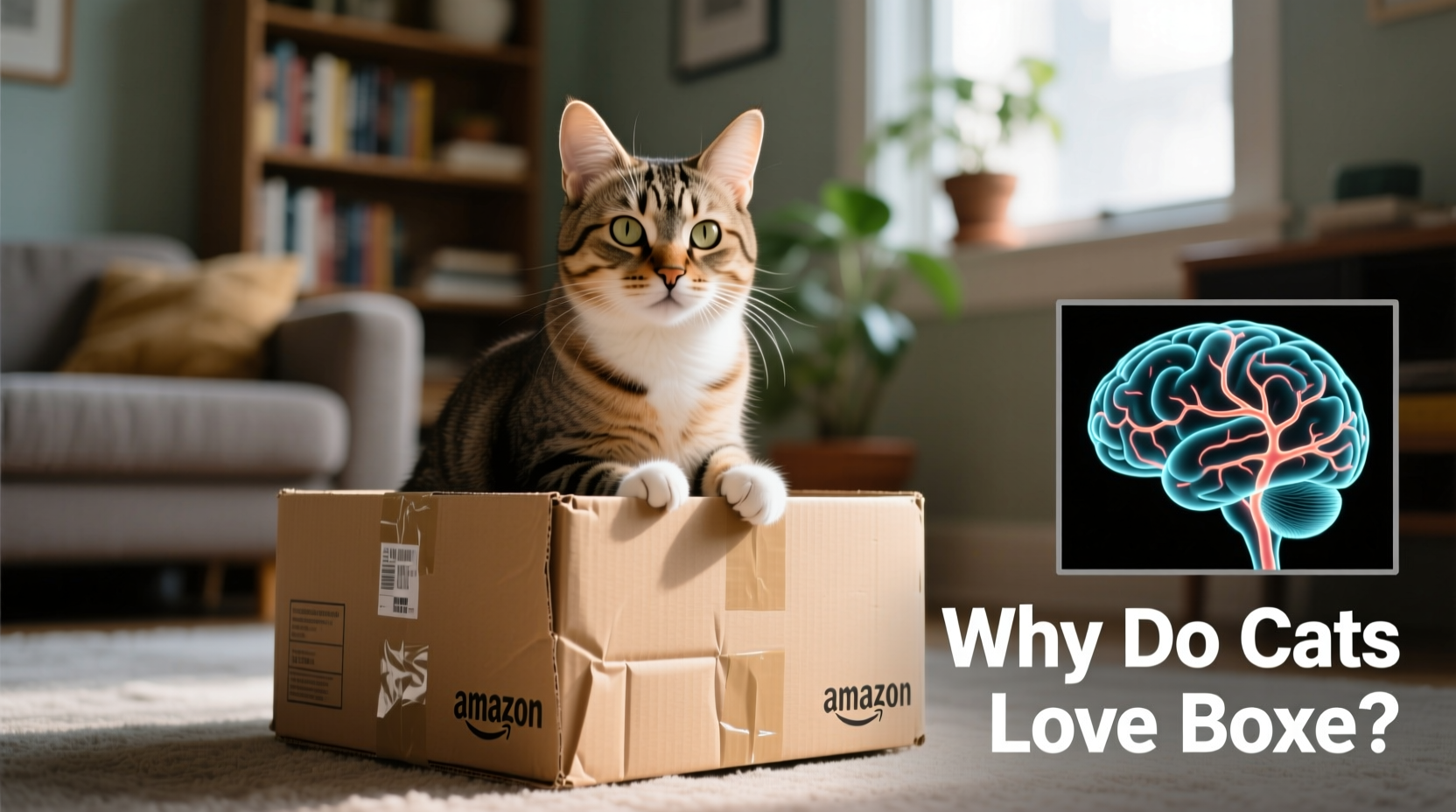
Cats are both predators and prey animals in the wild. Despite their hunting prowess, they remain vulnerable to larger predators, especially when resting or sleeping. This duality has shaped their survival strategies over thousands of years. One key adaptation is seeking out enclosed spaces where they can observe their surroundings while remaining hidden.
In nature, cats would use hollow logs, rock crevices, or dense brush as shelters. These spaces provide protection from threats and allow them to conserve energy by minimizing exposure. A cardboard box, though artificial, mimics these natural hiding spots. Its walls offer visual barriers and a sense of enclosure that triggers the same instinctual response.
Research conducted at the University of Utrecht found that shelter cats given access to hiding boxes adapted to their new environment significantly faster than those without. The study concluded that “hiding is an adaptive strategy to cope with stress,” reinforcing the idea that confined spaces help cats feel secure during periods of uncertainty.
“Cats are hardwired to seek refuge when stressed. A simple box can be more valuable than expensive cat furniture.” — Dr. Claudia Vinke, Veterinarian and Feline Behavior Specialist
Thermoregulation: The Warmth Factor
Domestic cats have a higher optimal body temperature than humans—ranging between 100.5°F and 102.5°F (38°C–39.2°C). To maintain this temperature efficiently, they often seek out warm environments. Cardboard, despite being thin, provides insulation due to trapped air pockets within its fluted layers. When combined with the cat’s own body heat, a small box becomes a cozy microclimate.
This tendency explains why cats frequently choose boxes near radiators, sunny windows, or on top of electronics like TVs and laptops. The confined space reduces airflow, helping retain warmth. In colder months, this behavior intensifies as cats naturally gravitate toward heat-conserving zones.
A 2013 study published in *Applied Animal Behaviour Science* noted that cats spend nearly 16 hours per day resting, and much of that time is spent in locations that maximize thermal comfort. Boxes, baskets, and other enclosed spaces were consistently preferred over open beds when ambient temperatures dropped below 70°F (21°C).
How Temperature Influences Box Use
| Ambient Temperature | Cat Behavior | Likelihood of Box Use |
|---|---|---|
| < 65°F (18°C) | Seeking warmth, curling tightly | High |
| 65–75°F (18–24°C) | Neutral, moderate activity | Moderate |
| > 75°F (24°C) | Spreading out, panting, avoiding sun | Low |
Stress Reduction and Environmental Control
Modern households can be overwhelming for cats. Sudden noises, unfamiliar people, changes in routine, or even new furniture can elevate stress levels. Unlike humans, cats cannot verbally express discomfort—they manage stress through behavioral choices.
Sitting in a box gives a cat control over its environment. The limited field of vision allows them to focus on what’s directly in front while blocking peripheral distractions. This sensory filtering reduces anxiety and creates a mental \"safe zone.\" It’s similar to how some people use noise-canceling headphones or blankets to self-soothe.
Veterinary clinics have adopted this knowledge by placing cardboard boxes or covered carriers in waiting areas. Cats exposed to such options show fewer signs of distress—less vocalization, reduced pupil dilation, and lower cortisol levels—than those left in open carriers.
Mini Case Study: Luna Adjusts to Apartment Life
Luna, a 3-year-old rescue tabby, was adopted into a bustling downtown apartment. Initially, she hid under the bed and avoided interaction. Her owner placed a medium-sized cardboard box lined with a soft towel near the living room window. Within two days, Luna began using the box regularly—first just peeking out, then fully settling inside. Over three weeks, her confidence grew. She started greeting visitors from her box and eventually explored the apartment freely. The box didn’t just offer shelter—it served as a psychological launchpad for adaptation.
Play, Curiosity, and Cognitive Engagement
Cats are innately curious creatures. Their brains are wired to investigate novel objects and changes in their environment. A new box represents uncharted territory—an opportunity to explore, sniff, scratch, and claim. Even if the box has been in the room for days, rearranging it or adding a toy inside can reignite interest.
This exploratory behavior isn't just play; it supports cognitive health. Mental stimulation helps prevent boredom-related issues such as over-grooming, aggression, or inappropriate elimination. A box becomes a multifunctional tool: a fortress, a hunting blind, or a surprise ambush point during playtime.
Interestingly, research suggests that cats prefer new boxes over old ones—even if the older box is more comfortable. This preference aligns with their neophilic tendencies (attraction to novelty), which ensure they remain alert to environmental changes—a crucial trait in the wild.
- New textures invite paw testing and kneading.
- Crinkly sounds stimulate auditory senses.
- Openings allow for partial concealment, ideal for stalking games.
Step-by-Step Guide: Creating the Ideal Cat-Friendly Box Space
If you want to encourage healthy hiding behaviors and support your cat’s well-being, follow this practical guide:
- Choose the Right Size: The box should be snug but not restrictive. Ideally, your cat should fit comfortably with room to turn around.
- Modify the Entry Point: Cut one side open if the box is too enclosed, allowing easy escape. Multiple entry points reduce feelings of entrapment.
- Add Soft Lining: Place a fleece blanket or towel inside for comfort and warmth. Avoid slippery materials.
- Position Strategically: Place the box in a quiet corner, near a window, or beside your favorite chair—areas where your cat already spends time.
- Rotate and Refresh: Replace or reposition the box every few weeks. Add catnip or a crinkle ball to renew interest.
- Monitor Usage: Observe how your cat interacts with the box. Prolonged hiding may indicate stress rather than preference.
Do’s and Don’ts of Cat Box Enrichment
| Do’s | Don’ts |
|---|---|
| Use clean, undamaged cardboard boxes | Leave tape, staples, or plastic labels inside |
| Provide multiple hiding options throughout the home | Force your cat into a box |
| Supervise kittens to prevent suffocation risks | Use boxes with ink-heavy printing (possible toxicity) |
| Encourage use with treats or catnip | Block exits or stack heavy items on top |
Frequently Asked Questions
Is it normal for my cat to sit in boxes all day?
Occasional box use is completely normal. However, if your cat spends excessive time hiding—especially if accompanied by decreased appetite, grooming, or litter box avoidance—it could signal stress, illness, or environmental discomfort. Consult a veterinarian if behavioral changes persist.
Can I use plastic containers instead of cardboard?
Some cats accept plastic bins, but cardboard is generally preferred due to its insulating properties and ease of scratching. Plastic may also retain odors or become slippery. If using plastic, ensure adequate ventilation and add non-slip lining.
Why does my cat prefer a smaller box over a larger one?
Cats often favor tighter spaces because they provide better support and a greater sense of security. A snug fit allows them to press their body against the sides, which can be soothing—similar to swaddling in human infants.
Conclusion: Embracing the Quirk with Purpose
The sight of a cat curled up in a box is more than just a viral internet meme—it’s a window into feline psychology and physiology. What appears to be a silly habit is actually a complex interplay of instinct, comfort, and survival strategy. By recognizing the science behind this behavior, we gain deeper insight into our cats’ emotional and physical needs.
Rather than discouraging box-sitting, consider embracing it as part of responsible pet care. Simple, cost-effective solutions like repurposed boxes can significantly improve a cat’s quality of life. They require minimal effort but deliver maximum psychological benefit.




 浙公网安备
33010002000092号
浙公网安备
33010002000092号 浙B2-20120091-4
Comments
No comments yet. Why don't you start the discussion?