
It’s a familiar sight: your cat, curled up tightly inside a plain cardboard box no bigger than its body, peering out with quiet satisfaction. No plush bed, no heated pad—just a discarded shipping container from an online order. While this behavior may seem whimsical or even inexplicable, it is deeply rooted in feline psychology, survival instincts, and emotional well-being. Understanding why cats are drawn to cardboard boxes offers valuable insight into their natural behaviors, stress responses, and environmental needs.
Cats don’t choose boxes at random. Their preference for confined spaces is not just quirky—it’s functional. From thermoregulation to security, the cardboard box serves multiple purposes in a cat’s daily life. By observing and interpreting this behavior, owners can improve their pets’ comfort, reduce anxiety, and strengthen the human-feline bond.
The Instinctual Need for Enclosed Spaces
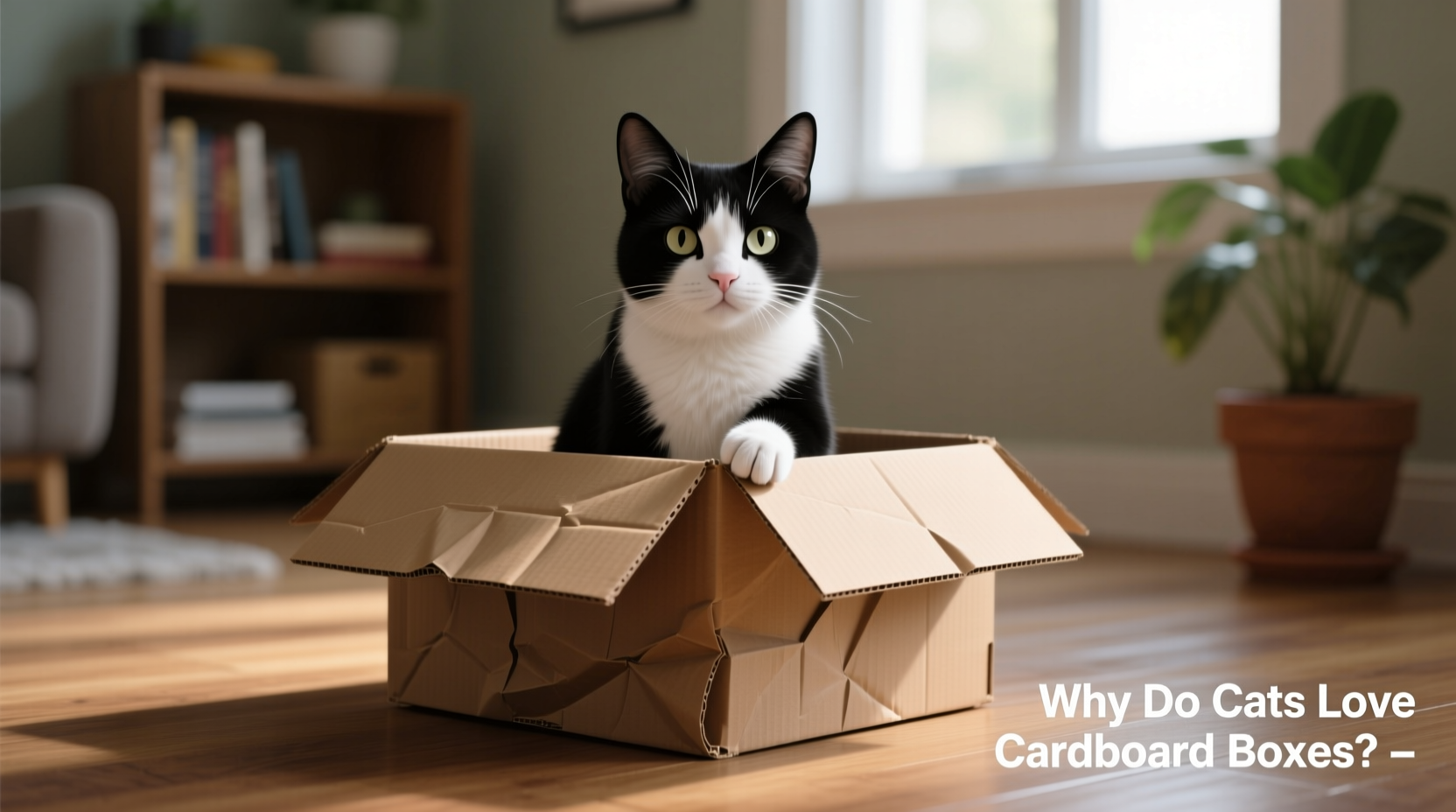
In the wild, cats are both predators and prey. Despite their hunting prowess, small felines remain vulnerable to larger animals. This dual role has shaped their preference for sheltered environments. A den-like space provides protection from threats and allows them to observe their surroundings without being seen—a tactical advantage for ambush hunting and evasion alike.
Domestic cats retain these instincts, even when they’ve never encountered a predator. Cardboard boxes mimic the enclosed dens that wild cats would seek under brush, in hollow logs, or beneath rock overhangs. The high sides and limited entry points create a sense of enclosure that triggers a deep-seated feeling of safety.
Dr. Sarah Ellis, a feline behavior expert at the University of Lincoln, explains: “Enclosed spaces reduce a cat’s need to monitor their environment constantly. In a box, they can relax because their peripheral exposure is minimized.” This reduction in environmental surveillance lowers stress and supports mental recovery after stimulating or unsettling events.
“Enclosed spaces reduce a cat’s need to monitor their environment constantly. In a box, they can relax because their peripheral exposure is minimized.” — Dr. Sarah Ellis, Feline Behavior Expert
Thermoregulation and Comfort
Cats have a higher thermoneutral zone than humans—between 86°F and 102°F (30°C–39°C)—meaning they feel cold at temperatures most people find comfortable. Cardboard is a natural insulator, trapping body heat and creating a warm microclimate. When a cat curls into a tight ball inside a box, it minimizes surface area and conserves warmth, further enhancing the thermal benefits.
This instinctive effort to maintain body temperature is especially noticeable in older cats, kittens, or those with health conditions that affect circulation. Even healthy adult cats will seek out warm spots during colder months, and a cardboard box placed near a sunlit window or radiator becomes an instant favorite.
Stress Reduction and Environmental Security
Studies have shown that access to hiding places significantly reduces stress in cats, particularly in new or chaotic environments. A landmark 2014 study published in *Applied Animal Behaviour Science* found that shelter cats given boxes adapted to their new surroundings faster and displayed fewer signs of stress than those without.
The researchers concluded that boxes serve as “security objects”—a term used to describe items that help animals cope with unfamiliar or threatening situations. For cats, predictability and control over their environment are key to emotional stability. A box gives them a private, controllable space where they can withdraw on their own terms.
This behavior is especially evident during household changes: moving, introducing new pets, loud guests, or home renovations. A cat that suddenly begins spending more time in boxes may be signaling anxiety. Rather than discouraging this, owners should view it as a coping mechanism and ensure multiple safe zones are available throughout the home.
Real-Life Example: Mia Adjusts to a New Home
Mia, a three-year-old domestic shorthair, was adopted from a shelter into a bustling family household. On her first day, she darted under the bed and refused to emerge. Her new owner, concerned about socialization, tried coaxing her out with treats and toys. Progress was slow.
Following advice from a veterinary behaviorist, the owner placed several open-top cardboard boxes in quiet corners, each lined with a soft towel. Within hours, Mia cautiously approached one, sniffed it, and eventually climbed inside. Over the next week, she rotated between boxes, gradually venturing out for longer periods. Two weeks later, she was lounging on the couch—on her own schedule.
The boxes didn’t isolate her—they empowered her. They gave her a sense of agency in an overwhelming environment, allowing her to explore safely and rebuild confidence.
Play, Exploration, and Cognitive Engagement
Boxes aren't only for rest—they’re also tools for play and mental stimulation. Cats are naturally curious and tactile explorers. The crinkly texture of cardboard, the way light filters through small gaps, and the opportunity to claw, bite, and manipulate the material all engage a cat’s senses.
Some cats treat boxes as interactive puzzles: pushing flaps closed, squeezing through tight openings, or knocking the box over mid-nap. These actions fulfill predatory behaviors like stalking, pouncing, and investigating prey-sized spaces. Even the act of shredding cardboard satisfies the instinct to scratch, which marks territory and maintains claw health.
Providing fresh boxes regularly can prevent boredom and destructive behavior. Unlike expensive cat furniture, a simple box offers novelty and unpredictability—key drivers of feline engagement.
Do’s and Don’ts of Cat Box Provision
| Do’s | Don’ts |
|---|---|
| Use clean, chemical-free boxes without tape or labels | Leave loose plastic, staples, or toxic adhesives inside |
| Provide multiple boxes in different rooms | Force your cat into a box or disturb them while inside |
| Line boxes with soft, washable fabric | Use scented liners or air fresheners nearby |
| Allow scratching and chewing (within reason) | Discard boxes immediately after minor wear—cats like aged textures |
| Monitor for signs of over-reliance (e.g., refusing all other spaces) | Assume box use is always harmless—check for underlying anxiety |
When Box-Sitting Signals a Deeper Issue
While occasional box use is normal, excessive reliance on hiding may indicate chronic stress or illness. Cats are masters at masking discomfort, and withdrawal is often the first behavioral sign of trouble. If your cat:
- Sleeps exclusively in boxes for days on end,
- Avoids interaction with family members,
- Shows changes in appetite, grooming, or litter box habits,
- Becomes aggressive when approached in the box,
…it may be time to consult a veterinarian or certified animal behaviorist. Medical issues such as hyperthyroidism, arthritis, or dental pain can cause increased reclusiveness. Similarly, environmental stressors like inter-cat conflict or loud noises may require intervention beyond providing additional boxes.
Step-by-Step Guide: Creating a Low-Stress Environment with Boxes
- Assess your home’s layout: Identify high-traffic areas and potential stress zones (near appliances, doors, or windows).
- Place boxes in quiet but accessible locations: Bedrooms, hallways, or living room corners work well.
- Vary size and shape: Include small snug boxes and larger ones with multiple entrances.
- Add comfort: Line interiors with fleece blankets or old T-shirts carrying your scent.
- Rotate weekly: Replace flattened or soiled boxes; introduce new ones to spark interest.
- Observe usage patterns: Note when and how long your cat uses each box to identify preferences.
- Expand options: Gradually add covered cat beds or DIY enclosures made from storage bins.
Frequently Asked Questions
Is it safe for cats to eat cardboard?
Small amounts of non-toxic, plain cardboard are generally harmless if chewed or ingested accidentally. However, regular consumption could indicate pica—a condition linked to nutritional deficiencies, parasites, or compulsive disorders. Consult your vet if your cat frequently eats non-food items.
Why does my cat prefer a box over an expensive cat bed?
Many commercial cat beds lack the high walls and enclosed feel that provide security. Additionally, cats associate scent and familiarity with safety. A new bed may smell of factory materials, whereas a cardboard box absorbs household scents quickly and feels more “neutral” or inviting.
Should I close the box to make it more secure?
No. Fully enclosed boxes without escape routes can increase anxiety. Always leave at least one side open or cut a large doorway. Cats need to feel in control of their exits—a core aspect of perceived safety.
Checklist: Optimizing Box Use for Your Cat’s Well-Being
- ✅ Provide at least one box per floor of your home
- ✅ Remove tape, stickers, and plastic liners before offering
- ✅ Position boxes away from drafts and direct heat sources
- ✅ Introduce new boxes gradually to avoid overwhelming your cat
- ✅ Monitor for signs of overuse or social withdrawal
- ✅ Combine boxes with vertical spaces (shelves, cat trees) for enriched environments
- ✅ Replace damaged boxes every 1–2 weeks or as needed
Conclusion: Respecting the Box as a Behavioral Tool
The humble cardboard box is far more than a temporary toy or recycling bin overflow. It is a multifunctional tool that supports a cat’s physical comfort, emotional regulation, and cognitive health. By embracing this simple object, owners gain a deeper understanding of feline needs and instincts.
Rather than viewing box-sitting as odd or inconvenient, consider it a window into your cat’s inner world. Each time your cat chooses a box, it’s making a calculated decision based on safety, temperature, and control. Honoring that choice builds trust and reduces stress in ways that elaborate pet products often fail to achieve.




 浙公网安备
33010002000092号
浙公网安备
33010002000092号 浙B2-20120091-4
Comments
No comments yet. Why don't you start the discussion?