
Cats are creatures of habit, mystery, and sometimes baffling choices. One moment they’re ignoring a plush $50 cat bed; the next, they’re curled up in a shipping box barely large enough to hold their paws. If you’ve ever caught your cat perched in a shoebox or wedged into a cereal carton, you’re not alone—and there’s more to this behavior than mere whimsy. Scientists, veterinarians, and animal behaviorists have studied this phenomenon for years, and the reasons are deeply rooted in feline psychology, survival instincts, and environmental comfort.
The attraction isn’t just about space—it’s about security, temperature, stress relief, and even hunting strategy. Understanding why cats favor cardboard over luxury loungers can help pet owners create better living environments and strengthen their bond with their pets.
The Science of Security: Why Enclosed Spaces Calm Cats
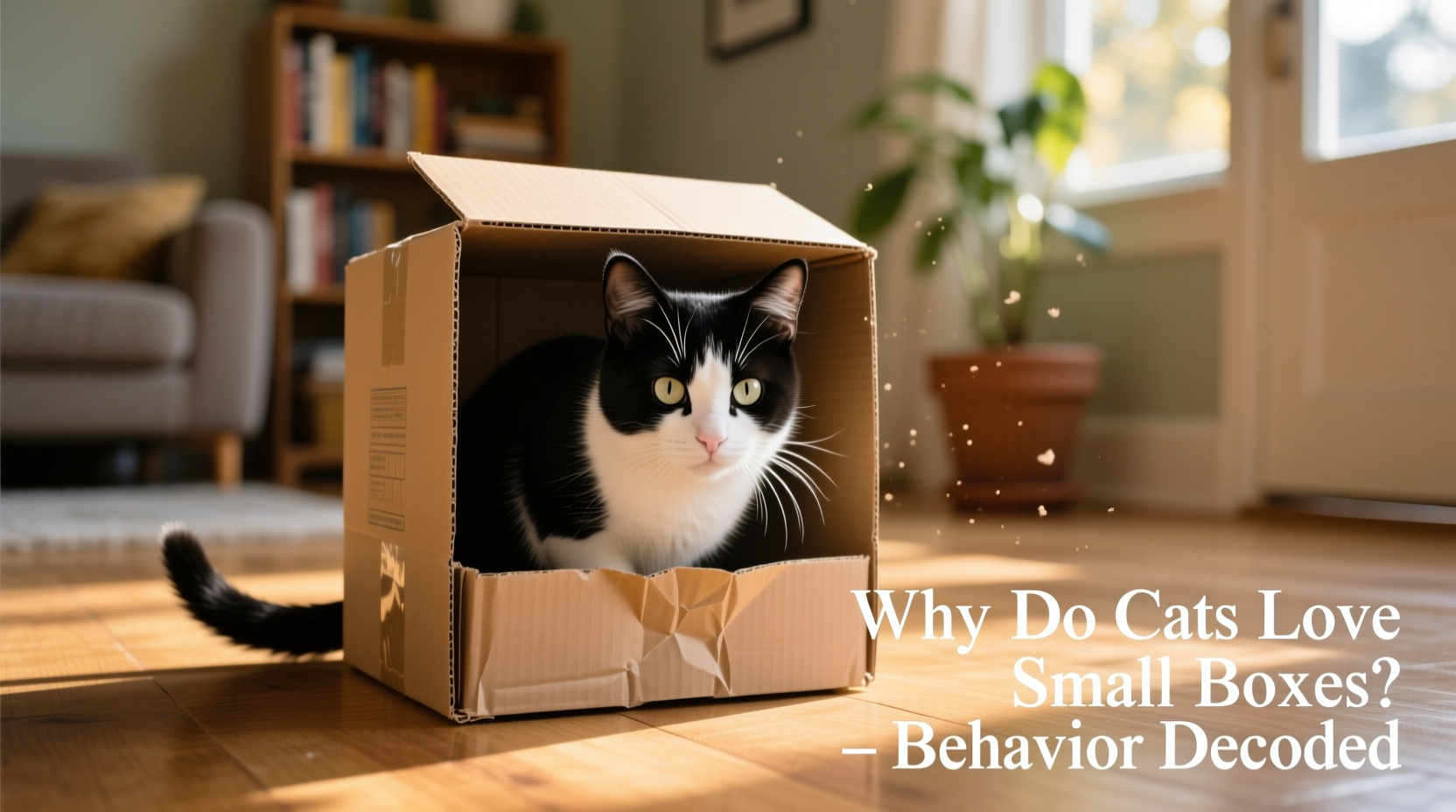
Cats are both predators and prey animals. In the wild, small, enclosed spaces like hollow logs or dense underbrush offer protection from larger animals while allowing stealthy observation of potential meals. This duality shapes much of their modern-day behavior, even in domesticated settings.
Cardboard boxes provide what ethologists call “hiding enrichment”—a safe retreat where cats can observe without being seen. A 2014 study published in *Applied Animal Behaviour Science* found that shelter cats given access to cardboard boxes adapted to new environments faster and showed significantly lower stress levels than those without them. The researchers concluded that the boxes acted as micro-sanctuaries, helping cats regain a sense of control in unfamiliar surroundings.
“Providing hiding places is one of the most effective ways to reduce stress in cats. A simple cardboard box can be more valuable than expensive toys.” — Dr. Claudia Vinke, Veterinarian and Feline Behavior Researcher, Utrecht University
This need for concealment persists even in safe homes. A box becomes a psychological fortress—somewhere your cat can monitor activity without feeling exposed. That’s also why many cats prefer sitting in boxes placed near doorways or high-traffic areas: they get safety and surveillance in one compact package.
Thermal Comfort: Warmth and Insulation Benefits
Despite their reputation for aloofness, cats love warmth. The ideal ambient temperature for a cat ranges between 86°F and 97°F (30°C–36°C)—well above human comfort levels. Cardboard, though humble, is an excellent insulator. Its fibrous structure traps body heat, creating a cozy microclimate that helps cats maintain their core temperature with minimal energy.
This explains why cats often choose boxes during colder months—or when they're unwell. A sick cat may seek out confined, warm spaces as part of self-preservation instinct. Similarly, older cats with arthritis may favor boxes because the soft, cushioned walls reduce pressure on sore joints.
Even tiny boxes appeal because they maximize surface contact. When a cat curls tightly inside a small container, its body touches all sides, enhancing the sensation of enclosure and warmth. It's not about fitting perfectly—it's about feeling contained.
How Box Size Influences Thermal Efficiency
| Box Size | Heat Retention | Feline Preference (Observed) |
|---|---|---|
| Too large | Low – air circulates freely | Rarely used unless modified with blankets |
| Snug fit | High – minimal airspace | Most preferred; maximizes warmth and security |
| Tiny (only partial fit) | Moderate – localized insulation | Common; satisfies nesting urge even if impractical |
The Role of Scent and Territory Marking
A cardboard box starts off neutral—odorless and blank. To a cat, that’s an invitation. Cats have scent glands concentrated on their cheeks, chin, forehead, and paws. When they rub against surfaces, they deposit pheromones that mark territory and signal familiarity.
Sitting in a box isn’t just physical occupation; it’s olfactory claiming. Over time, the interior absorbs the cat’s unique scent profile, transforming the box from a random object into “home base.” This process reinforces emotional safety—the same way humans feel comforted by familiar smells like laundry detergent or childhood rooms.
Interestingly, once a box carries a cat’s scent, other pets (or even other cats in multi-cat households) may avoid it, recognizing it as claimed space. This subtle form of nonverbal communication reduces conflict and supports social hierarchy.
Kitten Instincts and Play Behavior in Adulthood
Many adult cats retain juvenile behaviors—a trait known as neoteny. This includes playfulness, curiosity, and exploratory habits that persist well into maturity. For kittens, boxes are playgrounds: tunnels to crawl through, forts to ambush from, and mazes to navigate. These early experiences shape lasting preferences.
An adult cat squeezing into a tiny box may not be trying to “fit” at all—it might be reliving kittenhood exploration or engaging in low-effort play. The act of entering, turning, and settling activates motor patterns linked to hunting and burrowing. Even if the box serves no functional purpose, the ritual itself is mentally stimulating.
This ties into environmental enrichment. Cats left alone for long periods may develop compulsive behaviors or anxiety without adequate mental engagement. A rotating selection of boxes—different sizes, orientations, and placements—can provide novelty and cognitive stimulation.
Mini Case Study: Milo the Apartment Cat
Milo, a 3-year-old tabby living in a small urban apartment, began showing signs of restlessness: excessive grooming and nighttime vocalization. His owner, noticing he avoided his cat tree and ignored soft beds, started leaving flattened and upright boxes around the living area. Within days, Milo began using a medium-sized delivery box near the balcony window as a daily perch. He’d sit partially inside, tail draped over the edge, watching birds and passersby.
Over two weeks, his stress-related behaviors decreased significantly. A veterinarian confirmed the change was likely due to improved environmental control—Milo had claimed a personal observation post. The owner now rotates boxes weekly, cutting peepholes or stacking them into simple obstacle courses. What seemed like a quirky habit turned into a key component of Milo’s mental wellness routine.
Practical Guide: How to Use Boxes for Feline Enrichment
You don’t need to buy specialized cat furniture to support your cat’s natural instincts. With a few thoughtful adjustments, everyday cardboard boxes can become powerful tools for behavioral health.
- Choose the right size: Opt for boxes where your cat can turn around comfortably but still feel enclosed. Snug is better than spacious.
- Add soft lining: Place a fleece blanket or towel inside for extra warmth and comfort, especially in drafty areas.
- Vary placement: Rotate boxes between quiet zones and active areas to give your cat options based on mood.
- Create connections: Cut doorways in multiple boxes and link them together to form tunnels or multi-room dens.
- Incorporate toys: Hide treats or crinkle toys inside to encourage exploration and positive association.
- Replace regularly: Once a box becomes soiled or structurally weak, replace it. Old boxes can be recycled—but consider saving clean ones for future use.
Checklist: Creating a Cat-Friendly Box Environment
- ☑ Assess current stress levels (hiding, over-grooming, aggression)
- ☑ Collect clean, chemical-free cardboard boxes (remove tape and labels)
- ☑ Place at least one box in each main room
- ☑ Position some near windows or elevated surfaces
- ☑ Observe which boxes your cat uses—and how
- ☑ Refresh bedding material weekly
- ☑ Introduce changes gradually to avoid overwhelming your cat
FAQ: Common Questions About Cats and Cardboard Boxes
Do all cats like boxes?
While not universal, the majority of cats show some interest in enclosed spaces. Individual personality, early life experiences, and current environment influence preference. Shy or anxious cats are more likely to seek out boxes than bold, outgoing ones.
Is it safe for cats to chew on cardboard?
Occasional nibbling is generally harmless, but ingesting large pieces can cause gastrointestinal blockages. Always remove loose fragments, staples, or adhesives. If your cat consistently eats non-food items (a condition called pica), consult a veterinarian—this could indicate nutritional deficiency or compulsive disorder.
Why does my cat sit in boxes smaller than her body?
Even partial containment satisfies the instinctual need for enclosure. The pressure of the box walls against the cat’s sides provides tactile feedback that mimics being nestled or protected. It’s less about logic and more about sensory comfort.
When Box-Loving Might Signal a Problem
While box-sitting is typically normal, sudden or obsessive behavior warrants attention. A cat that hides constantly, refuses to eat, or avoids social interaction—even within a box—may be unwell or highly stressed. Chronic hiding can indicate underlying issues such as:
- Medical pain (e.g., urinary tract infection, dental disease)
- Environmental stress (new pet, loud noises, home renovations)
- Emotional trauma (relocation, loss of companion)
In these cases, the box becomes a coping mechanism rather than a choice. Address the root cause by consulting a vet or certified animal behaviorist. Never force a cat out of hiding—instead, bring food, water, and comfort items close to their refuge.
Conclusion: Embracing the Quirks of Cat Psychology
The image of a cat tucked into a too-small box is iconic for a reason—it captures the essence of feline contradiction: independent yet vulnerable, curious yet cautious, playful yet precise. Behind every odd perch lies a complex web of evolutionary instinct, sensory preference, and emotional need.
Instead of questioning why your cat prefers cardboard over cashmere, consider celebrating it. That humble box offers security, warmth, identity, and entertainment—all essential components of feline well-being. By understanding the behavior, you’re not just accommodating a quirk—you’re supporting your cat’s mental and physical health in a simple, sustainable way.




 浙公网安备
33010002000092号
浙公网安备
33010002000092号 浙B2-20120091-4
Comments
No comments yet. Why don't you start the discussion?