
If you’ve ever stepped out of a warm shower only to find your cat perched calmly on the sink or staring at you from the corner of the bathroom, you’re not alone. This common yet curious behavior puzzles many cat owners: Why does my cat insist on being in the bathroom while I’m showering? Is it about bonding? Curiosity? Or is there something more instinctual at play?
Cats are creatures of habit, observation, and subtle communication. Their actions often stem from a blend of environmental cues, emotional needs, and evolutionary instincts. The bathroom, particularly during a shower, becomes a sensory hotspot—filled with sound, steam, movement, and your undivided (if unintentional) presence. Understanding this behavior means peeling back layers of feline psychology, social dynamics, and daily routines.
This article explores the multifaceted reasons behind your cat’s bathroom visits, separates myth from science, and offers practical insights to deepen your relationship with your pet—all while respecting their natural instincts.
The Sensory Appeal of the Shower Environment
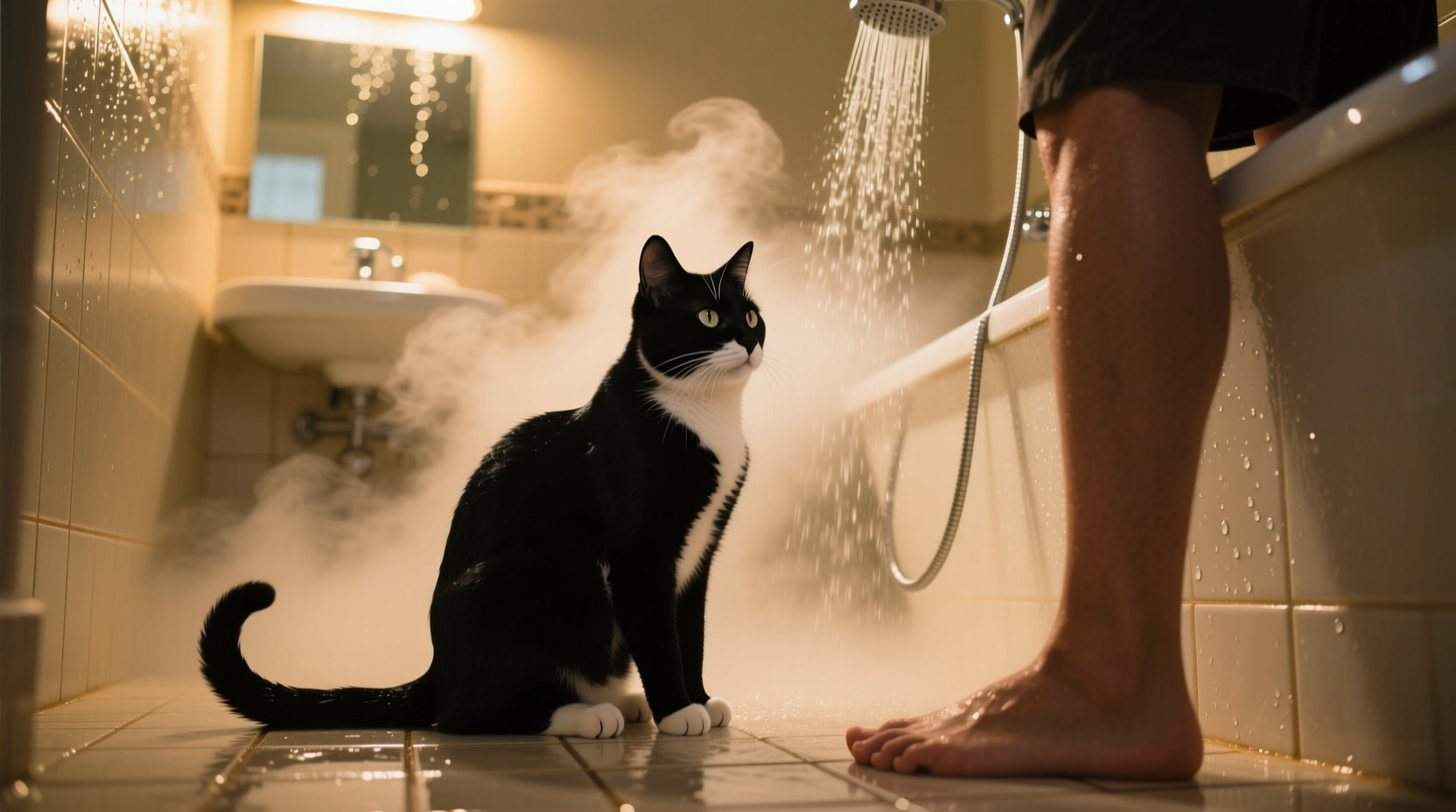
To a cat, the bathroom during a shower isn’t just a room with running water—it’s a dynamic environment rich in stimuli. The combination of auditory, thermal, and visual cues creates an experience that’s hard for a curious feline to ignore.
The sound of running water is one of the most compelling triggers. Unlike stagnant water bowls, flowing water signals freshness—a survival instinct inherited from wild ancestors who avoided still, potentially contaminated sources. While your cat may not drink from the shower stream, the noise itself can be intriguing, prompting them to investigate.
Steam adds another layer. Warm, humid air carries your scent more intensely, especially if you’re using scented soaps or shampoos. Cats rely heavily on olfactory information to assess safety and familiarity. The concentrated aroma of your skin, hair products, and body heat in a closed space makes the bathroom a personal scent hub—essentially, a temporary extension of your territory.
Bonding Through Proximity: The Social Dimension
Cats are often mislabeled as solitary animals, but domestic cats have developed complex social behaviors, especially with their human caregivers. Your cat sitting in the bathroom may not just be observing—they may be seeking connection.
Showering is one of the few times you’re consistently present in a confined space without distractions like phones, screens, or work. Even if you don’t interact directly, your cat registers your presence. For a socially bonded feline, this is prime time to be near you. They aren’t demanding attention; they’re participating in your routine through silent companionship.
Dr. Sarah Elliott, a veterinary ethologist, explains:
“Cats form attachments similar to those seen in dogs and even human infants. Proximity-seeking behaviors—like waiting outside the shower—are signs of secure attachment. It’s not always about interaction; sometimes, just being in the same space is enough.”
This kind of quiet coexistence is a hallmark of feline affection. Unlike dogs, who may seek physical contact, cats often express closeness through parallel activities: grooming nearby, napping in the same room, or simply sharing airspace. The bathroom, during your shower, becomes a designated “together” zone—even if you’re separated by glass or steam.
Curiosity and Environmental Monitoring
Cats are natural observers and territorial monitors. The bathroom transforms dramatically during a shower: lights turn on, sounds echo, temperatures shift, and movement occurs behind frosted glass. To a cat, this sequence is unpredictable and therefore worthy of surveillance.
Consider the timeline of a typical shower:
- You enter the bathroom and close the door (unusual behavior).
- Loud noises begin (water running, faucets turning).
- Steam rises, fogging mirrors and altering visibility.
- You move behind a curtain or door, partially hidden.
- New smells emerge (soap, shampoo, sweat).
Each step introduces change—something cats instinctively assess for potential threats or opportunities. A cat sitting near the shower isn’t necessarily worried, but they are gathering data. Once they confirm no danger exists, their presence shifts from vigilance to routine.
In multi-pet households, this monitoring role is even more pronounced. Dominant cats may position themselves strategically to maintain oversight, while more anxious individuals might linger to ensure their person hasn’t disappeared.
Do’s and Don’ts: Responding to Bathroom Visits
How you react to your cat’s bathroom appearances can shape future behavior—either reinforcing positive bonds or encouraging unwanted habits. Use this guide to respond appropriately:
| Do | Don’t |
|---|---|
| Acknowledge your cat calmly if they seem relaxed | Punish or shoo them away abruptly |
| Leave the door open if safety allows | Lock them out repeatedly without alternatives |
| Offer a warm perch nearby, like a heated pad | Encourage slipping into the shower with you (safety risk) |
| Observe body language for signs of stress or fixation | Assume all attention-seeking is manipulative |
| Provide enrichment elsewhere to balance focus | Ignore persistent anxiety or obsessive behavior |
Respecting your cat’s need for proximity while setting gentle boundaries ensures a healthy dynamic. For example, placing a soft mat outside the shower stall gives them a designated spot—close enough to feel involved, but safe from splashes and slips.
When Behavior Crosses Into Obsession
Occasional bathroom visits are normal. But what if your cat waits anxiously every time you approach the bathroom? What if they meow persistently, try to climb into the tub, or become agitated when the door closes?
These could be signs of separation-related stress. Cats vary in their tolerance for solitude. Some thrive with independence; others develop mild dependency, especially if their human is their primary source of stimulation.
A mini case study illustrates this:
Maria adopted Luna, a 3-year-old domestic shorthair, six months ago. She noticed that Luna began following her into the bathroom and would cry if the door was shut. Over time, Luna started waiting outside the bathroom 10 minutes before Maria typically showered. Concerned, Maria consulted a feline behaviorist. After evaluating Luna’s environment, the expert noted that Maria worked from home and was Luna’s sole companion. The solution wasn’t to exclude Luna, but to enrich her daytime routine with puzzle feeders, window perches, and scheduled play sessions. Within three weeks, Luna’s bathroom fixation decreased significantly—she still visited occasionally, but no longer showed signs of anxiety.
The takeaway: context matters. Occasional presence is bonding or curiosity. Persistent, high-arousal behavior may signal unmet needs.
Step-by-Step: Creating a Balanced Routine
If your cat’s bathroom visits feel excessive or concerning, follow this five-step process to address underlying causes:
- Observe patterns: Note when and how your cat appears. Is it only during showers? Does it happen more on days you’re home?
- Assess environment: Ensure your cat has stimulating spaces elsewhere—vertical shelves, window views, toys, scratching posts.
- Introduce alternatives: Place a cozy bed near the bathroom door or use a pheromone diffuser to create calm zones.
- Build independence: Practice short separations—close the bathroom door for 30 seconds, then reward calm behavior with treats.
- Consult a professional: If vocalization, pacing, or destructive behavior occurs, seek advice from a veterinarian or certified animal behaviorist.
This approach fosters confidence without cutting off connection. The goal isn’t to stop your cat from visiting the bathroom—it’s to ensure their motivation comes from choice, not anxiety.
Frequently Asked Questions
Is it normal for cats to watch their owners shower?
Yes, it’s entirely normal. Many cats are drawn to the sounds, warmth, and presence of their owners during showers. As long as the cat isn’t distressed or attempting dangerous behaviors (like jumping into the tub), this is a sign of curiosity or bonding.
Why does my cat meow at the bathroom door?
Meowing can indicate several things: a desire to be included, concern about your absence, or learned attention-seeking. If the behavior is new or intense, evaluate whether your cat is getting enough mental and physical stimulation throughout the day.
Should I let my cat into the bathroom while I shower?
If the environment is safe—no slippery floors, hot surfaces, or toxic products—allowing your cat in can strengthen trust. However, never force them to stay or leave. Let them choose. Consider installing a non-slip mat or keeping the door slightly ajar for access without risk.
Checklist: Healthy Bathroom Cat Behavior
- ✅ Cat enters calmly and settles quietly
- ✅ No signs of distress (dilated pupils, flattened ears, tail flicking)
- ✅ Leaves voluntarily after the shower ends
- ✅ Also spends time in other areas of the home
- ✅ Responds to distractions (toys, food) when called
- ✅ Not dependent on your presence in every room
If all boxes are checked, your cat’s bathroom visits are likely benign and even endearing. If several are unchecked, consider adjusting their daily routine or consulting a professional.
Conclusion: Understanding, Not Interpreting
Your cat sitting in the bathroom while you shower isn’t a random quirk—it’s a meaningful behavior rooted in instinct, emotion, and relationship. Whether driven by bonding, curiosity, or environmental interest, their presence reflects a deep attunement to your life.
Instead of questioning their motives, use these moments to appreciate the subtle ways cats connect. They may not cuddle on command or follow you like a dog, but their quiet vigilance in the steamy glow of the bathroom light speaks volumes.




 浙公网安备
33010002000092号
浙公网安备
33010002000092号 浙B2-20120091-4
Comments
No comments yet. Why don't you start the discussion?