
Cats are creatures of habit, curiosity, and contradiction. One moment they’re sprawled regally on your sofa, the next they’re perched in an empty porcelain sink, staring intently at a dripping faucet. If you’ve ever walked into your bathroom to find your cat crouched in the basin or lapping water straight from the tap, you’re not alone — and there’s more to this behavior than mere whimsy. Behind these seemingly odd habits lie evolutionary instincts, sensory preferences, and subtle clues about your cat’s health and comfort.
This article explores the science and psychology behind why cats are drawn to sinks and running water, what it means for their well-being, and how you can use this knowledge to improve their daily lives.
The Evolutionary Edge: Why Running Water Appeals to Cats
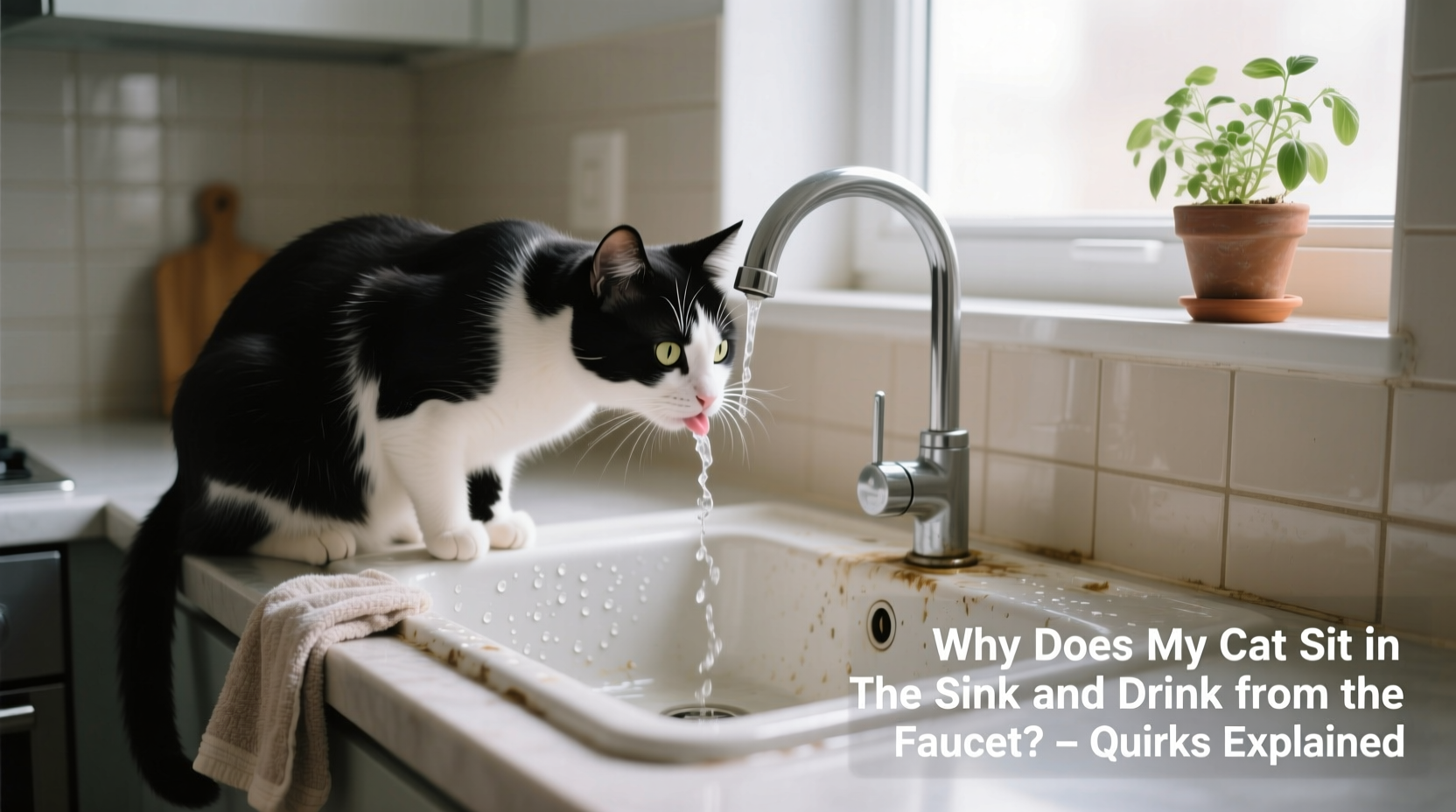
In the wild, cats evolved as desert-dwelling hunters, where fresh, moving water signaled safety and purity. Stagnant pools could harbor bacteria, parasites, or contamination — risks that threatened survival. As a result, felines developed a natural preference for flowing water, which was less likely to be polluted.
Domestic cats retain this instinct, even when presented with clean, still water in a bowl. The sound, movement, and visual cues of running water trigger their innate drive to seek out the safest hydration source. A faucet offers all three: motion, noise, and freshness.
“Cats don’t just drink water — they assess it. Movement tells them it’s safe, and temperature often makes it more palatable.” — Dr. Lena Torres, Feline Behavior Specialist
This ingrained caution explains why many cats ignore full water bowls but leap at the chance to sip from a trickling tap. It’s not defiance — it’s biology.
Sink Sitting: Comfort, Curiosity, or Territory?
Beyond drinking, cats often choose sinks as resting spots. The reasons vary but typically fall into one of three categories: physical comfort, mental stimulation, or territorial behavior.
- Temperature Regulation: Sinks are usually made of ceramic, stainless steel, or porcelain — materials that absorb and retain coolness. On warm days or in heated homes, a sink provides a refreshing surface for a cat seeking relief from body heat.
- Elevated Vantage Point: Sinks are raised, offering a clear view of room entrances, hallways, and potential activity. For a naturally observant species, this is prime real estate for monitoring household dynamics.
- Scent Marking & Security: The enclosed shape of a sink creates a den-like environment. Combined with the presence of human scent (from frequent use), it becomes a psychologically secure spot. Cats may also rub their cheeks along the edges, depositing pheromones to mark the area as “theirs.”
Hydration Habits: How Faucet Drinking Affects Cat Health
While drinking from the faucet might seem inconvenient, it can actually encourage better hydration. Many cats are chronically underhydrated, especially those on dry food diets. Dehydration contributes to urinary tract issues, kidney disease, and constipation — common problems in domestic cats.
Running water not only attracts cats more effectively but often tastes fresher due to constant oxygenation and reduced biofilm buildup. In contrast, water left in bowls can develop a film or stale taste within hours, discouraging consumption.
A study published in the *Journal of Feline Medicine and Surgery* found that cats given access to flowing water sources increased their daily water intake by up to 30% compared to those relying solely on still bowls.
Signs Your Cat May Need More Hydration
- Dull or dry coat
- Reduced skin elasticity (skin doesn’t snap back quickly when gently pinched)
- Frequent urination or straining in the litter box
- Lethargy or decreased appetite
- Thick saliva or tacky gums
Practical Solutions: Encouraging Healthy Water Habits
You don’t need to leave the faucet running all day to keep your cat hydrated. With thoughtful alternatives, you can satisfy their instincts while protecting your plumbing and saving water.
Step-by-Step Guide to Introducing a Cat Water Fountain
- Choose the Right Fountain: Look for models with multiple flow settings, a quiet pump, and BPA-free materials. Ceramic or stainless steel bases resist bacterial growth better than plastic.
- Introduce Gradually: Place the fountain near your cat’s current water source. Let them investigate it without turning it on first.
- Start with Low Flow: Turn on the fountain at its gentlest setting. Some cats prefer a light ripple over a strong stream.
- Add Familiarity: Pour water from their usual bowl into the fountain to transfer scent and reduce suspicion.
- Monitor Acceptance: Give it 5–7 days. If ignored, try relocating it to a quieter or busier area depending on your cat’s personality.
- Maintain Cleanliness: Clean the fountain weekly and replace filters as recommended to prevent algae and mineral buildup.
| Feature | Benefit for Cats | Recommended Option |
|---|---|---|
| Multiple Flow Settings | Allows customization based on preference | PetSafe Drinkwell Platinum |
| Ceramic Reservoir | Resists bacteria and keeps water cooler | Catit Flower Fountain |
| Quiet Pump | Reduces noise stress for skittish cats | OSMOPET Ultra-Quiet Fountain |
| Large Capacity | Less frequent refilling, consistent flow | 2.5L+ models |
Mini Case Study: Bella the Sink-Lover
Bella, a 4-year-old Siamese mix, lived in a two-story apartment with her owner, Maya. Every evening around 8 p.m., Bella would jump into the bathroom sink and wait — sometimes meowing — until Maya turned on the faucet. This routine lasted months, wasting water and puzzling Maya.
After consulting a veterinary behaviorist, Maya learned Bella was attracted to the sound and movement of water. She introduced a cat fountain with a bubbling center jet, placing it beside Bella’s favorite window perch. Within five days, Bella began using the fountain regularly. By week three, she stopped visiting the sink altogether.
Maya also noticed Bella urinated more frequently and appeared more energetic — signs of improved hydration. The change wasn’t just convenient; it enhanced Bella’s health.
When Sink Behavior Signals a Problem
Occasional sink lounging or faucet drinking is normal. But sudden changes in frequency or intensity may indicate underlying issues:
- Excessive faucet obsession: Could suggest dissatisfaction with available water sources or early-stage kidney concerns.
- Sleeping in cold fixtures daily: May point to overheating due to illness, obesity, or hyperthyroidism.
- Aggression when denied sink access: Might reflect anxiety or territorial insecurity.
If your cat begins refusing still water entirely, drinks excessively (polydipsia), or shows other behavioral shifts like hiding or vocalizing more, consult your veterinarian. These can be early signs of diabetes, renal disease, or hyperthyroidism.
FAQ: Common Questions About Cats and Sinks
Is it safe for my cat to drink from the faucet?
Yes, as long as the water is clean and free of contaminants. However, leaving the faucet running unattended wastes water and increases utility costs. A cat fountain is a safer, more sustainable alternative.
Why does my cat sit in the sink even when it’s wet or dirty?
Cats prioritize comfort and security over human notions of cleanliness. If the sink feels cool or offers a good vantage point, they may ignore moisture or residue. Regular cleaning helps discourage lingering in unhygienic conditions.
Can I train my cat to stop using the sink?
You can redirect the behavior, but not eliminate the instinct. Provide appealing alternatives — like a chilled ceramic tile in a quiet corner or a water fountain in a preferred location. Positive reinforcement works better than punishment.
Checklist: Creating a Cat-Friendly Hydration Environment
- ✅ Offer multiple water stations throughout the home
- ✅ Use non-plastic bowls or fountains to prevent “whisker fatigue” and bacterial growth
- ✅ Clean water containers daily and refill with fresh water
- ✅ Invest in a high-quality cat water fountain
- ✅ Place water sources away from food and litter boxes
- ✅ Monitor drinking habits for sudden changes
- ✅ Provide cool resting spots during warm weather
“The best care for cats isn’t about changing their nature — it’s about understanding it and working with it.” — Dr. Arjun Patel, DVM, Feline Wellness Advocate
Conclusion: Embracing Quirks, Enhancing Care
Your cat sitting in the sink or chasing faucet drips isn’t just a cute quirk — it’s a window into their evolutionary past and sensory world. What seems odd to us is often perfectly logical from a feline perspective. By recognizing the reasons behind these behaviors, we can meet our cats’ needs more effectively and support their physical and emotional well-being.
Instead of discouraging sink visits with frustration, use them as opportunities to improve your cat’s environment. Introduce flowing water options, provide cool resting zones, and stay attentive to changes in behavior. Small adjustments today can prevent health issues tomorrow.




 浙公网安备
33010002000092号
浙公网安备
33010002000092号 浙B2-20120091-4
Comments
No comments yet. Why don't you start the discussion?