
Cats are enigmatic creatures. One moment they're curled up in a sunbeam, the next they’re perched inside an empty ceramic bowl—specifically, your bathroom sink. If you’ve ever walked into your bathroom to find your feline nestled in the porcelain basin, you’re not alone. This peculiar behavior baffles many cat owners. Is it harmless quirkiness, a cry for attention, or could it indicate an underlying issue? The answer lies at the intersection of instinct, environment, and sometimes, health.
While cats sitting in sinks may seem odd, it’s surprisingly common. Veterinarians and animal behaviorists agree that most cases stem from natural feline preferences amplified by modern home environments. However, understanding *why* your cat chooses the sink over their plush cat bed can help distinguish between normal behavior and potential warning signs.
The Allure of the Sink: What Attracts Cats?
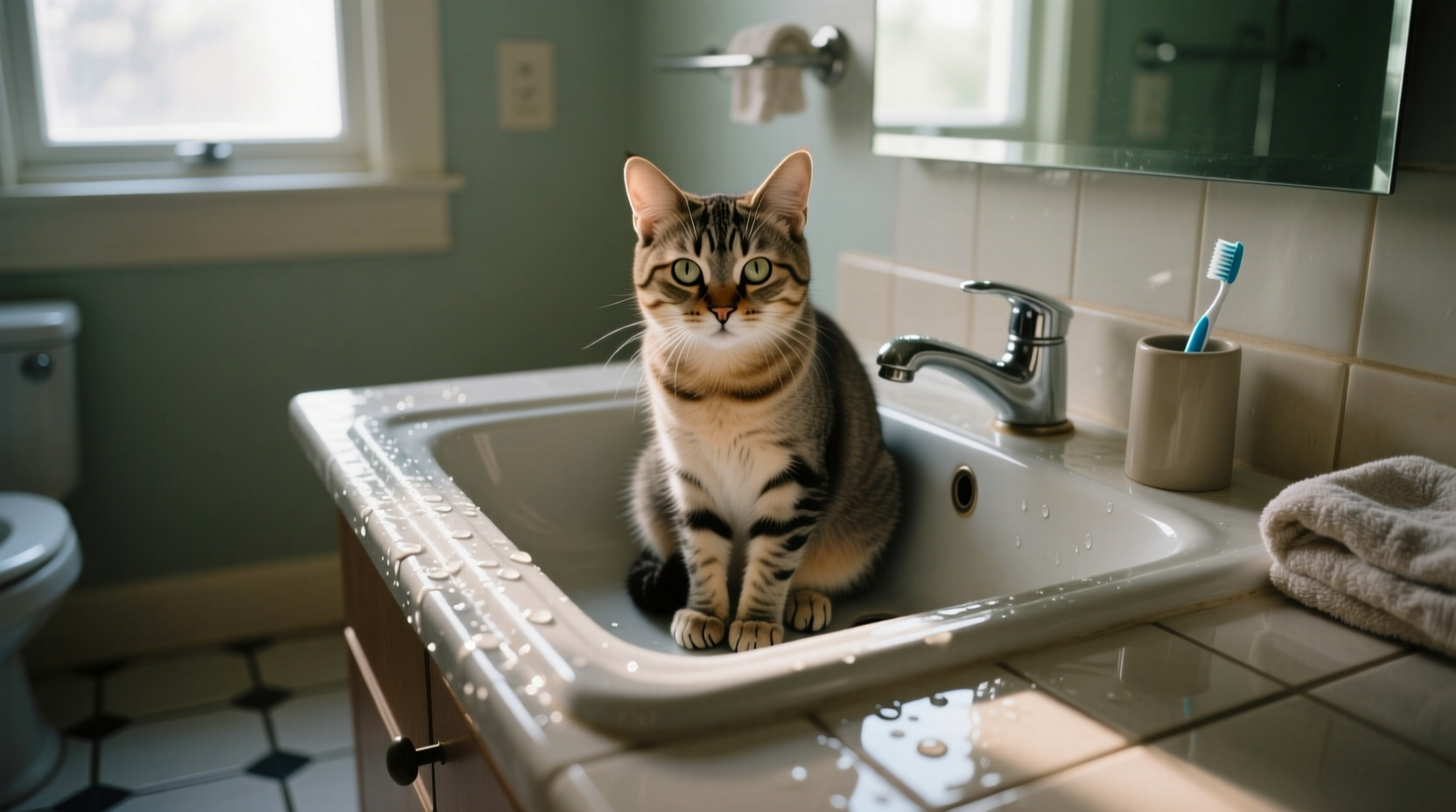
Cats are drawn to sinks for several sensory and environmental reasons. Unlike humans, who see sinks as utilitarian fixtures, cats perceive them through a different lens—one shaped by curiosity, temperature sensitivity, and territorial instincts.
- Temperature regulation: Sinks, especially those made of porcelain or stainless steel, retain coolness. On warm days or in heated homes, the smooth surface offers a refreshing spot to lounge.
- Water fascination: Many cats are intrigued by running water. Even when the tap is off, the sink remains a high-traffic zone for hydration, making it a focal point of interest.
- Elevated vantage point: Positioned above floor level, sinks give cats a strategic view of their surroundings—ideal for monitoring household activity while staying out of reach.
- Smooth, clean surfaces: Cats prefer tidy spaces. A freshly wiped sink feels sterile and safe, free from competing scents or textures they may dislike.
- Attention-seeking behavior: Bathrooms are often private spaces where owners spend time alone. By occupying the sink, cats ensure they’ll be seen—sometimes right when you’re brushing your teeth.
Instinctual Roots: Why Sinks Mimic Natural Preferences
To understand sink-sitting, we must consider feline evolution. Domestic cats descend from desert-dwelling ancestors who sought shelter in shaded, rocky crevices to avoid heat and predators. Today’s sinks unintentionally replicate these ideal conditions.
The enclosed shape of a sink provides a sense of security, similar to a den. Its curved walls offer physical boundaries that make cats feel protected on all sides—a trait observed in cats who also favor cardboard boxes or tight spaces.
Additionally, metal and ceramic materials conduct temperature efficiently. After a sink is used with cold water, it stays cooler than surrounding surfaces for hours. For cats, whose normal body temperature ranges between 100.5°F and 102.5°F, even a slight drop in ambient temperature can be appealing.
“Cats are masters of microclimate selection. They constantly seek out spots that optimize comfort based on temperature, texture, and visibility.” — Dr. Lena Reyes, Feline Behavior Specialist, Cornell University College of Veterinary Medicine
When Sink-Sitting Might Signal a Health Concern
Occasional sink lounging is typically benign. But if your cat suddenly begins spending extended periods in the sink—especially near or drinking from the faucet—it could indicate an underlying medical issue.
The most common health-related reason for increased sink activity is **increased thirst**, medically known as polydipsia. Excessive water consumption can be a symptom of:
- Kidney disease
- Diabetes mellitus
- Hyperthyroidism
- Urinary tract infections
If your cat is not only sitting in the sink but also drinking more water than usual (more than 50 ml per kg of body weight daily), urinating frequently, or showing other changes in behavior, a veterinary evaluation is warranted.
Red Flags to Watch For
| Behavior | Normal? | Potential Concern |
|---|---|---|
| Sits in dry sink briefly | ✅ Yes | No action needed |
| Lies near running faucet | ✅ Occasionally | Monitor water intake |
| Drinks excessively from sink | ❌ No | Rule out kidney or metabolic disease |
| Avoids litter box after using sink | ❌ No | Possible urinary discomfort |
| New onset in older cats (>7 years) | ⚠️ Caution | Schedule vet check-up |
Real-Life Example: Bella’s Midnight Sink Ritual
Maria, a pet owner from Portland, noticed her 8-year-old tabby, Bella, began sleeping in the bathroom sink every night. At first, she found it amusing. But after two weeks, Bella started waking her up by pawing at the faucet, seemingly trying to turn it on.
Maria measured Bella’s water consumption and discovered she was drinking nearly double her usual amount. She scheduled a vet appointment, where blood tests revealed early-stage chronic kidney disease. With dietary changes and medication, Bella’s condition stabilized. Her sink visits decreased significantly once her thirst normalized.
This case illustrates how a seemingly quirky habit can serve as an early warning system. Had Maria dismissed the behavior as mere eccentricity, the diagnosis might have been delayed.
Environmental & Behavioral Solutions
If your cat enjoys the sink but isn’t showing signs of illness, you can gently encourage alternative behaviors without suppressing their instincts.
Step-by-Step Guide to Redirect Sink-Sitting
- Assess frequency and context: Note when and how long your cat uses the sink. Is it during hot weather? After meals? When you’re in the bathroom?
- Provide alternatives: Place a cooling pad or elevated cat bed near the bathroom door or window sill to mimic the sink’s appeal.
- Enhance water access: Invest in a cat water fountain placed in a quiet area. The sound and movement of water may satisfy their fascination without requiring sink access.
- Use positive reinforcement: Reward your cat with treats or affection when they use their designated spot instead of the sink.
- Limit access temporarily: If necessary, close the bathroom door or cover the sink when unsupervised—especially if you suspect obsessive behavior.
Checklist: Creating Sink-Free Zones
- ✅ Install a pet-safe water fountain in a low-traffic area
- ✅ Add cooling mats in sunny or warm rooms
- ✅ Ensure litter boxes are clean and easily accessible
- ✅ Monitor changes in drinking, urination, or appetite
- ✅ Schedule annual vet exams, especially for cats over 7
Remember, the goal isn’t to eliminate the behavior entirely but to ensure your cat has equally appealing options. Forcing change too abruptly can cause stress, which may exacerbate unwanted habits.
Frequently Asked Questions
Is it dangerous for cats to sit in sinks?
In most cases, no. Sinks are generally safe, clean surfaces. However, risks include accidental falls if the cat slips, exposure to cleaning chemicals if the sink was recently scrubbed, or injury if the faucet is left on unattended. Always rinse thoroughly after cleaning and supervise if your cat frequents the area.
Why does my cat meow in the sink?
Vocalizing in the sink often indicates a desire for running water. Some cats associate the location with hydration and may meow to prompt you to turn on the tap. Others use it as a way to get your attention—especially if you typically respond when they’re in the bathroom.
Can anxiety cause sink-sitting?
Yes. Cats under stress may seek out enclosed, elevated spaces as a coping mechanism. If your home has undergone recent changes—new pets, loud noises, moving furniture—your cat might retreat to the sink for security. Look for other signs like hiding, over-grooming, or litter box avoidance.
Conclusion: Understanding Your Cat’s Unique Language
Your cat sitting in the sink isn’t inherently weird—it’s a blend of instinct, comfort, and communication. In most cases, it’s simply a reflection of their finely tuned preferences for cool, safe, and stimulating environments. But as with any repeated behavior, context matters. Sudden changes, especially in older cats, deserve attention.
By observing patterns, offering enriching alternatives, and staying alert to health indicators, you can support your cat’s well-being while appreciating their quirks. After all, part of loving a cat is learning to interpret their subtle signals—from purrs to paw taps to midnight sink naps.




 浙公网安备
33010002000092号
浙公网安备
33010002000092号 浙B2-20120091-4
Comments
No comments yet. Why don't you start the discussion?