
Cats are creatures of habit, curiosity, and comfort—often in unpredictable combinations. One of the more puzzling behaviors cat owners report is their feline lounging in the kitchen or bathroom sink. It might seem odd, even comical, to find your cat curled up in a stainless steel basin meant for washing dishes or hands. But this behavior is more common than you might think. Understanding why your cat chooses the sink over their plush bed can reveal insights into their instincts, preferences, and sometimes, their health.
The short answer: yes, it’s generally normal. Most cats who sit in sinks do so out of instinct, environmental preference, or simple curiosity. However, as with any repeated behavior, context matters. When accompanied by other symptoms or sudden changes, sink-sitting could hint at underlying issues worth investigating.
Instinctual Behavior and Evolutionary Roots
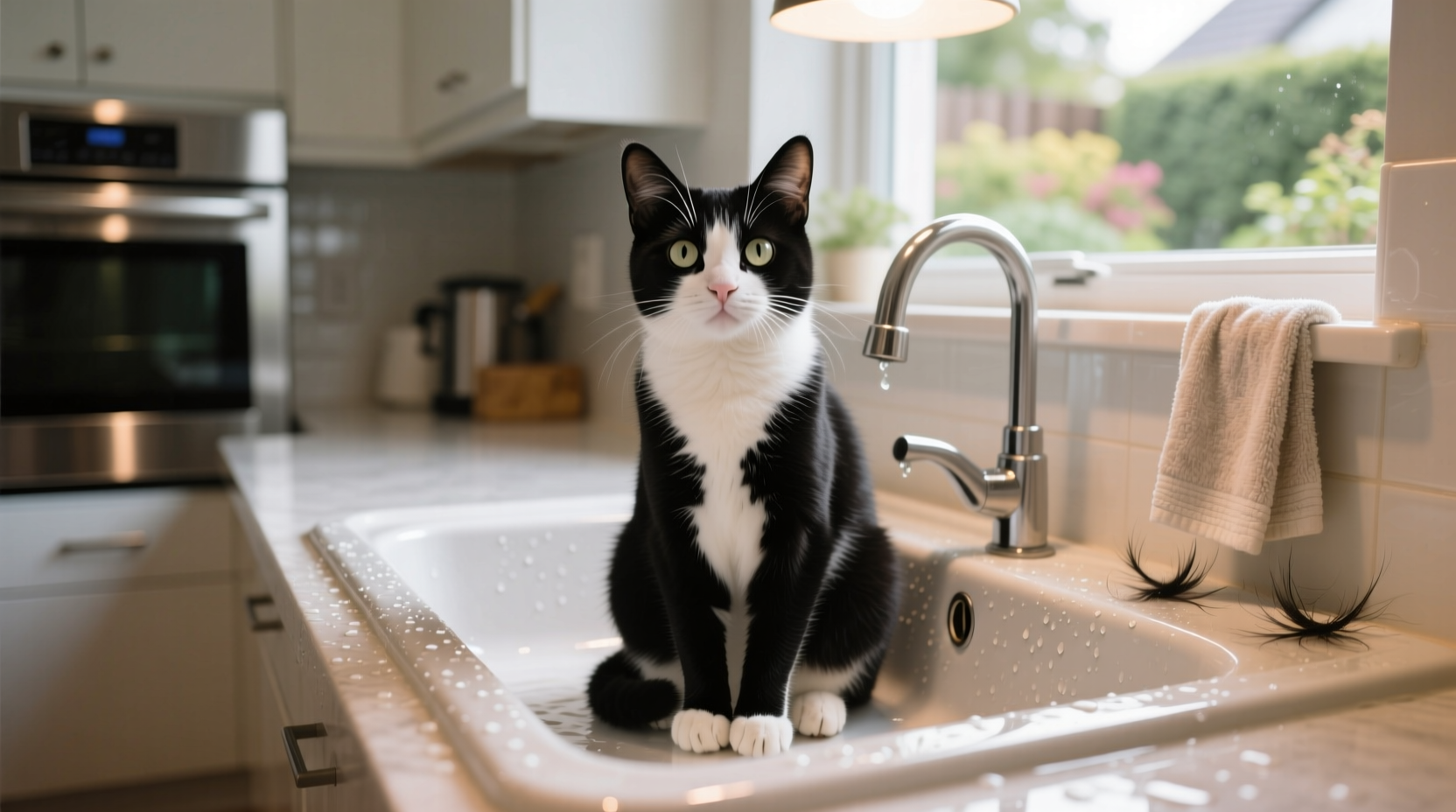
Cats are descendants of desert-dwelling ancestors who evolved to seek out cool, sheltered spaces during extreme temperatures. The sink—especially one made of porcelain, stainless steel, or ceramic—naturally retains cooler temperatures than surrounding surfaces. In warmer months, these materials absorb less heat and dissipate it slowly, making the sink an appealing spot for thermoregulation.
Beyond temperature, the shape of the sink offers a sense of security. Its curved walls partially enclose the cat, mimicking the den-like environments wild cats would seek for safety. This semi-enclosed space provides a vantage point where they can observe their surroundings while feeling protected from potential threats.
Additionally, many cats are drawn to running water. While most prefer drinking from faucets rather than stagnant bowls, the association between sinks and fresh water reinforces the area as a high-value zone. Even when the faucet is off, the lingering scent and residual moisture may make the sink feel like a resource-rich location.
Environmental Factors That Influence Sink-Sitting
Your home environment plays a significant role in shaping your cat’s habits. Sinks are often located in quiet, low-traffic areas like bathrooms or utility kitchens, making them ideal retreats for cats seeking solitude. Unlike living rooms or hallways, these zones offer fewer disturbances, allowing cats to relax without interruption.
Lighting also contributes. Many bathrooms have overhead lighting that stays on longer than other rooms, especially if motion sensors or timers are involved. Cats are crepuscular—most active during dawn and dusk—and may use well-lit spaces at night to monitor their territory.
Another factor is elevation. Sinks are typically waist-high, giving cats an elevated view of their domain. From this perch, they can oversee household activity, detect movement, and assert subtle dominance over their environment—all critical aspects of feline psychology.
Common Triggers for Sink Preference
- Cool surface temperature
- Enclosed, den-like structure
- Elevated vantage point
- Proximity to water sources
- Low foot traffic and quiet surroundings
- Familiar human scent (from frequent use)
When Sink-Sitting Might Signal a Health Concern
While occasional sink naps are harmless, persistent or obsessive use of the sink—especially if newly developed—can indicate medical issues. One key red flag is excessive thirst. If your cat is not only sitting in the sink but also drinking large amounts of water or showing interest in running faucets, it could be a symptom of conditions such as diabetes, kidney disease, or hyperthyroidism.
Veterinarian Dr. Lena Torres explains:
“Cats with metabolic disorders often develop polydipsia—increased thirst. Owners notice their pets lingering near sinks, bathtubs, or toilets. It’s not just about comfort; it’s a physiological need.” — Dr. Lena Torres, DVM, Feline Internal Medicine Specialist
Likewise, arthritis or joint pain may lead cats to seek out hard, cool surfaces that relieve inflammation. Soft bedding can trap heat and make sore joints feel worse, while tile and metal stay cool and firm. If your older cat suddenly prefers sinks, floors, or countertops over their usual plush bed, a veterinary checkup is advisable.
Behavioral changes should also be monitored. A cat that hides more, avoids interaction, or shows signs of anxiety may resort to unusual resting spots as a coping mechanism. The sink, being secluded yet connected to human activity, offers a compromise between isolation and companionship.
Practical Tips to Manage and Understand the Behavior
Rather than discouraging sink-sitting outright, consider adapting your approach to support your cat’s needs safely. Forcing them out of the sink may cause stress or confusion, especially if the behavior stems from comfort or instinct.
Here are several strategies to manage sink-related behavior while ensuring your cat remains healthy and content:
Step-by-Step Guide: Creating Sink Alternatives
- Assess your cat’s motivation: Observe whether they’re drawn to temperature, height, privacy, or water access.
- Provide cooling options: Place a ceramic tile or cooling pad in their favorite resting area. These retain coolness similarly to sinks.
- Elevate their bed: Position a cat tree or shelf near a window to replicate the vantage point of a sink.
- Add a pet fountain: Satisfy their desire for fresh water elsewhere, reducing sink dependency.
- Use pheromone diffusers: Calming scents like Feliway can reduce anxiety-driven hiding behaviors.
- Monitor usage patterns: Note frequency, duration, and any associated behaviors (e.g., drinking, vocalizing).
Do’s and Don’ts of Sink-Sitting Management
| Do | Don’t |
|---|---|
| Allow occasional sink use if safe | Leave cleaning chemicals in or near the sink |
| Keep the sink clean and dry when not in use | Yell at or startle your cat off the sink |
| Offer alternative cool, elevated spots | Ignore sudden behavioral changes |
| Install a cat water fountain nearby | Assume all sink-sitting is purely quirky |
| Regularly check for signs of illness | Leave sharp objects or wet towels unattended |
Real-Life Example: Bella’s Midnight Sink Ritual
Sarah, a cat owner from Portland, noticed her 7-year-old tabby, Bella, began spending hours each night in the bathroom sink. At first, she found it amusing—until Bella started waking her up by pawing at the faucet. Concerned, Sarah installed a pet fountain and moved Bella’s bed closer to the bathroom door. The sink visits decreased slightly, but Bella still returned nightly.
After monitoring water intake, Sarah realized Bella was drinking nearly double her usual amount. A vet visit revealed early-stage kidney disease. With medication and a specialized diet, Bella’s thirst normalized, and her sink visits dropped significantly within weeks. “I never thought a quirky habit could be a warning sign,” Sarah said. “Now I check her water bowl levels every morning.”
This case illustrates how seemingly harmless behaviors can mask serious health concerns. Regular observation and timely intervention made a meaningful difference in Bella’s long-term wellbeing.
Frequently Asked Questions
Is it dangerous for cats to sit in sinks?
Generally, no. As long as the sink is clean, dry, and free of hazardous residues (like bleach or detergent), occasional use is safe. However, never leave your cat unattended in a filled sink or bathtub, as slipping and drowning are risks.
Why does my cat only sit in the sink when I’m using the bathroom?
This is often a social behavior. Cats may join you in the bathroom because it’s one of the few times you’re stationary and accessible. The sink becomes a shared space—part curiosity, part bonding. Some experts believe cats interpret bathroom time as a form of communal grooming or ritual.
Can I stop my cat from sitting in the sink?
You can discourage the habit by offering better alternatives, but complete prevention isn’t always necessary or recommended. Focus on making other areas more appealing rather than blocking sink access abruptly. If health or hygiene is a concern, keep the sink covered or install a gate.
Final Thoughts: Balancing Quirks and Care
Cats sit in sinks for a blend of instinctual, environmental, and emotional reasons. Whether it’s the cool surface, the quiet location, or the proximity to fresh water, this behavior usually reflects natural feline preferences. In most cases, it’s completely normal and even endearing.
However, as responsible caregivers, we must remain observant. Sudden changes in routine, increased water consumption, or signs of discomfort warrant attention. What begins as a quirky habit might be the earliest clue to a treatable condition.
The key is balance: allow your cat their little eccentricities while staying attuned to their overall health. By understanding the motivations behind sink-sitting, you can create a home environment that meets their physical and psychological needs—without sacrificing your own use of the kitchen or bathroom.




 浙公网安备
33010002000092号
浙公网安备
33010002000092号 浙B2-20120091-4
Comments
No comments yet. Why don't you start the discussion?