
If you’ve ever been jolted awake at 3 a.m. by the soft padding of paws on tile, only to find your cat perched inside the bathroom sink like a furry monarch surveying its domain, you’re not alone. This peculiar behavior baffles many cat owners—especially when it happens repeatedly during the quietest hours of the night. While it may seem random or even comical, cats don’t act without reason. Behind this midnight ritual lies a complex blend of instinct, sensory preference, and environmental cues shaped by evolution and domestication.
Understanding why your cat chooses the porcelain throne at such an odd hour requires more than just observation—it demands insight into feline psychology, territorial habits, and subtle household dynamics. This article decodes the science and behavior behind your cat’s sink-sitting tendencies, offering practical explanations and actionable advice for concerned or curious pet parents.
Feline Instincts and Nocturnal Nature
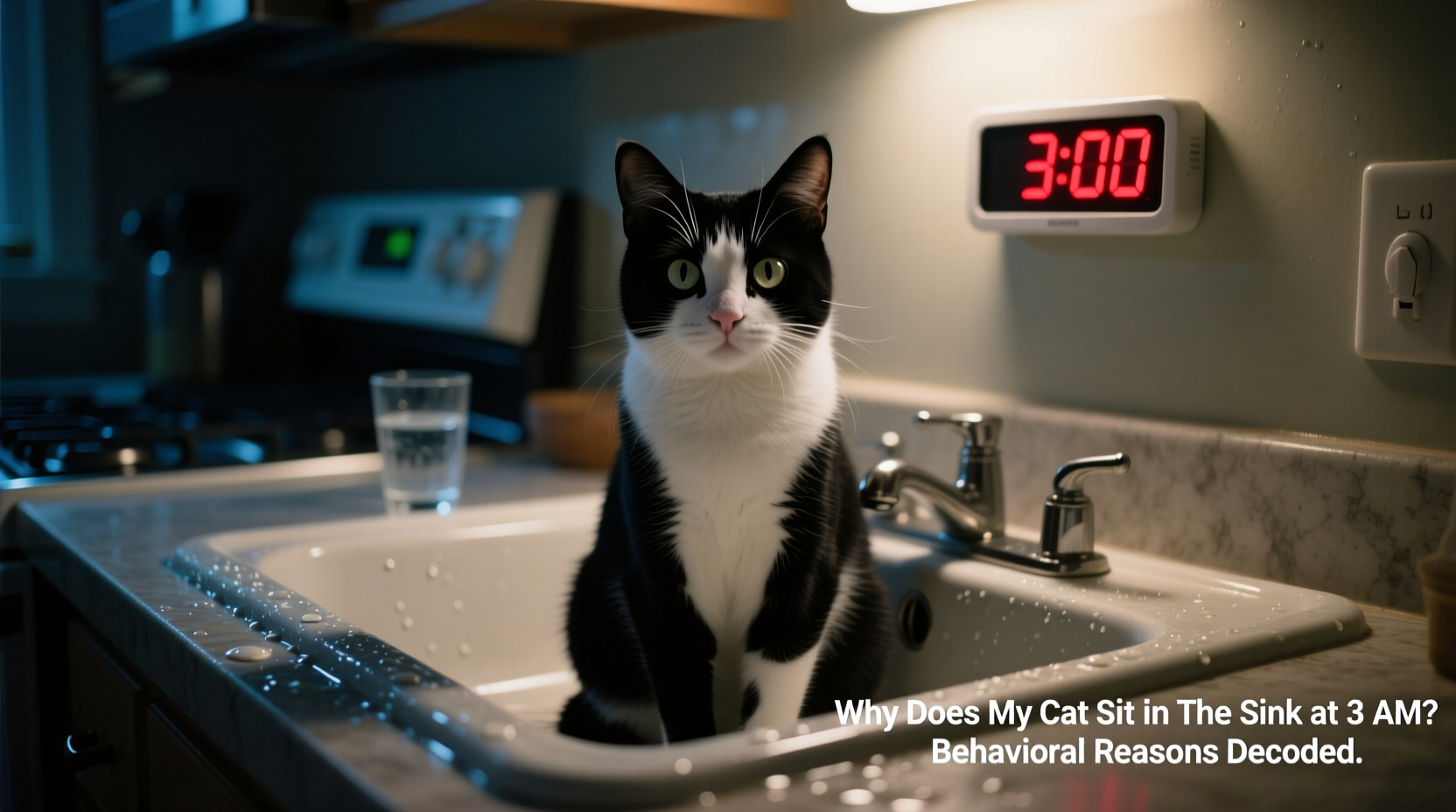
Cats are crepuscular by nature, meaning they are most active during dawn and dusk. However, many domesticated cats shift their peak activity into the late-night hours, especially if their human companions are away during the day. At 3 a.m., the house is still, distractions are minimal, and your cat may feel the urge to explore, patrol, or seek comfort in familiar spaces.
The sink often becomes a focal point during these nocturnal wanderings. Its elevated position provides a vantage point—ideal for scanning the environment for movement or potential threats. In the wild, cats seek high ground to monitor their surroundings, and your bathroom sink mimics this need perfectly: it’s off the floor, cool to the touch, and enclosed enough to offer a sense of security.
Sensory Appeal: Why the Sink Feels Right
The physical properties of a sink make it uniquely appealing to cats. Several sensory factors contribute to its allure:
- Cool Surface: Ceramic or stainless steel sinks retain cooler temperatures, especially at night when central heating is off. Cats, who naturally prefer warm environments but dislike overheating, may seek out cool spots to regulate body temperature.
- Smooth Texture: The non-porous, smooth surface of a sink is easy to clean and free of clinging debris—a trait cats instinctively appreciate due to their grooming habits.
- Auditory Cues: Dripping faucets or residual water sounds can attract cats with sensitive hearing. Even a faint trickle can mimic the sound of running water, which many cats prefer over stagnant bowls.
- Containment: The curved edges of a sink create a semi-enclosed space, giving cats the feeling of being tucked in—a comforting sensation for animals that value safe hiding spots.
Dr. Sarah Ling, a veterinary ethologist at the Feline Behavior Institute, explains:
“Cats are drawn to micro-environments that satisfy multiple sensory needs at once. A sink offers thermal regulation, auditory stimulation, and spatial containment—all in one compact area.”
Hydration Habits and Water Fascination
One of the most common reasons cats gravitate toward sinks is water. Despite having fresh water available in their bowls, many cats show a strong preference for running or dripping water. This isn't mere whimsy—it's rooted in survival instinct.
In the wild, moving water is typically safer and less likely to harbor bacteria or parasites. Stagnant pools are risky; streams are trustworthy. Your cat’s fascination with the sink faucet, especially when it drips, is an evolutionary adaptation to prioritize clean hydration sources.
At 3 a.m., when household activity has ceased, the sound of a leaky tap becomes more noticeable. Your cat may sit in the sink not just to drink, but to wait for that next drop—sometimes patiently for minutes. This behavior is particularly common in cats who are underhydrated or fed primarily dry food.
| Water Source | Why Cats Prefer It | Risks or Downsides |
|---|---|---|
| Sink (running/dripping) | Mimics natural flowing water; perceived as fresher | Potential exposure to cleaning chemicals |
| Water Bowl | Convenient but often ignored | Can accumulate biofilm; placed near food (unappealing) |
| Fountain Dispenser | Provides continuous flow; encourages drinking | Requires regular cleaning and maintenance |
Stress, Territory, and Scent Marking
Cats are highly territorial creatures, and their behaviors often revolve around marking and monitoring their domain. Sitting in the sink may be part of a broader pattern of scent marking or anxiety-driven routines.
The sink, often located in the bathroom, is a low-traffic zone compared to kitchens or living rooms. For a cat seeking solitude or needing to reassert control over its environment, this space offers privacy. Additionally, the metal or ceramic surfaces retain scent longer than fabric or carpet, making them ideal for passive marking via cheek glands.
If your home has undergone recent changes—a new pet, visitor, furniture rearrangement, or construction noise—your cat may retreat to the sink as a coping mechanism. This behavior serves both as a stress outlet and a way to reestablish familiarity through scent and routine.
A real-life example illustrates this: Lena, a Siamese cat in Portland, began sitting in the guest bathroom sink every night after her family adopted a rescue dog. Though the two animals rarely interacted directly, Lena’s nighttime sink visits increased dramatically. After installing a second litter box and adding a wall-mounted perch in the living room, her sink visits decreased within three weeks. The change wasn’t about the sink itself—it was about reclaiming control in a shifting environment.
Step-by-Step: How to Gently Redirect Sink-Sitting Behavior
If your cat’s 3 a.m. sink rituals are disrupting your sleep or raising hygiene concerns, consider a structured approach to gently guide them toward healthier alternatives. Here’s a five-step plan:
- Assess Hydration Needs: Switch to a moisture-rich diet (wet food) and introduce a filtered water fountain to reduce sink dependency.
- Eliminate Drips: Fix any leaking faucets. Even a slow drip can become a magnet for curious cats.
- Create Alternative Cool Zones: Place a ceramic tile or cooling mat in a quiet corner. Cover it with a soft blanket so your cat can choose between warmth and coolness.
- Enrich the Environment: Install window perches, cat shelves, or covered beds near natural light sources to provide appealing alternatives to the sink.
- Establish a Nightly Routine: Engage in 10–15 minutes of interactive play before bedtime to tire your cat out and align their sleep schedule closer to yours.
Consistency is key. Changes may take two to four weeks to show results, especially if the behavior is deeply ingrained or stress-related.
Checklist: Is Your Cat’s Sink Habit Harmless or a Red Flag?
Use this checklist to evaluate whether your cat’s behavior is normal or warrants further attention:
- ✅ Sits quietly, grooms, or naps in the sink without distress
- ✅ Leaves when called or offered a treat
- ✅ Drinks normally from other sources during the day
- ✅ Uses litter box regularly and maintains appetite
- ✅ Has no history of urinary or kidney issues
- ⚠️ Frequently licks faucet or obsessively watches water
- ⚠️ Shows signs of dehydration (tacky gums, lethargy)
- ⚠️ Vocalizes excessively while in the sink
- ⚠️ Avoids usual sleeping spots or appears anxious
If most checked items fall under “caution” signs, consult your veterinarian. Excessive focus on water sources can indicate underlying medical conditions such as diabetes, hyperthyroidism, or kidney disease.
FAQ: Common Questions About Cats and Sink Behavior
Is it safe for my cat to sit in the sink?
Generally, yes—as long as the sink is clean and free of toxic residues like bleach, soap scum, or disinfectants. Always rinse the sink thoroughly after using cleaning products, and avoid leaving harsh chemicals overnight.
Why does my cat only do this at 3 a.m. and not during the day?
This timing aligns with your cat’s natural circadian rhythm. The house is quiet, senses are heightened, and the coolness of the tiles is more pronounced. Additionally, your cat may associate the sink with solitude, which is easier to achieve when everyone is asleep.
Will getting a water fountain stop the sink-sitting habit?
It often helps. Many cats abandon sink visits once they have consistent access to flowing water elsewhere. Choose a fountain with a gentle stream and clean it at least twice a week to maintain appeal.
Expert Insight: What Veterinarians Say
Dr. Alan Prescott, a board-certified feline medicine specialist, notes:
“We often underestimate how much our cats’ behaviors are shaped by subtle environmental cues. A sink isn’t just a fixture—it’s a multisensory experience. When we see repetitive actions like sink-sitting, we should ask not ‘What’s wrong?’ but ‘What is this cat trying to tell us?’”
This perspective shifts the conversation from annoyance to empathy. Instead of discouraging the behavior outright, we can use it as a diagnostic tool—one that reveals unmet needs, sensory preferences, or emotional imbalances.
Conclusion: Understanding Over Correction
Your cat sitting in the sink at 3 a.m. isn’t a flaw in training or a sign of defiance—it’s communication. Whether driven by instinct, comfort, hydration needs, or environmental stress, this behavior reflects your cat’s attempt to navigate a world designed for humans, not felines.
By observing closely, adjusting their environment, and responding with patience, you can support your cat’s well-being while preserving your own peace of mind. The goal isn’t to eliminate the sink visit entirely, but to ensure it stems from choice, not necessity.




 浙公网安备
33010002000092号
浙公网安备
33010002000092号 浙B2-20120091-4
Comments
No comments yet. Why don't you start the discussion?