
It’s a scene familiar to many cat owners: you walk into the bathroom, only to find your cat perched inside the empty sink, staring up at you as if it owns the plumbing. It’s odd, amusing, and more common than you might think. While cats are known for their quirky habits—kneading blankets, chasing invisible bugs, or sleeping in cardboard boxes—the sink-sitting ritual stands out for its persistence and mystery. What drives a cat to choose a cold porcelain basin over a plush cat bed? The answer lies in a blend of instinct, sensory preference, and environmental cues unique to feline psychology.
Cats don’t act randomly. Even behaviors that seem inexplicable usually stem from deeply rooted motivations. From temperature regulation to territorial marking, the sink offers a surprising array of benefits from a cat’s perspective. Understanding why your cat chooses this unusual spot can deepen your bond and help you create a more enriching environment for your pet.
The Allure of Cool Surfaces
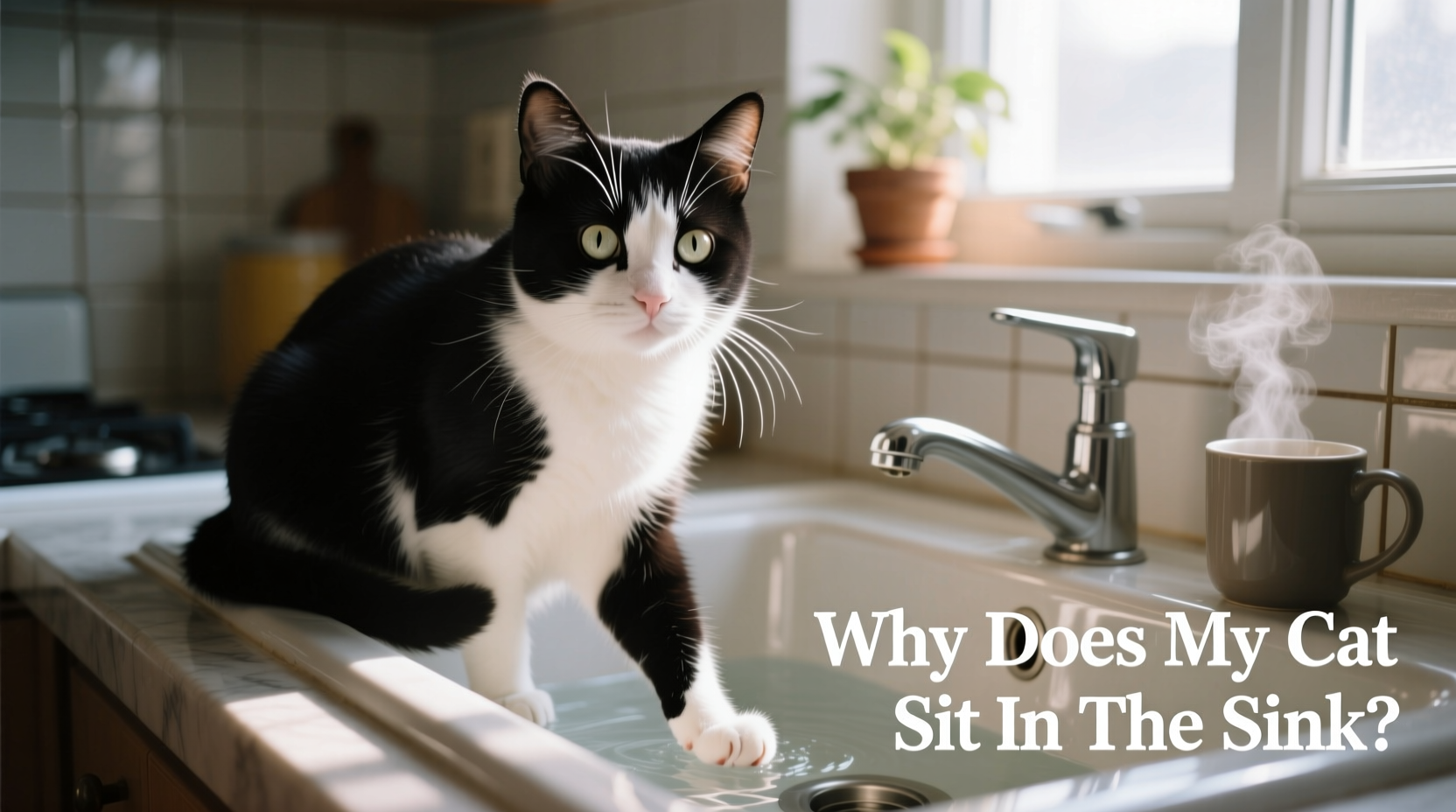
One of the most straightforward explanations for sink-sitting is temperature. Cats have a higher body temperature than humans—typically between 100.5°F and 102.5°F—and they’re naturally drawn to cool surfaces when they need to regulate their heat. Porcelain sinks retain cooler temperatures longer than carpet, furniture, or even tile floors, especially in air-conditioned homes or shaded bathrooms.
In warmer months, this behavior becomes even more pronounced. A cat may hop into the sink after sunbathing near a window, seeking relief from overheating. The smooth, non-porous surface conducts heat away from their body efficiently, offering a quick cooldown without the discomfort of dampness (unlike lying in water, which most cats avoid).
Curiosity and Sensory Stimulation
Cats are inherently curious creatures, and the sink presents a hub of sensory intrigue. Residual moisture, dripping faucets, and the reflective shine of metal fixtures all attract feline attention. Even an empty sink carries traces of scent—from toothpaste, soap, or previous water use—that pique a cat’s highly developed olfactory senses.
The sound of running water is particularly enticing. Unlike stagnant water bowls, faucets produce moving water, which cats perceive as fresher and safer to drink. This instinct dates back to their wild ancestors, who avoided still water sources that could harbor bacteria or parasites. Many sink-sitters are simply waiting for the chance to dip a paw into the stream or sneak a sip when you’re not looking.
This fascination isn’t just about hydration. The acoustics of a bathroom amplify small sounds—dripping taps, flushing toilets, echoes—which stimulate a cat’s auditory system. Combined with the visual clarity of mirrors and shiny surfaces, the bathroom becomes a multi-sensory playground.
Safety, Elevation, and Observation
From a behavioral standpoint, sinks offer strategic advantages. Positioned above floor level, they provide an elevated vantage point—a crucial feature for a species that values surveillance and security. In the wild, cats seek high ground to monitor for threats and opportunities. A sink, often located under a window or near a doorway, allows your cat to observe household activity while remaining tucked into a contained, semi-enclosed space.
The shape of the sink also contributes to its appeal. Its curved walls form a natural cradle, creating a den-like enclosure that mimics the snug hiding spots cats prefer in the wild. This sense of containment reduces anxiety and provides a feeling of safety, especially in busy households where floor-level spaces may feel exposed.
“Cats are both predators and prey animals. Elevated, enclosed spaces give them control over their environment, which is essential for emotional well-being.” — Dr. Lena Patel, Feline Behavior Specialist
Attention-Seeking and Routine Association
Some cats learn that the sink is a guaranteed way to get noticed. Bathrooms are high-traffic areas, and owners often spend extended time there brushing teeth, showering, or grooming. A cat sitting in the sink during these routines quickly learns that it leads to interaction—whether it’s a scratch behind the ears, a photo being taken, or verbal affection.
This behavior can become reinforced through positive association. If you consistently react with amusement or attention when your cat occupies the sink, it will repeat the action to elicit the same response. Over time, it may evolve into a daily ritual tied to specific activities, such as appearing every morning when you brush your teeth.
In multi-pet households, sink-sitting can also be a subtle form of resource control. By claiming a high-visibility location, a cat asserts presence and dominance without direct confrontation. It’s a passive-aggressive move wrapped in innocence—occupying space that others can’t easily access.
Hydration Habits and Water Preferences
Believe it or not, some cats sit in the sink specifically because they want access to fresh water. Even with clean bowls nearby, many cats prefer the taste and movement of tap water. The sink represents a source of flowing liquid, and by positioning themselves there, they’re staking a claim on the next opportunity to drink.
This behavior is especially common in homes where water bowls aren’t changed frequently or are placed near food (which cats instinctively avoid due to contamination concerns in the wild). A study published in the *Journal of Feline Medicine and Surgery* found that cats given access to flowing water sources increased their daily water intake by up to 30%, reducing risks of urinary tract issues.
Real-Life Example: Bella the Sink Sentinel
Tina, a cat owner from Portland, noticed her 3-year-old tabby, Bella, began spending increasing time in the bathroom sink. At first, she assumed it was curiosity. But when Bella started showing up every evening at 7:30 PM—exactly when Tina filled a glass of water—she realized there was a pattern.
After monitoring Bella’s behavior, Tina discovered that her cat wasn’t just sitting; she was watching the faucet. On several occasions, Bella reached out to bat at the handle, attempting to turn it on. Concerned about potential leaks, Tina purchased a stainless steel water fountain. Within days, Bella’s sink visits dropped from five times a day to once—usually just to nap, not to hunt for water.
This case illustrates how seemingly odd behaviors often have functional roots. Once the underlying need (access to fresh, moving water) was addressed, the problematic habit diminished naturally.
Do’s and Don’ts of Managing Sink-Sitting Behavior
| Do’s | Don’ts |
|---|---|
| Provide alternative cool surfaces (ceramic tiles, cooling mats) | Scold or punish your cat for sink-sitting |
| Install a cat water fountain to satisfy hydration instincts | Leave harsh cleaners or chemicals in the sink |
| Use positive reinforcement to encourage preferred resting spots | Block sink access abruptly without offering alternatives |
| Ensure your cat has multiple elevated observation points | Ignore signs of stress or obsessive behavior |
When Sink-Sitting Signals a Problem
While occasional sink lounging is normal, frequent or obsessive use may indicate underlying issues. Cats with kidney disease or diabetes may seek out water sources more often due to increased thirst. Similarly, anxiety or environmental stress can drive repetitive behaviors, including fixation on specific locations like the sink.
Watch for red flags such as:
- Drinking excessively from the sink
- Refusing to use litter box after sink visits
- Vocalizing persistently near the faucet
- Aggression when denied sink access
If these signs accompany sink-sitting, consult your veterinarian. Medical conditions like hyperthyroidism or cognitive dysfunction in older cats can manifest through changes in spatial preferences and routines.
Step-by-Step: Redirecting Sink-Sitting Behavior
If you’d prefer your cat spend less time in the sink, follow this humane approach to gently shift their habits:
- Assess the motivation: Is your cat seeking coolness, water, attention, or safety?
- Provide alternatives: Place a soft bed near a cool tile floor, add a water fountain, or install a window perch.
- Make the sink less appealing: Keep the drain stopper in or place a rolled towel in the basin (without blocking entirely, as this may increase curiosity).
- Reinforce new behaviors: Reward your cat with treats or affection when they use the new spot.
- Be consistent: It may take 2–3 weeks for a new routine to form.
Frequently Asked Questions
Is it safe for my cat to sit in the sink?
Generally, yes—as long as the sink is clean and free of toxic residues like bleach, detergent, or uncapped drain cleaner. Always rinse thoroughly after using cleaning products and avoid leaving standing water with added soaps or mouthwash.
Why does my cat meow in the sink?
Meowing in the sink often signals a desire for running water. Your cat may be requesting a drink or trying to initiate play with the faucet. Some cats also vocalize to get your attention when they’re in a high-traffic zone.
Can I train my cat to stop using the sink?
You can redirect, but not eliminate, the behavior through environmental enrichment. Rather than punishment, focus on making other areas equally or more appealing. Complete elimination isn’t always necessary unless it poses a health or safety risk.
Conclusion: Embracing the Quirks
Cats are complex animals whose behaviors often reflect a blend of survival instinct, sensory preference, and learned experience. The sink, far from being a random choice, offers a unique combination of comfort, stimulation, and strategic advantage. Instead of viewing this habit as strange, consider it a window into your cat’s inner world—one shaped by evolution, curiosity, and a finely tuned sense of environment.
By understanding the reasons behind sink-sitting, you can better meet your cat’s needs—whether that means adding a water fountain, creating cooler resting zones, or simply appreciating their love of high vantage points. These small adjustments foster a happier, healthier pet and deepen the mutual trust between you.




 浙公网安备
33010002000092号
浙公网安备
33010002000092号 浙B2-20120091-4
Comments
No comments yet. Why don't you start the discussion?