
If you’ve ever walked into your bathroom only to find your cat perched inside the empty sink—curled up like a loaf or peering at you with wide, unbothered eyes—you’re not alone. This peculiar behavior baffles many cat owners, but it’s more common than you might think. While cats are known for their independence and odd habits, sitting in sinks isn’t random mischief. It’s rooted in instinct, comfort, curiosity, and sometimes even health-related needs. Understanding why your cat chooses the porcelain bowl over the plush cat bed can deepen your bond and help you respond appropriately.
The Allure of Cool Surfaces
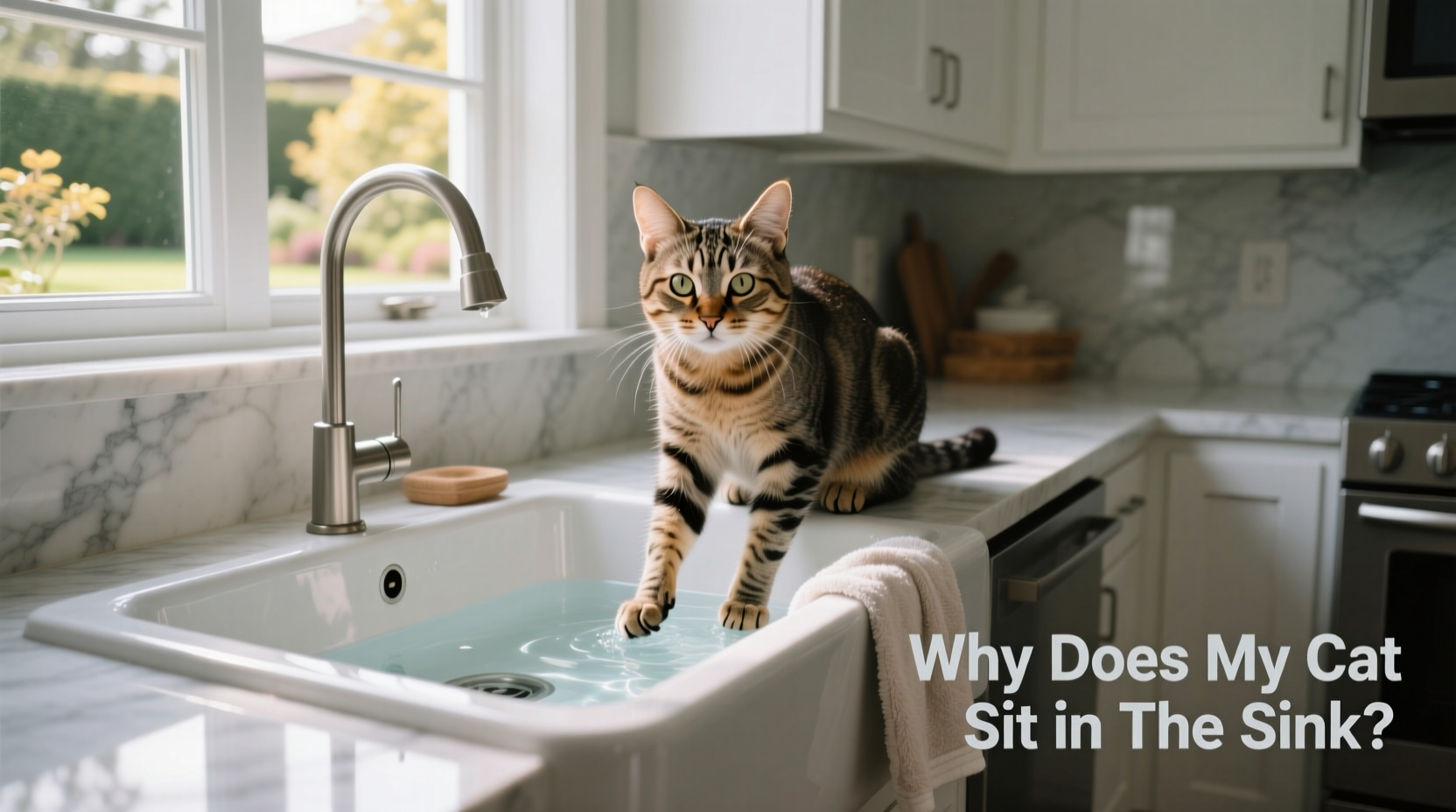
Cats naturally seek out cool spots when they feel warm. Their average body temperature ranges between 100.5°F and 102.5°F (38°C–39.2°C), which is higher than humans. As a result, they’re more sensitive to heat and often look for ways to regulate their body temperature.
Sinks, especially those made of porcelain or stainless steel, retain coolness longer than carpets, furniture, or hardwood floors. In warmer months or in homes without air conditioning, a sink offers a refreshing surface that helps cats thermoregulate. Even in cooler environments, metal fixtures conduct ambient cold from pipes beneath, making them consistently cooler than surrounding surfaces.
Curiosity and Elevated Vantage Points
Cats are natural observers. They thrive on monitoring their environment from secure, elevated positions. A sink—especially in a bathroom—often sits at just the right height to give a cat an unobstructed view of doorways, movements, and potential stimuli. This vantage point satisfies their instinctual need to survey territory while remaining safe from ground-level threats.
Bathrooms are also high-traffic zones with frequent activity: faucets turning on, toilets flushing, people entering and exiting. For a curious cat, the sink becomes a front-row seat to household life. The enclosed shape of the basin adds a sense of security, mimicking the den-like spaces cats favor in the wild.
The Role of Containment
Enclosed spaces provide psychological comfort. Whether it's a cardboard box or a bathroom sink, cats feel safer when partially surrounded. The curved walls of a sink offer gentle containment, reducing anxiety and creating a \"nesting\" effect. This is particularly true for cats that are shy, stressed, or adjusting to new environments.
“Cats don’t just seek warmth—they seek safety. A confined space like a sink gives them both physical comfort and emotional reassurance.” — Dr. Lena Patel, Feline Behavior Specialist
Attraction to Running Water
One of the most compelling reasons cats are drawn to sinks is water—specifically, the sound and movement of running water from the faucet. Many cats prefer drinking from flowing sources rather than stagnant bowls. This preference stems from evolutionary instincts: in the wild, moving water is typically fresher and safer from contamination.
Some cats will wait by the sink, paw at the tap, or even turn it on themselves in hopes of getting a drink. Others simply enjoy sitting nearby, anticipating access to fresh water. Over time, the sink becomes associated with hydration, making it a habitual hangout spot.
How to Encourage Safer Hydration Habits
While occasional sink visits are harmless, relying on the sink for water intake isn’t ideal. Tap water may contain chlorine or minerals, and unsupervised access increases the risk of slips or electrical hazards if appliances are nearby.
- Invest in a pet water fountain with a filter to mimic the appeal of running water.
- Place multiple water stations around the home, especially in quiet areas.
- Regularly clean and refill water bowls to maintain freshness.
Attention-Seeking Behavior
Cats are masters of manipulation—often using subtle behaviors to get what they want. If your cat has learned that sitting in the sink results in attention, laughter, or interaction, they’re likely to repeat it. This is especially common in households where owners spend significant time in the bathroom (e.g., during morning routines).
A cat may hop into the sink while you’re brushing your teeth, knowing full well it will prompt a reaction. Over time, this becomes a learned behavior reinforced by positive outcomes—pets, talking, or even treats.
Medical or Behavioral Red Flags
While sink-sitting is usually benign, sudden or obsessive behavior can signal underlying issues. Cats in pain, experiencing urinary tract infections, or suffering from kidney disease may show increased interest in bathrooms. The cool surface may soothe discomfort, and proximity to water supports increased hydration needs.
Similarly, stress, anxiety, or cognitive decline in older cats can lead to unusual hiding or perching behaviors. If your cat begins spending excessive time in the sink—especially if accompanied by vocalization, lethargy, or changes in litter box habits—it’s wise to consult a veterinarian.
| Behavior | Possible Cause | Action Step |
|---|---|---|
| Occasional sink naps | Comfort, temperature regulation | Monitor; no action needed |
| Frequent nighttime sink visits | Anxiety, seeking quiet space | Provide alternative safe zones |
| Lingering near dripping faucet | Dehydration, medical issue | Check water intake; vet visit recommended |
| Obsessive sink occupation | Stress, compulsive behavior | Environmental enrichment + vet consultation |
Mini Case Study: Bella the Bathroom Dweller
Bella, a 7-year-old domestic shorthair, began spending hours each day in her owner’s bathroom sink. At first, her owner found it amusing—until Bella started refusing to leave, even skipping meals. Concerned, the owner recorded Bella’s behavior and brought it to her vet. Blood tests revealed early-stage kidney disease, which explained Bella’s increased thirst and attraction to cool, damp areas. With treatment and a new water fountain placed near her favorite window perch, Bella gradually returned to normal routines. Her sink visits became rare and brief.
This case highlights how seemingly quirky habits can mask serious conditions. Early detection made all the difference.
How to Manage Sink-Sitting Safely
You don’t need to eliminate sink-sitting entirely—especially if your cat seems happy and healthy. However, setting boundaries ensures safety and prevents damage to plumbing or countertops.
- Provide Alternatives: Place a soft bed or padded mat near the sink or in a nearby sunny spot. Cats often choose sinks because they’re convenient; offering better options can shift preferences.
- Use Positive Reinforcement: Reward your cat for using designated resting areas with treats or affection.
- Limit Access When Necessary: Close the bathroom door when unsupervised, especially if your cat turns on faucets or risks injury.
- Keep Sinks Clean: Residual toothpaste, soap, or cleaning products can be toxic if ingested. Always rinse the basin after use.
- Install a Cat-Friendly Water Station: Replace the sink’s appeal with a dedicated drinking fountain in a quieter area.
Checklist: Is Your Cat’s Sink Habit Harmless?
- ✅ Visits are occasional and short-lived
- ✅ No signs of distress or discomfort
- ✅ Normal eating, drinking, and litter box habits
- ✅ No attempts to turn on faucets unsafely
- ✅ Responds to redirection without agitation
If most of these apply, your cat is likely just enjoying a quirky comfort zone. If not, further investigation is warranted.
FAQ
Is it dangerous for my cat to sit in the sink?
Generally, no—unless the sink contains cleaning chemicals, sharp objects, or hot water. The main risks are slips or exposure to toxins. Always rinse the sink after use and supervise if your cat is playful around faucets.
Why does my cat meow in the sink?
Meowing in the sink may indicate a desire for running water, attention, or discomfort. Some cats vocalize to prompt you to turn on the tap. If the behavior is new or intense, consider a vet check-up to rule out medical causes.
Can I train my cat to stop sitting in the sink?
You can discourage the habit through redirection, not punishment. Offer appealing alternatives and avoid yelling or startling your cat, which can increase anxiety. Consistency and patience yield the best results.
Conclusion: Embracing Quirks with Care
Cats sit in sinks for a blend of instinctual, environmental, and emotional reasons. From thermoregulation to curiosity to subtle cries for attention, this habit is rarely cause for alarm—but it’s always worth understanding. By observing patterns, providing enriching alternatives, and staying alert to changes, you can support your cat’s well-being while preserving your sanity.
Instead of shooing your feline guest from the porcelain throne, take a moment to appreciate the complexity behind the behavior. After all, these little quirks are part of what makes living with cats so endlessly fascinating.




 浙公网安备
33010002000092号
浙公网安备
33010002000092号 浙B2-20120091-4
Comments
No comments yet. Why don't you start the discussion?