
Cats are full of mysteries. One moment they’re curled up on your lap, and the next, you find them perched in the kitchen sink like a tiny, furry statue. It’s a common sight for cat owners—but why? The behavior might seem random or even comical, but there are real, instinct-driven reasons behind it. Understanding these habits not only satisfies curiosity but also helps strengthen the bond between you and your feline companion. From temperature regulation to territorial instincts, cats sit in sinks for a mix of practical, psychological, and evolutionary reasons.
The Allure of Cool Surfaces
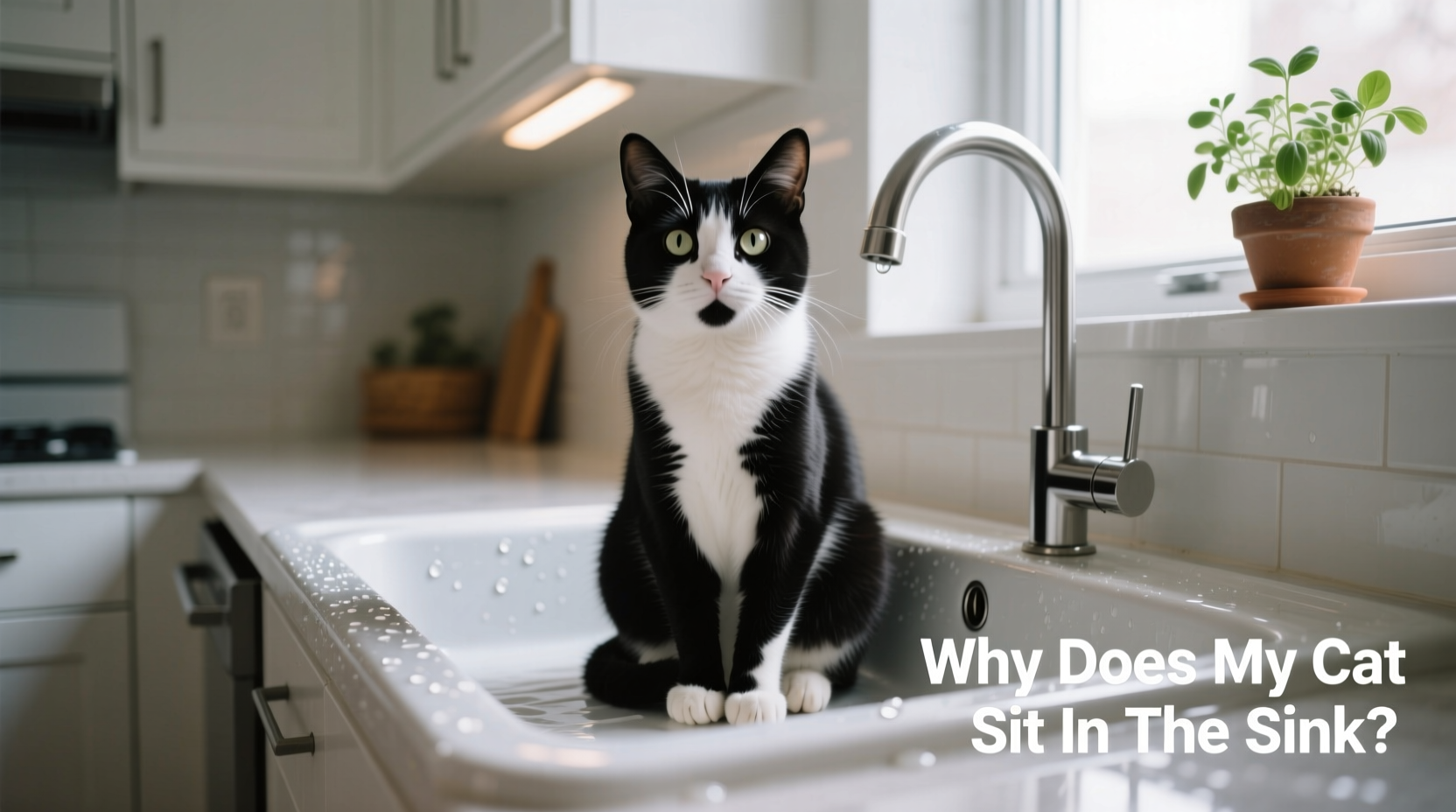
One of the most straightforward explanations is temperature. Sinks, especially those made of porcelain, stainless steel, or ceramic, naturally stay cooler than room temperature surfaces. Cats have a higher body temperature than humans—typically between 100.5°F and 102.5°F—and they are more sensitive to heat. When ambient temperatures rise, especially during summer months, cats actively seek out cool spots to regulate their body heat.
Sinks often sit against exterior walls or near plumbing, which can further enhance their cooling effect. Even when not running water, the metal or glazed surface retains less heat than carpets, furniture, or hardwood floors. This makes the sink an ideal spot for a midday chill session.
Water Fascination: A Feline Paradox
Despite the stereotype that cats hate water, many are deeply intrigued by it. The sound of dripping faucets, the shimmer of light on moving water, and even the scent of fresh tap water can captivate a cat’s attention. Sitting in the sink places them at eye level with the source of this stimulation—the faucet. Some cats even paw at the tap or wait for someone to turn it on so they can drink directly from the stream.
This behavior may stem from evolution. In the wild, moving water is safer to drink than stagnant pools, as it’s less likely to harbor bacteria or parasites. Domestic cats retain this preference, making running water more appealing than a still bowl. By sitting in the sink, they position themselves close to a reliable, clean water source.
“Cats are hardwired to prefer fresh, flowing water. Their attraction to sinks isn’t odd—it’s smart survival behavior repurposed in a modern home.” — Dr. Lena Patel, Feline Behavior Specialist
Safety and Elevation: The High Ground Instinct
Cats are natural climbers and observers. They feel safest when they can survey their environment from an elevated position. The sink, typically located beneath a window in kitchens or bathrooms, offers both height and visibility. From this vantage point, a cat can monitor household activity, watch birds outside, or simply enjoy a change of scenery.
Additionally, sinks are often enclosed on three sides, creating a semi-private nook. This partial enclosure mimics the den-like spaces cats seek in the wild—places where they can rest without feeling exposed. The smooth, easy-to-clean surface also reduces the presence of unfamiliar scents, which can be reassuring for sensitive felines.
Why Elevation Matters to Cats
- Predator awareness: Elevated positions help cats detect movement and potential threats.
- Thermoregulation: Higher areas may have better airflow, aiding in cooling.
- Ownership signaling: Prominent spots are often claimed as part of a cat’s territory.
- Comfort: Hard surfaces support joints better than soft ones for some older cats.
Curiosity and Novelty Seeking
Cats are inherently curious animals. Any change in their environment—a new object, a different smell, or even a freshly cleaned sink—can trigger investigative behavior. The sink, being an unusual resting place compared to beds or sofas, represents novelty. A cat sitting in it may simply be exploring, testing textures, or responding to residual scents from cleaning products.
Interestingly, cats use their paws and bodies to “claim” spaces through scent glands located in their cheeks, paws, and flanks. When a cat sits in the sink, they’re not just occupying space—they’re marking it. This subtle act reinforces their sense of ownership over the home’s key zones.
Mini Case Study: Bella the Sink-Lover
Bella, a 4-year-old domestic shorthair from Portland, Oregon, began spending increasing time in her owner’s bathroom sink. At first, her owner, Sarah, found it amusing. But when Bella started refusing to leave during morning routines, Sarah grew concerned. After consulting a veterinarian and observing Bella’s habits, she noticed a pattern: Bella only used the sink during hot afternoons and always positioned herself near the open window.
Sarah realized Bella was using the sink as a thermal refuge. The bathroom had tile flooring and cross-ventilation, making it significantly cooler than the rest of the house. By providing a cooling mat in a quiet corner nearby, Sarah gave Bella an alternative. Over time, sink visits decreased—but never disappeared entirely. As Sarah put it, “It’s her throne. She still likes to visit.”
Health and Behavioral Clues
While occasional sink-sitting is normal, frequent or obsessive use of the sink could signal underlying issues. For example:
- Dehydration: A cat repeatedly drinking from the sink may not be getting enough water elsewhere.
- Kidney concerns: Increased thirst and water-seeking behavior can indicate early kidney disease.
- Anxiety: Repetitive behaviors in confined spaces may reflect stress or environmental insecurity.
- Pain avoidance: Older cats with arthritis may prefer hard, stable surfaces over sinking into soft bedding.
If your cat suddenly increases sink usage—especially if accompanied by changes in appetite, litter box habits, or vocalization—it’s wise to consult a veterinarian. What seems like a quirky habit could be a subtle cry for help.
Do’s and Don’ts of Sink-Sitting Behavior
| Do’s | Don’ts |
|---|---|
| Provide fresh, clean water in multiple locations | Leave harsh cleaners in the sink where cats can access them |
| Offer cool alternatives like ceramic tiles or cooling mats | Scold or punish your cat for sitting in the sink |
| Observe patterns in timing, duration, and triggers | Ignore sudden changes in water consumption or resting habits |
| Use faucet covers if you want to discourage sink access | Assume all odd behaviors are harmless without context |
Step-by-Step: Managing Sink-Sitting Habits
If your cat’s sink obsession becomes inconvenient—or if you’re concerned about safety—follow this approach to gently redirect their behavior:
- Assess the Environment: Is the sink unusually cool, near a window, or close to a water source? Identify what makes it appealing.
- Provide Alternatives: Place a soft bed, cooling mat, or cat tree nearby with a similar vantage point.
- Encourage Water Intake Elsewhere: Use a cat water fountain to mimic the appeal of running water in a designated area.
- Limit Access (If Needed): Close bathroom doors or use motion-activated deterrents sparingly, ensuring your cat has other safe retreats.
- Monitor Health: Track any related behaviors like excessive drinking, vocalizing near faucets, or reluctance to jump.
- Reinforce Positive Choices: Reward your cat with treats or affection when they use preferred resting spots.
The goal isn’t to eliminate the behavior entirely but to ensure your cat has choices that meet their needs without disrupting household routines.
Frequently Asked Questions
Is it safe for my cat to sit in the sink?
Generally, yes—as long as the sink is clean and free of toxic residues from cleaning products. Avoid leaving bleach, ammonia, or strong disinfectants where your cat can come into contact with them. Rinse thoroughly after cleaning, and consider designating a sink-free zone if your cat is particularly vulnerable, such as kittens or seniors.
Why does my cat only sit in the sink when I’m using the bathroom?
This is often a social behavior. Your cat may associate the sink with your presence and see it as an opportunity for interaction. It could also be curiosity—you’re doing something unusual (brushing teeth, washing hands), and they want to investigate. Some cats even learn that sitting in the sink gets them attention, reinforcing the habit.
Can I stop my cat from sitting in the sink?
You can discourage it, but complete prevention may be unrealistic—and unnecessary. Instead of fighting the behavior, work with your cat’s instincts. Offer equally appealing alternatives. Remember, cats aren’t trying to annoy you; they’re responding to their environment in logical ways. Patience and redirection are more effective than punishment.
Understanding the Bigger Picture of Feline Behavior
Sink-sitting is just one example of how cats blend ancient instincts with modern living. Their behaviors are rarely random. Whether it’s kneading blankets, hiding in boxes, or staring at walls, each action serves a purpose rooted in survival, comfort, or communication. By observing closely and responding thoughtfully, owners can decode these signals and create a more enriching environment.
Cats thrive on predictability and sensory security. When they choose a sink over a plush cat bed, it’s not because they dislike comfort—it’s because the sink meets specific needs better in that moment. Recognizing this empowers owners to support their pets more effectively, turning quirks into insights.
Conclusion: Embrace the Quirks, Support the Needs
Your cat sitting in the sink isn’t weird—it’s wonderfully feline. It reflects a blend of instinct, intelligence, and individual personality. Rather than seeing it as a nuisance, consider it a window into your cat’s world. Are they seeking comfort? Staying cool? Claiming territory? Each reason tells a story.
By offering thoughtful alternatives, monitoring health cues, and respecting your cat’s natural tendencies, you create a home where both of you can coexist happily—even if that means sharing the sink now and then.




 浙公网安备
33010002000092号
浙公网安备
33010002000092号 浙B2-20120091-4
Comments
No comments yet. Why don't you start the discussion?