
Cats are known for their mysterious behaviors, and one of the most puzzling—yet endearing—is their tendency to sleep in seemingly impossible positions. From twisted pretzels curled into tight balls to limbs splayed in every direction, feline sleeping postures can range from comical to concerning. While many of these odd poses are completely normal, some may hint at underlying issues. Understanding the reasons behind your cat’s sleeping habits can help you distinguish between quirky quirks and potential red flags.
Sleep is vital for cats—they average 12 to 16 hours per day, with kittens and seniors often exceeding that. During this time, their bodies repair tissue, process information, and conserve energy. But unlike humans, who typically favor lying flat on their backs or sides, cats seem to defy gravity with their contorted naps. The truth is, much of this behavior stems from instinct, comfort, and body regulation. However, knowing when to intervene is just as important as appreciating their flexibility.
The Science Behind Cat Sleep Postures
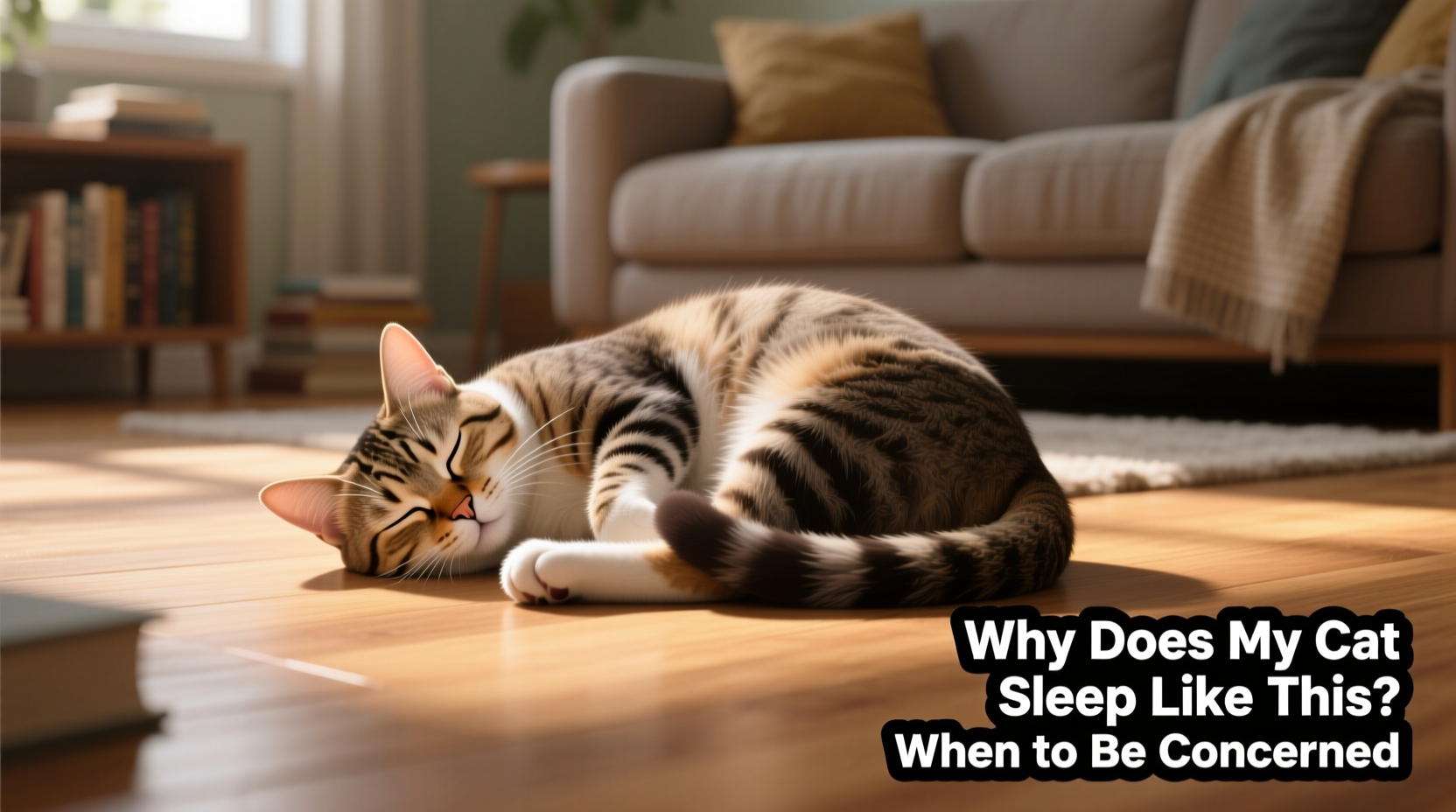
Cats are crepuscular animals, meaning they’re most active during dawn and dusk. The rest of the time, they conserve energy through extended periods of rest. Their ability to sleep in extreme positions comes down to anatomy. Feline spines are incredibly flexible due to a high number of vertebrae (up to 60 compared to 33 in humans) and loose-jointed ligaments. This allows them to twist, arch, and tuck into compact spaces effortlessly.
Additionally, cats regulate body temperature through their paws, ears, and exposed skin. A cat stretching out on a cool floor with legs in the air is likely trying to release heat. Conversely, curling into a tight ball helps retain warmth. These thermoregulatory instincts influence how and where they choose to sleep—and in what position.
“Cats are masters of micro-environment control. Their sleeping posture is often a direct response to temperature, safety, and muscle recovery.” — Dr. Lena Patel, Feline Behavior Specialist
Common Strange Sleeping Positions and What They Mean
Below is a breakdown of frequently observed sleeping positions and their likely explanations:
- The Pancake (Belly Up): When a cat lies flat on its back with legs sprawled outward, exposing its belly, it’s usually a sign of deep trust. Despite the vulnerability of this pose, it also helps dissipate body heat. Not all cats do this, but those who do feel safe in their environment.
- The Loaf (Paws Tucked In): Resembling a bread loaf, this position involves tucked paws and a coiled body. It allows quick mobilization if needed and conserves warmth. Common in cooler environments or during light naps.
- The Pretzel (Twisted Limbs): Limbs bent at odd angles, head under a leg, or tail wrapped around the face—this position maximizes comfort while minimizing space. It’s especially common in confined areas like boxes or cat beds.
- The Superman (Stretched Forward): Front legs extended, chest down, rear up. Often seen on cool surfaces, this helps cool the underbelly and indicates a relaxed but alert state.
- The Vertical Nap (Curled on Furniture Edge): Cats sometimes drape themselves over armrests or shelves, appearing as though they might fall. Their balance and reflexes prevent accidents, and this position may offer both security and airflow.
When Odd Sleeping Habits Signal a Problem
While flexibility is natural, certain changes in sleeping behavior warrant attention. Cats are experts at hiding pain, so shifts in posture or routine may be early indicators of discomfort or illness. Watch for these warning signs:
| Behavior | Possible Cause | Action |
|---|---|---|
| Sudden refusal to lie on one side | Pain from injury, arthritis, or infection | Veterinary exam recommended |
| Lying flat and panting frequently | Overheating, respiratory issue, or heart condition | Check for fever; consult vet if persistent |
| Inability to get comfortable—constant shifting | Digestive upset, urinary pain, or neurological issue | Monitor for vomiting, straining, or vocalizing |
| Excessive sleeping beyond 20 hours daily | Depression, chronic illness, or hypothyroidism | Rule out medical causes with blood work |
| Neck arched backward (opisthotonus) | Neurological disorder or toxin exposure | Seek emergency care immediately |
Age plays a role too. Senior cats may develop arthritis, making once-comfortable positions painful. You might notice them avoiding jumps or sleeping in more upright, less curled forms. Younger cats, especially kittens, tend to sleep in more exaggerated poses due to greater joint flexibility and rapid growth phases.
Mini Case Study: Bella the Senior Cat
Bella, a 14-year-old domestic shorthair, had always slept curled tightly in her favorite window perch. Over several weeks, her owner noticed she began sleeping stretched out on the cool tile floor instead, often with her neck extended and reluctance to jump onto furniture. Initially dismissed as aging, the change prompted a vet visit after Bella started vocalizing at night. X-rays revealed moderate spinal arthritis. With anti-inflammatory medication and a heated orthopedic bed, Bella gradually returned to more comfortable resting positions. Her case illustrates how subtle shifts in sleep posture can reveal pain long before overt limping occurs.
Environmental and Emotional Influences
A cat’s surroundings significantly impact how and where they sleep. Stress, changes in household dynamics, or new pets can lead to altered sleeping patterns. A cat feeling insecure may choose hidden or elevated spots, even if the position looks uncomfortable. Conversely, a confident, well-socialized cat will nap openly in social areas, often in vulnerable poses like the pancake.
Temperature also plays a major role. In summer, cats seek cool tiles, near vents, or shaded corners, often sprawling to maximize surface contact. In winter, they burrow under blankets or curl tightly to preserve heat. Providing multiple sleeping zones—warm, cool, enclosed, and open—allows cats to self-regulate based on their needs.
Step-by-Step Guide: Assessing Your Cat’s Sleep Health
- Observe Daily Patterns: Note when and where your cat sleeps, and for how long. Use a journal or app to track changes over time.
- Identify Position Changes: Pay attention to sudden shifts—like abandoning a favorite spot or refusing to lie down fully.
- Check Responsiveness: Gently call your cat’s name during sleep. They should stir or wake easily. Lethargy upon waking is concerning.
- Inspect for Physical Signs: Look for stiffness, limping, matted fur (from reduced grooming), or visible discomfort when rising.
- Consult Your Veterinarian: If changes persist beyond a few days or are accompanied by other symptoms (loss of appetite, vocalizing, aggression), schedule an exam.
Frequently Asked Questions
Is it normal for my cat to sleep with its tongue out?
Yes, especially in deep REM sleep or if the cat is relaxed in a warm environment. Brachycephalic breeds (like Persians) are more prone to this due to shorter muzzles. However, if drooling is excessive or accompanied by bad breath, dental disease could be the cause.
Why does my cat sleep in the litter box?
This is not normal and should be addressed immediately. Possible causes include urinary tract infections, stress, or feeling unsafe elsewhere. Rule out medical issues first, then assess environmental stressors like multi-cat conflicts or recent changes.
Can sleeping positions indicate personality?
Indirectly, yes. Cats that frequently sleep in exposed positions (on their backs, in open rooms) tend to be more trusting and sociable. Those who prefer tucked or hidden naps may be more cautious or independent. However, individual variation exists—observe your cat’s baseline to detect deviations.
Checklist: When to Worry About Your Cat’s Sleeping Habits
- ✅ Sudden change in preferred sleeping spot or posture
- ✅ Visible pain when lying down or getting up
- ✅ Labored breathing, wheezing, or open-mouth breathing during rest
- ✅ Excessive lethargy lasting more than 24–48 hours
- ✅ Inability to find a comfortable position—constant shifting
- ✅ Sleeping in inappropriate places (litter box, bathtub, behind appliances)
- ✅ Loss of appetite, weight loss, or grooming neglect alongside sleep changes
Conclusion: Trust Your Instincts
Your cat’s sleeping positions are usually nothing more than expressions of comfort, instinct, and flexibility. Twisted limbs, upside-down naps, and gravity-defying lounges are part of their charm. But because cats mask illness so effectively, subtle shifts in sleep behavior can be among the first clues that something is wrong. By learning your cat’s normal patterns, you become better equipped to spot abnormalities early.
Regular observation, a safe and adaptable environment, and proactive veterinary care form the foundation of feline well-being. Don’t dismiss changes as “just getting older” without investigation. Most importantly, trust your instincts—if something feels off, it’s worth a conversation with your vet.




 浙公网安备
33010002000092号
浙公网安备
33010002000092号 浙B2-20120091-4
Comments
No comments yet. Why don't you start the discussion?