
Cats are creatures of habit, known for their fastidious grooming and preference for clean, quiet spaces. So when a feline chooses to nap in the litter box—a place most humans wouldn’t even step barefoot—it can come as a jarring surprise. While occasional lounging near the litter box may not raise red flags, consistently sleeping inside it is unusual behavior that warrants attention. This article explores the underlying reasons behind this behavior, from medical concerns to emotional stressors, and outlines when intervention is necessary.
Understanding Normal vs. Abnormal Cat Behavior
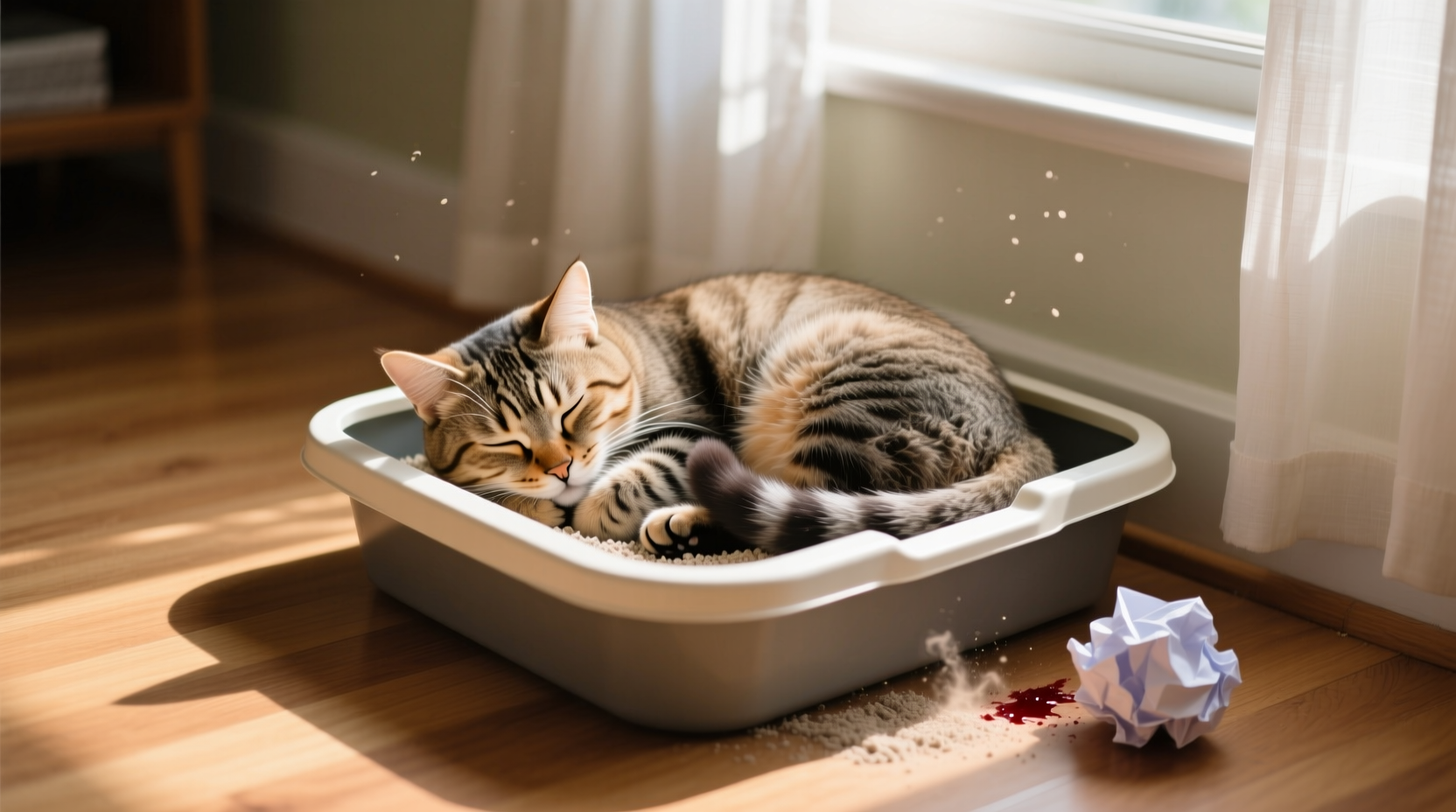
Cats often seek out secluded, warm, and secure spots to rest. A litter box, typically located in a quiet corner of the house, may unintentionally meet these criteria—especially if it’s placed in a low-traffic area with soft flooring nearby. However, the litter box is designed for elimination, not relaxation. When a cat begins using it as a bed, it signals that something has shifted in their physical comfort, emotional state, or environment.
Normal behaviors include:
- Sniffing or pawing at the litter after use
- Sitting near the box briefly after elimination
- Occasionally lying beside the box if it's in a warm spot
Abnormal signs include:
- Spending extended periods (more than 10–15 minutes) inside the box without eliminating
- Falling asleep in soiled or clean litter
- Showing reluctance to leave the box
- Avoiding other sleeping areas entirely
These patterns suggest discomfort or distress, whether physical or psychological.
Medical Causes Behind Litter Box Sleeping
One of the most urgent reasons a cat may sleep in the litter box is an underlying health issue. The proximity to the litter allows immediate access for frequent urination or defecation, which is common with several painful or uncomfortable conditions.
Urinary Tract Infections and Bladder Issues
Cats suffering from urinary tract infections (UTIs), bladder stones, or feline lower urinary tract disease (FLUTD) often feel urgency and discomfort. They may linger in the litter box due to incomplete voiding or the sensation of needing to go again soon. Male cats are especially vulnerable to life-threatening blockages.
“Any cat showing prolonged litter box residency should be evaluated for urinary obstruction immediately. Delay can be fatal.” — Dr. Lena Torres, DVM, Feline Internal Medicine Specialist
Gastrointestinal Distress
Diarrhea, constipation, or inflammatory bowel disease (IBD) can cause a cat to stay close to the litter box. If they’re experiencing cramping or unpredictable bowel movements, they won’t want to stray far from a safe elimination zone.
Arthritis and Mobility Issues
Older cats with joint pain may find it difficult to climb into elevated beds or jump onto furniture. If the litter box is one of the few accessible soft-surface areas at ground level, they may resort to sleeping there for convenience—even if it’s not ideal.
Pain or Post-Surgical Recovery
Cats recovering from surgery or dealing with chronic pain often seek confined, easily defensible spaces. The sides of a litter box can provide a sense of security, and the litter itself may feel soothing on sore joints.
Behavioral and Emotional Factors
Not all causes are medical. Cats are highly sensitive to changes in their environment and social dynamics. Stress can manifest in unexpected ways, including altered sleeping habits.
Stress and Anxiety
New pets, moving homes, loud noises, or household conflicts can overwhelm a cat. The litter box, while unsanitary for sleeping, may represent a familiar scent-marked territory. For anxious cats, it becomes a “safe base” amid uncertainty.
Overcrowding or Competition
In multi-cat households, dominant cats may guard preferred resting spots. Submissive or fearful cats may retreat to less contested areas—even if that means curling up in a litter-filled container. Similarly, competition for litter boxes themselves can lead to guarding behavior or avoidance of certain zones.
Maternal Instincts in Nursing Queens
Female cats who have recently given birth may sleep in or near the litter box if they perceive it as part of their nesting territory—especially in homes where dedicated birthing spaces aren't provided. This is more common in feral or inexperienced mothers.
Lack of Suitable Alternatives
If bedding is too hard, drafty, or exposed, cats may reject it. Some cats prefer the warmth retained by litter (especially clay-based types), or the enclosed feeling of a covered litter box mimics a den-like shelter.
When to Be Concerned: Red Flags
While a single incident might not indicate a serious problem, repeated or prolonged litter box sleeping requires prompt action. Below is a checklist to help determine whether veterinary care is needed.
Checklist: When to Seek Veterinary Help
- Straining to urinate or defecate while in the box
- Blood in urine or stool
- Vocalizing in pain during elimination
- Drooling, lethargy, or loss of appetite
- Visible swelling or tenderness in the abdomen
- Not eating or drinking for over 24 hours
- Male cat unable to pass urine (emergency)
The presence of any of these symptoms demands immediate veterinary evaluation. Urinary blockage, in particular, can become fatal within 48 hours.
Timeline for Intervention
- Day 1: Observe behavior closely. Record elimination patterns and general activity.
- Day 2: Check for signs of illness. Feel gently for abdominal distension. Offer fresh water and favorite foods.
- Day 3: If behavior persists or worsens, contact your veterinarian. Share your observations.
- Within 24 hours: Seek emergency care if your cat shows signs of urinary obstruction (especially males).
Real-Life Example: Bella’s Story
Bella, a 7-year-old domestic shorthair, began sleeping in her litter box after her family adopted a second cat. Initially dismissed as temporary adjustment stress, her owners noticed she was making frequent trips to the box but producing little urine. She also stopped grooming herself and hid more often.
After two days of worsening symptoms, Bella was taken to the vet. Tests revealed cystitis (bladder inflammation) exacerbated by environmental stress. Her condition improved significantly with anti-inflammatory medication, increased water intake via a fountain, and the addition of pheromone diffusers in the home. Within a week, she returned to using her cozy window perch instead of the litter box.
This case illustrates how medical and emotional factors can intertwine. Early recognition prevented further complications.
Do’s and Don’ts: Managing the Behavior
| Do | Don’t |
|---|---|
| Provide multiple litter boxes (one per cat + one extra) | Yell at or punish your cat for sleeping in the box |
| Place comfortable beds in quiet, warm locations | Move the litter box abruptly or change litter type suddenly |
| Keep litter boxes impeccably clean | Assume the behavior is “just quirky” without investigation |
| Encourage hydration with wet food or fountains | Use scented litter or harsh cleaners near the box |
| Consult your vet promptly if behavior persists | Delay veterinary visits hoping it will resolve on its own |
Preventive Measures and Long-Term Solutions
Addressing litter box sleeping isn’t just about removing the behavior—it’s about understanding and resolving its root cause. Here are effective strategies:
Optimize Litter Box Setup
- Ensure boxes are large enough (1.5x the cat’s length)
- Use unscented, clumping litter preferred by most cats
- Clean daily and replace litter completely weekly
- Place boxes in accessible, low-stress locations
Enrich the Environment
Cats thrive in environments with vertical space, hiding spots, and routine. Add shelves, tunnels, and scratching posts to reduce anxiety. Rotate toys regularly to prevent boredom.
Use Calming Aids
Pheromone diffusers like Feliway mimic natural facial hormones cats use to mark safe spaces. These can reduce stress-related behaviors over time.
Monitor Multi-Cat Dynamics
Ensure all cats have equal access to resources: food, water, litter, and resting areas. Separate feeding stations and litter zones can minimize conflict.
FAQ: Common Questions About Cats Sleeping in Litter Boxes
Is it normal for kittens to sleep in the litter box?
Occasionally, yes—especially very young kittens still learning boundaries. However, consistent sleeping in the box should be monitored. It could indicate illness, coldness, or inadequate nesting. Ensure they have warm bedding and are gaining weight appropriately.
Can old age cause this behavior?
Yes. Senior cats may sleep in the litter box due to arthritis, cognitive decline, or weakened bladder control. They may stay close to avoid accidents. Provide orthopedic beds nearby and consider lowering box walls for easier access.
Will changing the litter stop the behavior?
Changing litter may help if the current type is uncomfortable, but it won’t fix medical or emotional causes. Sudden changes can increase stress. Transition gradually over 7–10 days by mixing new and old litter.
Conclusion: Listen to What Your Cat Is Telling You
Your cat doesn’t choose to sleep in the litter box because they enjoy the smell or texture. They do it because they feel compelled to—either by pain, fear, or necessity. This behavior is a form of communication, often signaling that something is wrong. Ignoring it risks missing a treatable illness or allowing chronic stress to escalate.
Taking swift, compassionate action—observing carefully, consulting a veterinarian, and improving your cat’s environment—can restore their comfort and well-being. By responding with empathy and knowledge, you strengthen the bond between you and your pet.




 浙公网安备
33010002000092号
浙公网安备
33010002000092号 浙B2-20120091-4
Comments
No comments yet. Why don't you start the discussion?