
Cats are enigmatic creatures, and their sleeping habits often leave owners puzzled—curled into tight doughnuts, sprawled like starfish, or tucked under furniture with only a paw visible. While these poses may seem bizarre to human eyes, they’re rarely random. Each position reflects a complex interplay of instinct, thermoregulation, safety, and physical comfort. Understanding the logic behind your cat’s sleeping postures offers insight into their emotional state, health, and natural behaviors inherited from wild ancestors.
Domestic cats spend an average of 12 to 16 hours a day sleeping, sometimes more depending on age and activity level. This extensive downtime isn’t laziness—it’s a biological necessity rooted in their predatory heritage. As crepuscular hunters (most active at dawn and dusk), cats conserve energy through long rest periods. Their sleep positions aren’t just about rest; they’re strategic choices shaped by environment, trust, and physiology.
The Science Behind Feline Sleep Postures
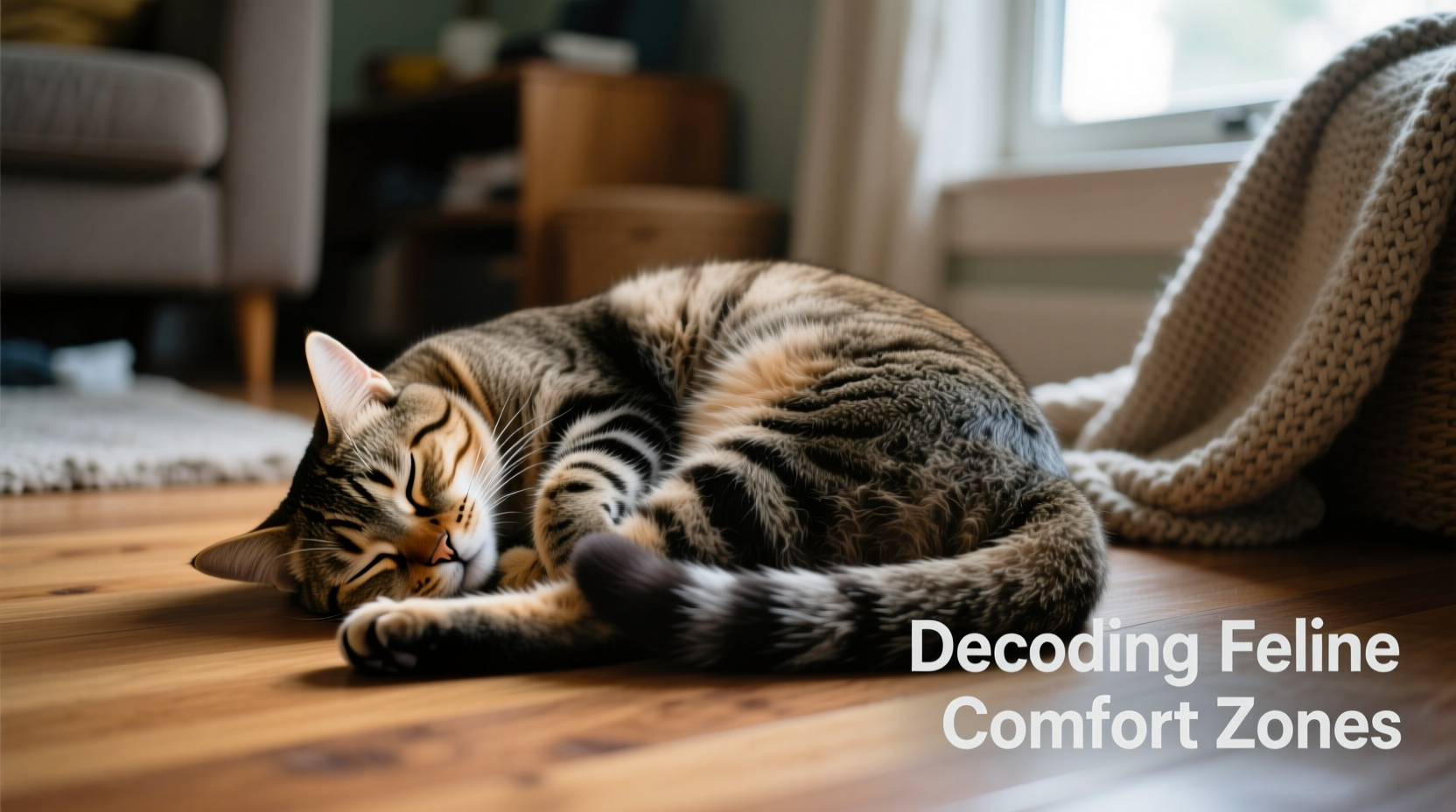
Cat sleep is divided into two primary stages: light dozing and deep REM (rapid eye movement) sleep. During light sleep, which accounts for about three-quarters of their rest time, cats remain semi-alert. Their ears twitch at sounds, muscles stay tensed, and they can spring up instantly—a survival mechanism from their days as both predator and prey.
In contrast, deep REM sleep is when cats experience dreams, muscle relaxation, and full vulnerability. This stage typically lasts 5–10 minutes at a time and occurs more frequently when the cat feels secure. It’s during these moments that you’ll observe the most unusual positions—legs splayed, belly exposed, head tilted back—because the body has fully let down its guard.
“Sleep posture is one of the clearest indicators of a cat’s sense of security. A cat that exposes its abdomen is signaling profound trust.” — Dr. Lena Patel, Veterinary Ethologist
The variety of positions cats adopt serves multiple functions: regulating body temperature, minimizing exposure to threats, and relieving joint pressure. Unlike humans, who tend to standardize sleep positions, cats rotate through several based on immediate needs. For instance, a tightly curled ball conserves heat, while a stretched-out loaf maximizes surface area for cooling.
Common Weird Cat Sleeping Positions and What They Mean
Below is a breakdown of frequently observed—and seemingly odd—sleeping postures, along with their likely explanations:
- The Loaf: Paws tucked neatly beneath the body, tail wrapped around. This compact form minimizes heat loss and keeps vital organs protected. Common in cooler environments or among cats still building trust.
- The Starfish: Limbs splayed outward, belly exposed. Indicates deep relaxation and confidence in the environment. Often seen in warm rooms where cooling is necessary.
- The Pancake: Entire body flattened against the floor or furniture. Maximizes contact with cool surfaces, ideal for temperature regulation. Also suggests comfort and lack of perceived threat.
- The Superman: Stretched forward with front legs extended, chest down, rear end slightly raised. Allows quick takeoff if needed—common in younger, energetic cats. Balances rest with readiness.
- Under or Inside Unusual Spaces: Sleeping inside boxes, under beds, or behind curtains. Offers enclosed, den-like security. Mimics the hidden nests wild cats seek for protection.
- Head Tilted Back or Chin Up: Neck extended, mouth slightly open. May indicate very deep sleep or, occasionally, respiratory discomfort if frequent or labored.
Feline Comfort Zones: Environment, Trust, and Territory
A cat’s choice of sleeping location is just as telling as their posture. Cats are highly territorial, and their preferred napping zones reflect both physical comfort and psychological safety. Elevated spots—like bookshelves or the top of a cat tree—offer vantage points for monitoring surroundings, satisfying their instinct to survey potential threats.
Proximity to humans also matters. A cat that sleeps near your pillow, on your lap, or beside your feet is demonstrating strong social bonding. Conversely, a cat that retreats to isolated corners may be stressed, unwell, or still acclimating to the household.
| Sleep Location | Implied Meaning | What It Suggests About Comfort |
|---|---|---|
| On your bed or clothing | Bonding, scent marking, warmth | High trust and emotional attachment |
| Inside cardboard boxes | Security, insulation | Need for enclosed, low-stimulus space |
| High shelves or cabinets | Vigilance, territory control | Desire for observation and safety |
| Behind furniture or under beds | Withdrawal, overstimulation | Possible stress or illness if sudden |
| Near heat sources (radiators, sunbeams) | Thermoregulation | Normal behavior unless excessive |
The ideal feline comfort zone combines warmth, quiet, visibility, and escape routes. Unlike dogs, cats rarely surrender to deep sleep in chaotic or unpredictable areas. Even in loving homes, they may rotate between several “safe” zones depending on noise levels, foot traffic, and household dynamics.
Mini Case Study: Bella the Rescue Cat
Bella, a 3-year-old domestic shorthair adopted from a shelter, initially slept only inside a covered laundry basket, her body curled tightly with her face pressed into the fabric. Her owner noticed she never exposed her belly and would wake at minor noises. Over six weeks, as Bella grew more comfortable, she began sleeping in the “loaf” position on the living room sofa. By month three, she was regularly sprawled in the “starfish” pose beside her owner’s side of the bed.
This progression mirrored her increasing sense of safety. The shift from concealed, defensive postures to open, vulnerable ones signaled successful integration into the home. Her story illustrates how sleep behavior can serve as a real-time barometer of emotional well-being.
When Weird Sleep Positions Signal Health Concerns
While most unusual sleeping postures are normal, some changes warrant attention. Cats are masters at hiding pain, and altered sleep habits can be early red flags. Be alert to the following:
- Sudden avoidance of elevated surfaces (may indicate arthritis)
- Excessive sleeping beyond normal ranges (could signal illness or depression)
- Labored breathing while asleep (possible respiratory or cardiac issue)
- Twitching, vocalizing, or apparent seizures during sleep (requires veterinary evaluation)
- Refusal to lie on one side (potential injury or abdominal discomfort)
Older cats, in particular, may adopt stiffer, less flexible positions due to joint degeneration. Providing orthopedic beds, heated pads, and easy-access resting spots can improve comfort and mobility.
Step-by-Step Guide: Creating an Ideal Feline Sleep Environment
To support healthy, restful sleep, follow this five-step approach:
- Provide Multiple Sleep Options: Offer a variety of beds—enclosed, open, heated, elevated—to match different moods and needs.
- Control Temperature: Maintain room temperatures between 68°F and 75°F (20°C–24°C). Use heated mats in winter and cooling tiles in summer.
- Minimize Disturbances: Choose quiet areas away from loud appliances or high foot traffic. Respect your cat’s need for undisturbed rest.
- Encourage Security: Place beds near windows (for stimulation) or near family activity zones (for bonding), but ensure escape routes exist.
- Rotate and Clean: Wash bedding weekly and rotate locations periodically to prevent boredom and maintain hygiene.
Expert Insights on Feline Sleep Behavior
Dr. Elena Torres, a feline behavior specialist at the American Association of Feline Practitioners, emphasizes that sleep posture analysis should be part of routine wellness checks.
“Owners often dismiss quirky sleeping habits as quirks. But when combined with other behavioral cues—appetite, grooming, litter box use—they form a critical diagnostic puzzle.” — Dr. Elena Torres, DVM, CAAB
She notes that cats in multi-pet households may alter their sleep patterns based on social hierarchy. A subordinate cat might avoid central sleeping areas even if physically accessible, opting instead for marginal spaces to avoid conflict.
Frequently Asked Questions
Why does my cat sleep with its legs in the air?
This “cat loaf with legs up” or partial starfish position helps dissipate heat through the less-furred inner legs and belly. It also indicates deep relaxation, as the cat feels safe enough to expose vulnerable areas.
Is it bad if my cat sleeps in tight spaces like closets or drawers?
Not necessarily. Many cats prefer confined spaces for the sense of security and warmth they provide. However, if access becomes dangerous (e.g., heavy drawers, lack of oxygen), modifications should be made. Always ensure your cat can enter and exit freely.
How many hours of sleep is normal for a cat?
Adult cats typically sleep 12–16 hours daily. Kittens and seniors may sleep up to 20 hours. As long as your cat is active and alert when awake, extended sleep is normal. Concern arises only if lethargy persists during waking hours.
Final Checklist: Is Your Cat’s Sleep Healthy?
Use this checklist to assess your cat’s sleeping habits:
- ✅ Sleeps in varied positions depending on temperature and mood
- ✅ Chooses safe, clean, and accessible locations
- ✅ Alternates between light dozing and deep sleep
- ✅ Responds normally when gently awakened
- ✅ No sudden changes in duration or location preferences
- ✅ Maintains regular appetite and grooming habits
Conclusion: Embracing the Quirks of Feline Rest
Your cat’s strange sleeping positions aren’t just whimsical quirks—they’re meaningful expressions of biology, emotion, and instinct. From the protective curl to the fearless sprawl, each posture tells a story of comfort, trust, and adaptation. By paying attention to these silent signals, you deepen your understanding of your cat’s inner world and strengthen the bond you share.
Instead of questioning why your cat sleeps like a pretzel or buries itself under blankets, celebrate it as a sign of well-being. With the right environment and attentive care, those weird positions will continue to be a source of amusement, insight, and connection. Observe, learn, and appreciate the quiet wisdom in every nap.




 浙公网安备
33010002000092号
浙公网安备
33010002000092号 浙B2-20120091-4
Comments
No comments yet. Why don't you start the discussion?