
Cats are enigmatic creatures. Their behaviors often leave owners puzzled—especially when they fixate on something seemingly invisible, like a blank wall. If you've ever caught your cat sitting motionless, eyes locked on a patch of paint or an empty corner, you're not alone. While occasional staring may be harmless, persistent or intense focus can signal anything from natural curiosity to underlying health concerns. Understanding why cats engage in this behavior requires insight into their instincts, sensory perception, and potential medical conditions.
This article explores the most common reasons behind wall-staring in cats, separates myth from fact, and provides practical guidance for pet owners who want to ensure their feline companion is healthy and mentally stimulated.
Instinctual Behavior: The Predator's Gaze
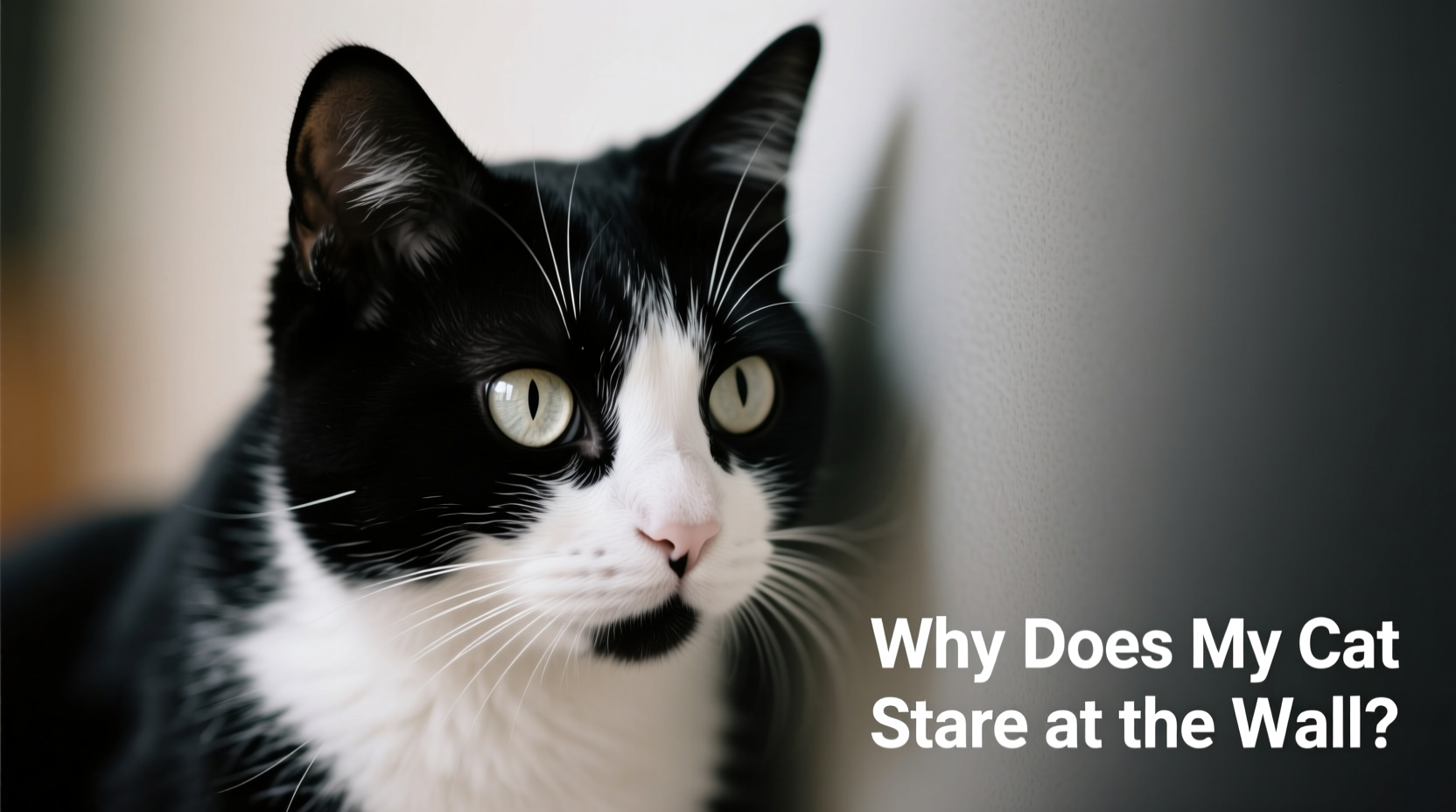
Cats are hardwired predators. Even domesticated cats retain the hunting instincts of their wild ancestors. One key trait of successful hunters is acute visual focus. A cat may stare at a wall because it detects subtle movement—such as a shadow, dust particle, or insect—that escapes human notice.
Their eyes are specially adapted for detecting motion in low light. The high concentration of rod cells in their retinas allows them to see even the tiniest shifts in light and shadow. What appears to be a blank wall to us might appear dynamic to a cat, especially under changing lighting conditions like sunlight filtering through blinds or flickering artificial light.
In some cases, a cat may also be reacting to sounds beyond our hearing range. High-frequency noises—like electrical buzzing from appliances or wiring within walls—can attract a cat’s attention. They may associate the sound with prey (such as rodents) and respond by staring intently, ready to pounce.
Medical Causes: When Staring Signals a Problem
While many instances of wall-staring are benign, prolonged or repetitive fixation can indicate neurological or sensory issues. Conditions such as feline cognitive dysfunction (FCD), seizures, hypertension, or vision problems may manifest in unusual gaze patterns.
Feline Cognitive Dysfunction, similar to dementia in humans, affects older cats and can lead to disorientation, confusion, and vacant staring. Affected cats may wander aimlessly, forget litter box locations, or vocalize at night. Staring at walls becomes part of a broader pattern of altered behavior.
Seizures, particularly partial (focal) seizures, can cause a cat to freeze and stare without awareness. These episodes may last seconds to minutes and are often followed by confusion or disorientation. Unlike predatory focus, seizure-related staring lacks responsiveness—the cat won’t react to its name or touch.
Hypertension (high blood pressure) is another concern, especially in senior cats or those with kidney disease or hyperthyroidism. It can lead to retinal detachment or brain changes that affect vision and behavior. Sudden onset of wall-gazing in an older cat should prompt a veterinary checkup.
“Cats don’t typically stare without reason. When the behavior is new, frequent, or accompanied by other odd signs, it’s worth ruling out medical causes.” — Dr. Lena Reyes, DVM, Feline Neurology Specialist
Environmental Triggers and Sensory Perception
A cat’s environment plays a significant role in shaping its behavior. Subtle stimuli—many imperceptible to humans—can capture a cat’s attention. Consider the following possibilities:
- Ultrasonic sounds: Devices like timers, refrigerators, or fluorescent lights emit high-pitched noises that cats can hear but humans cannot.
- Visual artifacts: Reflections from windows, light fixtures, or moving curtains can create illusions of motion on walls.
- Odors: Mice, insects, or mold inside walls may release scents detectable to a cat’s superior olfactory system.
- Electromagnetic fields: Some researchers speculate that animals may sense electromagnetic changes, though this remains unproven in cats.
To assess whether environmental factors are involved, conduct a room audit:
- Turn off all electronics and observe if the behavior stops.
- Change lighting conditions (e.g., switch from LED to incandescent).
- Check for drafts or air vents that might carry odors.
- Note if the behavior occurs more frequently in certain rooms or times of day.
Mini Case Study: Bella, the Wall-Watcher
Bella, a 7-year-old tabby, began staring at the living room wall every evening. Her owner, Maria, initially dismissed it as quirky behavior. But when Bella started meowing aggressively at the wall and losing interest in food, Maria became concerned.
After a vet visit, blood tests revealed Bella had early-stage hyperthyroidism, causing hypertension and mild disorientation. Treatment with medication stabilized her condition, and the wall-staring ceased within two weeks. The case highlights how a seemingly odd behavior can be an early warning sign of illness.
Behavioral and Psychological Factors
Not all wall-staring is linked to physical causes. Boredom, anxiety, or compulsive disorders can also drive repetitive behaviors in cats. Indoor cats with limited stimulation are particularly vulnerable.
Compulsive behaviors in cats—like excessive grooming, tail-chasing, or fixed gazing—often begin as displacement activities during stress and become habitual. For example, a cat stressed by household changes (a new pet, move, or loud noises) may develop a ritualistic focus on a wall as a coping mechanism.
Lack of enrichment exacerbates the issue. Cats need mental engagement: hunting simulations, puzzle feeders, vertical spaces, and interactive play. Without these, they may invent their own stimuli—even if it means watching imaginary movements on a wall.
| Behavior Type | Likely Cause | Action Step |
|---|---|---|
| Occasional, brief staring | Natural curiosity or detected motion | Monitor; no action needed |
| Repetitive, trance-like gazing | Possible seizures or neurological issue | Veterinary neurologic exam |
| Staring with vocalization or agitation | Pain, hypertension, or anxiety | Blood pressure and blood work |
| Staring combined with pacing | Cognitive decline or compulsive disorder | Behavioral assessment + enrichment plan |
When to Worry: Red Flags to Watch For
Most cats will occasionally stare into space—it’s part of being a vigilant animal. However, certain signs warrant professional evaluation:
- Duration: Episodes lasting longer than a few minutes.
- Frequency: Multiple occurrences per day over several days.
- Unresponsiveness: Cat doesn’t react to voice or touch during the episode.
- Accompanying symptoms: Twitching, drooling, falling over, or disorientation afterward.
- Behavioral changes: Increased aggression, sleep disturbances, or litter box avoidance.
If any red flags are present, schedule a veterinary appointment. The vet may recommend blood tests, blood pressure measurement, neurological screening, or referral to a veterinary behaviorist.
Step-by-Step: What to Do If Your Cat Stares at Walls
- Observe carefully: Note duration, frequency, time of day, and body language.
- Eliminate environmental triggers: Turn off electronics, close blinds, remove noisy devices.
- Assess overall health: Check appetite, litter box use, activity level, and interaction.
- Enhance environmental enrichment: Add toys, climbing shelves, window perches, and scheduled play sessions.
- Consult your veterinarian: Especially if the behavior is new, worsening, or associated with other symptoms.
Prevention Through Enrichment and Routine
Proactive care reduces the likelihood of abnormal behaviors. A mentally and physically engaged cat is less likely to develop fixation habits. Key strategies include:
- Daily interactive play: Use wand toys to simulate hunting for 10–15 minutes twice a day.
- Puzzle feeders: Turn mealtime into a cognitive challenge.
- Safe outdoor access: Consider a catio or leash training for supervised outdoor time.
- Consistent routine: Cats thrive on predictability in feeding, play, and rest times.
- Social interaction: Spend quality time petting, grooming, or simply sitting near your cat.
For multi-cat households, ensure each cat has its own resources (food bowls, litter boxes, resting spots) to reduce competition and stress.
FAQ: Common Questions About Cat Wall-Staring
Is it normal for cats to stare at walls?
Occasional staring is normal, especially if the cat appears alert and responsive. It may be reacting to unseen stimuli. However, frequent or unresponsive staring is not typical and should be evaluated.
Can cats see ghosts or spirits?
There’s no scientific evidence that cats perceive supernatural entities. What may seem like “seeing ghosts” is more likely explained by their heightened senses detecting subtle sights, sounds, or smells we can’t perceive.
Should I stop my cat from staring at the wall?
Interrupting brief episodes isn’t necessary. However, if the behavior is obsessive or disruptive, redirect your cat with a toy or gentle call. Focus on addressing underlying causes rather than suppressing the symptom.
Conclusion: Understanding Your Cat’s Silent Language
Cat behavior is a complex blend of instinct, environment, and physiology. Staring at a wall isn’t inherently alarming—but it is a form of communication. Whether your cat is tracking a fly only it can see or signaling discomfort due to an undiagnosed condition, the act of staring offers a window into its inner world.
By observing closely, enriching their environment, and seeking veterinary guidance when needed, you can support your cat’s well-being and deepen your understanding of their unique personality. Don’t dismiss odd behaviors outright. Instead, approach them with curiosity and care.




 浙公网安备
33010002000092号
浙公网安备
33010002000092号 浙B2-20120091-4
Comments
No comments yet. Why don't you start the discussion?