
Cats are naturally curious creatures, and their behaviors often leave owners puzzled. One of the more unsettling habits some felines develop is staring intently at blank walls—sometimes for minutes, even hours. While occasional glances at a wall might go unnoticed, prolonged fixation can trigger concern. Is your cat simply daydreaming, or could this be a symptom of an underlying health issue? Understanding the reasons behind this behavior is essential for ensuring your pet's well-being.
This article explores the potential causes of wall-staring in cats, distinguishing between harmless quirks and signs of medical or psychological distress. We’ll examine behavioral patterns, neurological conditions, environmental factors, and what steps you should take if the behavior persists.
Understanding Feline Behavior: What Cats See That We Don’t
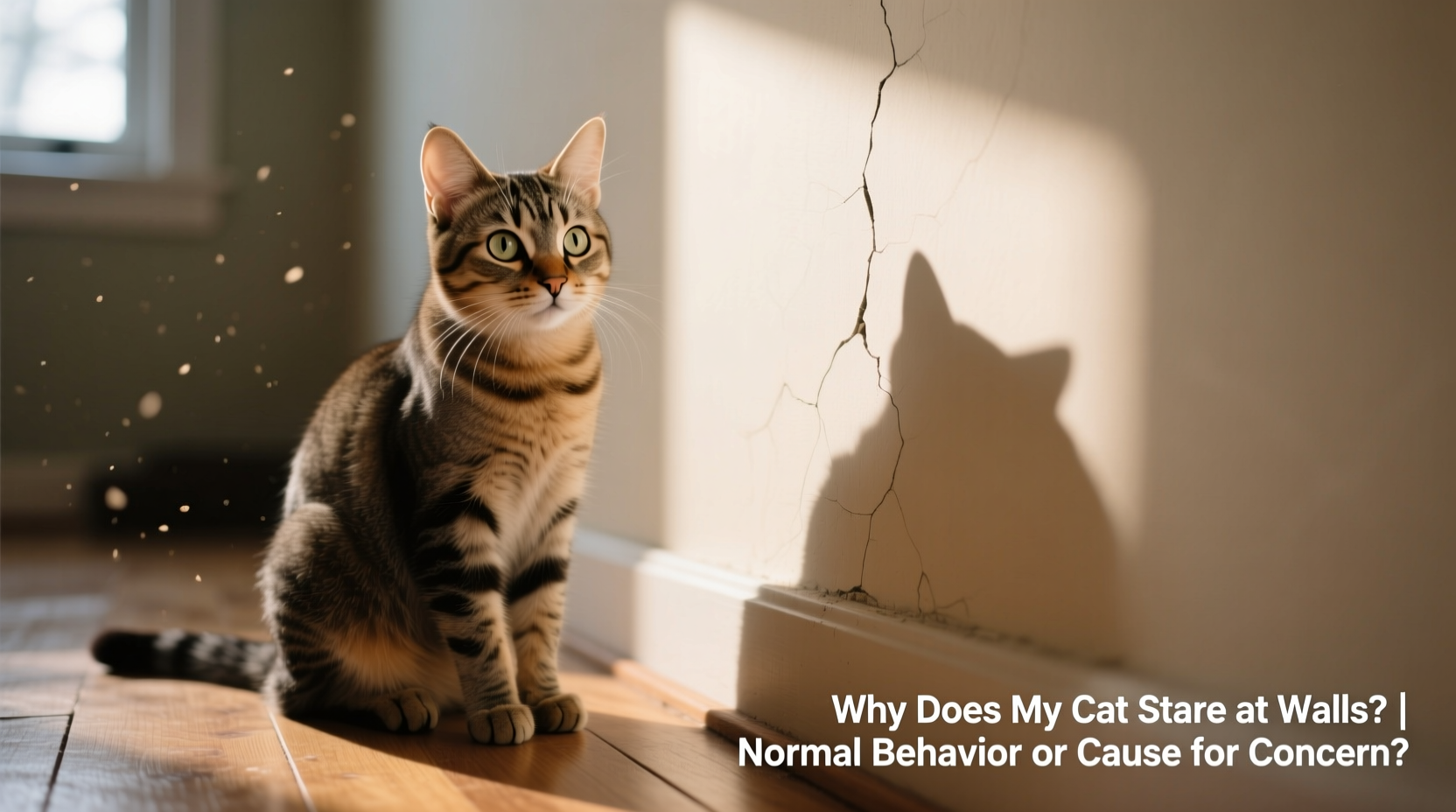
Cats perceive the world differently than humans. Their vision, hearing, and sensory processing allow them to detect subtle movements, sounds, and changes in light that we may miss entirely. A flicker from a shadow, a draft moving a curtain slightly, or even dust particles dancing in a sunbeam can capture a cat’s attention for extended periods.
In many cases, wall-staring isn't random. Your cat may be reacting to something real in its environment—just not something visible to you. High-frequency noises, such as those from electrical appliances or plumbing vibrations, can also draw a cat’s focus toward a specific area on a wall where the sound resonates most strongly.
Additionally, cats have a natural instinct to monitor their territory. Staring at a wall might simply be part of their routine surveillance, especially if the wall separates indoor space from outdoors or leads to another room. This kind of passive observation is usually nothing to worry about—provided it doesn’t dominate their daily activity.
When Wall-Staring Crosses Into Concerning Territory
The key factor in determining whether wall-staring is problematic lies in frequency, duration, and accompanying behaviors. Occasional staring—especially during quiet moments—is typically benign. However, when your cat spends several hours a day fixated on a wall with no apparent stimulus, it may signal deeper issues.
Veterinarians and animal behaviorists classify excessive wall-gazing as a potential sign of compulsive disorder, cognitive dysfunction, or neurological problems. These conditions disrupt normal brain function and can manifest through repetitive, purposeless actions like zoning out at walls, tail-chasing, or rhythmic head bobbing.
“Persistent, unexplained staring without external triggers often points to altered mental states in cats, particularly in older animals.” — Dr. Lena Reyes, DVM, Feline Neurology Specialist
Seizure activity is another serious possibility. Some cats experience partial (focal) seizures that don’t involve convulsions but instead result in vacant stares, twitching whiskers, or lip-smacking while appearing mentally absent. These episodes can last from seconds to several minutes and may occur multiple times a day.
Common Red Flags Accompanying Problematic Staring
- Unresponsiveness when called
- Sudden freezing mid-movement
- Disorientation after the episode
- Loss of balance or stumbling
- Vocalization without cause (meowing into space)
- Pacing before or after staring spells
If your cat exhibits any of these symptoms alongside wall fixation, prompt veterinary evaluation is recommended.
Medical Conditions Linked to Excessive Staring
While behavioral explanations exist, certain medical diagnoses must be ruled out, especially in senior cats or those with pre-existing health issues.
1. Cognitive Dysfunction Syndrome (CDS)
Similar to dementia in humans, CDS affects older cats (typically over 10 years). It impairs memory, awareness, and perception. Affected cats may wander aimlessly, forget litter box training, or stare into space for long stretches. The condition progresses slowly but can significantly impact quality of life.
2. Epilepsy and Seizure Disorders
Focal seizures originate in one part of the brain and may only affect vision or consciousness temporarily. During such episodes, a cat may appear awake but mentally detached, focusing on a spot on the wall with dilated pupils and rigid posture. Post-seizure confusion is common.
3. Vision or Hearing Impairment
Cats losing their sight or hearing may seem to stare at walls because they’re compensating for sensory loss. They rely more on residual input, which might include faint light contrasts or echoes off surfaces. This behavior mimics confusion but stems from adaptation rather than illness.
4. Hyperesthesia Syndrome
Also known as \"rolling skin syndrome,\" this rare condition causes heightened sensitivity along the spine. Cats may suddenly dart away from walls, bite their sides, or enter trance-like states followed by frantic running. Episodes sometimes begin with intense staring.
5. Brain Tumors or Lesions
Though less common, structural abnormalities in the brain can lead to abnormal gaze fixation. Other signs include aggression, circling, head pressing, or changes in appetite. Diagnosis requires advanced imaging like MRI or CT scans.
| Condition | Typical Age Group | Key Symptoms Beyond Staring | Diagnostic Approach |
|---|---|---|---|
| Cognitive Dysfunction | 10+ years | Night vocalization, disorientation, soiling indoors | Behavioral history, exclusion of other diseases |
| Focal Seizures | All ages | Twitching, drooling, brief unconsciousness | Neurological exam, bloodwork, EEG/MRI |
| Vision Loss | Middle to senior | Bumping into furniture, reluctance to jump | Ophthalmologic exam, retinal testing |
| Hyperesthesia | Young to middle-aged | Frantic grooming, skin rippling, sudden sprinting | Observation, ruling out dermatological causes |
| Brain Tumor | Senior cats | Head tilt, circling, seizures | MRI or CT scan |
Environmental and Psychological Factors
Not all causes of wall-staring are medical. Stress, boredom, or changes in routine can lead to displacement behaviors—actions performed out of frustration or anxiety. Indoor-only cats, especially those without enrichment, are prone to developing obsessive habits.
A lack of stimulation can make a cat hyper-aware of minor stimuli. For example, a dripping faucet behind a wall, HVAC airflow patterns, or even paint texture variations might become fixation points. In multi-cat households, social stress can also contribute, particularly if one cat feels threatened or isolated.
Mini Case Study: Bella, the Apartment Cat
Bella, a 7-year-old domestic shorthair living in a high-rise apartment, began spending hours each evening staring at the same corner of her bedroom wall. Her owner, Maria, initially dismissed it as odd but harmless. Over two months, the behavior increased, and Bella started meowing loudly during these episodes.
After a veterinary visit ruled out seizures and vision loss, a behaviorist suggested environmental enrichment. Cameras revealed that late afternoon sunlight created shifting shadows from a tree outside—a pattern invisible from ground level. Combined with limited playtime due to Maria’s work schedule, Bella had developed a fixation on the moving light.
Solution: Maria installed bird feeders outside the window, introduced interactive laser toys, and set up a timed automatic toy near the window. Within three weeks, Bella’s wall-staring decreased by over 80%, replaced by active engagement with her surroundings.
What You Should Do: A Step-by-Step Guide
If your cat stares at walls frequently, follow this structured approach to determine the cause and response:
- Observe and Document: Record when the staring occurs, how long it lasts, and any associated behaviors (e.g., vocalizing, twitching).
- Check the Environment: Look for light patterns, sounds, drafts, or vibrations near the wall. Use a flashlight to inspect for insect movement or mold spots.
- Assess Overall Health: Monitor appetite, litter box use, mobility, and interaction levels. Note any changes.
- Schedule a Veterinary Exam: Include bloodwork, urinalysis, and a neurological assessment. Request a referral to a veterinary neurologist if seizures are suspected.
- Enhance Mental Stimulation: Introduce new toys, climbing structures, window perches, and scheduled play sessions.
- Monitor Progress: Track improvements or worsening over 2–4 weeks. Share video footage with your vet if needed.
Checklist: When to Seek Immediate Help
- Staring episodes lasting longer than 5 minutes regularly
- Accompanying muscle twitching or collapse
- Sudden personality change (aggression, withdrawal)
- Urination/defecation during episodes
- Difficulty walking or balancing afterward
Frequently Asked Questions
Is it normal for cats to stare at walls occasionally?
Yes. Brief moments of focused attention on walls are generally normal, especially if triggered by light, sound, or movement. As long as the behavior is infrequent and your cat responds normally afterward, there’s likely no cause for concern.
Can stress cause my cat to stare at walls?
Absolutely. Chronic stress—from household changes, new pets, or lack of stimulation—can lead to obsessive behaviors. Cats may fixate on walls as a coping mechanism. Addressing the source of stress and enriching the environment often resolves the issue.
Should I interrupt my cat when it’s staring at the wall?
It depends. If the cat appears entranced or unresponsive, gently call its name or tap the floor nearby to rouse it—especially if you suspect a seizure. Avoid startling it. If it’s simply observing something, interruption isn’t necessary.
Conclusion: Know Your Cat, Trust Your Instincts
Occasional wall-staring in cats is usually nothing to worry about. But when it becomes frequent, prolonged, or paired with other unusual behaviors, it deserves attention. The difference between a quirky habit and a medical red flag often lies in consistency and context.
As a cat owner, you know your pet best. Trust your instincts—if something feels off, pursue answers. Early detection of neurological or cognitive issues can dramatically improve outcomes and quality of life. Combine attentive observation with proactive care, and you’ll give your cat the best chance at a healthy, enriched existence.




 浙公网安备
33010002000092号
浙公网安备
33010002000092号 浙B2-20120091-4
Comments
No comments yet. Why don't you start the discussion?