
Cats are creatures of habit. Even minor changes in their environment—like the arrival of a new scratching post—can trigger resistance, confusion, or outright rejection. If your feline companion is ignoring, avoiding, or even hissing at a brand-new scratching post, you're not alone. Many cat owners face this baffling situation after investing time and money into what they believed was a perfect solution. The truth is, cats don’t “hate” without reason. Their behavior is a form of communication. Understanding the underlying causes and responding with patience and strategy can turn frustration into success.
Why Cats Reject New Scratching Posts
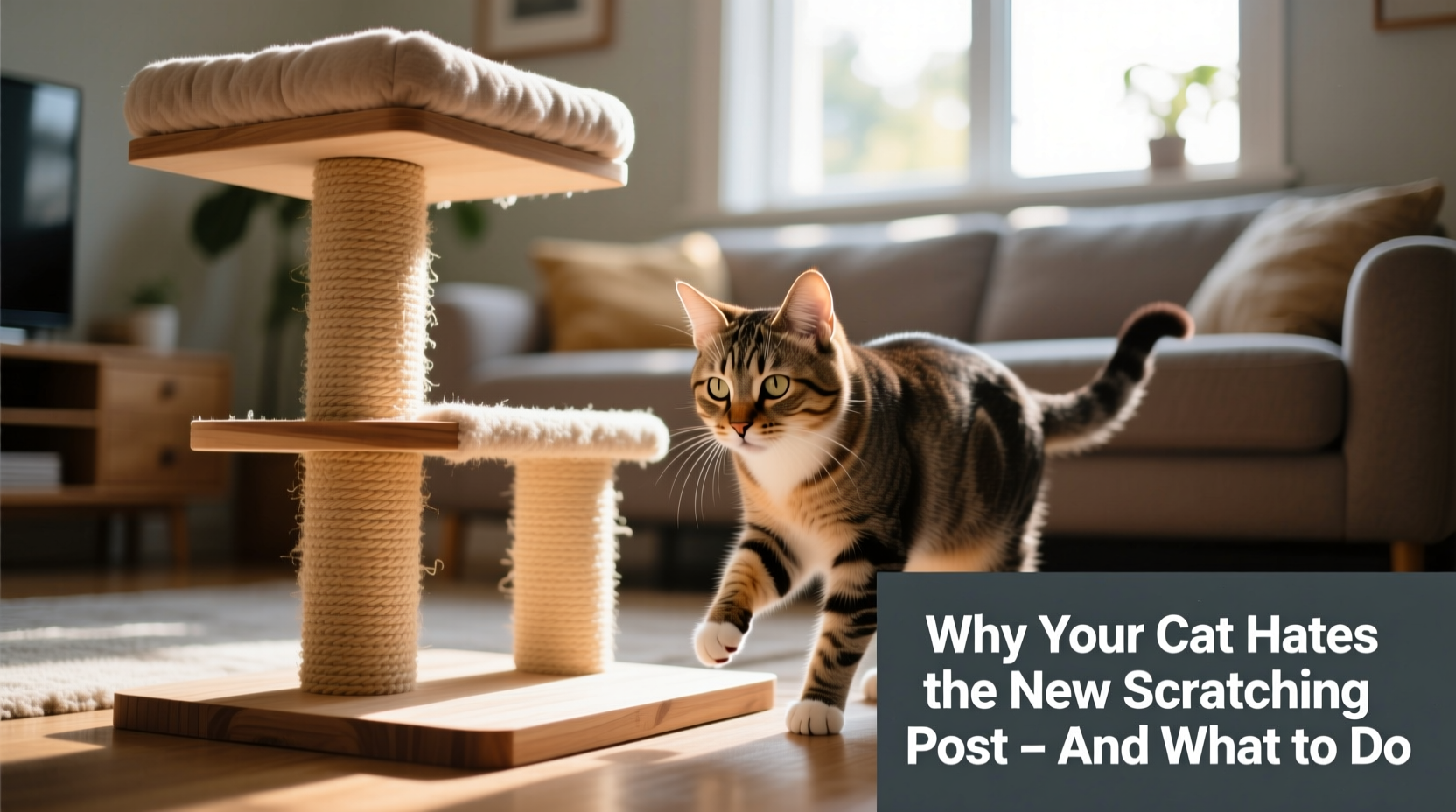
A cat’s refusal to use a new scratching post isn’t arbitrary. It stems from instinctual behaviors, sensory preferences, and environmental comfort. Scratching serves multiple purposes: marking territory via scent glands in their paws, shedding outer nail layers, stretching muscles, and relieving stress. When a new post fails to meet these needs, it becomes irrelevant—or worse, threatening.
Common reasons for rejection include:
- Wrong material: Many posts use sisal rope, cardboard, or carpet. If your cat prefers one texture over another, a mismatch leads to disinterest.
- Poor placement: Cats scratch in high-traffic or resting areas to mark territory. A post tucked in a quiet corner may go unnoticed.
- Unstable base: Wobbly or lightweight posts feel unsafe. Cats need stability to stretch fully.
- Sudden change: Abrupt removal of an old favorite post can cause anxiety.
- Lack of scent familiarity: New materials lack your cat’s scent, making them less inviting than familiar furniture.
“Cats are highly sensitive to changes in their environment. A new scratching post isn't just a piece of furniture—it's a territorial statement.” — Dr. Lena Torres, Feline Behavior Specialist
Step-by-Step Guide to Reintroduce the Scratching Post
Reintroducing a scratching post requires more than just placing it down and hoping for the best. Follow this timeline-based approach to gradually build positive associations.
- Day 1–3: Remove pressure, reintroduce scent. Place the post near your cat’s favorite resting spot but don’t force interaction. Rub it with a cloth that has your cat’s facial pheromones (gently wipe their cheeks first). You can also use a synthetic pheromone spray like Feliway.
- Day 4–6: Add enticement. Lightly sprinkle catnip or silver vine on the base and fibers. Use treats to lure your cat near the post, rewarding curiosity—not use.
- Day 7–10: Encourage contact. Gently guide your cat’s paws up the post during playtime using a feather wand. Praise any pawing motion, even if brief.
- Day 11–14: Reinforce use. When your cat shows interest, reward immediately with treats or affection. If they scratch, celebrate quietly—don’t startle them.
- Day 15+: Monitor and adjust. If no progress, reevaluate location, stability, or material. Consider temporary use of double-sided tape on nearby furniture to redirect scratching toward the post.
Choosing the Right Scratching Post: A Comparison Table
Not all scratching posts are created equal. The right choice depends on your cat’s size, habits, and preferences. This table compares common types based on key factors.
| Type | Best For | Pros | Cons | Likely Acceptance Rate* |
|---|---|---|---|---|
| Sisal Rope Post | Vertical scratchers, medium to large cats | Durable, mimics tree bark, stable when weighted | Can unravel over time, may be too rough for some | High (if stable and well-placed) |
| Cardboard Scratcher (Flat or Inclined) | Kittens, older cats, side scratchers | Inexpensive, replaceable, soft surface | Wears out quickly, less durable | Moderate to High |
| Carpeted Post | Cats used to scratching carpets | Familiar texture, often cheaper | Encourages carpet scratching elsewhere, harder to clean | Low to Moderate |
| Horizontal Scratching Pad | Cats who stretch forward while scratching | Space-efficient, good for small areas | Limited stretch potential, easily moved | Moderate |
| Tall Vertical or Wall-Mounted | Cats who fully extend when scratching | Maximizes stretch, space-saving, modern look | Installation required, limited mobility | High (if properly installed) |
*Based on observational data from veterinary clinics and behavioral studies (AVSAB, 2022).
Real Example: How Mia the Cat Learned to Love Her New Post
Mia, a 3-year-old tabby, had always scratched the arm of her owner’s sofa. When her owner replaced it with a tall sisal post, Mia avoided it completely—even hissing when it was placed nearby. After consulting a feline behaviorist, the owner learned two key things: the post wobbled when scratched, and it was positioned in a low-traffic hallway.
The solution? The post was secured to the wall for stability and moved next to the living room couch—Mia’s favorite napping spot. The owner rubbed it daily with a cloth from Mia’s cheek and sprinkled silver vine once a week. Within ten days, Mia began sniffing it. By day 17, she gave her first full scratch. Today, she uses it daily, and the sofa remains intact.
This case highlights how combining environmental adjustment with scent familiarity and patience leads to lasting change.
Checklist: How to Successfully Introduce a New Scratching Post
Use this actionable checklist to increase the odds of acceptance:
- ✅ Assess your cat’s current scratching preferences (vertical vs. horizontal, fabric type).
- ✅ Choose a post that matches their preferred texture and height (at least 30 inches for full stretch).
- ✅ Place the post near existing scratching zones or sleeping areas.
- ✅ Ensure the base is heavy or anchored to prevent tipping.
- ✅ Transfer your cat’s scent to the post using a soft cloth rubbed on their cheeks.
- ✅ Use catnip, silver vine, or honeysuckle to attract interest.
- ✅ Reward proximity and interaction with treats or praise—no pressure.
- ✅ Keep the old scratching surface temporarily if possible, then phase it out slowly.
- ✅ Trim nails regularly to reduce destructive scratching urges.
- ✅ Monitor usage and adjust placement or type if needed.
FAQ: Common Questions About Scratching Post Rejection
Why won’t my cat use a scratching post that looks just like the old one?
Even subtle differences matter. The weave of sisal, the density of the base, or a slight variation in height can make a post feel unfamiliar. Cats rely on muscle memory and tactile feedback. If the new post doesn’t “feel” right under their paws or doesn’t allow a full stretch, they’ll reject it despite visual similarity.
Can I train an older cat to use a new scratching post?
Absolutely. While kittens adapt more quickly, adult and senior cats can learn new habits with consistency. Older cats may prefer horizontal or low-angle scratchers due to joint stiffness. Focus on comfort, accessibility, and positive reinforcement. Patience is key—older cats respond better to gradual change.
Is it okay to have multiple scratching posts?
Yes, and it’s often necessary. Multi-cat households should have one post per cat plus one extra. Even single cats benefit from options in different rooms. Variety reduces competition and provides outlets for stress-related scratching. Place posts near windows, entryways, and sleeping zones for maximum utility.
When to Consider Professional Help
If your cat consistently avoids scratching posts despite repeated attempts, consult a veterinarian or certified feline behaviorist. Sudden behavioral shifts can indicate pain, arthritis, or anxiety. For example, a cat with shoulder discomfort may avoid vertical scratching. Medical evaluation ensures that behavioral solutions aren’t masking physical issues.
In some cases, anti-anxiety medications or pheromone diffusers may support environmental modifications. These should only be used under professional guidance.
“Scratching is not destructive behavior—it’s essential cat behavior. Our job is to redirect it appropriately, not eliminate it.” — Dr. Rajiv Mehta, DVM, Feline Medicine Specialist
Conclusion: Turning Rejection Into Routine
A cat rejecting a new scratching post isn’t a lost cause—it’s a solvable puzzle. The answer lies in understanding feline instincts, respecting individual preferences, and introducing change with empathy. Success doesn’t come from forcing compliance but from creating an environment where the right choice feels natural.
Start by observing your cat’s habits, then match the post to their needs. Prioritize stability, placement, and scent familiarity. Celebrate small wins and remain consistent. With time, most cats will not only accept a new scratching post—they’ll claim it as their own.




 浙公网安备
33010002000092号
浙公网安备
33010002000092号 浙B2-20120091-4
Comments
No comments yet. Why don't you start the discussion?