
Cat owners are no strangers to sudden bursts of energy—your feline might be calmly grooming one second, then tearing through the house like a tiny tornado the next. But few behaviors are as oddly specific or amusing as the post-litter-box sprint: one moment your cat is finishing up in the litter tray, the next they’re launching into a full-blown “zoomie” across the room. While it may seem bizarre, this behavior is surprisingly common and often rooted in instinct, physiology, and even emotional release. Understanding why cats do this can deepen your bond with your pet and help you distinguish between normal quirks and potential red flags.
The Science Behind Cat Zoomies
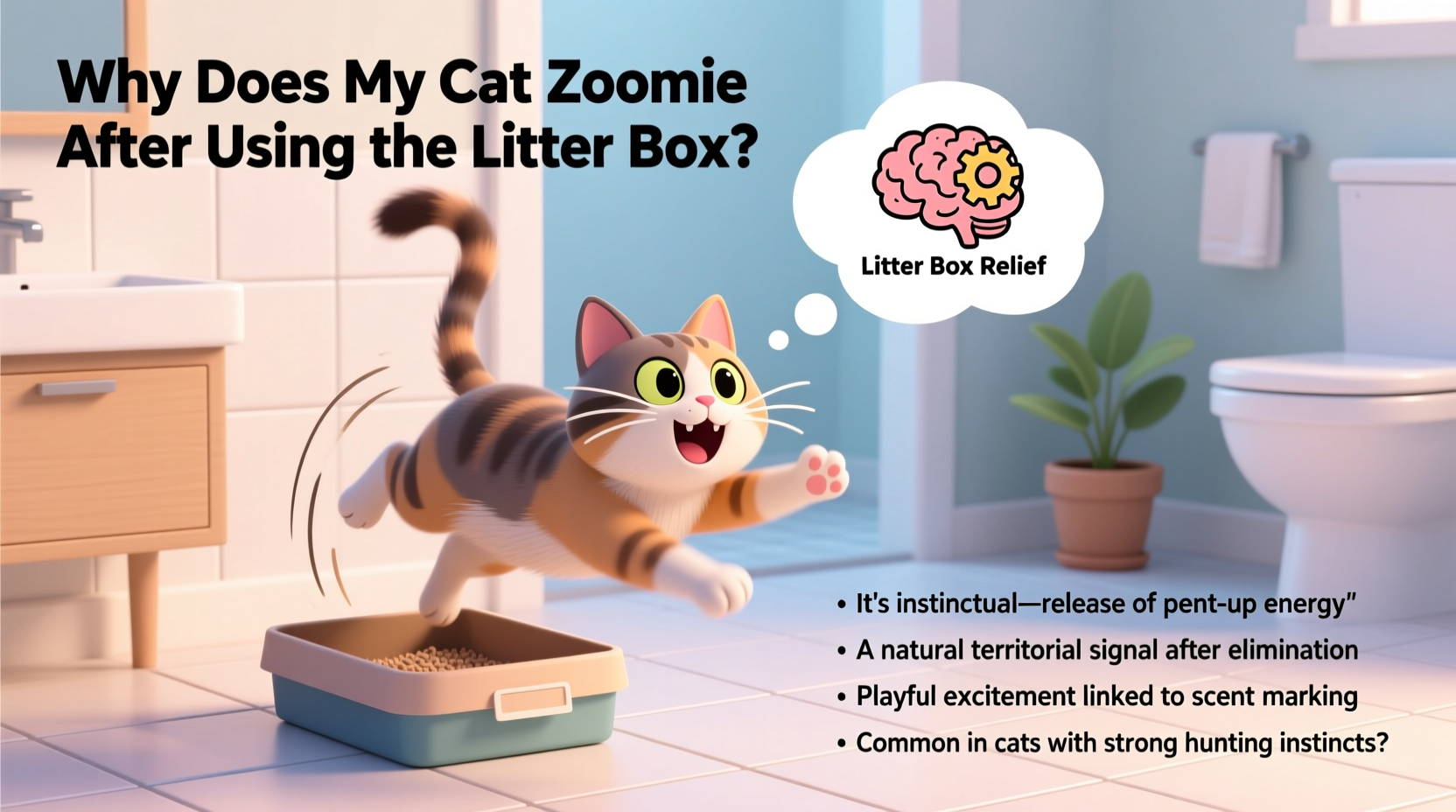
Cats are crepuscular animals, meaning their natural activity peaks at dawn and dusk. Even well-fed indoor cats retain the hunting instincts of their wild ancestors. Their bodies are built for short, explosive bursts of speed—perfect for chasing prey or evading predators. These bursts, commonly called “zoomies,” are technically known as Frenetic Random Activity Periods (FRAPs). They allow cats to burn off pent-up energy that accumulates during long periods of rest.
After using the litter box, several physiological changes occur. Elimination triggers the parasympathetic nervous system, which helps the body relax. Once complete, the nervous system shifts back toward alertness. This transition can create a sudden surge of energy—especially if the cat feels relieved, clean, or stimulated by the act of burying waste. In essence, the litter box experience acts as a trigger point for a rapid shift from stillness to motion.
Instinctual Behavior and Evolutionary Roots
To understand this behavior, we must consider the evolutionary journey of domestic cats. Wild felines evolved to minimize exposure to predators. After defecating, they would cover their scent and quickly leave the area to avoid drawing attention. This ingrained survival mechanism may persist in domestic cats—even those who’ve never seen the outdoors.
The act of burying waste is instinctive. Most cats scratch and kick litter to simulate covering their droppings. Immediately afterward, dashing away could be a residual behavior from their ancestors, who would flee the scene to avoid being tracked by predators. Your living room isn’t a savanna, but your cat’s brain doesn’t always know the difference.
“Even in safe environments, cats retain deeply wired behaviors from their wild lineage. The post-litter-box dash may be a vestigial escape response.” — Dr. Lena Torres, Feline Behavior Specialist
Physical and Emotional Triggers
Beyond instinct, several physical and emotional factors contribute to post-litter-box zoomies:
- Relief and comfort: After eliminating, especially if constipated or holding it in, cats may feel instant relief. That sense of lightness can spark playful energy.
- Sensory stimulation: The texture of litter under paws, the smell of clean or used box, and the physical act of digging can stimulate the nervous system.
- Stress release: Some cats associate the litter box with anxiety—due to location, cleanliness, or competition in multi-cat homes. A burst of movement afterward may serve as a coping mechanism.
- Play mimicry: Cats often link elimination with territory marking. Running around afterward may reinforce territorial boundaries through movement and scent dispersal via glands in their paws.
When Zoomies Signal a Health Concern
While most post-litter-box sprints are harmless, sudden or extreme behavioral changes warrant attention. If your cat exhibits any of the following, consult a veterinarian:
- Excessive vocalization during or after using the box
- Straining, crying, or signs of pain while eliminating
- Frequent trips to the litter box with little output
- Urinating outside the box consistently
- Aggression or fear immediately after use
These symptoms could indicate urinary tract infections, bladder stones, gastrointestinal discomfort, or anxiety disorders. What looks like a fun zoomie might actually be an attempt to escape discomfort.
Environmental and Social Influences
A cat’s environment plays a significant role in how they behave after using the litter box. Factors such as box placement, number of cats in the household, and overall home dynamics influence whether a cat feels safe enough to relax—or compelled to flee.
In multi-cat homes, dominant cats may guard litter areas, making others feel rushed or threatened. A subordinate cat might eliminate quickly and bolt to avoid confrontation. Similarly, placing the litter box near loud appliances (like washing machines) or high-traffic zones can make cats anxious, leading to hurried exits followed by energetic releases elsewhere.
| Factor | Positive Influence | Negative Influence |
|---|---|---|
| Litter Box Location | Quiet, private corner | Near noisy appliances or foot traffic |
| Cleanliness | Daily scooping, weekly change | Infrequent cleaning, strong odor |
| Number of Boxes | One per cat + one extra | Only one box for multiple cats |
| Litter Type | Unscented, soft-textured | Scented, dusty, or coarse |
| Post-Box Space | Open area for movement | Crowded or confined space |
Real-Life Example: Bella the Anxious Tabby
Bella, a 3-year-old tabby, lived in a two-cat apartment where her litter box was tucked beside the refrigerator—a tight space activated by the hum of the ice maker. Her owner noticed she would dart out of the box immediately after use, sometimes knocking over nearby items in her haste. Over time, Bella began avoiding the box altogether, urinating behind the couch instead.
After consulting a veterinary behaviorist, the owner relocated the box to a quiet bathroom and added a second one on the opposite side of the apartment. Within days, Bella’s avoidance stopped, and while she still had occasional zoomies, they were calmer and less frantic. The change didn’t eliminate the post-bathroom run—but it transformed it from a panic-driven escape into a playful ritual.
How to Support Healthy Post-Litter Behavior
You don’t need to stop your cat’s zoomies—they’re usually a sign of a healthy, expressive animal. However, you can shape the environment to ensure these bursts stem from joy, not stress.
- Provide adequate litter boxes: Follow the “n+1” rule—number of cats plus one extra box. Distribute them in different locations.
- Maintain cleanliness: Scoop daily and replace litter weekly. Use unscented, low-dust varieties to avoid irritating sensitive paws or airways.
- Choose the right size and style: Larger cats need bigger boxes. Covered boxes offer privacy but can trap odors—clean them more frequently.
- Respect your cat’s preferences: Some cats prefer open trays, certain litter textures, or specific depths of litter. Trial and error may be needed.
- Encourage exercise: Engage your cat in interactive play before meals to reduce erratic energy buildup.
- Observe patterns: Track when zoomies happen. If they follow every litter use, assess for environmental stressors.
Frequently Asked Questions
Are post-litter-box zoomies normal?
Yes, they are common and typically harmless. As long as your cat appears healthy, happy, and shows no signs of distress, these bursts of energy are likely just part of their natural behavior repertoire.
Should I be worried if my senior cat suddenly starts zooming?
Sudden onset of hyperactivity in older cats can be concerning. It may indicate cognitive dysfunction, hypertension, or hyperthyroidism. If accompanied by nighttime vocalization, disorientation, or weight loss, schedule a vet visit promptly.
Can diet affect my cat’s post-litter behavior?
Indirectly, yes. Diets high in fillers or low in digestibility can lead to gastrointestinal discomfort, causing urgency or irritation during elimination. A balanced, species-appropriate diet supports smoother digestion and calmer behavior.
Conclusion: Embracing the Quirks of Cat Behavior
The post-litter-box zoomie is more than just a funny habit—it’s a window into your cat’s instincts, emotions, and physical state. Whether driven by ancient survival tactics, sensory feedback, or simple joy, these sprints are usually nothing to worry about. By creating a calm, well-maintained environment and staying attentive to changes in behavior, you can ensure your cat’s zoomies remain a source of amusement rather than concern.
Understanding the why behind the zoom is key to becoming a more empathetic and informed caregiver. Instead of trying to suppress these bursts, celebrate them as expressions of a vibrant, instinct-driven life. After all, a cat that feels safe enough to go full throttle down the hallway is probably a pretty happy cat.




 浙公网安备
33010002000092号
浙公网安备
33010002000092号 浙B2-20120091-4
Comments
No comments yet. Why don't you start the discussion?