
Every year, millions of well-intentioned holiday gifts are unwrapped, briefly admired, and then quietly returned. Retailers report that post-holiday return rates spike dramatically between December 26 and January 10, with some estimates suggesting that up to 30% of all holiday purchases are eventually sent back. While returns are a normal part of modern shopping, receiving a returned gift can feel personal—especially when you’ve invested time, money, and emotion into selecting something meaningful.
The truth is, most returns aren’t about the giver’s intentions but rather a mismatch between expectation and reality. Gifts may not fit, duplicate what the recipient already owns, or simply miss the mark in terms of taste or utility. Understanding the psychology behind gift returns—and learning how to align your choices with the recipient’s actual needs—can transform your gifting from a gamble into a guaranteed success.
The Real Reasons Holiday Gifts Get Returned
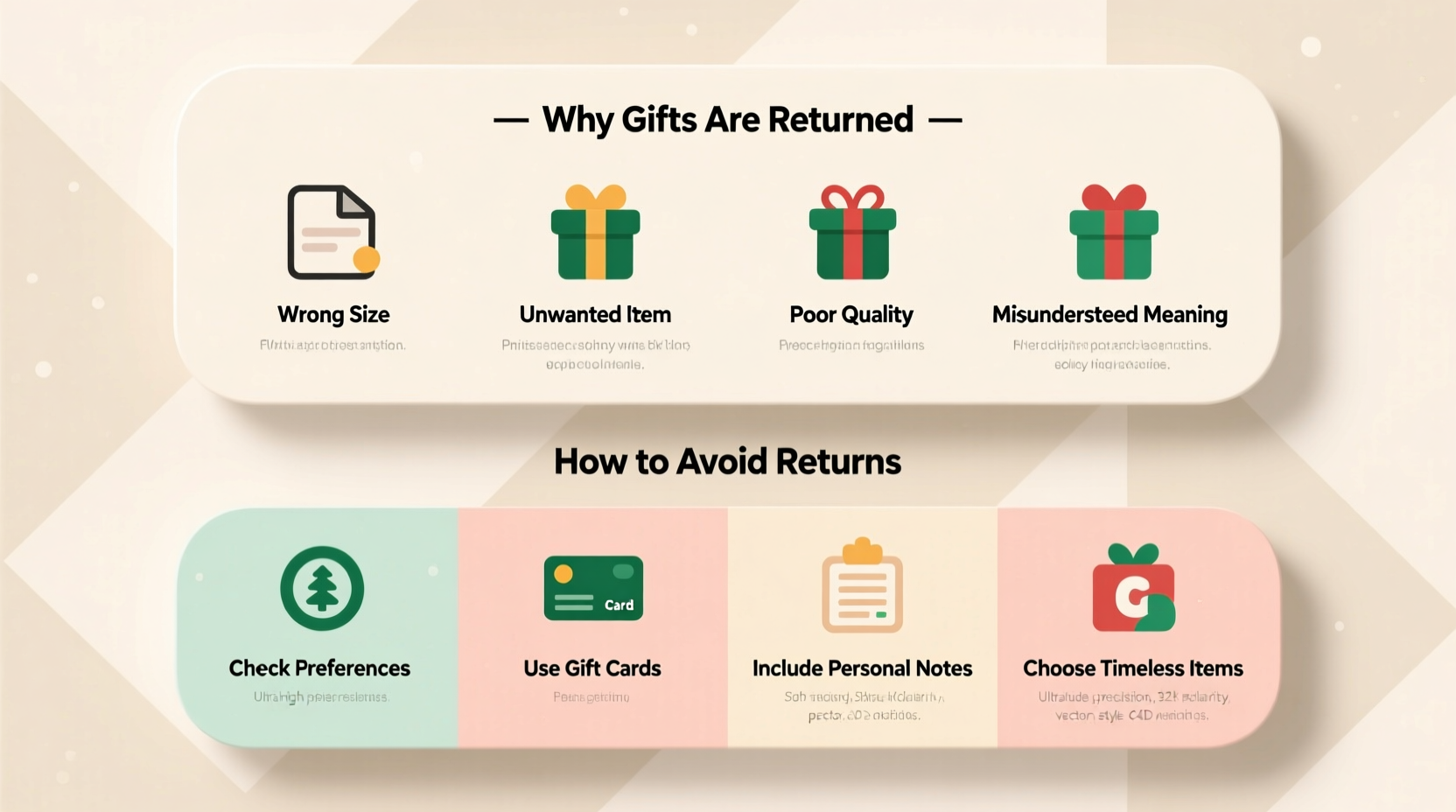
Gift returns are rarely an indictment of thoughtfulness. More often, they stem from practical mismatches or subtle communication gaps. Recognizing these underlying causes is the first step toward giving better gifts.
- Sizing issues: Clothing and footwear are among the most commonly returned items. Without precise measurements or familiarity with a person’s preferred fit, even high-quality apparel can end up unused.
- Duplication: The recipient may already own the same item or something very similar. This is especially common with popular tech gadgets, best-selling books, or trending fashion pieces.
- Style mismatch: A gift might be high quality but clash with the recipient’s personal aesthetic. What feels stylish to one person may feel outdated or inappropriate to another.
- Lack of utility: Some gifts, while creative or sentimental, don’t serve a practical purpose in the recipient’s daily life. Ornamental items, novelty products, or overly niche tools often fall into this category.
- Unspoken preferences: People often hesitate to communicate their true desires, either out of modesty or to avoid appearing demanding. Givers who rely on guesswork may unknowingly overlook what the recipient actually wants.
“Gift-giving is less about the object and more about the alignment between intention and need. The most memorable gifts solve a problem or reflect deep understanding.” — Dr. Laura Simmons, Consumer Behavior Researcher, University of Michigan
How to Avoid Giving Returnable Gifts: A Strategic Approach
Avoiding returns isn’t about playing it safe—it’s about being intentional. Thoughtful gifting requires observation, empathy, and sometimes a little detective work. The goal isn’t to eliminate surprise but to ensure the surprise is welcome.
1. Prioritize Experience Over Objects
Research consistently shows that experiences generate longer-lasting happiness than material goods. Instead of a physical item that might not fit or be used, consider gifting concert tickets, a cooking class, a spa day, or a weekend getaway voucher.
2. Use Wish Lists Wisely
Many people create wish lists precisely to guide well-meaning friends and family. Ignoring them in favor of “something better” often leads to duplication or misalignment. If someone has shared a list—on Amazon, Target, or through casual conversation—treat it as valuable insight, not a challenge to outdo.
3. Choose Flexible Formats
When in doubt, opt for formats that allow the recipient to make the final choice. Gift cards, digital wallets, or subscription services (like MasterClass or Audible) give autonomy while still conveying thoughtfulness—especially when paired with a personal message explaining why you chose that particular option.
Do’s and Don’ts of Thoughtful Gifting
| Do | Don’t |
|---|---|
| Ask subtle questions throughout the year (“What kind of coffee do you use?” or “Have you seen any good movies lately?”) | Assume you know someone’s taste based on your own preferences |
| Observe lifestyle habits (e.g., does the person carry a reusable water bottle? Are they always charging their phone?) | Buy trendy items without confirming interest |
| Give consumables (gourmet food, specialty teas, candles)—they’re low-risk and high-enjoyment | Gift clothing unless you know exact size and style preferences |
| Personalize meaningfully (engraved jewelry, custom artwork, a photo book) | Over-personalize in ways that limit usability (e.g., oversized monogrammed robes) |
| Offer service-based gifts (a home-cooked meal, lawn care, babysitting hours) | Give expensive items to someone who values simplicity |
A Real Example: Learning from a Returned Gift
Mark wanted to surprise his sister, Clara, with a smartwatch for Christmas. He knew she was health-conscious and had recently mentioned tracking her sleep. Excited by the latest model’s features, he purchased it without asking for her input. After the holidays, he learned she’d returned it.
Confused, he asked why. Clara explained gently that she already owned the same model—her partner had given it to her as a birthday gift two months earlier. Worse, she found the constant notifications stressful and preferred using a simple journal to track wellness.
The lesson wasn’t that Mark failed—he’d acted on real information—but that assumptions, even logical ones, can misfire. Had he asked a follow-up question like, “Are you using any apps or devices to track your sleep?” or checked her public wish list, he might have discovered her actual needs: a guided meditation subscription and a leather-bound wellness journal, both of which were on her unshared mental list.
This scenario illustrates a common pattern: good intentions meet incomplete data. The fix isn’t to stop giving surprises, but to gather insights more deliberately.
Step-by-Step Guide to Choosing Unreturnable Gifts
Follow this five-step process to significantly reduce the odds of your gift being returned—without sacrificing the joy of surprise.
- Start Early – Begin in October: Use the months before the holidays to listen actively. Casual conversations reveal far more than last-minute brainstorming. Note offhand comments like “I’ve been so tired lately” or “I need new running shoes.”
- Observe Daily Habits: Pay attention to routines. Does your friend refill the same thermos every morning? Do they mention a favorite show or author? These clues point to useful, appreciated gifts.
- Check for Clues Online: Many people share wish lists publicly or pin desired items on social media. A quick look at their Pinterest board or Amazon profile (if accessible) can offer goldmine insights.
- Test the Waters Casually: Ask indirect questions: “What’s the best thing you’ve bought yourself lately?” or “If you could treat yourself to anything, what would it be?” Most people will hint at their desires without feeling pressured.
- Finalize with Flexibility: When selecting the gift, prioritize versatility. If buying apparel, choose a brand known for easy returns—or pair it with a gift receipt. Better yet, select items that are inherently usable, like high-quality chocolate, artisan soap, or a national park pass.
Checklist: How to Give a Gift That Won’t Be Returned
Before finalizing your purchase, run through this checklist:
- ✅ Have I observed or heard them express interest in this item?
- ✅ Is this something they’ve mentioned needing or wanting?
- ✅ Does it fit their lifestyle (e.g., busy parent vs. minimalist traveler)?
- ✅ Is the size/style confirmed (for clothing, accessories, etc.)?
- ✅ Does it complement rather than duplicate what they already own?
- ✅ Have I included a gift receipt or made returns easy?
- ✅ Would I use this if I were in their situation?
Frequently Asked Questions
Is it okay to return a gift?
Yes—when done respectfully. Returning a gift isn’t inherently rude, especially if the giver remains unaware. The key is to handle it discreetly and, if asked, respond with gratitude: “I really appreciated the thought—you know I love cozy sweaters, but this one didn’t quite fit. I found one in my size and exchanged it.” Honesty, paired with appreciation, preserves relationships.
What if I don’t know the person well enough to know their preferences?
In low-knowledge situations—such as office Secret Santa or distant relatives—opt for universally appealing, low-stakes gifts. Consider gourmet snacks, nice hand cream, a bestselling novel, or a $25 gift card to a popular retailer. Add a heartfelt card to elevate the gesture beyond the object itself.
Are gift cards impersonal?
Not necessarily. A gift card becomes personal when framed with intention. Instead of handing over a plain envelope, say: “I remember you saying you wanted to try that new Italian restaurant—dinner’s on me!” Context transforms convenience into care.
Conclusion: Give with Insight, Not Guesswork
The goal of gift-giving isn’t to avoid returns at all costs—it’s to create moments of genuine connection. When a gift is used, cherished, or sparks joy, it fulfills its true purpose. Returns happen, and they’re often logistical rather than emotional. But by shifting from guessing to understanding, you increase the odds that your gift won’t just be opened, but embraced.
Start paying attention earlier. Listen more than you assume. Let curiosity guide your choices. Whether it’s a handmade coupon for a home-cooked dinner or a carefully selected book that speaks to their current life chapter, the best gifts reflect presence—not price.




 浙公网安备
33010002000092号
浙公网安备
33010002000092号 浙B2-20120091-4
Comments
No comments yet. Why don't you start the discussion?