
There’s nothing more disappointing than bringing home a lush, fragrant Christmas tree only to watch it turn brittle and brown within a few short days. You may find yourself asking: Why does my Christmas tree dry out so fast? The answer lies in a combination of harvesting practices, environmental conditions, and care habits — many of which are easily corrected with the right knowledge.
Christmas trees are cut weeks or even months before they reach your living room, but their ability to retain moisture depends heavily on how they're handled from harvest to display. When not properly cared for, a tree can lose up to half its water weight in under 72 hours. This article breaks down the science behind rapid drying, outlines practical moisture retention strategies, and provides actionable steps to extend your tree’s freshness throughout the holiday season.
The Science Behind Rapid Drying
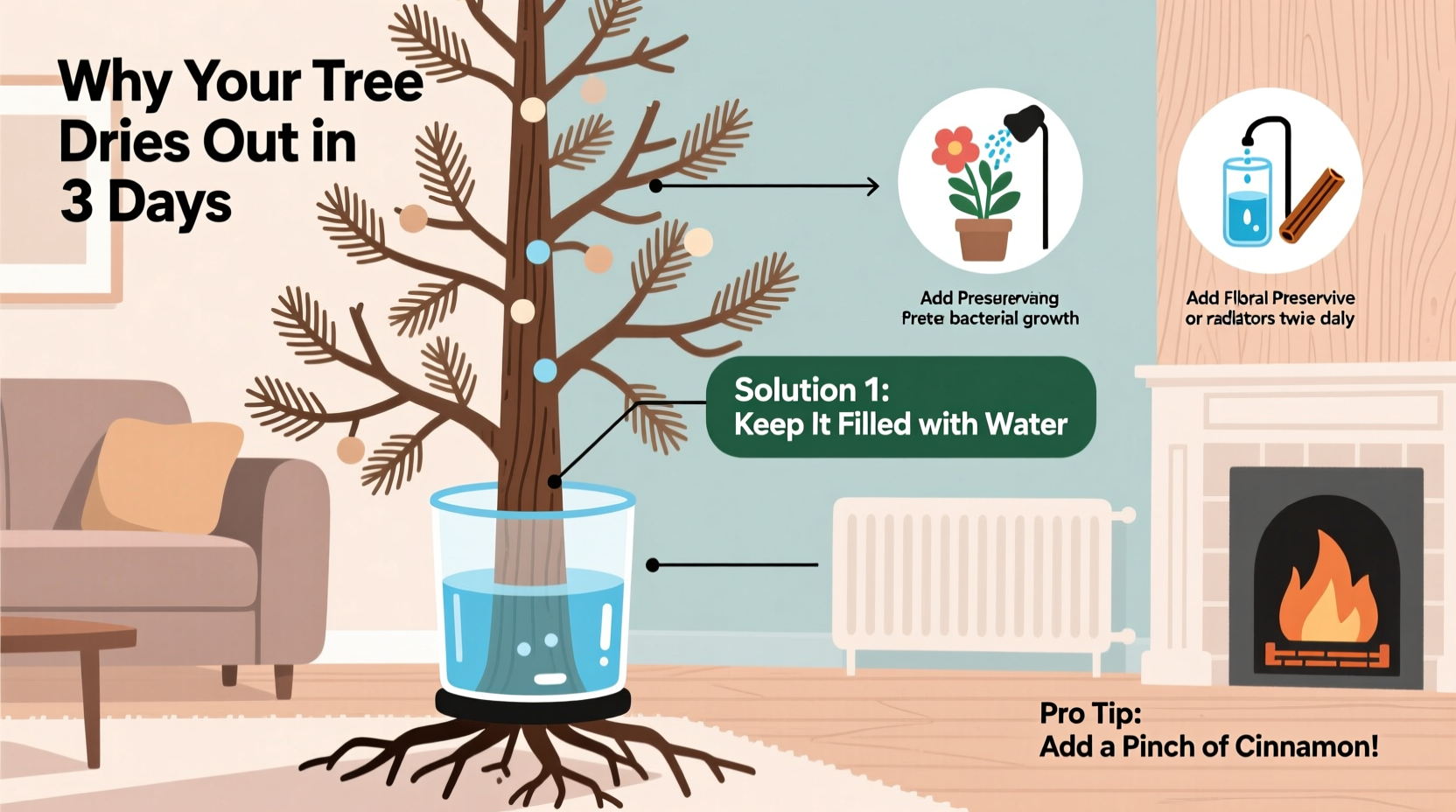
Evergreen trees like firs, pines, and spruces rely on continuous water uptake to stay hydrated after being cut. Once severed from their root system, they depend entirely on their cut stem to absorb water from a stand. However, this process begins to fail almost immediately if the trunk isn’t prepared correctly.
When a tree is cut, sap and air bubbles quickly seal the vascular tissues at the base of the trunk — a process called embolism. This blockage prevents water absorption, essentially starving the tree of hydration no matter how full the stand’s reservoir appears. Within three days, needles begin to desiccate, branches become brittle, and fire risk increases significantly.
“Within 4 to 6 hours of being cut, a tree’s ability to take up water drops dramatically if the stump isn’t re-cut before placing it in water.” — Dr. Gary Chastagner, Professor of Plant Pathology, Washington State University
This explains why some trees seem to “die” within days — they were never able to drink in the first place. Environmental stressors such as indoor heating, low humidity, and poor placement accelerate the problem.
Common Mistakes That Speed Up Drying
Many well-intentioned traditions actually contribute to faster dehydration. Recognizing these pitfalls is the first step toward prevention.
- Not making a fresh cut: Skipping a new cut at the base severely limits water uptake.
- Delaying water access: Waiting too long to place the tree in water allows sap to harden over the cut surface.
- Using undersized stands: Small reservoirs require frequent refilling, increasing the chance of running dry overnight.
- Placing near heat sources: Radiators, fireplaces, and HVAC vents create microclimates that pull moisture from needles.
- Ignoring needle condition during purchase: A tree already losing moisture at the lot will deteriorate faster indoors.
Step-by-Step Guide to Maximizing Moisture Retention
Follow this timeline-based approach to ensure your tree stays hydrated from setup to takedown.
- Day 0 – Purchase & Transport
Choose a tree with flexible needles and minimal shedding. Shake the trunk gently; only a few dry needles should fall. Keep it covered during transport to reduce wind exposure and moisture loss. - Day 0 – Immediate Prep (Same Day)
As soon as you get home, lay the tree horizontally and use a handsaw to make a straight, clean cut of at least ½ inch off the bottom. Avoid angled cuts deeper than 1 inch, as they can reduce stability in the stand. - Day 0 – First Hydration (Within 2 Hours)
Place the freshly cut trunk into a stand filled with room-temperature water. Use a stand rated for your tree’s size — ideally holding at least one quart of water per inch of trunk diameter. - Days 1–3 – Monitor Water Levels Daily
Trees absorb the most water in the first 72 hours. Check the reservoir twice daily. A typical six-foot tree can drink over a gallon in the first week alone. - Ongoing – Maintain Indoor Conditions
Keep the tree away from direct heat sources. If possible, lower the thermostat by 2–3 degrees in the room where the tree is displayed. Higher humidity slows evaporation. - Weekly – Refresh Additives (Optional)
While plain water is sufficient, some studies suggest adding commercial tree preservatives or homemade mixtures (like sugar and bleach) may help maintain needle integrity longer — though results vary.
Do’s and Don’ts: Tree Care Comparison Table
| Do | Don’t |
|---|---|
| Make a fresh cut before placing in stand | Use last year’s old cut without refreshing |
| Check water levels twice daily for first week | Assume the stand is still full — always verify |
| Place tree away from radiators, vents, and fireplaces | Set up next to a heat source for “ambiance” |
| Use LED lights (they emit less heat) | Use incandescent bulbs close to foliage |
| Mist needles lightly every few days | Over-mist and create damp carpet conditions |
Mist vs. Water: Understanding Humidity Needs
Indoor air during winter is notoriously dry due to heating systems. Relative humidity often drops below 30%, far below the 50%+ ideal for tree health. While the primary hydration source must be through the trunk, supplemental misting can slow needle dehydration.
Lightly spraying the branches with a spray bottle every two to three days helps maintain surface moisture. However, misting is not a substitute for adequate water in the stand — it only reduces transpiration (moisture loss from needles). Over-misting can lead to mold growth on nearby surfaces or increase slip hazards on hardwood floors.
A better alternative is using a small humidifier near the tree. Increasing ambient humidity benefits both the tree and household occupants, reducing static electricity and dry skin issues.
Real Example: The Johnson Family Tree Turnaround
The Johnsons in Denver had a frustrating tradition: their Fraser fir would start dropping needles by December 2nd, just two days after setup. One year, they filmed timelapse footage and noticed the stand ran dry by morning — despite filling it the night before.
They consulted a local nursery expert who revealed their stand held only 1.5 gallons, insufficient for their 7-foot tree. They upgraded to a 4-gallon reservoir model and began checking water levels every morning and evening. They also moved the tree away from a ceiling vent and started using LED lights.
The result? Their tree stayed fresh and aromatic until January 6th — over four weeks of display with less than 5% needle drop. The simple change in equipment and routine made all the difference.
Expert-Approved Moisture Solutions
Beyond basic watering, several tested methods can enhance water retention and prolong freshness.
- Commercial Tree Preservatives: Products like \"Tree Saver\" or \"Freshguard\" contain sugars, fungicides, and wetting agents designed to improve uptake and inhibit bacterial growth in the water. Independent tests show mixed results, but many users report improved needle retention.
- Homemade Additives: A common DIY blend includes 1 cup light corn syrup, 1 teaspoon chlorine bleach, and 1 quart warm water. The sugar acts as food, while bleach limits microbial buildup. Note: Some experts caution against additives unless used precisely, as imbalances can harm water uptake.
- Cold Storage Overnight (if applicable): In mild climates, moving the tree to an unheated garage or porch overnight can reduce daytime moisture loss. Ensure it remains in water and protected from freezing.
“We’ve seen cases where proper hydration routines extend a tree’s display life from 3–4 days to over 30. It’s not magic — it’s mechanics.” — National Christmas Tree Association Care Guidelines
Checklist: How to Keep Your Christmas Tree Fresh
✅ Pre-Purchase:
- Inspect for vibrant green needles that bend without breaking
- Tap the trunk over a tarp — excessive shedding indicates dryness
✅ Setup Day:
- Make a fresh ½-inch cut on the trunk
- Fill stand with room-temperature water immediately
- Choose a location away from heat sources and direct sunlight
✅ Ongoing Care:
- Check water twice daily for first 72 hours
- Refill with plain water or approved additive solution
- Use LED lights to minimize heat exposure
- Lightly mist needles or use a humidifier
- Remove tree before significant needle drop or dryness occurs
Frequently Asked Questions
Can I revive a dry Christmas tree?
Once a tree has lost critical moisture and its vascular system has collapsed, revival is nearly impossible. Re-cutting the trunk and submerging it won’t restore hydration if the needles are already brittle. Prevention is key — act early with proper watering.
Does hot water help the tree absorb more?
No. Hot or boiling water can cook the trunk’s cells, sealing them shut and preventing absorption. Always use lukewarm or room-temperature water.
How long should a properly cared-for Christmas tree last?
With optimal care — including a fresh cut, consistent watering, and good placement — most real trees stay fresh for 3 to 5 weeks. Species like Fraser fir, Balsam fir, and Nordmann fir are known for excellent needle retention when hydrated.
Conclusion: Keep Your Tree Alive All Season
Your Christmas tree doesn’t have to become a fire hazard or needle-shedding nuisance after just a few days. With a simple understanding of hydration science and a commitment to daily maintenance, you can enjoy a lush, fragrant centerpiece throughout the holidays.
The secret isn’t complexity — it’s consistency. Making a fresh cut, choosing the right stand, monitoring water religiously, and managing your indoor environment are small actions that yield dramatic results. Don’t let another tree dry out prematurely. Apply these moisture tips starting today and transform your holiday experience with a tree that stays vibrant from setup to takedown.




 浙公网安备
33010002000092号
浙公网安备
33010002000092号 浙B2-20120091-4
Comments
No comments yet. Why don't you start the discussion?