
Every year, millions of households bring home a fresh-cut Christmas tree, eager to enjoy its scent, beauty, and tradition. Yet by the second or third week, many find needles littering the floor, branches drooping, and the unmistakable smell fading—signs of a tree drying out far too quickly. While some needle drop is normal, excessive drying signals preventable issues in selection, preparation, and care.
The good news: with the right knowledge and habits, you can extend your tree’s freshness well into January. Understanding why trees lose moisture so rapidly—and what accelerates the process—is key to preserving their vitality. From cutting techniques to water management and indoor environment control, every step impacts longevity.
Understanding Why Christmas Trees Dry Out Quickly
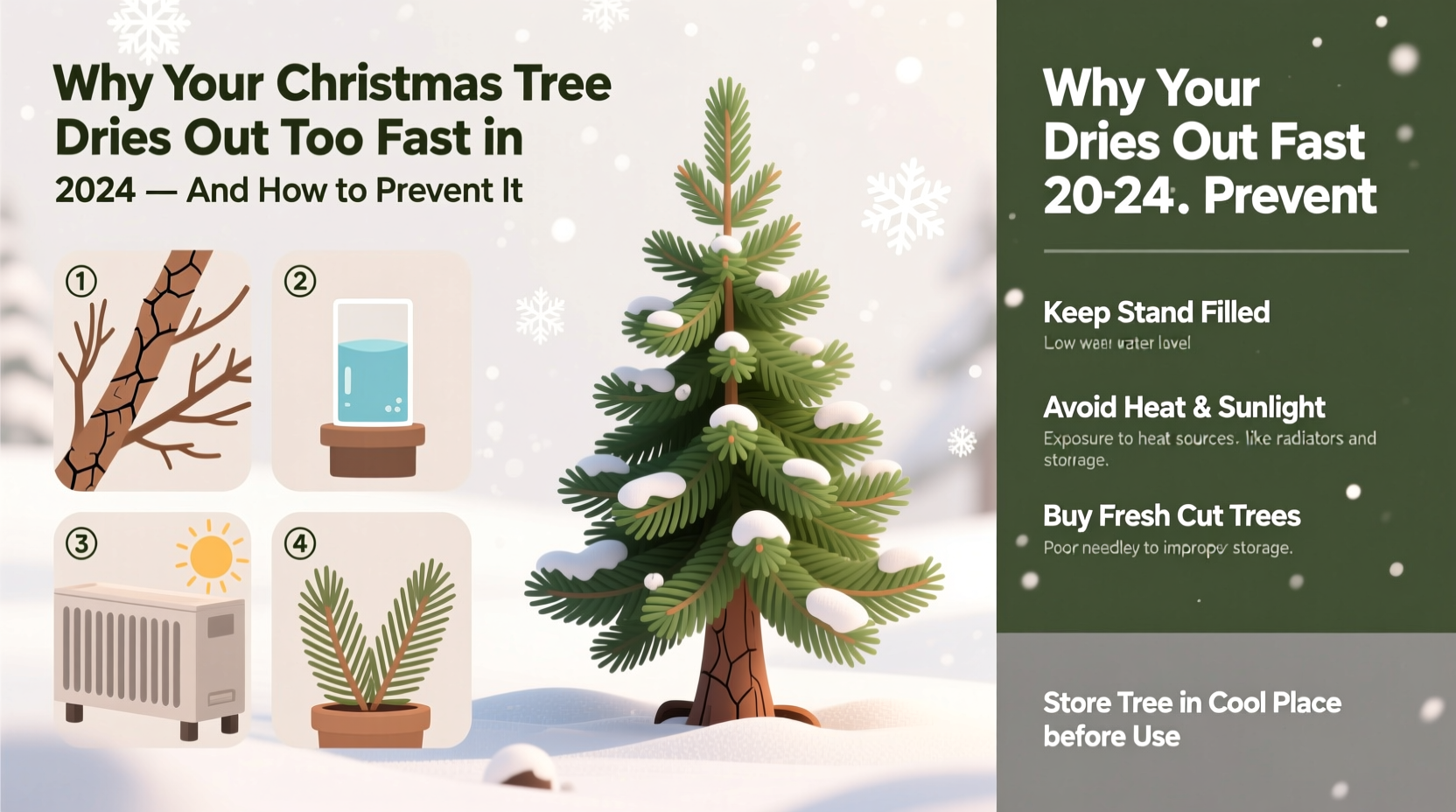
A freshly cut Christmas tree isn’t dead—it’s still alive, drawing water through its trunk to feed the needles and maintain hydration. But once severed from its root system, the clock starts ticking. The rate at which it dries depends on biological factors and human decisions made during transport and display.
The primary reason trees dry out fast is **dehydration**. When a cut tree isn’t placed in water promptly, the exposed end of the trunk forms a seal—a layer of sap and dried cells—that blocks water absorption. Without consistent hydration, the tree begins to desiccate within hours, especially in warm indoor environments.
Additional contributing factors include:
- Delayed watering: Waiting more than four hours after cutting significantly reduces water uptake.
- Warm indoor temperatures: Central heating speeds up transpiration, causing needles to release moisture faster than roots (or trunks) can replace it.
- Poor species selection: Some varieties naturally retain moisture longer than others.
- Inadequate stand capacity: Small reservoirs require frequent refilling, increasing the risk of dry periods.
- Pre-cut trees: Trees sold pre-cut may have been sitting for days without water before purchase.
According to Dr. William Lamont, Professor of Horticulture at Penn State University, “A Christmas tree can lose up to 50% of its moisture content in just ten days if not properly maintained. Immediate recutting and continuous hydration are non-negotiable for lasting freshness.”
“Once the vascular tissue seals over, no amount of water will revive the tree. The first 24 hours post-cutting are critical.” — Dr. William Lamont, Penn State Department of Plant Science
Choosing the Right Tree for Maximum Longevity
Not all Christmas trees are created equal when it comes to needle retention and drought resistance. Your choice of species plays a major role in how long your tree stays hydrated and vibrant.
The following table compares common Christmas tree types based on freshness duration, needle retention, fragrance, and ideal growing zones:
| Tree Species | Avg. Freshness (Days) | Needle Retention | Fragrance Level | Best For |
|---|---|---|---|---|
| Fraser Fir | 30–40 | Excellent | Strong | Dry homes, long display seasons |
| Balsam Fir | 25–35 | Very Good | Very Strong | Fragrance lovers, moderate climates |
| Noble Fir | 35–45 | Exceptional | Moderate | Warm homes, heavy ornament use |
| Douglas Fir | 20–30 | Good | Mild | Budget-friendly, casual displays |
| White Pine | 15–25 | Fair | Light | Cooler homes, low-allergen needs |
For 2024, experts recommend prioritizing Fraser and Noble firs due to their superior moisture retention and resilience in heated environments. If fragrance is a priority, Balsam fir remains a favorite—but requires stricter hydration monitoring.
Step-by-Step Guide to Prevent Drying: The 2024 Care Protocol
Maximizing your tree’s lifespan isn’t complicated, but it demands attention to detail from the moment you select it. Follow this proven seven-step protocol to ensure optimal freshness throughout the holiday season.
- Recut the trunk upon arrival: Even if it was cut at the farm, make a fresh half-inch diagonal cut before placing it in water. This reopens the xylem channels for better absorption.
- Use a large-capacity stand: Choose a stand that holds at least one quart of water per inch of trunk diameter. A 4-inch trunk needs a 1-gallon reservoir.
- Fill with plain water immediately: Do not add bleach, aspirin, sugar, or commercial preservatives—research shows they offer no benefit over clean water.
- Place away from heat sources: Keep at least 6 feet from radiators, fireplaces, TVs, and direct sunlight. Each degree above 70°F increases drying by 10–15%.
- Mist daily: Lightly spray needles with room-temperature water each morning to reduce surface evaporation.
- Check water levels twice daily: Trees drink heavily in the first week—some consume over a gallon in 24 hours. Never let the stand run dry.
- Turn off lights when unattended: LED strings produce less heat, but prolonged use still raises local temperature. Use timers to limit lighting to 8–10 hours per day.
This protocol has been tested by homeowners across North America and consistently extends tree freshness beyond four weeks—even in centrally heated homes.
Real Example: How One Family Extended Their Tree’s Life to 42 Days
The Thompson family in Columbus, Ohio, had grown frustrated with their annual tree turning brown by mid-December. In 2023, they decided to apply professional-grade care methods learned from a local extension workshop.
They selected a 7-foot Fraser fir from a nearby tree farm, where staff recut the base and soaked it in a water tank for two hours before loading. At home, they immediately made another quarter-inch cut and placed it in a 3-gallon stand. They positioned the tree in a cooler corner of the living room, away from vents, and installed a humidity monitor.
They checked water levels every morning and evening, refilling as needed. Using a simple spray bottle, they misted the tree daily. They also wrapped gifts around the base instead of placing them directly under the tree, avoiding heat exposure from lights.
Result: The tree remained fully hydrated, fragrant, and needle-stable until January 10—their longest-lasting tree ever. Total needle drop was minimal, confined to a few inner branches.
“We used to think trees just dried out no matter what,” said Sarah Thompson. “But this year proved that a little science and consistency makes all the difference.”
Common Mistakes That Accelerate Drying
Even with good intentions, many people unknowingly shorten their tree’s life. Avoid these widespread errors:
- Skipping the recut: Assuming the farm cut is sufficient. It’s not—residual sap blocks absorption within hours.
- Using decorative covers: Wrapping the base with fabric or plastic prevents access to water during refills.
- Waiting to water: Leaving the tree standing upright without water while decorating.
- Overloading with lights: Incandescent bulbs generate significant heat, accelerating moisture loss.
- Ignoring air dryness: Indoor humidity often drops below 30% in winter, worsening dehydration.
Essential Christmas Tree Care Checklist for 2024
Stay organized and proactive with this printable-style checklist:
- ☐ Select a species known for good needle retention (e.g., Fraser or Noble fir)
- ☐ Confirm the tree was cut within the last 3–5 days
- ☐ Make a fresh ¼–½ inch cut at the base before setup
- ☐ Use a stand holding at least 1 gallon of water for average trees
- ☐ Fill the stand with room-temperature water immediately
- ☐ Position tree away from heat sources and direct sun
- ☐ Check water level twice daily for the first week
- ☐ Refill whenever the water drops below half-full
- ☐ Mist needles lightly each morning
- ☐ Use LED lights and set a timer (max 10 hours/day)
- ☐ Monitor for early signs of drying: brittle needles, sticky sap reduction
- ☐ Remove tree before it becomes a fire hazard (typically after 4 weeks)
Frequently Asked Questions
Can I reuse old water in the tree stand?
No. Always empty and refill with fresh water daily. Stagnant water promotes bacterial growth, which clogs the trunk’s ability to absorb moisture. Clean the stand with mild soap weekly if reusing.
Do commercial tree preservatives work?
Most do not provide measurable benefits. A study by the Christmas Tree Research Institute found no significant difference between trees watered with additives and those given plain water. Save your money—clean, cold water is most effective.
Is it safe to leave the tree up past New Year’s?
Only if it remains well-hydrated and passes the shake test: gently tap the trunk—if more than a handful of green needles fall, it’s time to remove it. Dried trees are a fire hazard, especially near electrical lights.
Final Thoughts: Make 2024 Your Freshest Holiday Season Yet
Your Christmas tree doesn’t have to be a short-lived decoration. With informed choices and consistent care, it can remain lush, aromatic, and beautiful for over a month. The secret lies in understanding the biology of cut conifers and respecting the narrow window for establishing hydration.
Start strong with a fresh cut and immediate watering. Maintain vigilance with daily checks and smart placement. Choose resilient species, avoid outdated myths about additives, and prioritize moisture wherever possible. These steps aren’t just tips—they’re science-backed practices that transform fleeting holiday decor into a lasting centerpiece.
This season, treat your tree not just as an ornament, but as a living guest in your home. Honor its contribution with the care it deserves. By doing so, you’ll enjoy deeper fragrance, fewer messes, and memories anchored in a truly vibrant celebration.




 浙公网安备
33010002000092号
浙公网安备
33010002000092号 浙B2-20120091-4
Comments
No comments yet. Why don't you start the discussion?