
A freshly cut Christmas tree brings warmth, fragrance, and tradition into the home each holiday season. Yet for many families, the joy is short-lived as needles begin dropping within days and branches turn brittle by mid-December. If your tree seems to dry out faster than expected, you're not alone — but more importantly, it’s not inevitable. Understanding the science behind moisture loss and implementing a few strategic care practices can extend your tree’s freshness by weeks. From selection to placement and hydration, every step matters.
The Science Behind Tree Drying
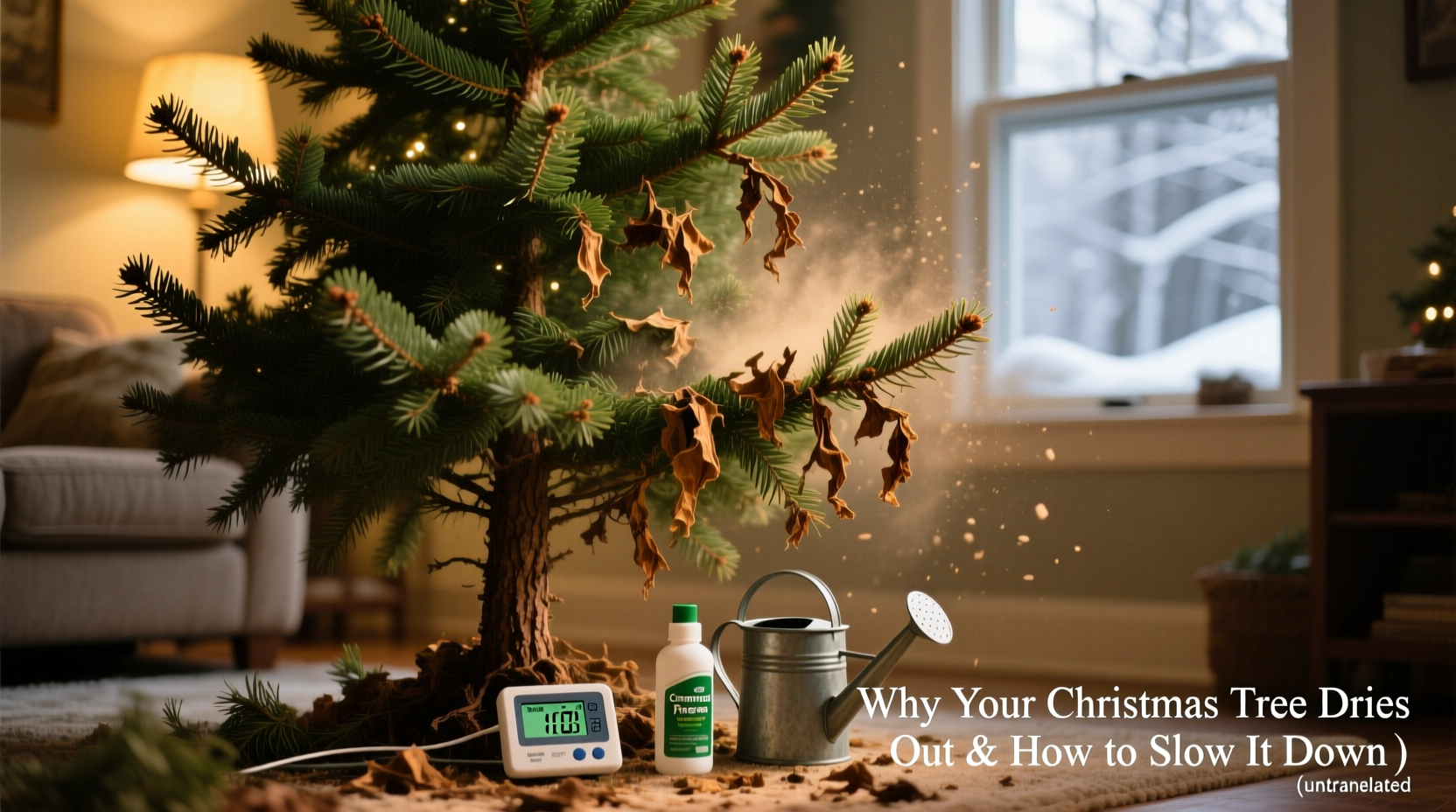
Once a Christmas tree is cut, its ability to absorb water depends entirely on proper handling and immediate rehydration. Unlike potted plants with root systems that continuously draw moisture from soil, cut trees rely on their freshly exposed trunk base to pull water upward through capillary action. When this process is disrupted, dehydration accelerates rapidly.
Needle loss, browning, and brittleness are all symptoms of moisture depletion. Conifers like firs, spruces, and pines lose water primarily through their needles via transpiration — a process similar to human perspiration. Indoor heat, low humidity, and delayed water uptake increase transpiration rates, causing the tree to dry out faster than it would outdoors.
Research from the National Christmas Tree Association shows that a well-cared-for tree can retain its freshness for four to five weeks indoors — long enough to last through New Year’s. However, trees left without water for just four hours can seal off their vascular tissues, drastically reducing future water absorption even when placed in a stand.
“Moisture loss begins the moment a tree is cut. The key to longevity is uninterrupted hydration and minimizing environmental stressors.” — Dr. Gary Chastagner, Professor of Plant Pathology, Washington State University
Common Reasons Your Tree Dries Out Too Fast
Several factors contribute to rapid drying, many of which are preventable with awareness and preparation.
Late Watering or Delayed Setup
Waiting too long to place the tree in water after cutting — whether at a lot, during transport, or after purchase — allows sap to coagulate at the base. This creates a barrier that blocks water uptake. Even a delay of six to eight hours can reduce absorption capacity by over 50%.
Inadequate Stand Capacity
Many standard tree stands hold only one or two quarts of water. A large tree (7–8 feet tall) can consume over a quart per day, especially in the first 72 hours. Small reservoirs require constant refilling, and if they run dry even once, the trunk seals again, halting hydration.
Indoor Heat and Low Humidity
Central heating reduces indoor relative humidity to desert-like levels — often below 30%. In such conditions, transpiration increases dramatically. Trees near fireplaces, vents, or south-facing windows lose moisture faster due to radiant heat exposure.
Poor Initial Cut
If the bottom of the trunk isn’t cut straight across with a sharp saw before placing it in the stand, surface area for water absorption is reduced. Angled cuts may look neat but decrease contact with water and can cause instability.
Tree Species Selection
Not all trees retain moisture equally. Some species naturally resist drying better than others. For example, Fraser fir and Balsam fir tend to stay fresher longer, while Scotch pine and Colorado blue spruce vary significantly based on post-harvest care.
Step-by-Step Guide to Maximizing Freshness
Follow this timeline-based approach to ensure your tree stays hydrated and vibrant throughout the season.
- Day 0 – Purchase & Transport: Buy your tree as close to setup day as possible. If transporting, keep it horizontal and cover the trunk with a damp towel. Avoid leaving it in a hot car or exposed to wind.
- Day 0 – Immediate Prep: Before bringing the tree inside, use a handsaw to make a fresh ½-inch horizontal cut. Do this outside to avoid sap mess indoors.
- Day 0 – First Hydration: Place the tree in its stand and fill with room-temperature water immediately. Use plain tap water — no additives needed. Check water level every 4–6 hours for the first three days.
- Days 1–7 – Daily Monitoring: Refill the stand daily. Large trees may need up to two gallons in the first 48 hours. Never let the water drop below the base of the trunk.
- Days 8+ – Ongoing Care: Continue checking water twice daily. Mist needles lightly every few days if indoor air is very dry. Keep away from heat sources.
- Throughout Season – Needle Test: Gently run your hand over a branch. If more than a few green needles fall, investigate watering habits or environmental stress.
Best Practices Checklist
Use this actionable checklist to ensure optimal tree care from setup to takedown.
- ☑ Buy the tree no more than 3–4 weeks before disposal date
- ☑ Make a fresh ½-inch horizontal cut before placing in stand
- ☑ Use a stand that holds at least one gallon of water for 7+ ft trees
- ☑ Fill with plain tap water — no bleach, aspirin, sugar, or commercial mixes
- ☑ Place away from heating vents, fireplaces, and direct sunlight
- ☑ Check water level at least once daily for first week, then twice weekly
- ☑ Keep room temperature below 70°F (21°C) when possible
- ☑ Lightly mist foliage every 2–3 days in dry environments
- ☑ Remove tree before significant needle drop begins (typically after 4 weeks)
Do’s and Don’ts: What Actually Works
Myths about tree care abound — from adding vodka to water to drilling holes in the trunk. Here’s what experts confirm works — and what doesn’t.
| Practice | Recommended? | Reason |
|---|---|---|
| Add sugar, soda, or floral preservatives to water | No | No proven benefit; can promote bacterial growth that clogs water uptake |
| Add bleach (1 teaspoon per gallon) | Optional | May slow algae but unnecessary if water is changed frequently |
| Mist the tree regularly | Yes | Increases local humidity and slows transpiration |
| Drill holes in the trunk base | No | Ineffective; water is absorbed through the outer ring, not drilled channels |
| Use warm water in the stand | No | Cold or room-temperature water is better; warm water encourages microbes |
| Keep tree outside until setup | Yes (if unheated) | Garages or porches above freezing preserve moisture better than indoor heat |
| Recut trunk if stored dry | Yes | Essential to reopen water-conducting tissues after drying |
Real Example: One Family’s Tree Transformation
The Reynolds family in Minneapolis had grown frustrated with their annual Christmas tree experience. For years, their 7-foot Noble fir would start shedding heavily by December 18th, forcing them to remove it before New Year’s Eve celebrations. In 2022, they decided to try a new approach.
They bought their tree on December 1st and kept it in an unheated garage overnight. Before bringing it inside, they recut the base and placed it in a large stand holding 1.5 gallons of water. They positioned it away from the living room radiator and committed to checking water twice daily using a phone reminder.
They also began lightly misting the branches every other day and kept the thermostat at 68°F. The result? The tree remained lush and fragrant through January 5th, with minimal needle drop. “It felt like we finally cracked the code,” said Sarah Reynolds. “We even got compliments from guests who couldn’t believe it was still so full.”
Frequently Asked Questions
How much water should my tree drink each day?
A freshly cut tree typically drinks the most in the first 3–7 days. Expect consumption of 1 quart per inch of trunk diameter daily. For example, a tree with a 2-inch trunk may drink up to 2 quarts (half a gallon) per day initially. After the first week, usage usually drops to 1–2 quarts per day. Always monitor the reservoir — never let it go dry.
Should I add anything to the water to help preservation?
No. Scientific studies, including those from North Carolina State University, show that plain tap water performs as well or better than solutions containing aspirin, sugar, fertilizer, or commercial additives. These substances can encourage microbial growth in the stand, which may block water absorption. Clean water and consistent refills are the best tools.
Can I revive a tree that has started drying out?
If the tree has been without water for less than 6–8 hours, a fresh recut and immediate rehydration may restore some function. However, if the trunk has sealed completely, revival is unlikely. Focus instead on slowing further drying: increase misting, lower room temperature, and ensure stable water supply. Prevention is far more effective than attempted recovery.
Choosing the Right Tree for Longevity
Some species are naturally better at retaining moisture. When selecting your tree, consider these top performers:
- Fraser Fir: Excellent needle retention, pleasant scent, stiff branches ideal for ornaments.
- Balsam Fir: Strong fragrance, dark green color, holds needles well with proper care.
- Noble Fir: Silvery-green needles, strong structure, known for exceptional durability indoors.
- Concolor Fir: Soft blue-green foliage, citrus-like scent, resists drying better than many pines.
Avoid species like Scotch Pine if longevity is a priority — while historically popular, they often dry out faster unless impeccably maintained. Always inspect a potential tree by gently pulling on a branch; if numerous green needles come off easily, the tree is already stressed.
Conclusion: Make Your Tree Last Through the Holidays
A Christmas tree doesn’t have to be a fleeting decoration. With informed care, it can remain a vibrant centerpiece for the entire season. The difference between a tree that lasts one week and one that thrives for a month lies not in luck, but in simple, consistent actions: a fresh cut, ample water, smart placement, and daily attention. These steps take minutes but deliver lasting results.
This holiday season, treat your tree not just as decor, but as a living element of your home. By respecting its biological needs, you honor both the tradition and the natural beauty it represents. Start early, stay vigilant, and enjoy a fuller, fresher tree than ever before.




 浙公网安备
33010002000092号
浙公网安备
33010002000092号 浙B2-20120091-4
Comments
No comments yet. Why don't you start the discussion?