
A fresh-cut Christmas tree brings warmth, fragrance, and tradition into the home each holiday season. Yet nothing is more disappointing than watching it shed needles within days or seeing its branches droop before the festivities even begin. While some drying is natural over time, rapid dehydration and excessive needle loss are often preventable. Understanding the root causes—ranging from improper handling to environmental stressors—can make all the difference in preserving your tree’s beauty and longevity.
Christmas trees, particularly evergreens like Fraser fir, Balsam fir, and Noble fir, rely on continuous water uptake after being cut. Once separated from their root system, they become dependent on stored moisture and external hydration. Without proper care, they can lose up to 50% of their moisture content in just a few days. This article explores the most common reasons for fast-drying trees, offers science-backed prevention strategies, and provides actionable steps to keep your tree fresh through New Year’s Day.
The Science Behind Tree Drying and Needle Drop
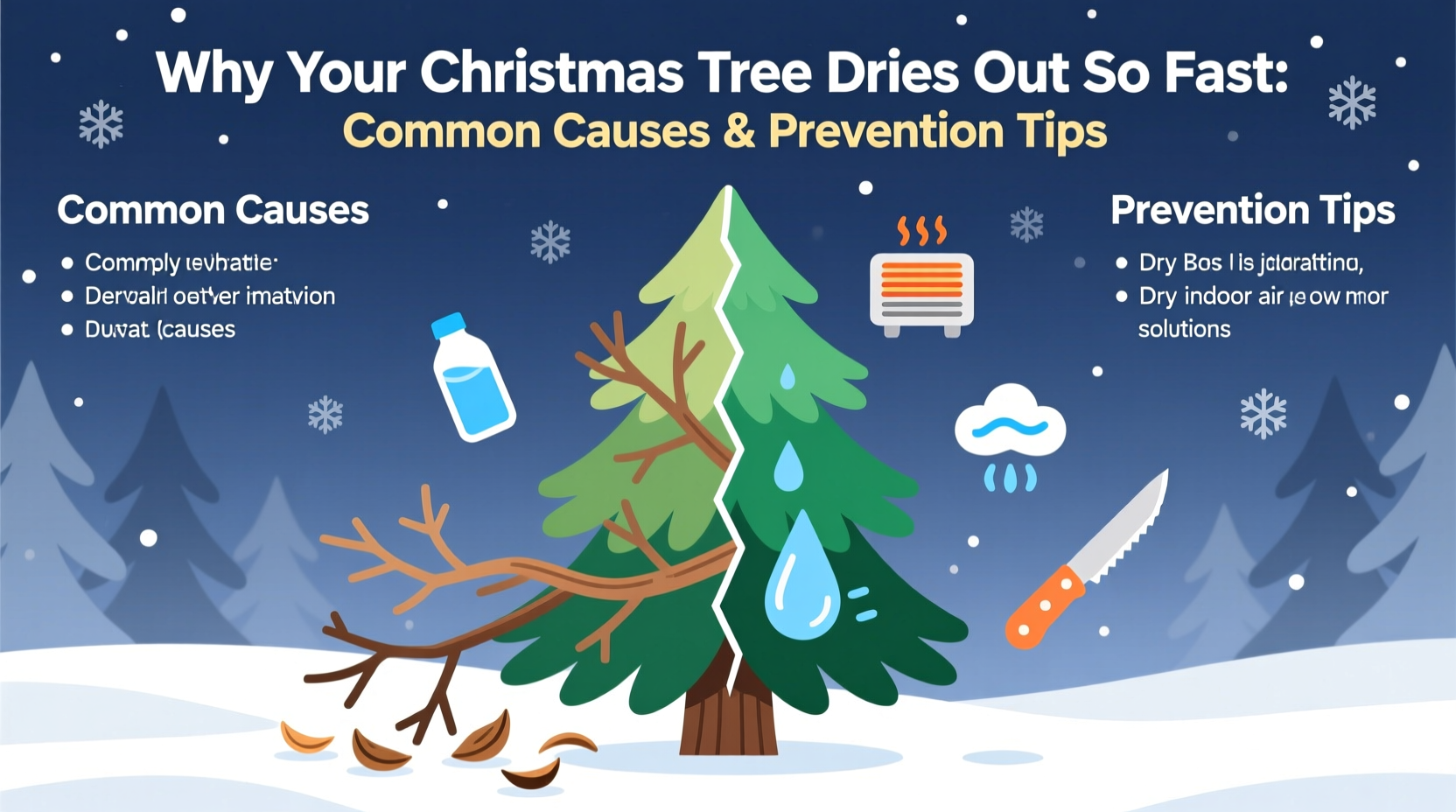
When a tree is harvested, it stops receiving nutrients and water from the soil. However, transpiration—the process by which trees release moisture through their needles—continues as long as the indoor environment allows. Warm air, low humidity, and heat sources accelerate this process, causing the tree to dehydrate rapidly.
Needle drop occurs when cells in the branches and needles lose turgor pressure due to water loss. As these cells collapse, the connection between needle and stem weakens, leading to shedding. Some species are naturally more prone to this than others. For example, White pines tend to dry faster than Fraser firs, which have denser wood and better water retention.
Another key factor is sap sealing. When a tree sits without water for more than a few hours after cutting, the exposed base forms a resinous seal that blocks water absorption—even if placed in a stand later. This single issue accounts for many cases of premature drying, regardless of subsequent care.
Top 5 Causes of Rapid Christmas Tree Drying
- Late or No Fresh Cut: Failing to recut the trunk prevents water uptake. The longer the delay, the more likely the xylem (water-conducting tissue) will be sealed by sap.
- Inadequate Water Supply: Many stands hold less than a quart of water, insufficient for daily needs. A large tree can drink over a gallon per day initially.
- Warm Indoor Temperatures: Rooms above 70°F significantly increase transpiration rates. Each 10-degree rise roughly doubles moisture loss.
- Proximity to Heat Sources: Vents, fireplaces, radiators, and even clusters of lights generate localized heat that dries out nearby branches.
- Poor Handling Before Purchase: Trees left unwatered at lots or during transport start dehydrating before they even reach your home.
These factors often compound one another. A tree exposed to sun at a retail lot, then driven home uncovered in cold wind (which increases drying), and finally placed near a heating vent with no fresh cut, faces multiple stressors from the outset.
Step-by-Step Guide to Maximizing Tree Freshness
Follow this timeline-based approach to ensure optimal hydration and minimize needle drop throughout the holiday season.
Step 1: Choose a Fresh Tree (Day of Purchase)
- Look for vibrant green needles that resist shaking. Run your hand along a branch; minimal shedding indicates freshness.
- Lift the tree slightly and tap the base on the ground. Excessive needle fall suggests age or poor storage.
- Bend a few needles—they should be flexible, not brittle.
Step 2: Recut the Trunk Immediately
- Make a straight, horizontal cut of at least ½ inch from the base.
- Do this within four hours of purchase, ideally before leaving the lot.
- If using a saw, avoid crushing the wood; clean cuts allow better capillary action.
Step 3: Place in Water Within 30 Minutes
After cutting, submerge the base in room-temperature water immediately. Use a stand with a reservoir holding at least one gallon for larger trees.
Step 4: Position Away From Heat and Drafts
- Keep at least 10 feet from radiators, vents, fireplaces, and direct sunlight.
- Avoid high-traffic areas where frequent door openings create drafts.
Step 5: Monitor Water Daily
Check the water level every morning. Refill before the reservoir runs dry. Never let the base go more than two hours without water once it's started absorbing.
Step 6: Mist Branches and Control Humidity
Spritz the tree lightly with water every few days. Consider running a humidifier nearby, especially in homes with forced-air heating, where relative humidity often drops below 30%.
Step 7: Remove Tree Before It Becomes a Fire Hazard
Dispose of the tree when needles become brittle, water consumption drops sharply, or the trunk shows visible cracking—usually after 3–4 weeks indoors.
Do’s and Don’ts: How to Care for Your Christmas Tree
| Do | Don’t |
|---|---|
| Recut the trunk before placing in stand | Skip the fresh cut or cut too little |
| Use a large-capacity water stand (1+ gallons for tall trees) | Use undersized stands that require refilling twice daily |
| Place away from heat sources and sunny windows | Set near fireplaces, radiators, or heating vents |
| Check water levels daily, especially first 7–10 days | Assume the tree doesn’t need water if it’s not visibly dry |
| Mist needles occasionally to boost humidity | Overload with incandescent lights that generate excess heat |
Real Example: A Family’s Fix for a Fast-Drying Tree
The Thompson family in Vermont had struggled for years with early needle drop. Their six-foot Balsam fir typically began shedding heavily by mid-December, covering the floor in a thick layer of debris by Christmas Eve. One year, they decided to investigate. They discovered their tree stand held only 1.2 quarts of water—far below the recommended capacity. After switching to a five-gallon stand and making a fresh cut upon arrival, they also moved the tree from beside the fireplace to a cooler corner of the living room.
The difference was immediate. The new tree drank nearly two quarts the first night and remained hydrated throughout. By misting the branches twice weekly and keeping the water topped up, they extended its freshness well into January. Total needle drop decreased by an estimated 80%, and the scent remained strong for weeks.
“Most people don’t realize how much water a fresh tree can consume in the first few days. It’s not unusual for a healthy seven-foot tree to take in over a gallon within 24 hours.” — Dr. Laura Bennett, Urban Forestry Specialist, University of Maine Cooperative Extension
Prevention Checklist: Keep Your Tree Fresh All Season
✅ Christmas Tree Freshness Checklist
- Inspect tree for flexibility and minimal needle drop before purchase
- Ensure the seller makes a fresh cut or bring your own saw
- Transport the tree in a net or cover to reduce wind exposure
- Recut ½ inch from base upon arrival home
- Place in stand with adequate water within 30 minutes
- Select a location away from heat, sun, and drafts
- Check water level every morning for the first two weeks
- Refill with plain, room-temperature water—no additives needed
- Mist branches 2–3 times per week
- Remove tree after 3–4 weeks or when signs of extreme dryness appear
Frequently Asked Questions
Can I add sugar, aspirin, or bleach to the water to help preserve the tree?
While some suggest adding household items to extend freshness, research from North Carolina State University and the National Christmas Tree Association shows no significant benefit. In fact, additives like sugar can promote bacterial growth that clogs water uptake. Plain tap water is the best choice for maintaining hydration and minimizing decay.
Why is my tree drinking less water after the first week?
It’s normal for water consumption to decrease after the initial few days. Trees absorb the most water right after being cut, when their vascular system is still active. A gradual decline is expected. However, if the water level stops dropping entirely and the needles feel dry, the base may have sealed or dried out. At that point, preservation is unlikely, and removal should be considered for safety.
Is it better to buy a real tree or an artificial one for longevity?
Artificial trees last for years but lack the sensory experience of a real tree. A real tree, properly cared for, can remain fresh for 3–4 weeks—long enough to cover the entire holiday season. The key is proactive hydration and environmental control. If you value tradition, scent, and sustainability (real trees are biodegradable and often locally grown), a real tree is worth the effort.
Conclusion: Enjoy a Fuller, Fresher Tree With Smarter Care
Your Christmas tree doesn’t have to become a short-lived decoration plagued by early needle drop. With informed choices—from selecting a fresh specimen to ensuring uninterrupted water access—you can maintain a lush, aromatic centerpiece throughout the holidays. The secret lies not in gimmicks or chemical solutions, but in understanding the biology of cut evergreens and responding to their basic needs.
Small actions make a big difference: a proper cut, consistent watering, and mindful placement can extend your tree’s life by weeks. By following the steps outlined here, you’re not just preventing mess—you’re honoring the spirit of the season with a tree that stays vibrant and full until the final celebration.




 浙公网安备
33010002000092号
浙公网安备
33010002000092号 浙B2-20120091-4
Comments
No comments yet. Why don't you start the discussion?