
Bringing a real Christmas tree into your home is a cherished tradition, evoking warmth, nostalgia, and the unmistakable scent of pine. But nothing dampens the festive spirit faster than watching your tree shed needles just days after setup. If your tree looks more like a balding relative by mid-December, you're not alone—and it’s not necessarily your fault. The truth is, many factors influence a tree’s lifespan indoors, from species selection to environmental conditions. Understanding these can make the difference between a vibrant centerpiece and a brittle disappointment.
A freshly cut Christmas tree can last four to six weeks if properly cared for. Yet, some trees begin dropping needles within 48 hours of being brought inside. This rapid decline isn’t inevitable. With the right knowledge and a few simple practices, you can significantly extend your tree’s life, keeping it lush, green, and fragrant through New Year’s Eve.
The Science Behind Needle Drop
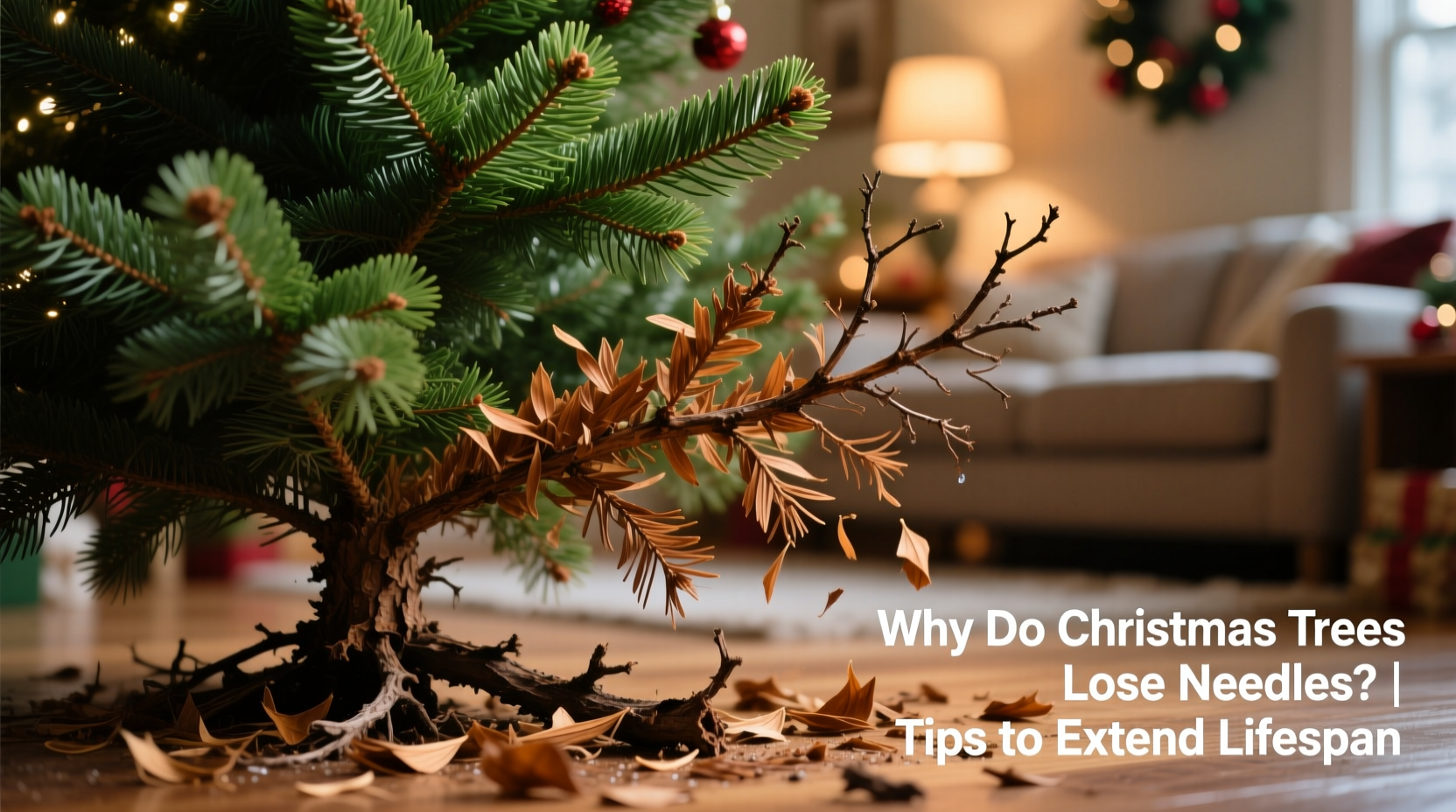
Needle loss in Christmas trees is primarily a response to stress. Trees are living organisms that rely on water uptake to maintain turgor pressure in their cells. Once cut, they’re severed from their root system, making hydration their only lifeline. When water intake drops below what’s needed, needles dry out and fall off as a survival mechanism to reduce moisture loss.
Several biological and environmental factors contribute to this process:
- Dehydration: The most common cause. A tree that doesn’t drink enough water will dry out rapidly.
- Heat exposure: Indoor heating systems create dry air, accelerating moisture loss from needles.
- Cut timing: Trees cut weeks before purchase may already be dehydrated before they reach your home.
- Species sensitivity: Some types of evergreens naturally retain needles longer than others.
According to Dr. Gary Chastagner, a leading Christmas tree pathologist at Washington State University, “The key to longevity lies in minimizing the time between cutting and water uptake. Even a two-hour delay can drastically reduce a tree’s ability to rehydrate.”
“Once a tree’s vascular system seals with sap, it can’t absorb water effectively—like trying to drink through a clogged straw.” — Dr. Gary Chastagner, WSU Puyallup Research & Extension Center
Choosing the Right Tree for Longevity
Not all Christmas trees are created equal when it comes to needle retention. Your choice of species plays a crucial role in how long your tree will stay fresh.
| Tree Species | Needle Retention | Pros | Cons |
|---|---|---|---|
| Frasier Fir | Excellent | Strong fragrance, sturdy branches, excellent water uptake | Premium price, limited availability outside Southeastern U.S. |
| Balsam Fir | Very Good | Classic pine scent, soft needles, good water retention | Sensitive to heat, shorter shelf life if not hydrated promptly |
| Noble Fir | Excellent | Dense foliage, strong structure, fire-resistant | Less aromatic, higher cost |
| Scotch Pine | Good | Inexpensive, holds needles well, retains shape | Stiff needles, less natural scent |
| White Pine | Poor | Soft, blue-green needles, lightweight | Prone to needle drop, weak branches, dries quickly |
| Colorado Blue Spruce | Fair | Striking silver-blue color, stiff branches | Sharp needles, poor indoor longevity, high sap |
If longevity is your top priority, opt for a Frasier or Noble fir. Avoid white pines and spruces unless you plan to decorate later in December and remove the tree quickly.
Step-by-Step Guide to Maximizing Freshness
From transport to final placement, every step affects your tree’s lifespan. Follow this timeline to ensure optimal care:
- Inspect Before Purchase: Gently shake the tree. Minimal needle drop is normal, but excessive shedding indicates dehydration or poor health.
- Cut the Base (Even if Pre-Cut): Before placing it in the stand, make a fresh 1/4-inch diagonal cut. This opens the xylem tubes for better water absorption.
- Hydrate Immediately: Place the tree in a water-filled stand within 30 minutes of cutting. Never let the cut end dry out.
- Use a Large Water Reservoir: A standard tree consumes 1–2 quarts of water daily. Use a stand holding at least 1 gallon.
- Keep Away from Heat Sources: Position the tree at least 6 feet from radiators, fireplaces, vents, and direct sunlight.
- Maintain Water Levels: Check the reservoir twice daily. A dry stand even once can cause the cut to seal shut.
- Add Humidity: Run a humidifier nearby, especially in dry heated homes. Aim for 40–50% relative humidity.
- Limit Light Exposure: Turn off tree lights when not in use. LEDs generate less heat than incandescent bulbs.
This sequence isn’t optional—it’s essential. Skipping even one step can trigger irreversible dehydration.
Common Mistakes That Kill Your Tree Early
Many well-intentioned habits actually shorten a tree’s life. Avoid these pitfalls:
- Using old or dirty water: Stagnant water breeds bacteria that block water uptake. Change it every 3–4 days or add a commercial tree preservative.
- Adding soda, aspirin, or bleach: These home remedies don’t help and may harm. Plain tap water is best.
- Waiting to water: Trees can absorb over a gallon in the first 24 hours. Delaying watering by even a few hours reduces uptake capacity.
- Overloading branches: Heavy ornaments stress limbs and increase moisture loss.
- Placing near entryways: Drafts from doors accelerate drying.
“The biggest mistake people make is assuming the tree will ‘last until New Year’s’ without active care. It won’t. It needs daily attention like a houseplant.” — Sarah Johnson, Certified Arborist and Holiday Horticulturist
Real-Life Example: The Office Tree That Lasted Until January 15
A marketing firm in Portland, Oregon, struggled for years with early needle drop in their annual office tree. In 2022, they hired a horticulture consultant to assess their setup. The team discovered several issues: the tree was stored in a garage for two days before display, the stand held only half a gallon, and overhead HVAC vents blew warm air directly onto the branches.
They implemented changes: purchased a locally harvested Frasier fir, made a fresh cut upon arrival, used a 2-gallon stand, added a humidifier, and redirected airflow. The result? The tree remained fully needled and vibrant until January 15—nearly five weeks after installation. Employee morale improved, and the company now uses the same protocol annually.
This case illustrates that success isn’t about luck—it’s about consistency and attention to detail.
Checklist: How to Keep Your Christmas Tree Fresh
Print or save this checklist to ensure you cover every critical step:
- ☐ Choose a long-retention species (e.g., Frasier or Noble fir)
- ☐ Verify harvest date—ideally within the past week
- ☐ Make a fresh 1/4-inch cut before placing in stand
- ☐ Fill stand with room-temperature water immediately
- ☐ Use a stand holding at least 1 gallon of water
- ☐ Place tree away from heat sources and direct sun
- ☐ Check water level twice daily—never let it run dry
- ☐ Replace water every 3–4 days to prevent bacterial growth
- ☐ Use LED lights to minimize heat exposure
- ☐ Run a humidifier in the same room if indoor air is dry
Frequently Asked Questions
Can I revive a dried-out Christmas tree?
Once a tree has severely dehydrated—indicated by brittle bark, brown needles, and no water uptake—revival is nearly impossible. Prevention is key. If caught early, submerging the base in warm water for several hours might help, but results are inconsistent.
Do tree preservatives really work?
Commercial preservatives can help, but only if used correctly. Most contain fungicides and wetting agents that improve water flow. However, plain water works well if changed regularly. Avoid DIY mixes like sugar or vodka—they offer no benefit and may promote mold.
Is it better to buy a potted live tree?
While noble in intent, potted trees often struggle when moved indoors. The transition from cold outdoors to warm interiors shocks the roots, and most evergreens aren’t adapted to indoor growing. If you choose a living tree, keep it inside for no more than 7–10 days and acclimate it gradually. Otherwise, stick with cut trees and recycle them responsibly after the holidays.
Final Thoughts: Make Your Tree Last
A Christmas tree doesn’t have to be a short-term decoration. With informed choices and consistent care, it can remain a beautiful, fragrant focal point throughout the entire holiday season. The secret lies in understanding the tree’s biology and respecting its needs. From selecting the right species to maintaining daily hydration, every action counts.
Think of your tree not just as decor, but as a living guest in your home—one that deserves thoughtful hospitality. By following the steps outlined here, you’ll not only reduce waste and save money, but also deepen the joy of the season with a tree that truly lasts.




 浙公网安备
33010002000092号
浙公网安备
33010002000092号 浙B2-20120091-4
Comments
No comments yet. Why don't you start the discussion?