
There’s nothing more disheartening than setting up a lush, fragrant Christmas tree only to find it shedding needles in clumps just days later. A dry, brittle tree not only mars the festive ambiance but can also pose a fire hazard. Yet this common issue is often preventable. The truth is, needle drop isn’t inevitable—it’s usually the result of stress factors that begin before the tree even reaches your living room. From species selection to post-harvest handling, multiple elements influence how long your tree stays vibrant. Understanding these causes and applying practical care techniques can extend your tree’s freshness by weeks, ensuring it remains a centerpiece of holiday cheer through New Year’s.
The Science Behind Needle Drop
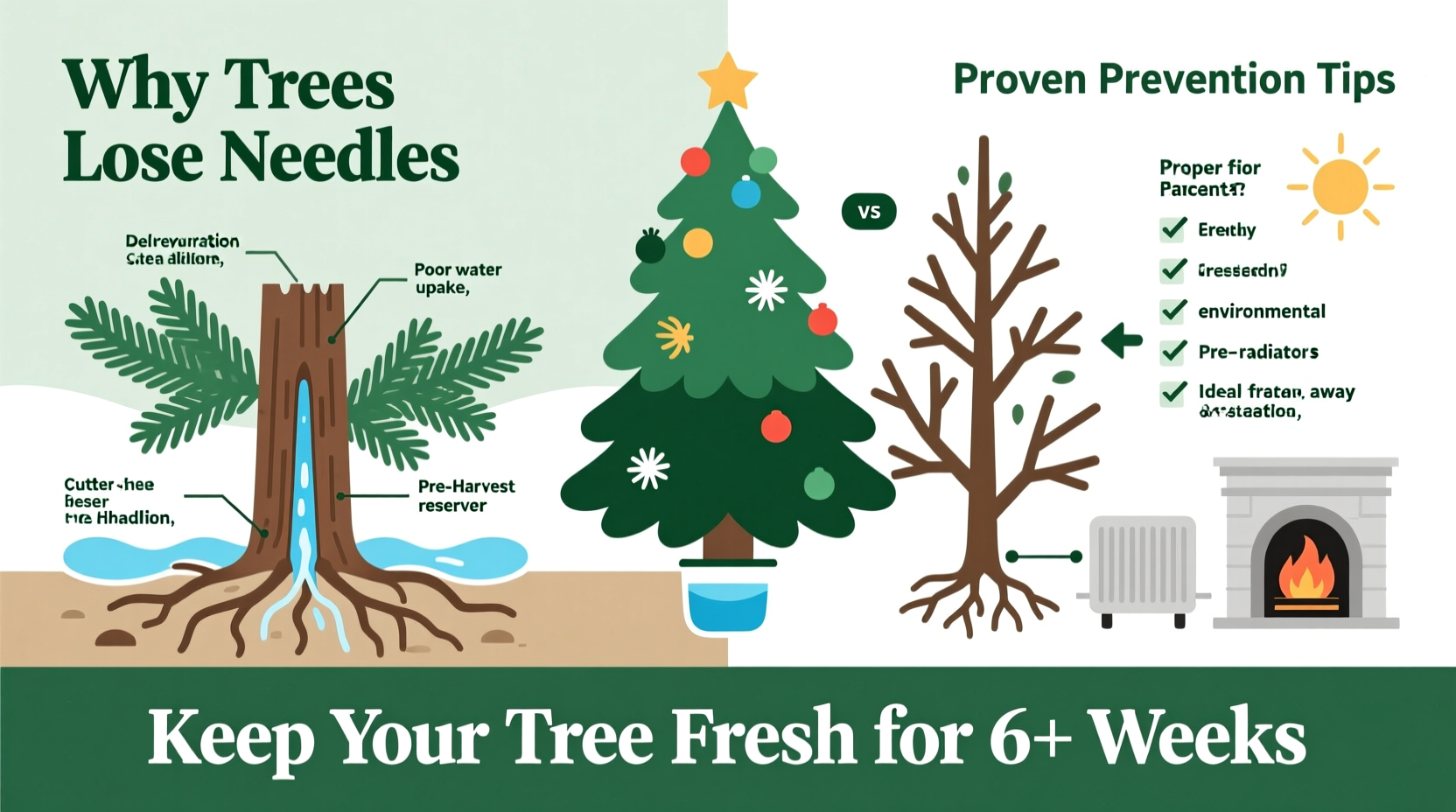
Christmas trees are evergreens, meaning they retain their foliage year-round. However, once cut, they are severed from their water and nutrient supply. Without roots to absorb moisture, the tree begins to dry out immediately. As cells in the needles dehydrate, they weaken and eventually detach. This process accelerates under certain conditions—low humidity, high temperatures, and delayed water uptake being the most significant culprits.
Research from the Department of Horticulture at Cornell University shows that a freshly cut Fraser fir can lose up to 50% of its moisture within the first 72 hours if not placed in water promptly. Once the cut end seals over with sap, the tree's ability to reabsorb water drops dramatically. That’s why timing and initial care are critical—not just after you bring it home, but from the moment it’s harvested.
“Needle retention is less about the tree’s health when cut and more about how quickly it gets into water afterward.” — Dr. Robert Kjelgren, Urban Water Conservation Specialist, University of Utah
Common Causes of Rapid Needle Loss
Several interrelated factors contribute to premature drying and needle drop. Identifying them helps target effective solutions.
1. Delayed Watering After Cutting
The single biggest mistake people make is waiting too long to place the tree in water. When a tree sits out of water for more than four to six hours, the exposed xylem tissue (the internal “straws” that carry water) forms an air embolism or seal, blocking future absorption. Even if water is added later, the tree may not be able to drink effectively.
2. Poor Species Selection
Not all Christmas trees are created equal. Some species naturally retain needles longer than others. For example, Noble firs and Fraser firs are known for excellent needle retention, while white pines and spruces may shed more readily—even under ideal conditions.
3. Low Indoor Humidity
Winter indoor air is notoriously dry, especially with heating systems running. Relative humidity in heated homes often falls below 30%, far below the 50–60% recommended for tree health. Dry air pulls moisture from the needles, accelerating dehydration.
4. Heat Exposure
Trees placed near radiators, fireplaces, or heat vents lose moisture faster. One study found that a tree near a heat source can lose twice as much water per day compared to one in a cooler area.
5. Inadequate Water Supply
A large tree can consume over a quart of water per day. If the stand’s reservoir runs dry even once, the cut end can reseal, cutting off hydration permanently. Many stands hold less water than needed, requiring daily refills.
How to Choose a Tree That Lasts
Prevention starts at the lot. Selecting a healthy tree with good moisture levels gives you a head start. Follow this checklist when shopping:
- Check for flexibility: Gently run your hand over a branch. Needles should stay firmly attached and feel pliable, not brittle.
- Tap the trunk: Lift the tree slightly and tap the base on the ground. Fewer than a dozen falling needles is normal; excessive shedding indicates dehydration.
- Smell matters: A strong pine or balsam scent suggests freshness and intact resins.
- Look at the cut: The base should be sticky with sap. A dry, dull cut means the tree was cut too long ago.
Species choice plays a major role. Below is a comparison of common Christmas trees based on needle retention and care needs:
| Tree Species | Needle Retention | Water Needs | Best For |
|---|---|---|---|
| Fraser Fir | Excellent | High | Cool homes, long display periods |
| Noble Fir | Excellent | Moderate | Dry climates, decorated heavily |
| Balsam Fir | Good | High | Fragrance lovers, humid areas |
| Scotch Pine | Very Good | Moderate | Families with kids or pets |
| White Pine | Poor | Low | Short-term displays, allergy-sensitive homes |
| Colorado Blue Spruce | Fair | Moderate | Decorative use, cool rooms |
Step-by-Step Guide to Maximizing Freshness
Once you’ve selected your tree, follow this timeline to ensure peak condition throughout the holidays:
- Day 0 – Purchase & Transport: Have the lot make a fresh cut if possible. Keep the tree in a shaded, protected area during transport. Avoid leaving it in a hot car or trailer bed.
- Within 4 Hours – Home Preparation: Before setting up, recut ¼ to ½ inch from the base. Use a sharp handsaw for a clean cut—avoid crushing the wood with axes or shears.
- Immediately After Cutting – Hydrate: Place the tree in a sturdy stand filled with room-temperature water. Ensure the stand holds at least one quart per inch of trunk diameter.
- Days 1–3 – Monitor Water Levels: Check the water level twice daily. The first 48 hours are critical—trees absorb the most water initially.
- Ongoing Care – Environment Control: Keep the tree away from heat sources. Use a humidifier nearby if indoor air is dry. Rotate lights off when not viewing to reduce heat exposure.
- Weekly – Maintenance: Top off water daily. Remove fallen needles from the stand to prevent mold and bacterial growth that can clog water uptake.
Real Example: The Office Tree That Lasted Until January 10
In a Portland-based marketing firm, the annual tradition of decorating a 9-foot Balsam fir had long ended in disappointment—needles covered the floor by December 20. In 2022, the office manager, Sarah Lin, decided to apply horticultural best practices after reading a university extension guide.
She sourced the tree directly from a local farm, ensuring it was cut no more than 24 hours before delivery. Upon arrival, she made a fresh cut and placed it in a 3-gallon stand. The tree was positioned in a corner away from HVAC vents, and a small humidifier ran nearby. Staff were assigned rotating shifts to check water levels each morning.
The result? The tree remained fully hydrated and virtually needle-free until it was taken down on January 10. Colleagues commented on its fragrance and fullness, and the company now uses the same protocol every year.
Do’s and Don’ts for Christmas Tree Care
To reinforce proper habits, here’s a clear summary of key actions:
| Do | Don’t |
|---|---|
| Make a fresh cut before placing in the stand | Use a dull tool that crushes the trunk |
| Keep water levels above the cut at all times | Let the reservoir go dry, even briefly |
| Place the tree in a cool area away from heat | Set it near a fireplace or radiator |
| Use LED lights (they emit less heat) | String old incandescent bulbs close to branches |
| Check for pests before bringing indoors | Shake the tree outside to dislodge spiders or eggs |
FAQ: Common Questions About Needle Drop
Can I revive a dry Christmas tree?
If the tree has been out of water for less than 12 hours, a fresh cut and immediate placement in water may restore some hydration. However, if needles are already brown and brittle, revival is unlikely. Prevention is far more effective than attempted recovery.
Does spraying the tree with water help?
Misting provides minimal benefit. While it may temporarily increase surface moisture, it doesn’t address internal dehydration. The real solution is consistent water uptake through the trunk. Misting can also encourage mold on ornaments or carpets.
Are artificial trees better for preventing mess?
Artificial trees eliminate needle drop and can be reused for years, making them a low-maintenance alternative. However, they lack the natural scent and environmental benefits of real trees (which are renewable crops). If you prefer real trees, proper care reduces mess significantly.
Final Checklist: 7 Steps to a Longer-Lasting Tree
- Select a species known for good needle retention (e.g., Fraser or Noble fir).
- Ensure the tree is freshly cut—ideally within 24–48 hours of purchase.
- Make a fresh ½-inch cut at the base before placing in the stand.
- Use a stand that holds at least 1 gallon of water for a 7-foot tree.
- Fill the stand with plain water and check levels twice daily.
- Keep the tree away from heat sources, direct sunlight, and vents.
- Remove the tree before it becomes a fire hazard—typically after four weeks.
“A Christmas tree is a living plant, not a piece of furniture. Treat it like one, and it will reward you with beauty and scent all season.” — Linda Chalker-Scott, Ph.D., Arborist and Extension Horticulturist, Washington State University
Conclusion: Keep Your Tree Fresh, Safe, and Festive
Your Christmas tree doesn’t have to become a carpet of needles by mid-December. With informed choices and consistent care, a real tree can remain vibrant and safe for five to six weeks. The key lies in understanding that hydration starts the moment the tree is cut—not when you get it home. From selecting the right species to maintaining a steady water supply and managing indoor climate, each step plays a role in preserving freshness.
This holiday season, commit to treating your tree like the living plant it is. Apply these proven methods, share what works with friends and family, and enjoy a greener, safer, and more beautiful celebration. And if you discover a trick that keeps your tree looking perfect until Epiphany, let others know—because great traditions grow from shared knowledge.




 浙公网安备
33010002000092号
浙公网安备
33010002000092号 浙B2-20120091-4
Comments
No comments yet. Why don't you start the discussion?