
Bringing a fresh Christmas tree into your home is one of the most cherished holiday traditions. The scent of pine, the soft glow of lights among the branches—it all contributes to a warm, festive atmosphere. But when you notice your tree shedding needles just days after setup, concern sets in. Is this normal? Did you do something wrong? Could the tree have been unhealthy from the start?
The truth is, some needle drop is expected, especially with real trees. However, excessive shedding within the first few days can signal underlying issues related to species, handling, hydration, or environmental conditions. Understanding the causes and knowing how to respond can make the difference between a vibrant centerpiece and a prematurely balding evergreen.
Understanding Needle Drop: Natural vs. Problematic Shedding
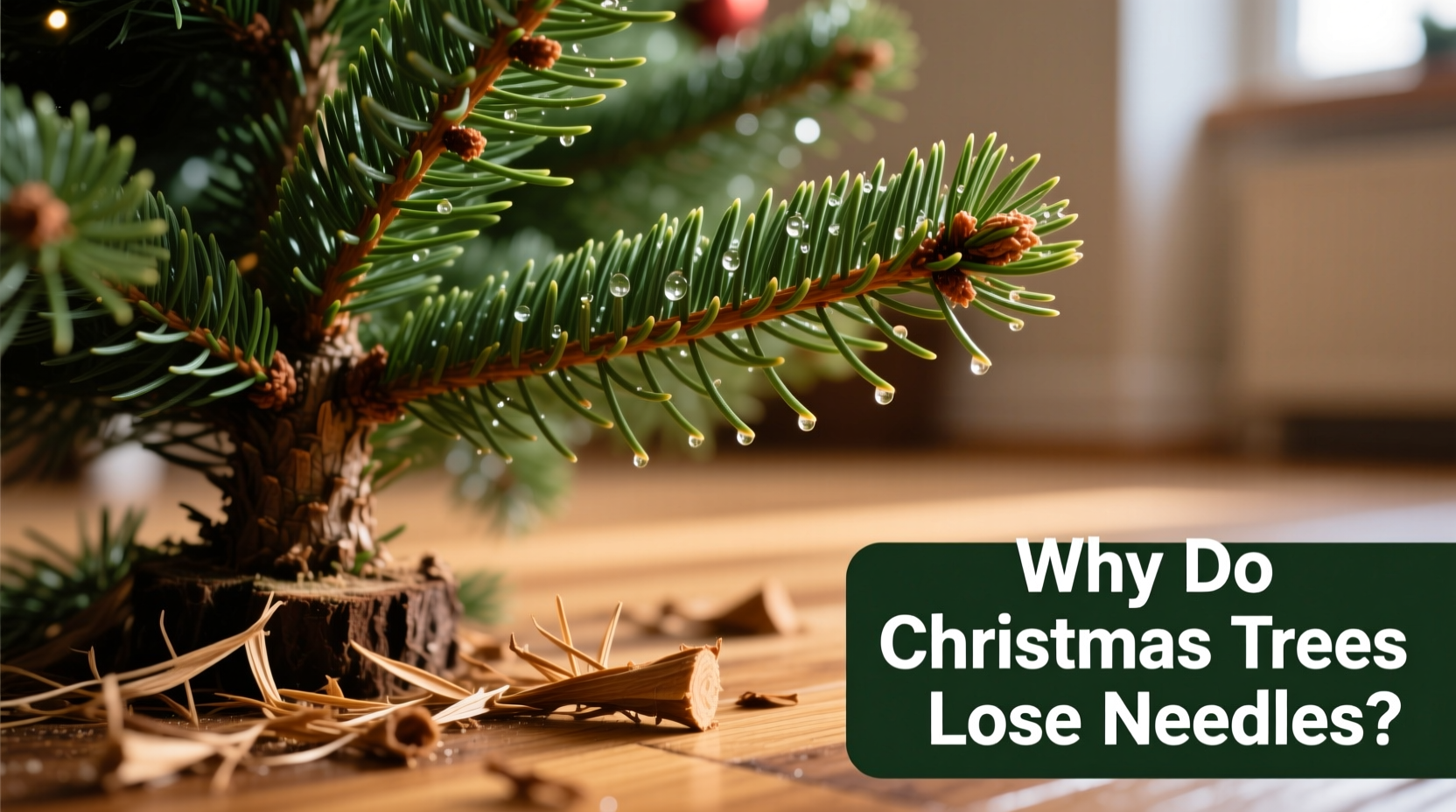
All coniferous trees, including popular Christmas varieties like Fraser fir, Balsam fir, and Douglas fir, naturally shed older needles over time. In nature, this process occurs gradually as part of the tree’s lifecycle. When cut for holiday use, the stress of being removed from its root system accelerates dehydration, which in turn speeds up needle loss.
It’s important to distinguish between normal seasonal shedding and abnormal, rapid needle drop:
- Normal shedding: A few brown or yellowed needles at the base of lower branches may fall off during the first week. This is typically older growth that was already nearing the end of its lifespan.
- Abnormal shedding: If green, healthy-looking needles are dropping in large quantities—especially when you gently shake or touch the branches—the tree is likely under significant stress.
Rapid needle loss within 48–72 hours of bringing the tree home is not typical and usually indicates poor post-harvest handling, inadequate hydration, or exposure to drying environments.
“Freshness is everything. A well-cut, freshly harvested tree stored properly before sale can retain its needles for four to six weeks indoors—if kept hydrated.” — Dr. Laura Hemer, Urban Forestry Specialist, University of Vermont Extension
Key Causes of Early Needle Loss
Several factors contribute to premature needle shedding. Identifying them helps prevent future issues and informs better choices next season.
1. Dehydration After Harvest
Once a tree is cut, it no longer receives water through roots. Without immediate access to a water source, cellular moisture begins to deplete rapidly. If the tree sits unwatered for more than a few hours—whether on a lot, in transit, or during delivery—it starts to dry out internally.
A critical step often overlooked is making a fresh cut (about ½ inch) off the base of the trunk before placing it in the stand. This removes any sealed sap layer and opens the vascular system so it can absorb water effectively.
2. Delayed Placement in Water
Every hour counts. Research from the Christmas Tree Promotion Board shows that a tree left out of water for just six hours can reduce its indoor lifespan by up to 50%. Once the cut end seals over with sap, rehydration becomes nearly impossible.
3. Indoor Environmental Stressors
Homes during winter are often warm and dry—ideal for people but harsh for evergreens. Common culprits include:
- Heat sources (radiators, fireplaces, heating vents)
- Direct sunlight through south-facing windows
- Low humidity levels caused by forced-air heating systems
These conditions accelerate transpiration (moisture loss from needles), leading to brittle foliage and early drop.
4. Species-Specific Tendencies
Not all Christmas trees are created equal. Some species hold their needles longer than others. For example:
| Tree Species | Needle Retention (Average) | Common Issues |
|---|---|---|
| Fraser Fir | Excellent (4–6 weeks) | Sensitive to heat; needs consistent water |
| Balsam Fir | Very Good (3–5 weeks) | Strong fragrance attracts pests if not cleaned |
| Douglas Fir | Good (3–4 weeks) | Needles drop faster once dry; lightweight branches |
| Noble Fir | Excellent (5+ weeks) | Expensive; less aromatic |
| White Pine | Fair (2–3 weeks) | Soft needles, rarely sheds—but doesn’t last long if dry |
If you’re consistently experiencing early needle loss, consider switching to a longer-retaining variety like Noble or Fraser fir.
Step-by-Step Guide to Maximizing Tree Freshness
Follow this timeline-based approach to ensure your tree stays lush throughout the holidays:
- Day 1 – Purchase & Transport
Select a tree with flexible, green needles and minimal drop when shaken. Keep it covered during transport to reduce wind exposure. - Immediately Upon Arrival
Make a fresh ½-inch cut on the trunk base. Do not angle the cut—this reduces water uptake surface area. Place it in a stand filled with room-temperature water within 30 minutes. - Days 1–2 – Acclimation
Keep the tree away from direct heat sources. Allow it to rehydrate fully before decorating. Check water levels twice daily; a new tree can drink over a quart per day initially. - Days 3–30 – Maintenance
Refill the stand every evening. Avoid letting the water level drop below the base. Wipe dust from branches weekly to improve moisture retention. - Post-Holiday Removal
Remove the tree before it dries out completely. Most municipalities offer recycling programs. Never burn old Christmas trees indoors—resin buildup creates dangerous creosote in chimneys.
Real Example: The Overheated Living Room Dilemma
Sarah from Portland, Maine, bought a beautiful 7-foot Balsam fir from a local farm two years ago. She followed all instructions: made a fresh cut, placed it in water immediately, and decorated carefully. Yet by day three, she noticed alarming needle drop.
After consulting an arborist, she realized her mistake: the tree stood directly in front of a floor vent that blew hot air continuously. Despite adequate water, the constant blast of dry heat accelerated moisture loss. The following year, she moved the tree to a cooler corner and installed a small humidifier nearby. Result? The tree stayed full and fragrant until January 6th.
This case illustrates how environmental placement can override even perfect hydration practices.
Checklist: How to Prevent Premature Needle Loss
Use this actionable checklist before and after setting up your tree:
- ☑ Choose a fresh tree—perform the “bend test” (needles should spring back, not snap)
- ☑ Shake the tree lightly—minimal green needle drop is acceptable
- ☑ Make a fresh straight cut on the trunk before placing in stand
- ☑ Fill the stand with water immediately and check levels daily
- ☑ Keep the tree away from radiators, fireplaces, and sunny windows
- ☑ Use a humidifier in dry rooms to maintain ambient moisture
- ☑ Avoid over-lighting—LEDs produce less heat than incandescent bulbs
- ☑ Remove the tree before it becomes excessively dry (typically after 4 weeks)
Frequently Asked Questions
Is it normal for a Christmas tree to lose needles within days?
Minor shedding of older, inner needles is normal. However, significant loss of green, outer needles within 2–3 days indicates the tree was either dehydrated at purchase or exposed to drying conditions afterward. This is not considered normal and suggests improper care or freshness issues.
Can I revive a Christmas tree that’s already losing needles?
If needle loss began shortly after setup and the trunk was not freshly cut, try reviving it: remove the tree from the stand, make a new ½-inch cut, and place it in a bucket of water outdoors (if freezing isn't expected). Let it soak for 4–6 hours before returning it indoors. While results vary, some trees will resume water uptake and stabilize.
Do fake trees solve the needle problem?
Artificial trees eliminate needle shedding entirely and can be reused for years, making them a practical alternative. However, they lack the natural fragrance and tradition many associate with real trees. If allergies, pet safety, or maintenance are concerns, high-quality artificial firs with hinged branches offer a realistic, low-maintenance option.
Conclusion: Protect Your Tradition with Proactive Care
A Christmas tree shedding needles within days is not inherently normal—and it doesn’t have to happen. With proper selection, immediate hydration, and thoughtful placement, you can enjoy a lush, aromatic tree throughout the entire holiday season. The key lies in recognizing that a cut tree is still alive, albeit temporarily, and requires ongoing care to thrive indoors.
Start by choosing a resilient species, insist on a fresh cut, and commit to daily water checks. Small actions compound into meaningful results: fewer needles on your floor, longer enjoyment, and a more sustainable celebration.




 浙公网安备
33010002000092号
浙公网安备
33010002000092号 浙B2-20120091-4
Comments
No comments yet. Why don't you start the discussion?