
Bringing home a fresh Christmas tree is one of the most cherished holiday traditions. The scent of pine, the sparkle of lights, and the warmth it brings to your living room all contribute to the magic of the season. But nothing dampens that joy faster than watching your tree shed needles in clumps just days after setup. If you've ever asked, “Why does my Christmas tree lose needles so quickly?” you're not alone. Thousands of households face this issue each year, often due to preventable factors. The good news? With the right knowledge and a few practical steps, you can significantly extend your tree’s freshness and keep it looking lush through New Year’s.
The Science Behind Needle Drop
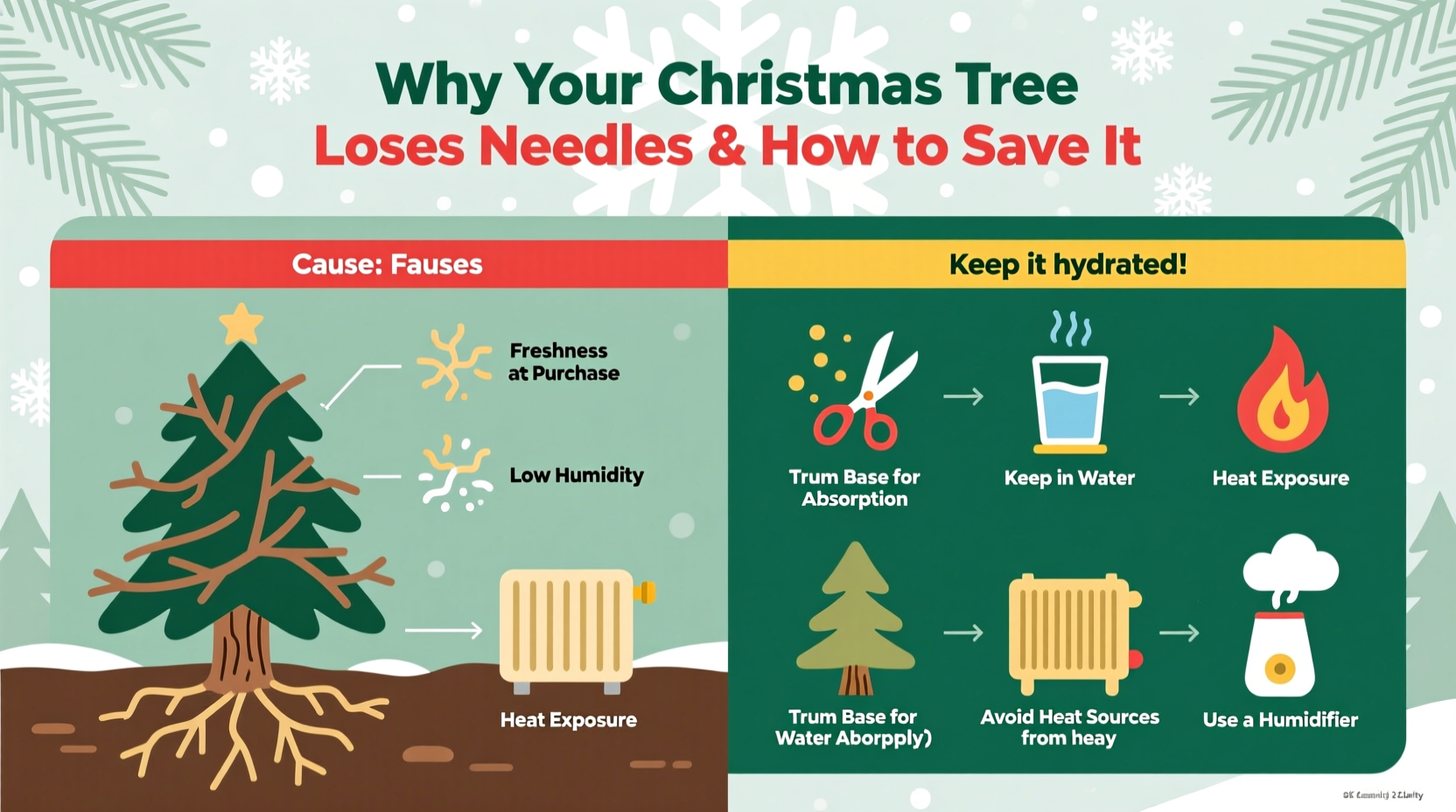
Christmas trees are cut from living forests or farms, meaning they’re severed from their water source the moment they’re harvested. Once detached, the tree begins a natural dehydration process. The tracheids—tiny vascular tubes in the trunk—start to seal over when exposed to air, reducing the tree’s ability to absorb water later on. This is why timing and initial care are critical.
Different species have varying levels of needle retention. For example, Fraser firs and Balsam firs are known for excellent moisture retention and strong needle-holding ability. In contrast, White pines and spruces may drop needles more readily if not properly cared for. However, even the hardiest tree will fail prematurely under poor conditions.
“Tree longevity isn’t just about species—it’s about hydration management from the moment it’s cut.” — Dr. Laura Simmons, Forest Ecologist at the University of Vermont
Top 5 Causes of Rapid Needle Loss
1. Delayed Watering After Harvest
If more than four hours pass between cutting and placing the tree in water, the sap seals the cut end, drastically limiting water uptake. Even if you buy a pre-cut tree, this seal can form during transport.
2. Insufficient Water Levels
A freshly cut tree can drink up to a gallon of water in the first 24 hours. If the water level drops below the base, the trunk reseals, and absorption stops. Many people refill only once a day, unaware that their tree may have gone dry for several hours.
3. Heat Exposure
Placing your tree near heat sources like fireplaces, radiators, heating vents, or even clusters of incandescent lights accelerates drying. Warm indoor air reduces humidity and increases transpiration, causing the tree to lose moisture faster than it can replace it.
4. Poor Trunk Cut
A jagged or angled cut limits surface area for water absorption. A straight, clean cut across the grain ensures maximum contact with water. Trees sold at roadside stands sometimes have old, compressed cuts made days earlier, which severely impair hydration.
5. Low Indoor Humidity
Winter indoor air is notoriously dry, especially with heating systems running. Relative humidity in heated homes often drops below 30%, far below the 50%+ ideal for tree health. Dry air pulls moisture from needles, making them brittle and prone to shedding.
Step-by-Step Guide to Reviving and Preserving Your Tree
Even if your tree is already showing signs of stress, it’s not too late. Follow this timeline to reverse early dehydration and lock in freshness.
- Re-cut the Base (Day 1): Remove ½ to 1 inch from the bottom of the trunk with a handsaw. Do this yourself, even if it was pre-cut. Make sure the cut is flat and perpendicular to the trunk.
- Place Immediately in Water: Within 15 minutes of cutting, submerge the base in room-temperature water. Use a stand with a large reservoir—minimum 1 gallon capacity for a 7-foot tree.
- Use Additives Wisely: While plain water works best, some studies suggest a mix of water + lidocaine (yes, the anesthetic) can reduce stress responses in conifers. Avoid commercial “tree preservatives” filled with sugar—these promote bacterial growth that clogs water uptake.
- Relocate Away from Heat Sources: Move the tree at least 6 feet from radiators, vents, or electronics. Avoid south-facing windows that get intense midday sun.
- Mist Daily: Spray the branches lightly with water every evening. This mimics outdoor dew and slows moisture loss.
- Monitor Water Religiously: Refill as needed to keep the base submerged. Don’t wait until the reservoir is empty—check morning and night.
- Add Humidity: Run a humidifier nearby, especially in dry climates. Aim for 40–50% relative humidity.
Do’s and Don’ts: Quick Reference Table
| Do | Don’t |
|---|---|
| Re-cut the trunk before placing in stand | Use a pre-cut tree without recutting |
| Keep water level above the base at all times | Let the stand run dry even for a few hours |
| Place away from heat sources and direct sun | Put near fireplace or heating vent |
| Mist the tree lightly each evening | Spray with chemical anti-desiccant sprays (can damage lights) |
| Use LED lights (they emit less heat) | String multiple strands of old incandescent bulbs |
Real Example: The Minnesota Family’s Near-Miracle Turnaround
The Peterson family in Minneapolis bought a 7-foot Colorado Blue Spruce on a Saturday morning. By Monday, the floor was covered in needles, and the branches felt brittle. They assumed it was a bad batch—until their neighbor, a horticulture student, stopped by.
She noticed the stand had less than an inch of water and the tree was three feet from a forced-air vent. She advised immediate action: turn off the vent, move the tree, re-cut the trunk, and refill with water. The Petersons followed her steps and added a small humidifier nearby.
Within 24 hours, the tree began absorbing over two quarts of water daily. Needle drop slowed dramatically. By Christmas Eve, the tree was still vibrant, losing fewer than five needles a day. It remained standing and green through January 2nd—the longest any of their trees had lasted.
Checklist: Pre-Setup Tree Care Protocol
- ☐ Buy your tree no more than 3 weeks before Christmas
- ☐ Transport it horizontally or in a sleeve to prevent needle damage
- ☐ Re-cut the trunk by at least ½ inch before placing in stand
- ☐ Fill stand with room-temperature water immediately
- ☐ Choose a location away from heat, sun, and drafts
- ☐ Test water level twice daily for the first week
- ☐ Use LED lights to minimize heat exposure
- ☐ Mist the tree every evening with a spray bottle
- ☐ Keep pets from knocking into or chewing the tree
- ☐ Monitor for excessive browning or brittleness
Frequently Asked Questions
Can I save a tree that’s already dropping needles heavily?
Yes—if the trunk is still green inside and the branches bend without snapping. Perform a fresh cut, place in water immediately, and follow the revival steps. Most trees respond within 24 hours if dehydration is the cause.
Does adding aspirin, sugar, or bleach to the water help?
No. Peer-reviewed studies from North Carolina State University and the Christmas Tree Research Council show that plain tap water outperforms additive solutions. Sugar feeds bacteria; bleach harms plant tissues; aspirin has inconsistent results. Stick to clean water.
How long should a healthy Christmas tree last indoors?
A well-cared-for tree should stay fresh for 3–4 weeks. Some species like Fraser fir can last up to 5 weeks with optimal care. Anything shorter usually indicates a care issue, not a defective tree.
Expert Insight: What Farmers Want You to Know
Christmas tree farmers invest years—often 7 to 10—growing each tree. When customers complain about needle drop, many assume it’s the tree’s fault. But industry experts emphasize that post-harvest care is the real determinant of longevity.
“We grow resilient trees, but once they leave the farm, their survival depends entirely on the consumer. A simple recut and consistent watering can make the difference between a 5-day and a 5-week tree.” — Mark Reynolds, Owner of Green Ridge Tree Farm, North Carolina
Farmers recommend buying locally to reduce transit time and choosing trees that have been stored in shaded, water-filled racks. Shaking the tree before purchase can also reveal hidden needle weakness—excessive shedding during shaking is a red flag.
Conclusion: Enjoy a Longer-Lasting Holiday Centerpiece
Your Christmas tree doesn’t have to be a short-lived decoration. Needle loss within days is not inevitable—it’s a warning sign of unmet needs. By understanding the causes of dehydration and taking proactive steps, you can preserve your tree’s beauty and fragrance throughout the entire holiday season.
It starts with a sharp saw and a full water stand. It continues with daily attention and smart placement. And it ends with a tree that stays lush, safe, and joyful until it’s time to take it down. This isn’t just about appearance; it’s about honoring the tradition, the effort, and the living nature of your centerpiece.




 浙公网安备
33010002000092号
浙公网安备
33010002000092号 浙B2-20120091-4
Comments
No comments yet. Why don't you start the discussion?