
Bringing home a fresh Christmas tree is one of the most cherished holiday traditions. The scent of pine, the warmth of family moments, and the joy of decorating — it all centers around that perfect evergreen centerpiece. But nothing dampens the spirit faster than walking into your living room two or three days later to find a carpet of fallen needles under the tree.
Needle drop within days of setup isn't normal for a healthy, well-cared-for tree. While some shedding is expected over time, rapid loss signals underlying issues in handling, hydration, or environment. Understanding the root causes and knowing how to respond quickly can save your tree — and your holiday mood.
The Science Behind Needle Drop: What You Need to Know
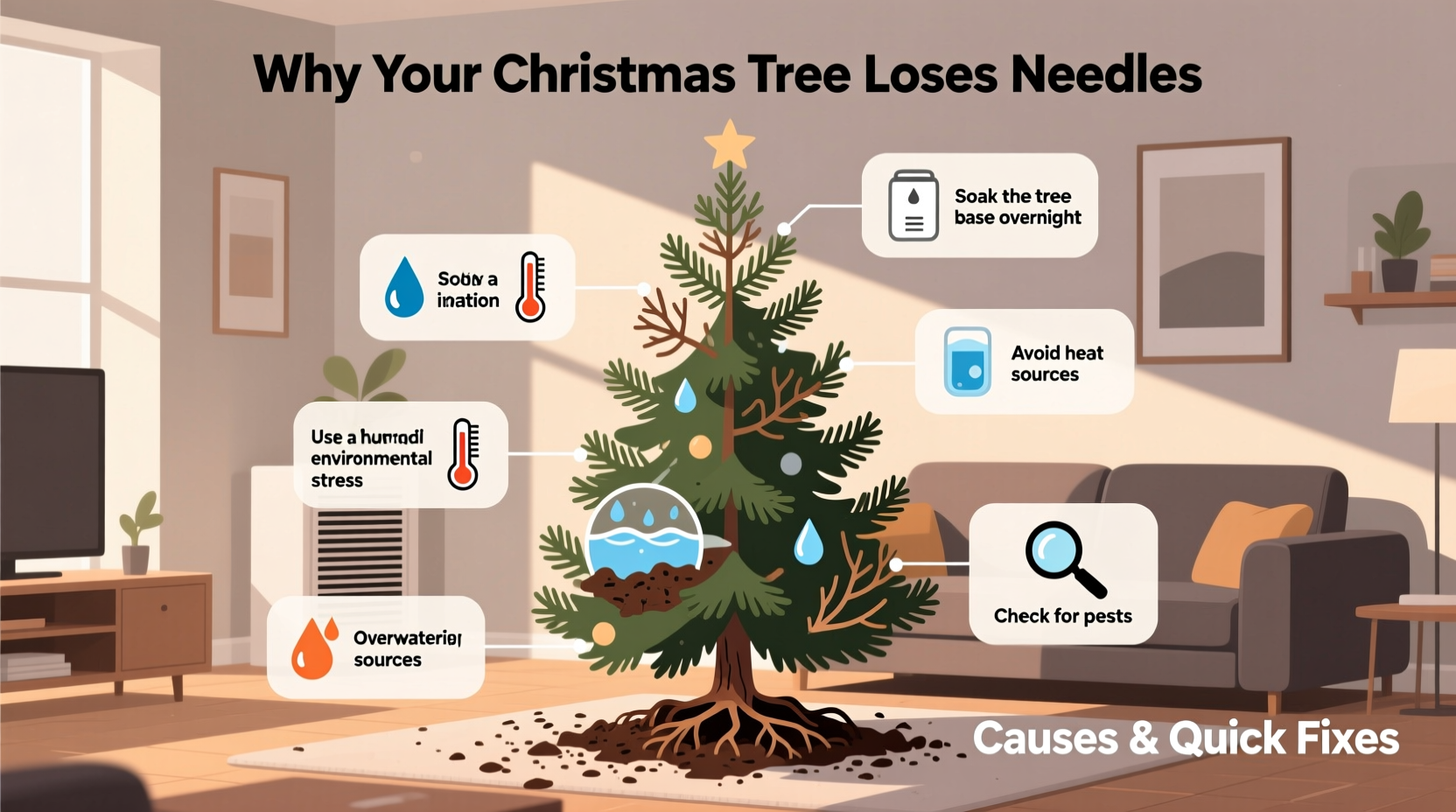
Christmas trees are typically cut weeks before they reach your home. Most are harvested between late October and early December, meaning they’ve already been separated from their water source for days or even weeks by the time you bring them home. Unlike flowers, which visibly wilt when dehydrated, evergreens like firs, pines, and spruces don’t show immediate signs of stress. Their needles remain green but become brittle internally as moisture evaporates.
Once placed in a warm indoor environment, the dehydration process accelerates. Trees absorb water through the base of the trunk, but only if the cut surface remains open and unsealed. If the tree sat too long before being placed in water, or if the cut dried out, it cannot rehydrate effectively. This leads to cellular breakdown in the needles, causing them to detach prematurely.
According to Dr. William Powell, a forest biologist at the State University of New York, “A freshly cut conifer can lose up to half its moisture content within 48 hours if not placed in water immediately. Once those vascular pathways seal off, the tree is essentially in survival mode — and needle retention plummets.”
“Proper hydration starts the moment the tree is cut — not when it arrives at your door.” — Dr. William Powell, Forest Biologist
Top 5 Causes of Rapid Needle Loss (And How to Spot Them)
Rapid needle shedding usually stems from preventable mistakes. Identifying the cause early gives you a better chance to reverse the damage.
- Dry Cut Trunk: If the bottom of the trunk wasn’t recut before placing it in the stand, the sap-sealed surface blocks water absorption.
- Late Watering: Waiting more than 6–8 hours after cutting significantly reduces water uptake.
- Low Indoor Humidity: Central heating dries the air, accelerating transpiration and needle desiccation.
- Overheating: Placing the tree near radiators, fireplaces, or heat vents increases drying dramatically.
- Poor Tree Quality: Some trees were already stressed during harvest or transport, making them prone to early decline.
Step-by-Step Rescue Plan: What to Do When Your Tree Starts Dropping Needles
If your tree is already losing needles, act fast. Follow this timeline to improve hydration and slow further loss.
Day 1: Immediate Intervention
- Remove the tree from the stand and inspect the trunk. Look for a dry, glossy surface — a sign of sap sealing.
- Recut ½ to 1 inch from the base using a handsaw. Make a straight, flat cut to maximize contact with water.
- Place the trunk in warm water immediately. Warm water helps reopen closed vessels faster than cold.
- Use a large-capacity stand that holds at least one gallon of water for standard-sized trees.
Day 2–3: Monitor and Maintain
- Check water levels twice daily. A healthy tree can drink over a quart per day initially.
- Add water as needed — never let the reservoir run dry.
- Avoid tap water with high chlorine content; filtered or distilled water is gentler on the tree’s system.
- Mist the branches lightly once a day to increase ambient humidity.
Day 4–7: Environmental Adjustments
- Move the tree away from heat sources. Even 3 feet from a vent can reduce lifespan by days.
- Turn down the thermostat near the tree if possible — aim for 65°F (18°C) or lower.
- Use a small humidifier nearby to counteract dry indoor air.
“Rehydration is possible within the first 48 hours post-cut. After that, success drops sharply.” — National Christmas Tree Association Care Guidelines
Do’s and Don’ts: Common Mistakes That Worsen Needle Loss
| Do’s | Don’ts |
|---|---|
| Recut the trunk before placing in water | Use a dull saw that crushes the wood instead of slicing cleanly |
| Keep the water reservoir full at all times | Let the water level drop below the base of the trunk |
| Place the tree in a cool room away from drafts | Set up near fireplaces, radiators, or sunny south-facing windows |
| Add commercial tree preservatives (optional but helpful) | Mix aspirin, sugar, or bleach into the water — these have no proven benefit and may harm uptake |
| Inspect daily for needle flexibility and branch resilience | Shake the tree vigorously to test — this damages weak branches and increases shedding |
Tips to Extend Your Tree’s Freshness Beyond the First Week
Prevention is always better than rescue. These proactive strategies help maintain needle retention from day one.
- Buy locally and recently cut: Ask the vendor when the shipment arrived. Trees sitting more than 10 days after harvest are high-risk.
- Transport covered: Wind exposure during transport dries out needles. Use a net or tarp to shield the tree.
- Hydrate before decorating: Let the tree sit in water for at least 4–6 hours before adding lights or ornaments.
- Use LED lights: They emit less heat than incandescent bulbs, reducing localized drying.
- Limit decoration weight: Heavy ornaments pull down branches and stress boughs, increasing breakage and needle loss.
Real Example: How One Family Saved Their Pre-Lit Tree
The Thompson family in Vermont bought a pre-lit Fraser fir from a big-box store in late November. Within two days, they noticed dozens of needles on the floor each morning. By day four, the lower third of the tree looked thin and lifeless.
They called a local arborist who advised them to remove the tree from its stand, recut the base, and submerge it in a bucket of warm water overnight. They also moved the tree from their sunroom (which reached 78°F during the day) to a cooler corner of the living room.
After following the steps, they monitored water levels closely. By day six, needle drop decreased by over 80%. Though the tree never regained full density, it lasted through New Year’s without further deterioration.
Their mistake? Assuming the pre-cut trunk was still viable. The tree had been stored in an unheated yard for over a week before sale — long enough for the cut to seal.
Expert-Backed Checklist: Prevent Needle Loss Before It Starts
Follow this checklist from selection to setup to ensure your tree stays fresh throughout the holidays.
- ✅ Choose a species known for good needle retention (e.g., Balsam Fir, Fraser Fir, or Scotch Pine).
- ✅ Perform the shake test at the lot — minimal needle drop indicates freshness.
- ✅ Confirm the tree was cut within the last 7–10 days.
- ✅ Recut the trunk within 6 hours of purchase.
- ✅ Place in a water-filled stand immediately — no exceptions.
- ✅ Use a stand that holds at least 1 gallon of water for a 6–7 ft tree.
- ✅ Keep the tree away from heat sources and direct sunlight.
- ✅ Check water levels twice daily for the first week.
- ✅ Avoid overcrowding with heavy decorations.
- ✅ Consider using a tree-preservative additive (follow manufacturer instructions).
Frequently Asked Questions
How can I tell if my tree is too dry to save?
If the needles crumble easily when rubbed, the bark on smaller branches is wrinkled, and the trunk feels lightweight, the tree is likely beyond recovery. Also, if it hasn’t absorbed any water in 48 hours after recutting, hydration pathways are sealed.
Does adding anything to the water help?
Commercial tree preservatives can help by inhibiting bacterial growth and improving water uptake. However, plain water is still effective if changed regularly. Avoid DIY additives like sugar, aspirin, or soda — studies show they offer no benefit and may promote mold.
Can I revive a tree that’s been dry for several days?
Revival is unlikely after 72 hours of dehydration. Once the xylem tissue dries out and collapses, the tree cannot absorb water again. Prevention through prompt recutting and watering is critical.
Final Thoughts: A Fresh Tree Is a Hydrated Tree
A Christmas tree that sheds needles within days isn’t necessarily a bad tree — it’s often a victim of poor handling. The key to longevity lies in one factor: hydration. From the moment the tree is cut, every delay in watering reduces its ability to thrive indoors.
By choosing wisely, recutting the base, maintaining water levels, and controlling the environment, you can enjoy a lush, fragrant tree for four weeks or more. These steps take little time but make a dramatic difference in appearance, safety, and holiday enjoyment.
Remember, a few fallen needles are normal — especially on the inside of the tree where light is limited. But widespread, rapid loss is a warning sign. Respond quickly, and you may just turn your drooping evergreen into a resilient holiday centerpiece.




 浙公网安备
33010002000092号
浙公网安备
33010002000092号 浙B2-20120091-4
Comments
No comments yet. Why don't you start the discussion?