
Bringing a real Christmas tree into your home is a cherished tradition for many families. The scent of pine, the texture of branches, and the warmth it adds to holiday decor are unmatched. But nothing dampens the festive spirit faster than watching your freshly cut tree shed needles just days after setup. If you’ve found yourself sweeping up clusters of pine needles before the first carol has even been sung, you're not alone. Rapid needle loss is a common issue — but it’s often preventable with the right knowledge and care.
This article explores the most frequent reasons why Christmas trees lose needles so quickly, backed by horticultural insights and practical experience. More importantly, it provides actionable solutions to help you extend your tree’s life, preserve its beauty, and enjoy a greener, more sustainable holiday season.
Understanding Why Real Trees Shed Needles
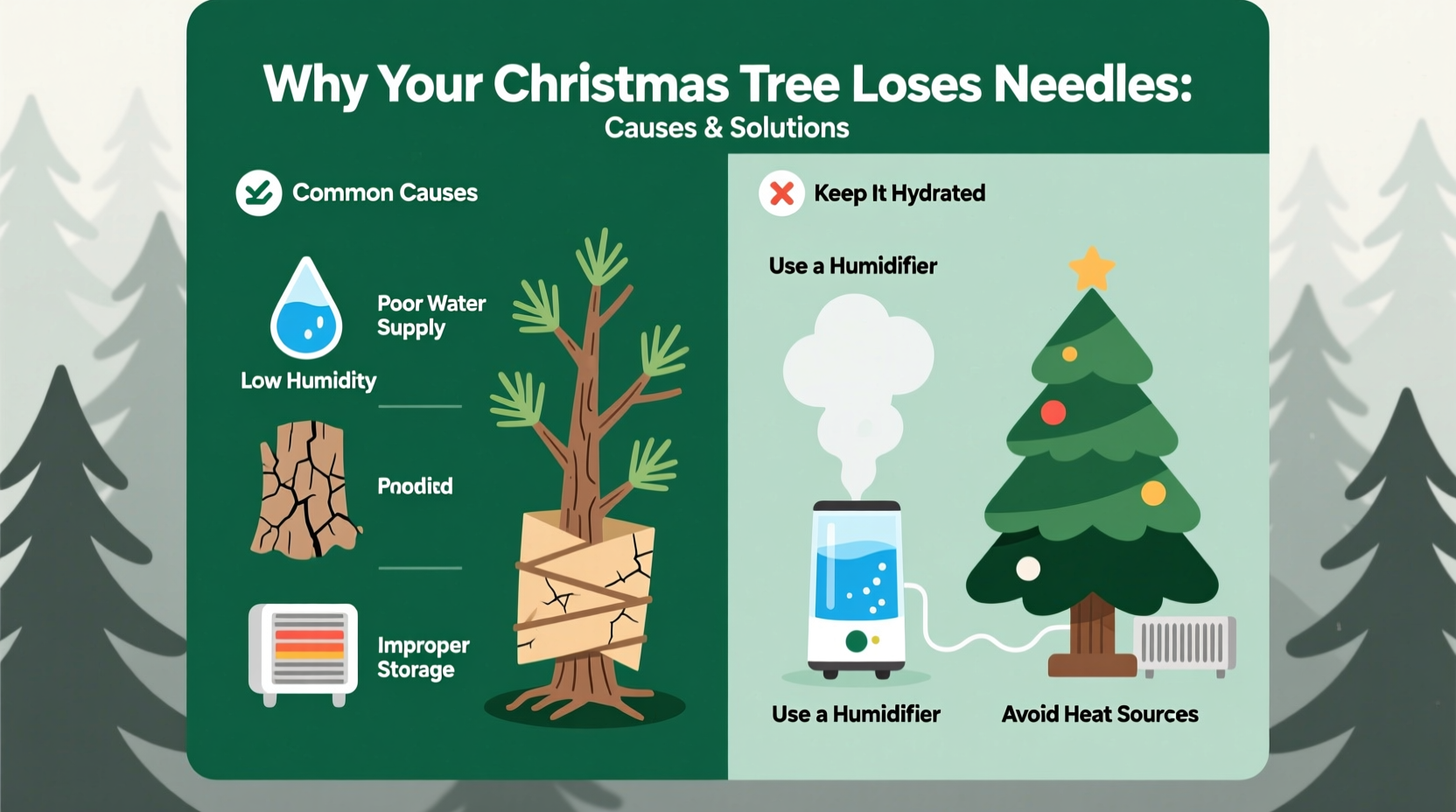
Unlike artificial trees, real evergreens are still biologically active after being cut. They continue to respire and lose moisture through their needles. When conditions aren’t ideal, this process accelerates, leading to premature drying and needle drop. While some shedding is normal—especially in the first few days—excessive or rapid needle loss signals underlying problems.
The key factors influencing needle retention include species type, time between cutting and setup, environmental conditions indoors, water availability, and handling practices. Addressing these elements can dramatically improve your tree’s longevity.
Common Causes of Rapid Needle Loss
1. Delayed Setup or Poor Storage Before Display
If your tree was cut weeks ago and stored improperly—left outdoors in freezing temperatures without water or exposed to wind and sun—it may already be dehydrated before you bring it inside. Even if it looks green, internal moisture levels could be critically low.
2. Lack of Water After Setup
A Christmas tree can drink over a quart of water per day, especially in the first 24–72 hours. If the stand isn’t filled regularly or the water level drops below the cut, the trunk seals over with sap, preventing further absorption. Once sealed, re-cutting may be necessary to reopen the vascular system.
3. Indoor Heat and Dry Air
Modern homes during winter are typically warm and dry due to heating systems. Low humidity causes needles to dry out rapidly. Combine that with proximity to fireplaces, radiators, or vents, and your tree faces an accelerated dehydration cycle.
4. Species Selection Matters
Not all evergreens are created equal when it comes to needle retention. Some species naturally shed faster than others. For example, Leyland cypress and Arizona cypress are known for poor indoor longevity, while Fraser fir and Balsam fir tend to hold needles much longer under proper care.
5. Physical Stress During Transport and Setup
Dropping the tree, dragging it across rough surfaces, or tightly securing it to a vehicle roof can damage the trunk and branches. Internal injuries impair water flow, reducing the tree’s ability to stay hydrated—even with adequate water in the stand.
“After harvest, a Christmas tree’s lifespan depends almost entirely on moisture management. The first 72 hours are critical.” — Dr. Robert Kender, Horticulture Specialist, Louisiana State University AgCenter
Solutions to Prevent Premature Needle Drop
Choose the Right Tree Species
Selecting a variety known for excellent needle retention gives you a strong starting point. Below is a comparison of common Christmas tree types based on freshness duration and care needs.
| Tree Species | Average Needle Retention (Days) | Water Needs | Best For |
|---|---|---|---|
| Fraser Fir | 40–50 | High | Cooler homes, long display periods |
| Balsam Fir | 35–45 | High | Fragrance lovers, moderate climates |
| Nordmann Fir | 50+ | Moderate | Low-maintenance, high-humidity areas |
| Scotch Pine | 30–40 | Moderate | Traditional look, good needle retention |
| Leyland Cypress | 15–25 | High | Fast-growing, less durable indoors |
Make a Fresh Cut Before Setting Up
When a tree sits for more than a few hours after being cut, the end of the trunk forms a seal that blocks water absorption. To restore capillary action, remove at least half an inch from the base using a handsaw. Do this right before placing it in the stand, ideally within two hours of transport.
Use a Large-Capacity Stand With Constant Water Supply
A stand should hold at least one quart of water per inch of stem diameter. Check water levels daily—don’t rely on visual cues. Many people assume the reservoir is full when it’s only halfway filled. Refill before it runs dry. Consider stands with built-in gauges or automatic refill systems for convenience.
Keep the Tree Away From Heat Sources
Place your tree away from fireplaces, space heaters, HVAC vents, and direct sunlight. These sources increase transpiration rates and dry out needles quickly. An ideal spot maintains cooler temperatures (60–68°F) and stable humidity.
Boost Humidity Indoors
Running a humidifier nearby can significantly slow needle drying. Alternatively, mist the tree lightly every few days with room-temperature water. Avoid over-misting, which can promote mold, but light hydration helps counteract dry indoor air.
Step-by-Step Guide to Maximizing Tree Freshness
- Purchase Late: Buy your tree no more than one week before display. Earlier purchases increase exposure to drying conditions.
- Inspect Before Buying: Shake the branch gently. Few falling needles indicate good health. Look for vibrant color and flexible needles.
- Transport Carefully: Cover the tree with a net or tarp to reduce wind damage and moisture loss during transit.
- Cut the Base: Make a fresh ½-inch cut at a diagonal or straight angle before placing in the stand.
- Fill the Stand Immediately: Use plain tap water—no additives needed. Commercial preservatives rarely offer measurable benefits over clean water.
- Monitor Daily: Check water twice a day for the first three days, then once daily thereafter.
- Control Environment: Keep room temperature moderate and use a humidifier if relative humidity falls below 30%.
- Remove Safely: Take the tree down before it becomes excessively dry. Most municipalities have recycling programs in January.
Mini Case Study: The Early-Drop Douglas Fir
In December 2022, Sarah M., a homeowner in Denver, purchased a Douglas fir two weeks before Christmas. She admired its full shape and rich green hue at the lot. However, within four days of setup, her living room was covered in fallen needles. Despite daily watering, the tree continued to deteriorate rapidly.
Upon investigation, she realized several mistakes: the tree had been pre-cut over ten days prior, stored uncovered outdoors, and placed directly next to a heating vent. By the time she made a second cut at the base, the trunk had already sealed completely. The combination of delayed setup, environmental stress, and interrupted water uptake doomed the tree from the start.
The following year, Sarah waited until five days before Christmas, chose a fresh Fraser fir, made an immediate cut, and positioned it in a cooler corner of her home. That tree remained lush and needle-stable for nearly six weeks—proving that timing and technique matter more than aesthetics alone.
Checklist: How to Keep Your Christmas Tree Fresh
- ✅ Buy your tree no more than 7 days before display
- ✅ Choose a species known for good needle retention (e.g., Fraser or Nordmann fir)
- ✅ Make a fresh cut (½ inch) before placing in the stand
- ✅ Use a stand that holds at least 1 gallon of water
- ✅ Fill the stand immediately and check water levels daily
- ✅ Keep the tree away from heat sources and direct sunlight
- ✅ Increase indoor humidity with a humidifier or light misting
- ✅ Remove the tree before it dries out completely (ideally before January 10)
Frequently Asked Questions
Should I add sugar, aspirin, or floral preservatives to the water?
No. Research from North Carolina State University and other agricultural extensions shows that plain tap water performs just as well—or better—than treated water. Additives like sugar can encourage bacterial growth, which clogs the trunk and reduces water uptake.
Can I revive a dry, needle-shedding tree?
Once a tree has dried out significantly, revival is unlikely. If the trunk has sealed and needles are brittle, the best course is removal. Focus on prevention next time by improving setup speed, water access, and placement.
Is it better to get a potted living tree?
Potted trees can be a sustainable option, but they require careful acclimation. Keeping them indoors for more than 7–10 days stresses the roots. After the holidays, they must be planted promptly in suitable soil and climate conditions. Without proper follow-up, survival rates are low.
Conclusion: Enjoy a Fuller, Fresher Tree This Holiday Season
Your Christmas tree doesn’t need to become a short-lived decoration. With informed choices and consistent care, you can enjoy a vibrant, aromatic centerpiece throughout the entire holiday period. The secret lies in understanding the biology of cut evergreens and respecting their need for continuous hydration and stable environments.
From selecting the right species to making a timely cut and maintaining daily water levels, each step plays a role in preserving your tree’s health. Small adjustments can lead to dramatic improvements in appearance and longevity. This season, give your family the gift of a lasting symbol of celebration—one that stays green, sturdy, and beautiful from setup to takedown.




 浙公网安备
33010002000092号
浙公网安备
33010002000092号 浙B2-20120091-4
Comments
No comments yet. Why don't you start the discussion?