
There’s nothing more disheartening than setting up a beautiful Christmas tree only to find it shedding needles just a few days later. What was once a lush, fragrant centerpiece can quickly become a carpet of pine across the living room floor. While some needle drop is normal, excessive shedding shortly after setup signals a problem—often preventable with the right care.
The good news? Most cases of premature needle loss stem from predictable causes: dehydration, improper handling, or environmental stress. With informed choices and consistent maintenance, you can significantly extend your tree’s freshness and enjoy its full holiday charm for weeks.
Understanding Why Christmas Trees Lose Needles Early
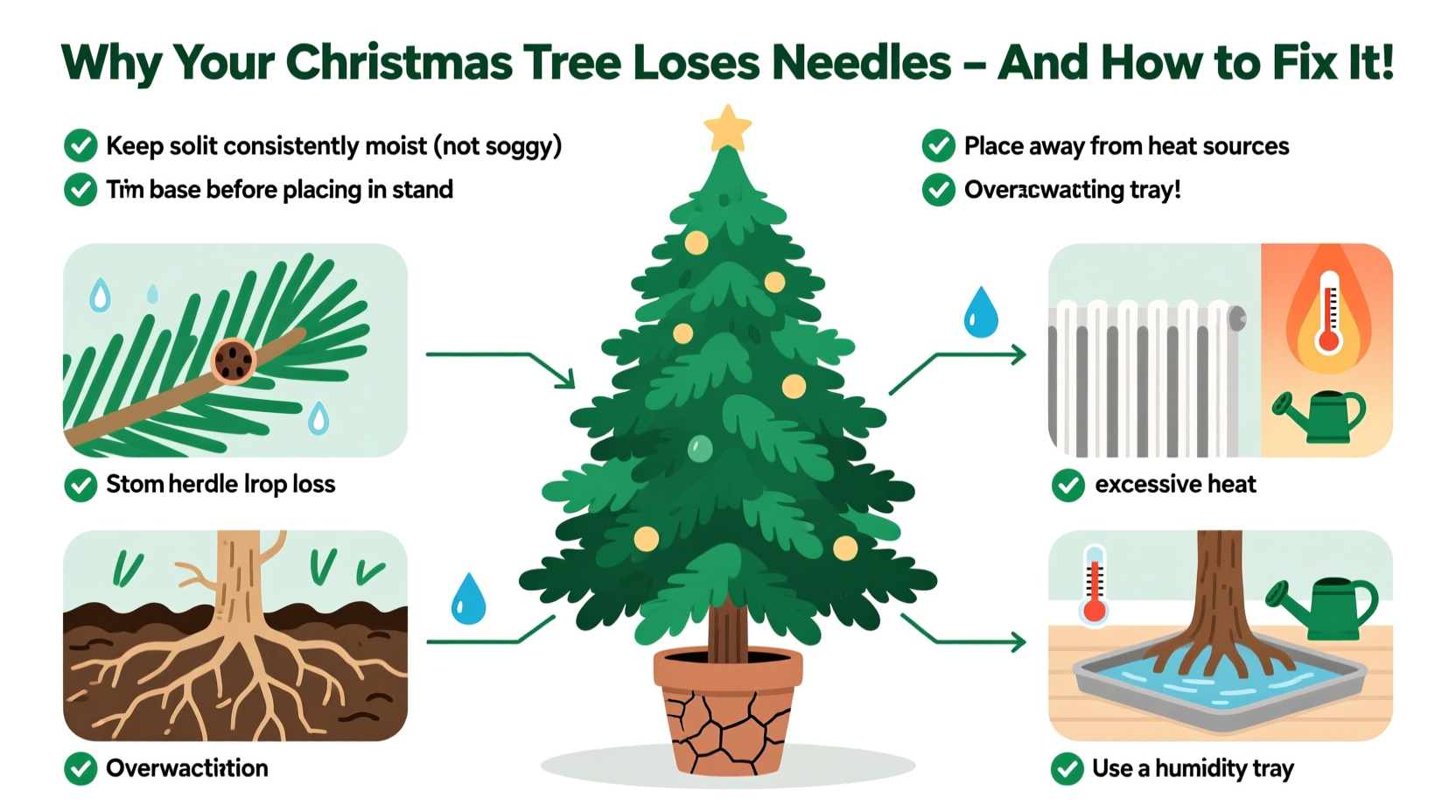
Needle drop in Christmas trees isn’t random—it’s a response to stress. Once cut, a tree is separated from its root system and can no longer draw water naturally. Without proper hydration and care, it begins to dry out, triggering defense mechanisms that lead to needle shedding.
The most common culprits behind rapid needle loss include:
- Dehydration: The leading cause. A tree that doesn’t receive adequate water will dry out quickly, especially in warm indoor environments.
- Late Cutting or Long Storage: Trees cut weeks before sale and stored improperly lose moisture long before they reach your home.
- Warm Indoor Temperatures: Heat sources like radiators, fireplaces, or direct sunlight accelerate drying.
- Species Sensitivity: Some types, like Norway Spruce, are notorious for shedding, while others like Fraser Fir retain needles much better.
- Physical Damage During Transport: Rough handling can damage the trunk’s vascular system, limiting water uptake.
A study by the National Christmas Tree Association found that properly hydrated trees can last up to four weeks indoors without significant needle loss—while neglected ones may begin dropping within 48 hours.
“Water uptake in the first 24 hours after setup is critical. A tree can consume over a gallon of water in its first day indoors—if it dries out during this window, recovery is unlikely.” — Dr. Robert Kjelgren, Urban Horticulture Specialist, University of Utah
Choosing a Fresh Tree: The First Line of Defense
Your tree’s longevity starts at purchase. Selecting a healthy, recently cut tree dramatically improves its chances of staying fresh through the holidays.
Here’s how to pick a winner:
Look for these signs of freshness:
- Fragrant aroma: A strong pine scent indicates active resins and recent cutting.
- Flexible needles: Healthy branches should bend without snapping.
- Sticky sap: Fresh cuts often ooze sap where the trunk was severed.
- Dull bark sheen: A slightly moist, not shiny, cut surface suggests recent harvest.
If possible, buy from local farms or lots that receive regular shipments. Ask when the current batch was cut—ideally within the past 3–5 days. Avoid trees stacked outdoors in direct sun or wind, which accelerates moisture loss.
Proper Setup and Water Management
How you prepare and place your tree determines whether it thrives or deteriorates. The key is maximizing water absorption immediately after bringing it home.
Step-by-Step Guide to Proper Tree Setup
- Make a fresh cut: Before placing the tree in the stand, trim 1–2 inches off the base. This removes any dried sap blockage and opens the vascular system for better water uptake.
- Use a sturdy stand: Choose one that holds at least one gallon of water. Smaller reservoirs require constant refilling and increase the risk of drying out.
- Fill immediately: Place the tree in the stand and fill with room-temperature water within 30 minutes of cutting.
- Keep water topped up: Check levels daily. A large tree can drink over a quart per day—never let the stand go dry.
- Avoid heat sources: Position the tree away from radiators, vents, fireplaces, and south-facing windows.
Do’s and Don’ts of Christmas Tree Care
| Do’s | Don’ts |
|---|---|
| Cut 1–2 inches off the trunk before placing in stand | Wait more than 30 minutes to put the tree in water |
| Use a stand that holds at least 1 gallon of water | Place near heat sources or in direct sunlight |
| Check water level daily and refill as needed | Assume “once filled” is enough—trees drink heavily at first |
| Choose low-heat LED lights to reduce drying | Use old incandescent bulbs that emit excess heat |
| Select long-retention species like Fraser Fir or Balsam Fir | Purchase Norway Spruce without immediate watering plans |
Real Example: How One Family Saved Their Tree
The Thompson family in Vermont bought their 7-foot Fraser Fir on a Saturday morning but didn’t set it up until Sunday evening—nearly 36 hours later. By Monday, they noticed significant needle drop and feared the tree was a lost cause.
They called a local arborist who advised them to make a fresh 1.5-inch cut at the base and submerge the entire trunk in a bucket of water overnight. They followed the instructions, placed the tree in a large stand, and committed to checking water twice daily.
Within 24 hours, the tree began absorbing water again—evident by a drop in the water level. Over the next three weeks, needle loss slowed to normal seasonal shedding. The tree remained fresh through New Year’s Eve, proving that even delayed hydration can be corrected if addressed quickly.
“If you catch it early, rehydration is possible. But time is everything—after 48 hours without water, cellular collapse becomes irreversible.” — Lisa Nguyen, Certified Arborist, New England Tree Care Alliance
Species Comparison: Which Trees Last Longest?
Not all Christmas trees are created equal. Some species naturally retain needles far better than others. Choosing wisely can reduce your maintenance burden and improve results.
| Tree Species | Needle Retention | Best For | Notes |
|---|---|---|---|
| Fraser Fir | Excellent | Indoor display, families | Silvery-green needles, strong scent, holds water well |
| Balsam Fir | Very Good | Traditionalists, fragrance lovers | Classic pine smell, dense foliage, moderate shedding |
| Noble Fir | Excellent | Heavy ornamentation | Stiff branches, blue-green hue, very long-lasting |
| Norway Spruce | Poor | Budget buyers, short-term use | Inexpensive but sheds rapidly; needs constant water |
| Colorado Blue Spruce | Good | Decorative appeal | Striking color, stiff branches, moderate water needs |
If longevity is your priority, avoid Norway Spruce unless you’re certain you can provide uninterrupted hydration. Opt instead for Fraser or Noble Fir, which are bred for superior post-harvest performance.
FAQ: Common Questions About Needle Loss
Is some needle drop normal?
Yes. Even healthy trees shed a small number of older, inner needles as part of natural turnover. However, widespread shedding—especially of green, outer needles—is a sign of stress and requires intervention.
Can I revive a dry Christmas tree?
If the tree has been without water for less than 48 hours, a fresh cut and immediate soaking may restore uptake. Beyond that, cellular damage is usually too severe. Revival is rare but worth attempting if the tree is otherwise intact.
Does spraying the tree with water help?
Misting provides minimal benefit. While it temporarily increases humidity, it doesn’t replace stem-based water absorption. Focus on the stand’s reservoir, not surface sprays.
Final Checklist: Keep Your Tree Fresh All Season
- Buy from a reputable source with recent deliveries.
- Test freshness by bending needles and checking for sap.
- Make a fresh 1–2 inch cut before placing in stand.
- Use a large-capacity stand (minimum 1 gallon).
- Fill with plain water immediately and check daily.
- Keep away from heat sources and direct sunlight.
- Use cool-burning LED lights to reduce drying.
- Choose high-retention species like Fraser or Noble Fir.
- Dispose responsibly after January 10th to prevent fire risk.
Conclusion: Enjoy a Lush, Long-Lasting Holiday Tree
Your Christmas tree shouldn’t turn into a needle-dropping disappointment days after setup. With smart selection, prompt preparation, and diligent watering, you can maintain a vibrant, aromatic centerpiece that enhances your holiday spirit from first lights to final gifts.
Remember: the first 24 hours are decisive. A fresh cut and immediate hydration set the foundation for success. Combine that with the right species and environment, and you’ll spend less time vacuuming and more time enjoying the warmth of a truly festive tree.




 浙公网安备
33010002000092号
浙公网安备
33010002000092号 浙B2-20120091-4
Comments
No comments yet. Why don't you start the discussion?