
Bringing home a fresh Christmas tree is one of the most cherished holiday traditions. The scent, the sparkle, the sense of warmth—it all comes together under its evergreen branches. But nothing dampens the spirit faster than returning from a quick errand to find your living room carpeted in fallen needles just two days after setup. If your Christmas tree sheds needles within 48 hours of being brought indoors, you're not alone—and more importantly, it’s not inevitable.
This rapid needle drop is often a sign of stress, dehydration, or poor handling somewhere along the supply chain. While some shedding is normal over time, excessive loss immediately after setup points to deeper issues. Understanding the causes—and knowing how to prevent them—can make the difference between a vibrant centerpiece and a brittle disappointment.
The Science Behind Needle Drop
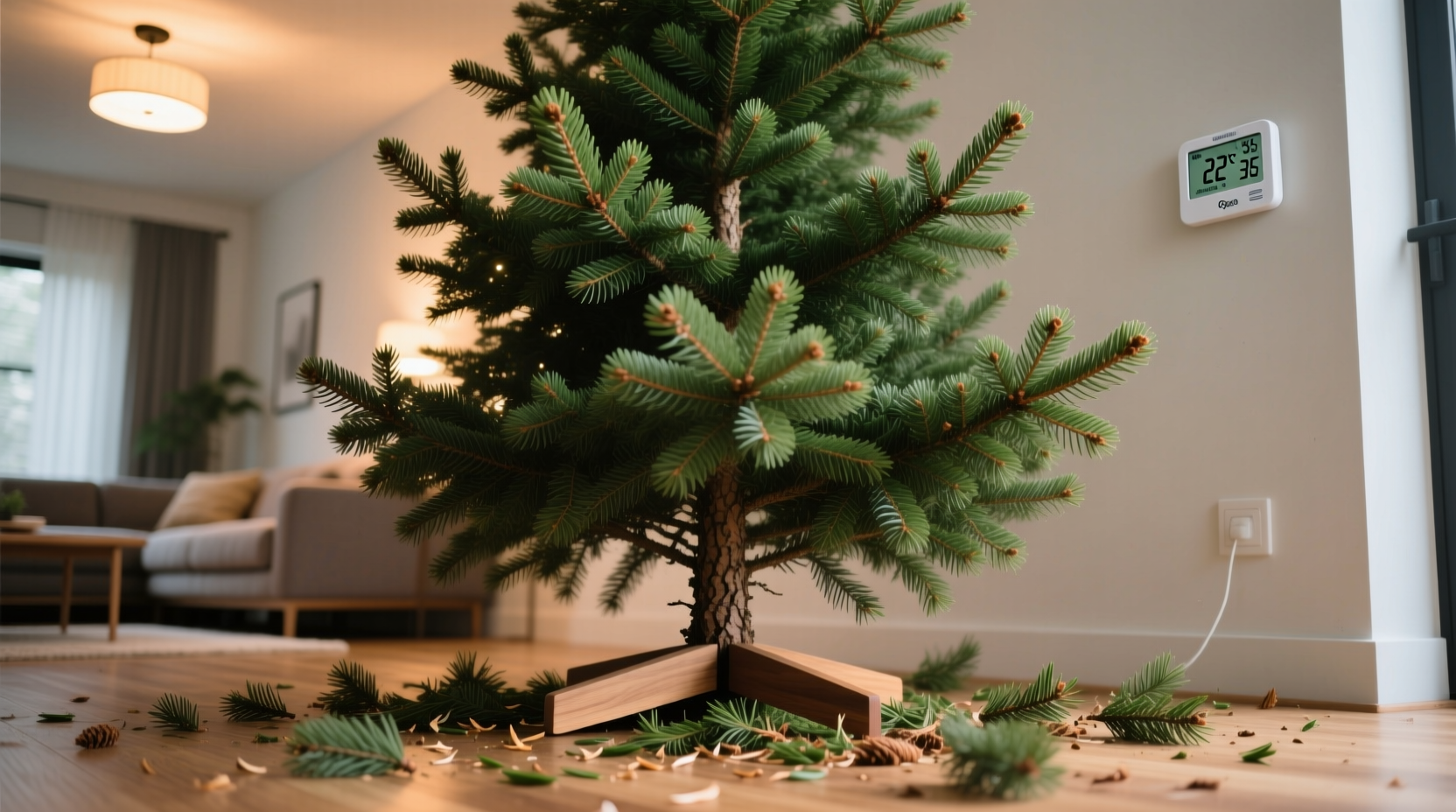
Christmas trees are typically harvested weeks before they reach your home. Most are cut between late October and early December, depending on regional climate and demand. Once severed from their root system, they can no longer absorb water from the soil. Their survival depends entirely on proper post-harvest care and hydration.
Needles fall off when the tree becomes dehydrated. As moisture evaporates through the needles (a process called transpiration), the tree draws water up from its cut base. If that water supply is interrupted—even briefly—the internal hydraulic system fails. Cells in the trunk begin to seal off, forming air bubbles and resin plugs that block capillary action. This phenomenon, known as embolism, prevents the tree from rehydrating even when placed in water later.
A study by the Christmas Tree Research Centre at Nova Scotia Agricultural College found that a Fraser fir can lose up to 50% of its moisture content within 72 hours if left unwatered after cutting. Once this threshold is crossed, revival becomes nearly impossible.
“Even a few hours without water after harvest can doom a tree’s ability to take up water later. It’s like trying to revive a wilted flower after its stems have dried out.” — Dr. Bert Cregg, Forestry & Christmas Tree Specialist, Michigan State University
Common Causes of Rapid Needle Shedding
Several factors contribute to premature needle loss. Often, it's not one single mistake but a combination of missteps from farm to living room.
1. Delayed Watering After Harvest
If the tree wasn’t placed in water shortly after being cut—either at the farm, lot, or during transport—it may have already started dying internally. A dry cut end seals over quickly, making it incapable of absorbing water later, no matter how deep the stand.
2. Poor Storage Conditions Before Purchase
Trees stored outdoors in direct sun, wind, or freezing temperatures lose moisture rapidly. Many retail lots lack adequate watering systems or protective covers. Trees stacked tightly together trap heat and accelerate drying.
3. Re-Cutting Failure at Home
Even if the tree was watered initially, a sealed or damaged cut end won’t absorb water. Failing to make a fresh cut before placing it in the stand is one of the most common homeowner errors.
4. Inadequate Stand Water Capacity
Many standard stands hold less than a quart of water—far too little for a mature tree. A large tree (7–8 feet) can drink over a gallon per day initially. If the reservoir runs dry even once, embolism sets in.
5. Indoor Environment Stressors
Modern homes are warm, dry, and drafty—especially near heating vents, fireplaces, or sunny windows. Low humidity accelerates transpiration, while high heat dries needles and bark. Artificial lighting adds radiant heat, further stressing the tree.
Step-by-Step Guide to Prevent Early Needle Loss
Follow this timeline to maximize freshness and minimize shedding from day one.
- Inspect Before Buying (Day 0)
Shake the tree gently. Few loose needles are normal, but excessive shedding indicates poor health. Look for flexible branches and vibrant green color. Avoid trees with brittle bark or musty odors. - Ensure Immediate Hydration (Day 0)
If buying from a lot, ask if the tree has been soaking in water. Transport with the base down and cover the trunk with a damp towel. Never leave it in a hot car trunk for hours. - Make a Fresh Cut (Day 1 – Setup Day)
Use a sharp handsaw to cut ½ to 1 inch off the bottom. Do this just before placing it in the stand—ideally within 30 minutes. Angled cuts don’t help and reduce surface area; stick to straight, clean cuts. - Fill With Lukewarm Water (Day 1)
Use lukewarm water—it’s absorbed faster than cold. Additives like sugar, aspirin, or commercial preservatives show minimal benefit in controlled studies. Plain water works best. - Check Water Levels Twice Daily (Days 1–7)
Trees drink heavily in the first 72 hours. Refill before the water drops below the base. Use a stand that holds at least one gallon for full-sized trees. - Control the Environment (Ongoing)
Keep the tree away from heat sources. Use a humidifier nearby. Close curtains at night to reduce radiant heat loss. Consider LED lights, which emit less heat than incandescent bulbs.
Do’s and Don’ts: Holiday Tree Care Table
| Do | Don’t |
|---|---|
| Re-cut the trunk before placing in water | Rely on the original cut from days prior |
| Use a large-capacity stand (1+ gallons) | Use flimsy stands that hold less than a quart |
| Place away from heating vents and fireplaces | Set up next to radiators or wood stoves |
| Check water levels twice daily | Assume “it’s still half-full” is enough |
| Use LED lights to reduce heat exposure | String old incandescent lights densely |
Real Example: A Family’s Fix for a Failing Tree
The Thompson family in Vermont bought a 7-foot Balsam fir from a roadside stand in early December. By the second morning, they noticed dozens of needles on the floor. Alarmed, they called their local extension office. An agent advised them to immediately remove the tree from the stand, re-cut an inch off the base, and submerge it in a bucket of water in their garage for 24 hours.
They followed the instructions precisely. After the soak, they returned the tree indoors, placed it in a larger stand, and filled it with lukewarm water. They moved it away from a nearby register and installed a small humidifier nearby. Over the next week, needle drop slowed dramatically. By Christmas Eve, the tree remained lush and fragrant, lasting through New Year’s without significant shedding.
Their success came down to recognizing early warning signs and acting quickly—before cellular damage became irreversible.
Expert Checklist: Keep Your Tree Fresh All Season
- ☑ Buy from reputable sources that store trees in water-filled racks
- ☑ Inspect for flexibility and minimal needle drop before purchase
- ☑ Re-cut the trunk within 30 minutes of setup
- ☑ Use a stand holding at least 1 gallon of water
- ☑ Fill with plain lukewarm water—no additives needed
- ☑ Check water level twice daily for the first week
- ☑ Keep away from heat sources, direct sun, and drafts
- ☑ Use LED lights to minimize heat stress
- ☑ Mist lightly if indoor air is very dry (optional)
- ☑ Remove tree before it becomes a fire hazard (after ~4 weeks)
Frequently Asked Questions
Is it normal for a Christmas tree to drop some needles?
Yes, even healthy trees shed a small number of older, inner needles as part of natural respiration. However, widespread shedding—especially within the first 48 hours—is not normal and signals dehydration or trauma.
Can I revive a tree that has already started dropping needles?
Possibly, if caught early. Remove it from the stand, make a fresh cut, and let it soak in a bucket of water for 12–24 hours in a cool, shaded place. Return it to a full stand and monitor closely. Success depends on how long the tree went without water initially.
Does adding sugar, bleach, or aspirin to the water help?
Research from North Carolina State University and the University of Wisconsin shows no meaningful benefit from additives. Some, like bleach, can actually harm the tree by damaging vascular tissue. Plain water is proven most effective.
Conclusion: A Fresh Tree Is Within Reach
Your Christmas tree doesn’t have to turn into a needle minefield within days of setup. Rapid shedding is preventable with informed choices and consistent care. From selecting a well-maintained tree to ensuring uninterrupted hydration, every step matters. The key lies in understanding that once a tree begins to dry out, its ability to recover diminishes fast—sometimes within hours.
By applying these evidence-based practices, you’re not just preserving a decoration. You’re protecting a tradition. A healthy, fragrant tree enhances the holiday atmosphere, supports safer lighting conditions, and lasts longer—reducing waste and stress alike.




 浙公网安备
33010002000092号
浙公网安备
33010002000092号 浙B2-20120091-4
Comments
No comments yet. Why don't you start the discussion?