
The moment you bring a real Christmas tree into your home, it fills the air with that unmistakable, nostalgic scent of pine—a fragrance synonymous with holiday warmth and joy. But within days, some people notice a troubling shift: the crisp evergreen aroma fades, replaced by a damp, earthy, sometimes musty odor reminiscent of mildew. This sudden change in scent can be confusing and concerning. Is the tree going bad? Is there mold growing? And more importantly—can it be prevented?
The answer lies not in the tree itself alone, but in the complex interplay between natural plant chemistry, indoor humidity, temperature fluctuations, and post-holiday storage practices. Understanding this dynamic helps explain why your tree’s fragrance seems to come and go—and what you can do to preserve both its scent and structural integrity throughout the season.
The Science Behind the Pine Scent
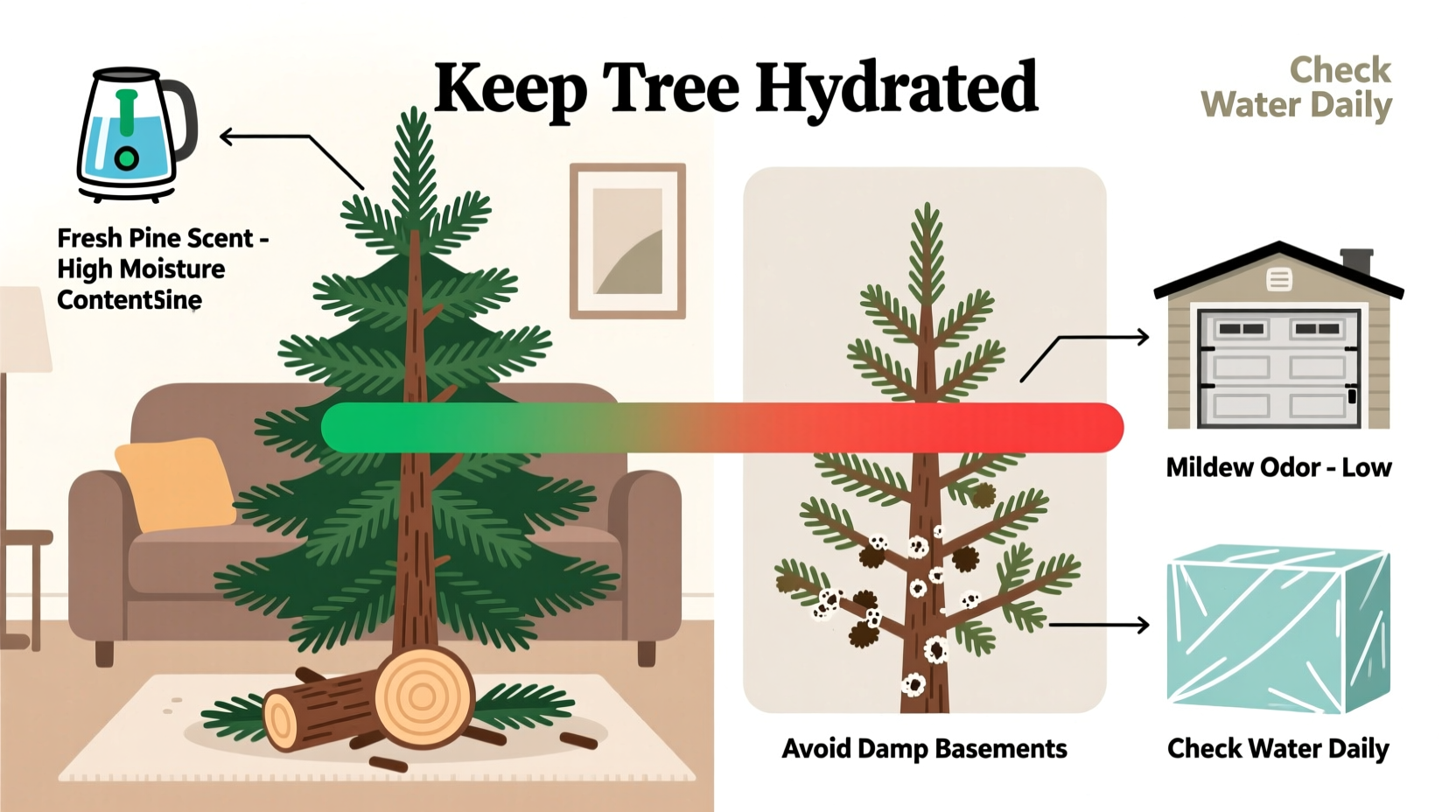
The fresh pine smell associated with Christmas trees comes from volatile organic compounds (VOCs) released by the tree’s needles and bark. These include terpenes like pinene, limonene, and myrcene—aromatic molecules evolved to repel insects and protect the tree in nature. When the tree is cut, stressed, or warmed, these compounds are released more rapidly, creating that powerful burst of forest-like fragrance.
This scent is strongest immediately after cutting or when the tree is exposed to heat. That’s why you often get an intense whiff when you first bring the tree inside, especially if your home is warmer than the outdoor environment. However, as the tree acclimates and begins to dry out, VOC emissions decrease, leading to a gradual decline in pine aroma.
But when the scent doesn’t just fade—it transforms into something unpleasant—that’s usually a sign of microbial activity.
When Pine Turns to Mildew: The Role of Humidity
Mildew and mold thrive in environments with high moisture and poor airflow. A Christmas tree, while seemingly dry, still contains residual sap and moisture within its trunk and branches. If placed in a room with elevated humidity—especially above 60%—or near sources of moisture like humidifiers, kitchens, or bathrooms—the tree can become a breeding ground for fungi.
Condensation may form on cooler surfaces of the tree, particularly at night or when the heater cycles off. This creates micro-environments where mold spores, which are naturally present in the air, begin to grow. As they metabolize organic material in the tree, they release their own volatile compounds—often described as musty, sour, or stale.
In many cases, what people perceive as “mildew” isn’t full-blown mold growth but rather the olfactory contrast between fading pine terpenes and emerging microbial odors. The brain notices the absence of freshness and interprets the remaining background scents as unpleasant by comparison.
Storage Mistakes That Compromise Tree Quality
Even before the tree enters your home, its condition is influenced by how it was stored after harvesting. Most real Christmas trees are cut weeks in advance and held in outdoor lots, warehouses, or retail yards. Poor storage during this phase can accelerate drying or encourage early decay.
Trees stacked tightly without airflow, left uncovered in rainy weather, or stored on damp ground absorb moisture at the base. This introduces fungal spores and primes the trunk for internal rot—even before it reaches your living room.
Once the holidays end, improper off-season storage of artificial trees can also lead to persistent musty smells. Many people store artificial trees in basements, garages, or attics—spaces prone to temperature swings and humidity. Over time, dust, moisture, and lack of ventilation create ideal conditions for mold and mildew to grow on PVC branches, fabric skirts, or cardboard boxes.
“Tree scent fluctuation is rarely about the tree alone—it’s about the ecosystem around it. Control the environment, and you control the experience.” — Dr. Lena Pruitt, Environmental Botanist, Oregon State University
Step-by-Step Guide to Preserving Your Tree’s Freshness
To maintain that beloved pine aroma and prevent musty odors, follow this timeline-based approach before, during, and after display:
- Before Purchase (1–3 Days Prior): Check storage conditions at the lot. Avoid trees sitting in standing water or covered with wet tarps. Look for vibrant green needles that don’t snap easily.
- At Home (Day 1): Make a fresh cut (¼ to ½ inch) off the bottom of the trunk before placing it in the stand. This opens clogged vessels and restores water uptake.
- Daily (Days 2–14): Refill the tree stand with plain water every 24 hours. A typical tree drinks over a quart per day initially. Never let the water level drop below the base.
- Ongoing (Throughout Display): Keep the tree away from heat sources—fireplaces, radiators, vents. Heat accelerates drying and VOC loss. Use a small fan nearby to improve air circulation without direct blowing.
- After Removal (Final Day): Once taken down, shake the tree vigorously outdoors to remove loose needles, dust, and spores. For artificial trees, wipe each branch with a microfiber cloth slightly dampened with vinegar solution (1:3 vinegar to water).
- Storage (Post-Holiday): Store the artificial tree in a breathable cotton bag, not plastic. Plastic traps moisture and encourages mildew. Label the bag with the year and contents.
Do’s and Don’ts of Christmas Tree Care
| Do | Don’t |
|---|---|
| Store artificial trees in climate-controlled spaces | Leave trees in unheated garages or damp basements |
| Use a humidifier only if RH is below 30% | Run humidifiers near the tree constantly |
| Clean tree stands annually with soapy water | Reuse dirty stands with built-up residue |
| Inspect artificial trees for mold before unpacking | Shove the tree back into the same box without cleaning |
| Place real trees in water within 4 hours of cutting | Let the cut end seal over before watering |
Real Example: How One Family Fixed Their Musty Tree Problem
The Thompson family in Pittsburgh had struggled for years with a recurring issue: every December, their artificial Christmas tree smelled strongly of mildew as soon as they opened the storage box. They’d air it out for days, use scented sprays, and even tried storing it in different parts of the house—but the problem persisted.
During a visit to a holiday workshop, they learned about moisture-trapping plastic bags. They realized they’d been storing the tree in its original plastic tote in the basement, where summer humidity regularly exceeded 70%. The next spring, after taking the tree down, they wiped each section clean, allowed it to dry fully in the garage for 48 hours, and transferred it into a custom-fit cotton storage bag.
The following year, the tree emerged nearly odorless. A quick pass with a lint roller and a light citrus spray revived it completely. The switch eliminated the musty smell for good—proving that long-term storage choices have immediate sensory consequences.
FAQ: Common Questions About Christmas Tree Smells
Why does my tree smell musty only in the morning?
Temperature drops overnight can cause condensation on cooler parts of the tree, especially if humidity is high. This brief moisture window allows mold spores to activate and release odor-causing compounds. As the room warms during the day, the scent often dissipates. Improving nighttime ventilation or using a dehumidifier can help.
Can a musty-smelling tree make me sick?
In rare cases, yes. Mold and mildew on trees can release airborne spores that trigger allergies or respiratory irritation, especially in sensitive individuals. Symptoms may include sneezing, coughing, or itchy eyes. If the smell is strong and persistent, consider replacing the tree or improving cleaning and storage protocols.
Is it normal for a real tree to lose its scent after a week?
Some fading is normal, but a complete loss within a week suggests the tree was already stressed or dried out before purchase. Ensure the tree was recently cut and kept hydrated. A healthy tree should retain noticeable pine fragrance for 3–4 weeks indoors under proper care.
Checklist: Preventing Odor Problems in Future Seasons
- ✅ Inspect both real and artificial trees for signs of mold before setup
- ✅ Measure indoor humidity with a digital hygrometer
- ✅ Use a tree stand that holds at least one gallon of water
- ✅ Make a fresh cut on real tree trunks before display
- ✅ Clean artificial trees annually with vinegar or disinfectant wipes
- ✅ Store artificial trees in breathable fabric containers
- ✅ Choose storage locations with stable temperatures and low humidity
- ✅ Rotate trees yearly to inspect for hidden moisture damage
Conclusion: Take Control of Your Holiday Scent Experience
The shifting scent of your Christmas tree—from fresh pine to musty mildew—isn’t random. It’s a signal from your environment, revealing how humidity, storage, and care habits impact one of the season’s most cherished traditions. By understanding the science behind tree aromas and addressing moisture at every stage, you can ensure that your tree remains a source of joy, not a mystery to solve each December.
Start this year by auditing your storage space, checking your tree stand’s water capacity, and investing in a simple hygrometer. Small changes now will lead to fresher trees, cleaner air, and more authentic holiday memories for years to come.




 浙公网安备
33010002000092号
浙公网安备
33010002000092号 浙B2-20120091-4
Comments
No comments yet. Why don't you start the discussion?