
A musty-smelling artificial Christmas tree can turn festive anticipation into frustration. Instead of being greeted by nostalgic pine-scented joy, you’re hit with a damp, stale odor that makes you question whether the tree is safe to use. This issue is more common than you might think—and entirely fixable. The mustiness isn’t just unpleasant; it can also indicate trapped moisture, dust buildup, or early mold growth. Understanding the root causes and applying proper cleaning and deodorizing techniques ensures your holiday centerpiece remains fresh, clean, and ready for ornaments and lights.
Why Artificial Trees Develop a Musty Smell
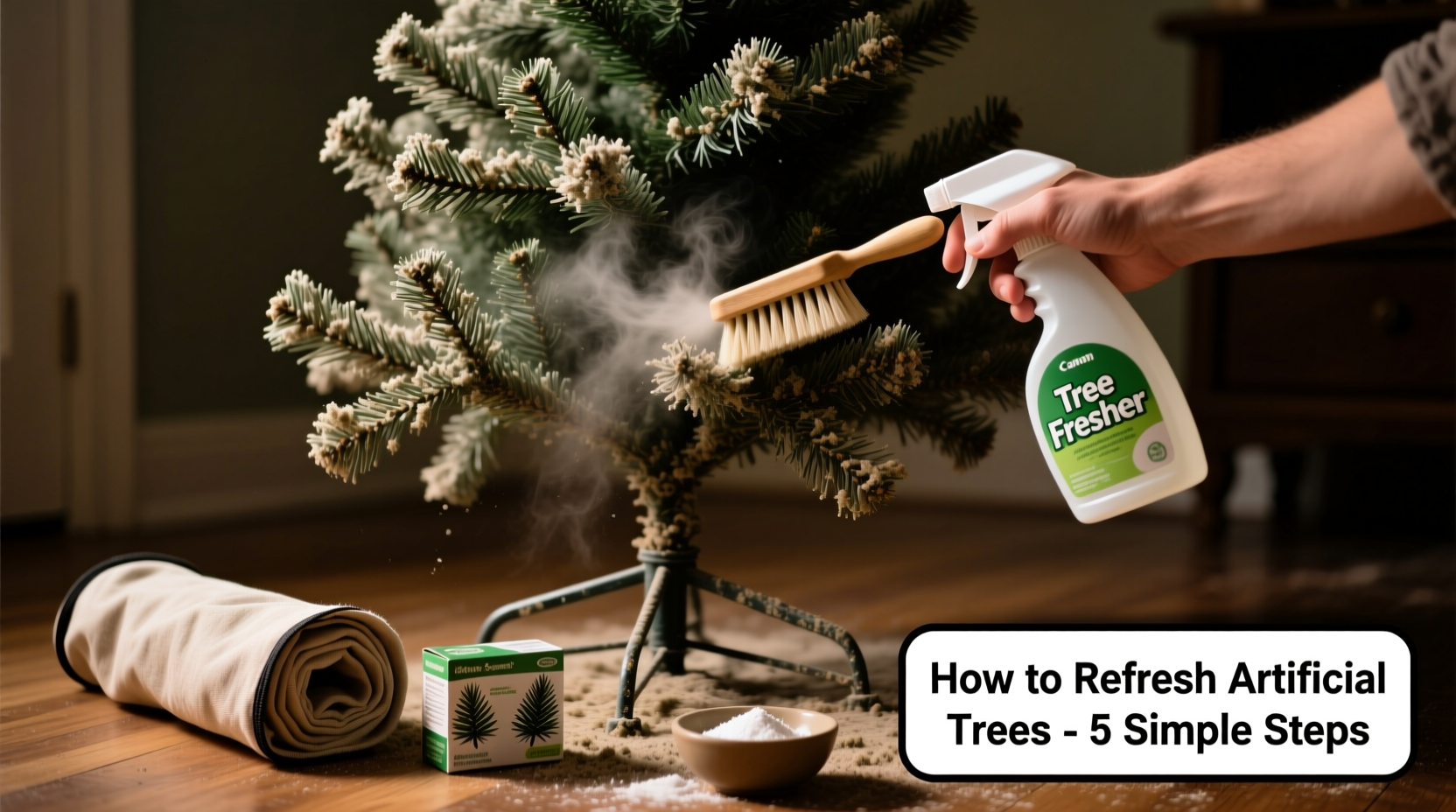
Despite being made of plastic and metal, artificial Christmas trees are not immune to odors. Over time, they absorb environmental elements during storage, especially if kept in basements, garages, or attics. These spaces often have poor ventilation, fluctuating humidity, and temperature swings—ideal conditions for mustiness to develop.
The primary reasons include:
- Dust and debris accumulation: Dust acts like a sponge for odors. When stored uncovered or in dusty areas, particles settle deep into the branches and trunk.
- Moisture exposure: Even slight dampness from seasonal condensation or leaks can promote microbial growth on plastic and fabric components.
- Poor storage conditions: Cardboard boxes trap moisture and restrict airflow. Plastic bags without ventilation do the same, creating a breeding ground for mildew spores.
- Older materials: PVC needles and wire frames in older trees can degrade slightly over years, releasing chemical off-gassing that combines with dust to create a stale smell.
In some cases, what seems like a “musty” smell may actually be a combination of dust, pet dander, and residual smoke or cooking odors absorbed during storage near kitchens or living areas.
Step-by-Step Guide to Refreshing a Musty Artificial Tree
Refreshing an artificial tree doesn’t require harsh chemicals or expensive tools. With patience and attention to detail, you can eliminate odors and restore its appearance. Follow this comprehensive process before assembling your tree indoors.
- Unpack in a well-ventilated area: Take the tree sections outside or into a garage. Let them air out for at least 30 minutes before cleaning.
- Inspect for mold or damage: Look closely at the trunk, branches, and base. If you see fuzzy spots (especially green, black, or gray), do not bring the tree inside yet. These may indicate active mold growth.
- Vacuum thoroughly: Use a handheld vacuum with a brush attachment to gently remove dust from all angles. Focus on dense branch clusters and the interior core where dust collects.
- Dust with a microfiber cloth: Wipe down each section with a dry or slightly damp microfiber cloth. For stubborn grime, lightly mist the cloth—not the tree—with water and a drop of mild dish soap.
- Deodorize naturally: Sprinkle baking soda lightly over the branches, then shake vigorously or vacuum again after 15–20 minutes. Baking soda neutralizes odors without damaging materials.
- Use odor-absorbing sprays (optional): Lightly mist with a solution of water, 1 tsp vodka (acts as a preservative), and a few drops of essential oil (e.g., pine, cedar, or eucalyptus) for a fresh forest scent. Avoid oversaturating.
- Allow full drying: Let all sections dry completely in open air before reassembling. Moisture trapped indoors can reignite musty smells within days.
- Reassemble in a clean space: Set up the tree in a room free of pets, smoking, or strong ambient odors to prevent recontamination.
This method works best when done annually, ideally before the holiday season begins. Waiting until December often means rushing the process, which compromises results.
Do’s and Don’ts When Cleaning Artificial Trees
To avoid damaging your tree or worsening the smell, follow these guidelines. Some common household practices can degrade materials or encourage future odor retention.
| Do | Don’t |
|---|---|
| Use a microfiber cloth or soft brush for dusting | Use abrasive sponges or steel wool |
| Vacuum with low suction and brush attachments | Vacuum aggressively—can pull out needles |
| Store in breathable fabric tree bags | Store in cardboard boxes or sealed plastic |
| Deodorize with baking soda or activated charcoal | Soak the tree in water or cleaning solutions |
| Apply essential oil sprays sparingly | Use commercial air fresheners directly on the tree |
| Clean annually, even if no smell is present | Wait until odors become strong to act |
One common mistake is using bleach or ammonia-based cleaners to kill mold. While effective, these chemicals can corrode metal supports and degrade PVC foliage over time. They also leave behind their own sharp odors, which mix poorly with mustiness.
Mini Case Study: Reviving a 10-Year-Old Pre-Lit Tree
Sarah from Portland, Oregon, pulled out her family’s pre-lit artificial tree every November. By year ten, the tree emitted a persistent musty odor that lingered even after two weeks indoors. She tried air fresheners and fans, but guests still commented on the “basement smell.”
That year, she decided to clean it outdoors before setup. After vacuuming each section, she noticed fine dust clumps in the inner branches. She wiped down the trunk and metal frame with a vinegar-dampened cloth (1 part white vinegar to 3 parts water), then allowed all pieces to dry in the sun for four hours. Before reassembly, she placed bowls of baking soda around the drying area to absorb lingering particles.
Once indoors, the tree had no odor. Sarah now cleans it every fall and stores it in a labeled fabric bag with silica gel packs. Her children help with the process, turning maintenance into a tradition. “It takes an extra hour,” she says, “but now our tree smells like holidays again—not like old laundry.”
“Odor prevention starts the moment you take the tree down. A quick wipe-down and proper storage can save hours of cleaning later.” — Dr. Linda Reeves, Indoor Air Quality Specialist
Advanced Tips for Persistent Odors and Mold Prevention
If standard cleaning doesn’t resolve the smell, deeper intervention may be needed—especially for trees stored in high-humidity environments.
For persistent odors:
- Freeze the sections: In cold climates, place tree sections in sealed, breathable bags and leave them outside overnight (above freezing). Cold temperatures inhibit microbial activity and can reduce odor intensity.
- Use activated charcoal: Place charcoal bags inside the storage container or wrap small mesh sachets around the trunk before packing. Charcoal absorbs volatile organic compounds better than baking soda over long periods.
- UV-C light exposure: Brief exposure to UV-C light (from a sanitizing wand) can kill surface mold and bacteria. Do not overuse—UV rays can fade colors over time.
To prevent future issues:
- Always disassemble the tree completely before storing—never force collapsed sections into a too-small bag.
- Add desiccant packs (silica gel) inside the storage bag to absorb ambient moisture.
- Elevate the storage container off concrete floors using a plastic pallet or shelf.
- Label the bag with the year and cleaning date to track maintenance.
Frequently Asked Questions
Can I wash my artificial tree with water?
No, submerging or hosing down an artificial tree is not recommended. Water can seep into electrical wiring (in pre-lit models), cause rust on metal frames, and promote mold between synthetic needles. Spot-clean only with a lightly damp cloth and never soak any part of the tree.
Is the musty smell dangerous?
In most cases, the smell itself isn’t harmful, but it can signal the presence of mold spores or dust mites, which may affect people with allergies, asthma, or sensitivities. If anyone in your household experiences coughing, sneezing, or respiratory irritation after the tree is set up, deep cleaning or replacement may be necessary.
How often should I replace my artificial tree?
With proper care, an artificial tree can last 10–15 years. Signs it’s time to replace include excessive needle shedding, warped branches, persistent odors despite cleaning, cracked PVC, or exposed wiring in pre-lit models. Consider upgrading to newer, hypoallergenic designs with improved coatings that resist dust and odor retention.
Checklist: How to Refresh Your Artificial Tree
- Unpack tree in a ventilated outdoor or garage area
- Inspect for visible mold, pests, or damage
- Vacuum all sections with brush attachment
- Wipe trunk and metal parts with mild soapy cloth
- Sprinkle baking soda lightly; wait 15–20 minutes
- Vacuum or shake off baking soda residue
- Mist with natural deodorizing spray (optional)
- Allow full drying before assembly
- Set up in a clean, dry room away from allergens
- Store next season in breathable bag with desiccants
Conclusion: Turn Musty Into Merry
A musty artificial Christmas tree doesn’t mean the end of its life—it’s simply a call for care. With routine attention, you can preserve both the look and scent of your holiday centerpiece for years. The effort you invest in cleaning and proper storage pays off in comfort, health, and seasonal joy. Don’t let a bad smell ruin the magic of the holidays. Take action now: unpack, inspect, refresh, and reclaim the crisp, clean presence your tree deserves.




 浙公网安备
33010002000092号
浙公网安备
33010002000092号 浙B2-20120091-4
Comments
No comments yet. Why don't you start the discussion?