
A musty odor wafting from your Christmas tree can turn festive anticipation into concern. Instead of the crisp scent of pine or spruce, you're greeted with a damp, earthy, almost mildew-like smell—something more suited to a basement than a living room centerpiece. This issue is more common than many realize, especially with artificial trees stored for months between seasons. The source is often mold, mildew, or poor storage conditions that trap moisture and encourage microbial growth. Understanding the root causes, recognizing warning signs, and taking preventive steps can preserve not only your tree’s freshness but also your indoor air quality and family’s well-being.
Understanding the Source of Musty Smells in Christmas Trees
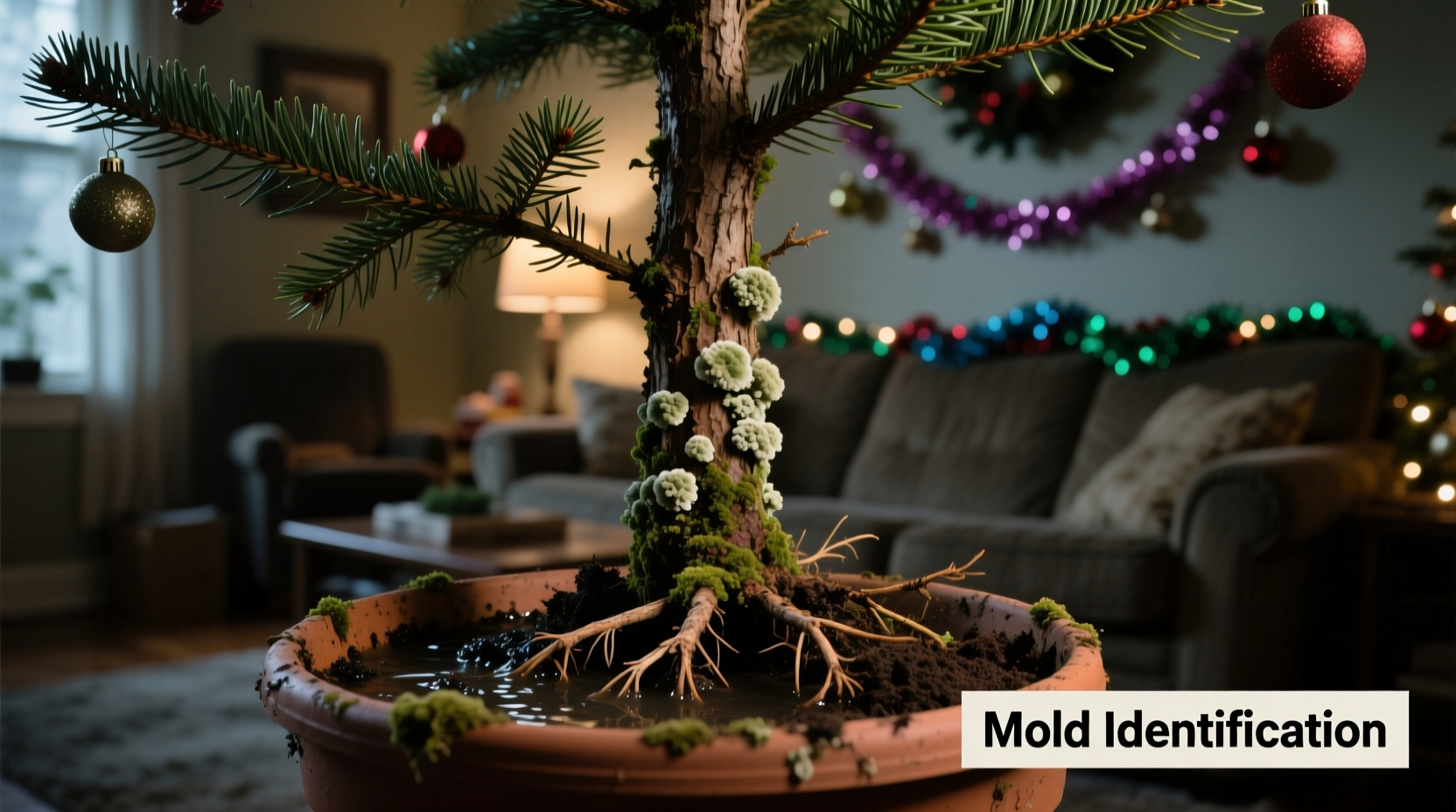
The most likely culprit behind a musty-smelling Christmas tree is biological contamination—specifically mold or mildew. These fungi thrive in dark, humid environments and reproduce through airborne spores. When an artificial tree is stored in a damp attic, garage, or basement without proper protection, it becomes a breeding ground for these organisms. Even real trees, if cut too long before display or kept in a warm, stagnant environment, can develop bacterial growth that produces off-putting odors.
Mold doesn’t always appear visible at first glance. It can grow in the folds of branches, inside PVC tubing, or along the base where water might pool. The smell is often the first sign. Unlike the natural resinous aroma of evergreens, a musty scent is stale, damp, and sometimes slightly sweet in a way that feels unnatural. This odor intensifies when the tree is warmed by indoor heating systems, which activates dormant spores and volatile organic compounds (VOCs) released by microbial metabolism.
How to Identify Mold on Artificial and Real Trees
Distinguishing between dust, dirt, and actual mold is crucial. Dust may cause a dry, chalky smell, but mold produces a persistent, penetrating mustiness. Here are key indicators of mold presence:
- Visible spots: Look for black, green, gray, or white speckles on branches, trunks, or connectors. These may appear fuzzy or slimy depending on humidity.
- Texture changes: Areas that feel sticky or unusually soft, especially near branch joints, may be compromised.
- Respiratory irritation: If family members experience sudden sneezing, coughing, or itchy eyes after setup, mold exposure could be the trigger.
- Persistent odor: A smell that doesn’t fade after airing out the tree is a red flag.
For artificial trees, pay close attention to metal or plastic components. Condensation can form inside hollow poles, creating hidden pockets of mold. Real trees, particularly pre-cut ones, can harbor bacteria in the stump or sap canals if not properly hydrated or stored cool before purchase.
“Mold on holiday decor is an underestimated indoor air hazard. One study found that stored artificial trees can carry over 50 types of fungi, including allergenic species like Aspergillus and Penicillium.” — Dr. Lena Torres, Indoor Air Quality Specialist, National Environmental Health Institute
Common Storage Mistakes That Lead to Musty Trees
Improper storage is the leading cause of musty Christmas trees. Many households relegate their trees to attics, basements, or garages—areas prone to temperature fluctuations and high humidity. Without climate control, these spaces become ideal for mold development.
Other frequent errors include:
- Storing the tree while still damp from cleaning or snowmelt.
- Using non-breathable plastic bags or containers that trap moisture.
- Packing the tree tightly, preventing airflow and increasing condensation risk.
- Failing to clean the tree before storage, leaving behind dust, sap, or organic debris.
- Stacking heavy items on top, which damages branches and creates crevices where moisture collects.
Even a single season of poor storage can initiate mold colonization. Once established, spores can survive desiccation and reactivate when conditions improve—such as when the tree is unpacked in a warm home.
Do’s and Don’ts of Christmas Tree Storage
| Do’s | Don’ts |
|---|---|
| Clean and dry the tree completely before storing | Store a wet or damp tree |
| Use a breathable fabric storage bag with ventilation panels | Seal the tree in airtight plastic |
| Store in a cool, dry, climate-controlled area (e.g., spare closet) | Leave it in a damp basement or unheated garage |
| Elevate off the floor using pallets or shelves | Place directly on concrete floors that wick moisture |
| Inspect annually for damage and mold | Forget about it for years without checking |
Step-by-Step Guide to Cleaning and Preventing Musty Odors
If your tree already smells musty, don’t discard it immediately. In many cases, thorough cleaning can restore it to safe, fresh condition. Follow this timeline-based approach:
- Unpack Outside: Open the tree in a garage, porch, or yard. Avoid spreading spores indoors.
- Inspect Thoroughly: Examine each section under bright light. Use a flashlight to peer into crevices.
- Vacuum Gently: Use a handheld vacuum with a brush attachment to remove dust and loose spores. Focus on dense branch clusters.
- Wipe Down Surfaces: For artificial trees, mix 70% isopropyl alcohol with water (1:1 ratio). Wipe all surfaces, especially metal stems and connectors. For real trees, this step isn’t applicable—discard if moldy.
- Deodorize Naturally: Spritz branches with a solution of water, 10 drops of tea tree oil, and 1 tablespoon of white vinegar. Both ingredients have antifungal properties.
- Air Out Completely: Leave the tree assembled in a dry, ventilated area for 24–48 hours before bringing inside.
- Treat Storage Container: Clean the storage bag or box with the same disinfectant. Replace if damaged or musty.
Real-Life Scenario: The Johnson Family’s Moldy Tree Experience
The Johnsons in Pittsburgh had used the same artificial tree for over a decade. Every November, they retrieved it from a plastic bin in their basement. Last year, upon setup, their youngest daughter began coughing and developed a rash. The tree had a faint earthy smell, which they initially dismissed as “old plastic.” After consulting an allergist, they learned their daughter was reacting to mold spores. A professional inspection revealed significant fungal growth inside the central pole and lower branches. The tree was discarded, and the family invested in a new, properly storable model. They now store their replacement in a breathable canvas bag inside a dehumidified closet—and inspect it annually. Their daughter’s symptoms resolved within weeks.
This case highlights how easily mold can go unnoticed until health effects appear. It also underscores the importance of proactive maintenance and informed storage choices.
When to Replace Your Tree
Cleaning can resolve minor contamination, but some situations call for replacement:
- Extensive visible mold that returns after cleaning.
- Structural damage such as brittle branches, corroded poles, or broken hinges.
- Family members with asthma, allergies, or compromised immune systems.
- Repeated odor issues despite proper care.
Modern artificial trees are designed for better durability and easier cleaning. Look for models labeled “mold-resistant” or with removable, washable sections. Some even come with antimicrobial coatings. While the upfront cost is higher, the long-term benefits for health and convenience justify the investment.
Frequently Asked Questions
Can a musty-smelling tree make you sick?
Yes. Mold and mildew release spores and microbial volatile organic compounds (MVOCs) that can trigger allergic reactions, respiratory issues, headaches, and fatigue—especially in sensitive individuals. Prolonged exposure increases risk.
Is it safe to use bleach to clean an artificial Christmas tree?
Bleach can kill mold, but it’s harsh on plastics and metals and releases fumes that may irritate lungs. It can also discolor foliage. A safer alternative is isopropyl alcohol or vinegar-based solutions, which are effective and less corrosive.
How can I prevent my real Christmas tree from developing a bad smell?
Keep the stand filled with water daily. A dried-out tree not only becomes a fire hazard but also emits a sour, decaying odor as sap breaks down. Choose a fresh-cut tree and set it up no more than three weeks before Christmas to minimize decomposition.
Protect Your Holiday Health with Smart Tree Care
Your Christmas tree should symbolize warmth, tradition, and joy—not hidden health risks. A musty smell is more than just unpleasant; it’s a signal that your storage habits may need reevaluation. By understanding how mold develops, learning to spot early signs, and adopting a disciplined cleaning and storage routine, you can ensure your tree remains a safe and festive part of your home. Whether you own an artificial or real tree, proactive care protects your indoor air quality and preserves the magic of the season for everyone gathered around it.




 浙公网安备
33010002000092号
浙公网安备
33010002000092号 浙B2-20120091-4
Comments
No comments yet. Why don't you start the discussion?