
Every year, as the holiday season approaches, families pull out their artificial Christmas trees with excitement—only to be greeted by an unexpected musty odor. That stale, damp smell can ruin the festive mood before the lights are even strung. While artificial trees offer convenience and reusability, they’re prone to absorbing moisture, dust, and mildew during storage, especially if kept in basements, garages, or attics. The good news is that this issue is both preventable and fixable. Understanding the root causes of the smell and applying targeted cleaning and storage strategies can restore freshness and ensure your tree stays inviting for years to come.
Why Artificial Trees Develop a Musty Smell
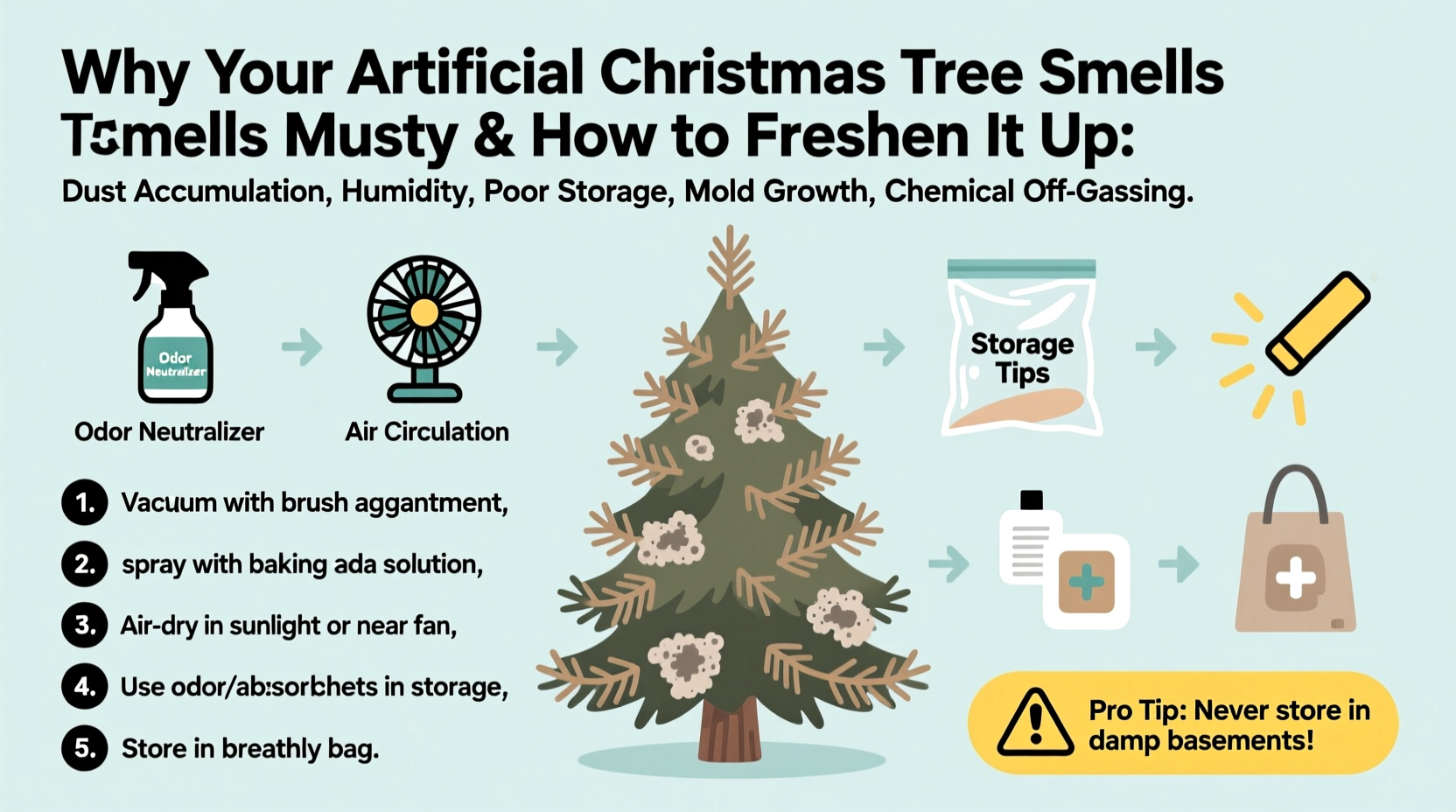
The musty odor from an artificial Christmas tree typically stems from prolonged exposure to humidity, dust accumulation, and microbial growth such as mold or mildew. Unlike real trees, which emit natural pine scents, artificial trees are made from materials like PVC, metal, and plastic that don’t breathe. When stored in dark, poorly ventilated areas—common in garages or basements—these materials trap moisture over time. Even small amounts of humidity can encourage mold spores to grow on the surface of branches or inside storage boxes.
Dust also plays a significant role. Over months of storage, fine particles settle into crevices between branches. Dust isn't just unsightly—it's hygroscopic, meaning it attracts and holds moisture, creating a breeding ground for odor-causing microbes. Additionally, some storage containers are not fully sealed or made from non-breathable plastics that can themselves retain smells and transfer them to the tree.
“Artificial trees are often stored under less-than-ideal conditions. It only takes one humid summer in a basement for mold spores to colonize hidden areas.” — Dr. Lena Peterson, Indoor Air Quality Specialist
Step-by-Step Guide to Freshen Up a Musty Artificial Tree
Reviving your artificial tree doesn’t require harsh chemicals or expensive tools. With patience and proper technique, you can eliminate odors safely and effectively. Follow this detailed process to clean and refresh your tree before display.
- Unpack in a Well-Ventilated Area: Take the tree outside or into a garage with open doors. This prevents spreading dust and mold spores indoors.
- Shake Out Loose Debris: Hold each section by the trunk and vigorously shake it to dislodge dust, cobwebs, and loose particles. Do this over a grassy area or concrete to avoid tracking debris inside.
- Vacuum Thoroughly: Use a vacuum with a brush attachment to gently go over each branch. Focus on dense areas where dust accumulates—especially near the trunk and inner core.
- Wipe Down Branches: Dampen a microfiber cloth with a solution of equal parts water and white vinegar. Wipe down individual branches section by section. Vinegar naturally kills mold and neutralizes odors without damaging PVC.
- Air-Dry Completely: After wiping, let each tree section dry fully in the sun or a dry outdoor space. Moisture left behind can lead to new mold growth.
- Deodorize with Baking Soda or Essential Oils: Once dry, lightly mist branches with a spray made from 1 cup water, 1 tablespoon baking soda, and 10 drops of pine or cinnamon essential oil. This adds a pleasant holiday scent while further neutralizing lingering odors.
- Final Fluff and Inspect: Once clean and dry, fluff the branches to restore fullness and inspect for any remaining discoloration or weak spots.
Do’s and Don’ts of Cleaning and Storing Artificial Trees
Improper handling during cleaning or storage can worsen odors or shorten your tree’s lifespan. The table below outlines best practices to follow—and common mistakes to avoid.
| Do’s | Don’ts |
|---|---|
| Do clean annually before storage | Don’t store while damp or wet |
| Do use a breathable cotton or canvas storage bag | Don’t use plastic bags or sealed bins long-term |
| Do place silica gel packs inside storage | Don’t store in basements or garages unless climate-controlled |
| Do wipe down pre-lit wires with a dry cloth | Don’t use bleach or ammonia-based cleaners |
| Do inspect for frayed wires or damage yearly | Don’t stack heavy items on top of the tree box |
Real Example: How One Family Eliminated Years of Tree Odor
The Thompson family had used the same 7.5-foot artificial tree for over a decade. Each year, they stored it in a plastic bin in their unheated garage. By the third year, they began noticing a faint earthy smell when unpacking it. By year eight, the odor was strong enough that their children complained of headaches. They tried masking it with room sprays and potpourri, but the problem persisted.
In November 2023, they decided to take action. They followed the step-by-step cleaning guide above: unpacking the tree outside, vacuuming every branch, wiping with a vinegar solution, and letting it dry in the winter sun for two days. They also replaced their old plastic bin with a ventilated canvas tree bag and added five silica gel packs inside. The result? A completely odor-free tree that looked and smelled fresh. “It felt like we got a brand-new tree,” said Mark Thompson. “We should’ve done this years ago.”
Preventive Checklist for Long-Term Freshness
To avoid recurring musty smells, adopt these preventive habits every year after the holidays. Completing this checklist ensures your tree stays clean, dry, and ready for next season.
- Disassemble the tree carefully and check for tangled lights or broken tips.
- Vacuum each section thoroughly before packing away.
- Wipe down the central pole and stand with a dry microfiber cloth.
- Ensure all components are completely dry—no condensation or dampness.
- Use a breathable storage bag instead of a plastic container.
- Insert moisture-absorbing packets (silica gel or charcoal) into the storage bag.
- Store in a cool, dry, climate-controlled area—never in a garage or attic unless insulated.
- Label the bag clearly and keep it off the floor using shelves or pallets.
- Schedule a quick inspection every six months to catch early signs of mold.
- Rotate or upgrade storage solutions every 3–5 years.
Frequently Asked Questions
Can I wash my artificial tree in the washing machine?
No. Submerging or agitating an artificial tree in a washing machine will damage the branches, fray the coating, and potentially ruin internal wiring in pre-lit models. Stick to surface cleaning with cloths and vacuums.
Is the musty smell dangerous?
Prolonged exposure to mold and mildew from a contaminated tree can trigger allergies, asthma symptoms, or respiratory irritation, especially in sensitive individuals. If the smell is strong or accompanied by visible black spots, treat it as a health concern and clean thoroughly before use.
How long does it take to air out a musty tree?
Light odors may dissipate within 24–48 hours of airing outside. However, deeply embedded smells caused by mold require active cleaning—not just ventilation. Passive airing alone won’t eliminate microbial growth.
Expert Insight: The Role of Storage Environment
According to home organization expert Rachel Nguyen, “Most people treat tree storage as an afterthought. But the six months your tree spends in storage matter more than the three weeks it’s on display.” She emphasizes that temperature stability and airflow are critical. “A closet in a heated bedroom is far better than a ‘convenient’ spot in the garage. Invest in quality storage gear—it pays off in longevity and indoor air quality.”
“The difference between a fresh-smelling tree and a musty one often comes down to a $10 canvas bag and a few desiccant packs.” — Rachel Nguyen, Home Efficiency Consultant
Conclusion: Turn a Problem Into a Holiday Upgrade
A musty artificial Christmas tree is a common but solvable issue. With the right knowledge, tools, and habits, you can eliminate unpleasant odors and protect your investment for many seasons. The effort you put into cleaning and storing your tree now directly impacts the joy and comfort it brings later. Don’t let last year’s smell dictate this year’s experience. Take control of your holiday ambiance by treating your artificial tree with the care it deserves. Clean it thoughtfully, store it wisely, and enjoy a fresh, welcoming centerpiece every December.




 浙公网安备
33010002000092号
浙公网安备
33010002000092号 浙B2-20120091-4
Comments
No comments yet. Why don't you start the discussion?