
The rich, woodsy aroma of a freshly cut Christmas tree is one of the most cherished signs of the holiday season. That crisp pine fragrance instantly evokes warmth, nostalgia, and celebration. But if you’ve noticed the scent fading within days—sometimes even hours—after bringing your tree home, you’re not imagining things. Many people experience a diminishing fragrance over time, and while it’s a natural process, several factors influence just how quickly that beloved piney perfume disappears.
Understanding why your Christmas tree's scent weakens involves more than just seasonal disappointment—it ties into botany, environmental conditions, and tree care practices. This article explores the scientific and practical reasons behind fading tree aromas, offers actionable steps to prolong the scent, and shares real-world insights from horticulturists and holiday decorators who deal with this issue every year.
The Science Behind the Scent: What Makes a Christmas Tree Smell?
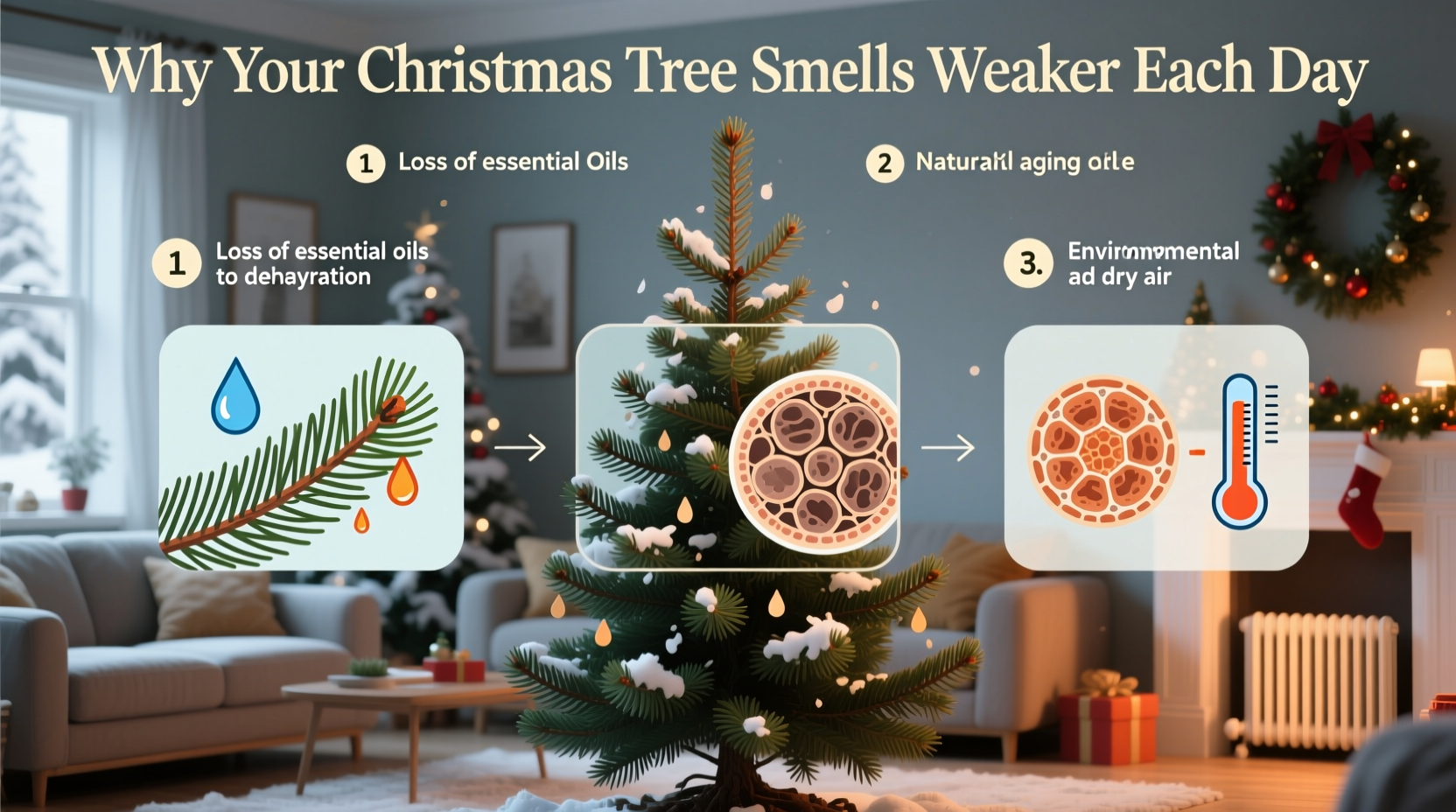
The distinctive smell of a Christmas tree comes primarily from volatile organic compounds (VOCs) released by the tree’s resin, needles, and bark. These compounds—such as pinene, limonene, and camphene—are naturally produced by coniferous trees like firs, pines, and spruces as part of their defense system against pests and disease. When the tree is cut or damaged, these oils are released more freely into the air, creating that powerful forest-like aroma.
However, once the tree is separated from its root system, it begins to dry out. As moisture levels drop, the production and release of aromatic oils slow down. The initial burst of scent you notice when first setting up the tree is due to the trauma of cutting and transport—essentially, the tree “bleeding” its essential oils. Over time, as cellular activity declines, fewer VOCs are emitted, leading to a perceptible weakening of the fragrance.
“Conifers rely on water pressure to maintain resin flow. Once that pressure drops after cutting, the scent diminishes rapidly unless the tree is kept well-hydrated.” — Dr. Laura Simmons, Urban Forestry Specialist, University of Vermont
5 Key Reasons Your Christmas Tree’s Scent Is Fading Faster Than Expected
While some decline in fragrance is inevitable, certain conditions can accelerate the loss. Here are the most common culprits:
1. Inadequate Water Supply
The single biggest factor affecting both tree freshness and scent longevity is water. A Christmas tree can drink up to a gallon of water per day, especially in the first 24–48 hours after being set up. If the water reservoir runs dry even briefly, the trunk seals over with sap, preventing further absorption. Without hydration, the needles desiccate, resin dries up, and aromatic compounds stop releasing.
2. Indoor Heat and Low Humidity
Modern homes are often warm and dry during winter, especially with heating systems running constantly. High temperatures increase the rate of transpiration (water loss through needles), speeding up dehydration. Dry air also absorbs volatile compounds more quickly, dispersing the scent faster but reducing its concentration near the tree.
For example, placing your tree near a radiator, fireplace, or forced-air vent drastically shortens its lifespan and dulls the fragrance within days.
3. Type of Tree Species
Not all Christmas trees are created equal when it comes to scent strength and duration. Some species are naturally more aromatic and longer-lasting than others.
| Tree Species | Scent Strength | Longevity of Aroma | Notes |
|---|---|---|---|
| Balsam Fir | ★★★★★ | Excellent | Rich, classic pine scent; holds fragrance longest |
| Frasier Fir | ★★★★☆ | Very Good | Slightly citrusy; excellent needle retention |
| Nordmann Fir | ★★☆☆☆ | Fair | Mild scent; prized for appearance, not aroma |
| Scotch Pine | ★★★☆☆ | Good | Sharp, traditional scent; retains needles well |
| White Pine | ★☆☆☆☆ | Poor | Very mild scent; soft needles, less aromatic |
4. Delay Between Cutting and Setup
If your tree was cut days—or even weeks—before you brought it home, much of its initial resin content may have already dissipated. Pre-cut trees sold at roadside lots or big-box stores often sit without water for extended periods, accelerating drying and scent loss before they ever enter your home.
In contrast, “choose-and-cut” farms allow you to harvest a tree minutes before transport, preserving maximum freshness and aroma potential.
5. Lack of Air Circulation or Poor Placement
Ironically, poor airflow can make a tree smell weaker—even if it’s still emitting VOCs. Stagnant air traps scent molecules close to the tree, preventing them from circulating through your living space. Conversely, excessive airflow from fans or HVAC vents can disperse the scent too quickly, making it feel fainter in key areas.
How to Preserve and Enhance Your Tree’s Natural Fragrance
You can’t stop time, but you can significantly slow the decline of your Christmas tree’s scent with proper care. Follow these evidence-based strategies to keep your home smelling like a winter forest throughout the holidays.
Step-by-Step Guide to Maximizing Tree Scent Longevity
- Make a Fresh Cut: Before placing the tree in the stand, cut ½ to 1 inch off the base. This removes dried sap and exposes open vessels for water absorption.
- Use a Large Water Reservoir: Choose a stand that holds at least one quart of water per inch of trunk diameter. Check water levels daily—never let it run dry.
- Keep Away From Heat Sources: Position the tree at least 3 feet from radiators, fireplaces, TVs, and direct sunlight.
- Add Humidity: Use a humidifier nearby to combat dry indoor air, helping the tree retain moisture and prolong oil release.
- Avoid Chemical Additives: Do not add sugar, aspirin, bleach, or commercial “tree preservatives.” Research shows plain tap water works best.
- Mist the Branches: Lightly spraying the tree with water every few days helps reduce drying and may temporarily boost scent release.
- Gently Shake Branches: Light agitation can dislodge trapped resin droplets and refresh the aroma.
Real Example: The Case of the Vanishing Balsam
Sarah M., a homeowner in Portland, Maine, bought a 7-foot Balsam Fir from a local farm on December 1st. She recalls, “The moment we got it home, the whole house smelled incredible—like walking through a snowy forest.” But by December 5th, the scent had nearly vanished.
Upon inspection, she realized the water bowl had been empty for two days due to an unnoticed leak. Though she refilled it immediately, the trunk had already sealed. Despite misting and moving the tree away from the heater, the fragrance never returned to its original intensity.
Dr. Simmons reviewed her case and confirmed: “Even a 24-hour dry period can permanently impair water uptake in fir trees. The key is vigilance—checking water twice daily during the first week.”
The following year, Sarah switched to a larger stand, made a fresh cut herself, and placed a reminder on her phone to check water every morning. The result? Her tree stayed fragrant until New Year’s Eve.
Checklist: Maintain Maximum Christmas Tree Scent
- ☑ Cut ½ inch off the trunk before setup
- ☑ Use a stand with adequate water capacity
- ☑ Fill the stand immediately and monitor daily
- ☑ Keep the tree away from heat sources and direct sun
- ☑ Increase room humidity if possible
- ☑ Avoid overcrowding around the tree base
- ☑ Gently brush branches to release trapped oils
- ☑ Consider using a fan on low to circulate scent (not blow directly at tree)
Frequently Asked Questions
Can I bring back the smell once it’s gone?
Once the tree has severely dried out, natural scent recovery is unlikely. However, you can introduce pine-scented essential oils via a diffuser or DIY spray (mix water with a few drops of fir or pine oil) to mimic the aroma. Note: This won’t help the tree itself—it’s purely atmospheric enhancement.
Do artificial trees smell like real ones?
Some artificial trees come pre-scented or include scent-infused sprays, but these are temporary and often chemically derived. They lack the complexity and depth of real conifer VOCs. For authentic fragrance, nothing replaces a fresh-cut tree properly maintained.
Is there a way to test if my tree is still absorbing water?
Yes. After filling the stand, check back in 2–4 hours. If the water level has dropped significantly, the tree is drinking. No change likely means the trunk has sealed. Try re-cutting the base if possible.
Conclusion: Enjoy the Scent While It Lasts—And Make It Last Longer
The fading scent of a Christmas tree is a quiet symbol of the season’s fleeting nature. But with informed care, you don’t have to accept rapid decline as inevitable. By understanding the biology behind the aroma and addressing the environmental challenges of modern homes, you can extend that signature pine fragrance for weeks.
Choose the right species, prioritize hydration, control your indoor climate, and stay vigilant. These small actions compound into a far more immersive holiday experience—one where the smell of the season lingers as long as the lights stay lit.




 浙公网安备
33010002000092号
浙公网安备
33010002000092号 浙B2-20120091-4
Comments
No comments yet. Why don't you start the discussion?