
The moment you bring a real Christmas tree into your home, the scent of pine, spruce, or fir fills the air—a hallmark of the holiday season. But what happens when that familiar evergreen aroma turns strange? A faint earthy note is normal, but if your tree starts emitting musty, sour, or chemical-like odors, it’s worth paying attention. While some changes in scent are harmless, others can signal safety hazards like mold growth or fire risk. Understanding the causes behind unusual tree smells—and knowing when to act—can help protect your family and preserve the joy of the holidays.
Understanding Normal vs. Abnormal Tree Scents
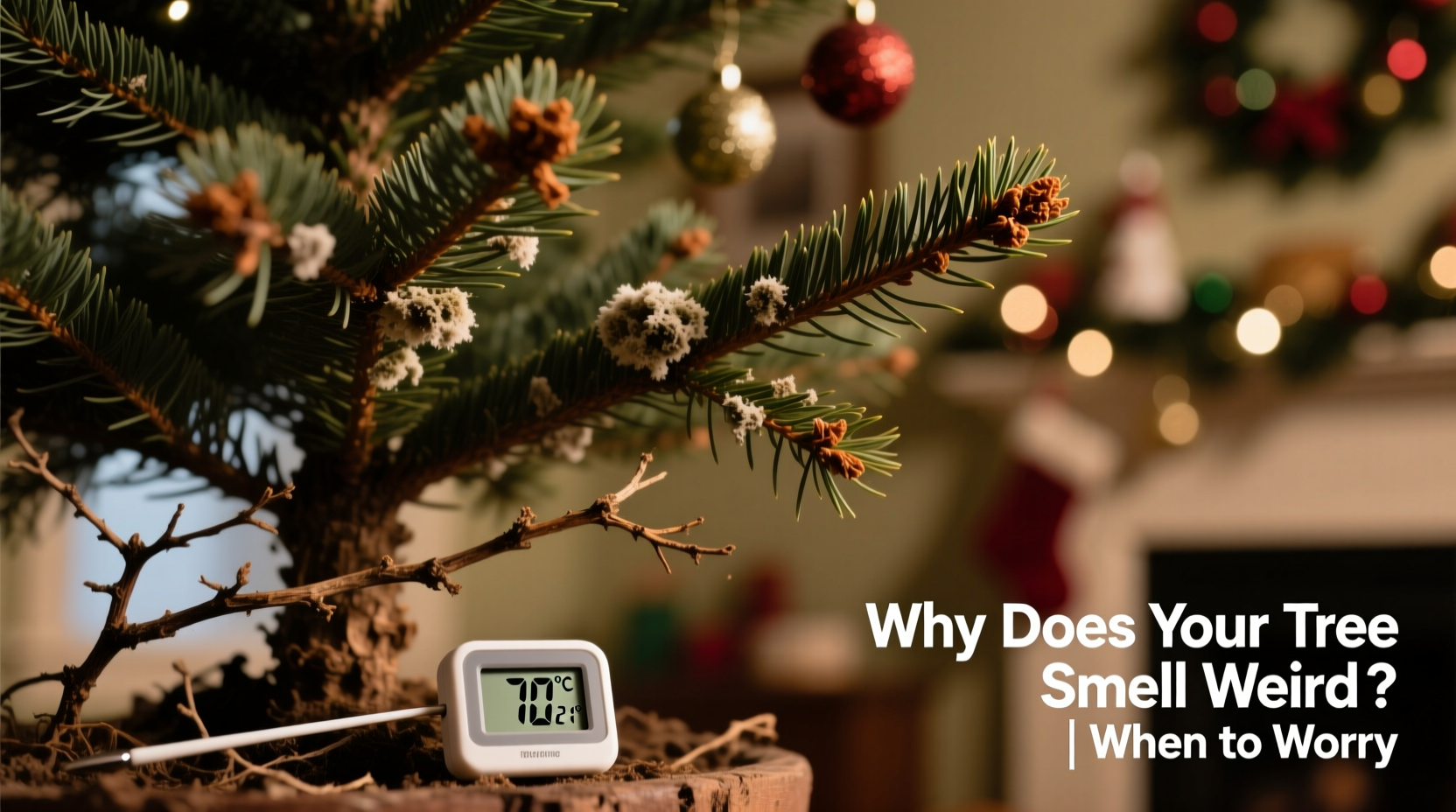
Fresh-cut evergreens naturally release volatile organic compounds (VOCs), particularly terpenes like pinene and limonene, which give them their signature crisp, woodsy fragrance. This scent often intensifies during the first few days after setup as the tree adjusts to indoor conditions. However, as the tree dries out, its chemistry changes. Resins harden, sap oxidizes, and microbial activity may increase—especially if moisture accumulates at the base.
A slightly less intense or more subdued pine smell over time is expected. What’s not normal is:
- A damp, musty odor resembling mildew or wet cardboard
- A sour or fermented smell, similar to rotting vegetables
- Chemical or ammonia-like fumes
- Smells that trigger headaches, coughing, or nasal irritation
These off-putting aromas usually point to underlying issues beyond simple drying. Identifying the root cause early can prevent health concerns and extend your tree’s display life.
Common Causes of Unusual Christmas Tree Smells
1. Mold and Mildew Growth
Mold is one of the most frequent culprits behind foul-smelling trees. It thrives in warm, humid environments—exactly the conditions many homes maintain during winter. If water sits stagnant in the tree stand for several days without being refreshed, it becomes a breeding ground for mold spores. These spores colonize the cut trunk and spread up through the vascular tissue, especially if the tree wasn’t properly prepared before display.
You may notice visible black or green spots near the base or a persistent musty smell that lingers even after airing out the room. According to Dr. Linda Harper, an environmental microbiologist with the National Indoor Air Quality Association,
“Indoor mold from sources like Christmas trees can contribute to respiratory symptoms, especially in individuals with asthma or allergies. A strong, musty odor is often the first warning sign.” — Dr. Linda Harper, Environmental Microbiologist
2. Bacterial Buildup in Stagnant Water
Like mold, bacteria flourish in standing water. When tree stand water isn’t changed regularly—or when additives aren’t used—it can begin to decompose organic matter from the tree itself. This process produces gases such as hydrogen sulfide, which has a rotten egg smell, and other volatile byproducts that create unpleasant odors.
This issue is more common with older trees that were stored improperly before purchase or those that sat in transport trucks for extended periods.
3. Pesticide or Preservative Residue
Some commercial tree farms treat their crops with pesticides or fungicides to prevent insect infestations and fungal diseases. While generally safe when applied correctly, residual chemicals can volatilize indoors, especially in warm rooms. The result might be a sharp, synthetic, or medicinal smell.
Additionally, certain tree preservatives sold in stores contain biocides or algaecides that, when overused, can emit chemical fumes. Always follow label instructions carefully and consider using natural alternatives like lemon juice and sugar.
4. Off-Gassing from Artificial Components
If you’ve added decorative elements like artificial garlands, flocking spray, or pre-lit strands, these materials can contribute to odd smells. Flocking—often made from cellulose or plastic fibers—can trap moisture and develop mold. Some LED light sets and plastic ornaments also emit a faint “new plastic” odor due to off-gassing of volatile compounds.
In rare cases, faulty wiring in old or damaged string lights can produce a burning smell, which requires immediate attention.
5. Decomposing Organic Matter in the Tree
Wildlife sometimes leaves behind organic material in trees before harvest. Squirrels, birds, or insects may have nested in the branches or left droppings, seeds, or decaying plant matter. Once indoors, this material warms up and begins to decompose, producing a foul, earthy stench.
Inspect your tree thoroughly before setup, especially deep within the lower branches where debris tends to accumulate.
When Should You Be Concerned?
Not every odd smell means danger, but certain red flags indicate it’s time to remove the tree immediately:
- Persistent Musty or Mold-Like Odor – Especially if accompanied by visible discoloration on the trunk or needles.
- Burning or Electrical Smell – Could indicate overheating lights or frayed wires. Turn off all electrical decorations and inspect them.
- Respiratory Irritation – Coughing, sneezing, watery eyes, or worsening allergy symptoms shortly after installing the tree.
- Visible Mold or Slime – Black, fuzzy patches on the trunk or inside the stand suggest active microbial growth.
- Water That Smells Rotten – If changing the water doesn’t eliminate the odor, bacterial colonization may be advanced.
The CDC recommends removing any source of indoor mold promptly, as prolonged exposure can affect immune function and worsen chronic respiratory conditions.
Step-by-Step Guide to Diagnose and Fix a Smelly Tree
If your tree develops an unusual odor, follow this timeline to assess and address the problem:
- Day 1–2: Initial Inspection
Check for trapped debris, dampness in the trunk, and proper water absorption. Fill the stand with warm water mixed with a tablespoon of sugar and a capful of white vinegar to encourage uptake and inhibit microbes. - Day 3–5: Monitor Water Levels and Smell
Refill daily with fresh water. If the smell persists, empty the stand, scrub it with a vinegar-and-baking-soda solution, and rinse thoroughly before refilling. - Day 6–7: Deep Check
Inspect the base of the trunk for softness, discoloration, or slime. Use a flashlight to examine tight branch clusters. Remove any suspicious material with gloves. - Day 8+: Evaluate Health
If the tree continues to dry rapidly, drop needles excessively, or emit foul odors despite cleaning, plan for removal. Most real trees last 2–4 weeks indoors with proper care.
Prevention Checklist: Keep Your Tree Fresh and Odor-Free
Follow this checklist to minimize the risk of strange smells from the start:
- ✅ Choose a freshly cut tree with flexible needles and sticky resin at the cut end
- ✅ Make a fresh half-inch cut at the base before placing in the stand
- ✅ Fill the stand with clean water within 30 minutes of cutting
- ✅ Use a mixture of water, sugar (1 tbsp/gal), and vinegar (1 cap/gal) to nourish and sanitize
- ✅ Change water every 2–3 days and clean the stand weekly
- ✅ Keep the tree away from heat sources like radiators, fireplaces, and direct sunlight
- ✅ Inspect lights for damage before use; avoid overloading circuits
- ✅ Vacuum around the base regularly to remove fallen needles and dust
Do’s and Don’ts of Christmas Tree Care
| Do | Don’t |
|---|---|
| Use a sturdy stand that holds at least 1 gallon of water | Let the water level drop below the cut end—even briefly |
| Place the tree in a cool area with stable temperatures | Put it near heating vents or space heaters |
| Check water levels twice daily during the first week | Assume the tree doesn’t need water because the reservoir looks full |
| Clean the stand before and after use | Reuse old, cloudy water from last year’s tree |
| Dispose of the tree promptly after 3–4 weeks or if it dries out | Leave a dry tree standing past New Year’s, especially with lights on |
Real Example: A Holiday Near-Miss
Sarah M., a homeowner in Vermont, brought home a Fraser fir two days before Christmas. By day three, she noticed a faint musty smell she initially dismissed as \"just the tree settling in.\" But by day five, her son began coughing at night, and the odor had intensified into a damp, cellar-like stench.
She inspected the trunk and found black specks near the base. After calling a local arborist, she learned the tree had likely been stored outdoors in wet conditions before sale, allowing mold to take hold. She removed the tree immediately and cleaned the area with a disinfectant. Her son’s symptoms improved within 24 hours.
Sarah now insists on inspecting every tree with a flashlight and always cuts a fresh base before display. “I didn’t realize a Christmas tree could make us sick,” she said. “Now I treat it like any perishable—freshness matters.”
FAQ: Common Questions About Christmas Tree Smells
Is it normal for a Christmas tree to stop smelling like pine?
Yes, to an extent. The strongest scent typically lasts 7–10 days. As the tree dries, aromatic oils evaporate. However, a complete loss of scent combined with brittleness or needle drop suggests dehydration. Ensure consistent watering to prolong both freshness and fragrance.
Can a smelly tree be dangerous?
It depends. A musty or moldy smell can trigger allergies or respiratory issues, especially in sensitive individuals. A burning or acrid odor from lights or wiring poses a fire hazard and should be investigated immediately. When in doubt, err on the side of caution and remove the tree.
How long should a real Christmas tree last indoors?
With proper care, a healthy tree should remain fresh for 3 to 4 weeks. Key factors include making a fresh cut, maintaining water levels, and avoiding heat sources. Trees that dry out quickly become fire hazards and lose structural integrity.
Conclusion: Enjoy the Holidays Safely
The scent of a Christmas tree should evoke warmth and nostalgia—not concern. While minor changes in fragrance are normal, persistent or unpleasant odors can signal deeper problems like mold, bacterial growth, or equipment failure. By understanding the causes and taking preventive steps, you can enjoy a beautiful, healthy tree throughout the season.
Start with a fresh, well-cared-for tree, maintain its water supply diligently, and stay alert to warning signs. If something feels off, trust your instincts. Removing a tree early is far safer than risking health or safety for a few extra days of decor.




 浙公网安备
33010002000092号
浙公网安备
33010002000092号 浙B2-20120091-4
Comments
No comments yet. Why don't you start the discussion?