
Every holiday season, families gather around their decorated Christmas trees, sharing laughter, opening gifts, and soaking in the warmth of tradition. But nothing disrupts the magic faster than a sudden crash—a toppled tree scattering needles, ornaments, and peace of mind across the living room. If your Christmas tree seems to have a habit of tipping over with the slightest bump or breeze, you're not alone. Thousands of households face this frustrating—and potentially dangerous—issue every year.
The good news? A wobbly tree isn’t inevitable. With the right setup, support, and awareness of common pitfalls, you can secure your tree for the entire season. This guide dives into the real reasons behind tree instability and delivers practical, expert-backed solutions to keep your centerpiece standing tall and safe.
Why Christmas Trees Tip Over: The Hidden Causes
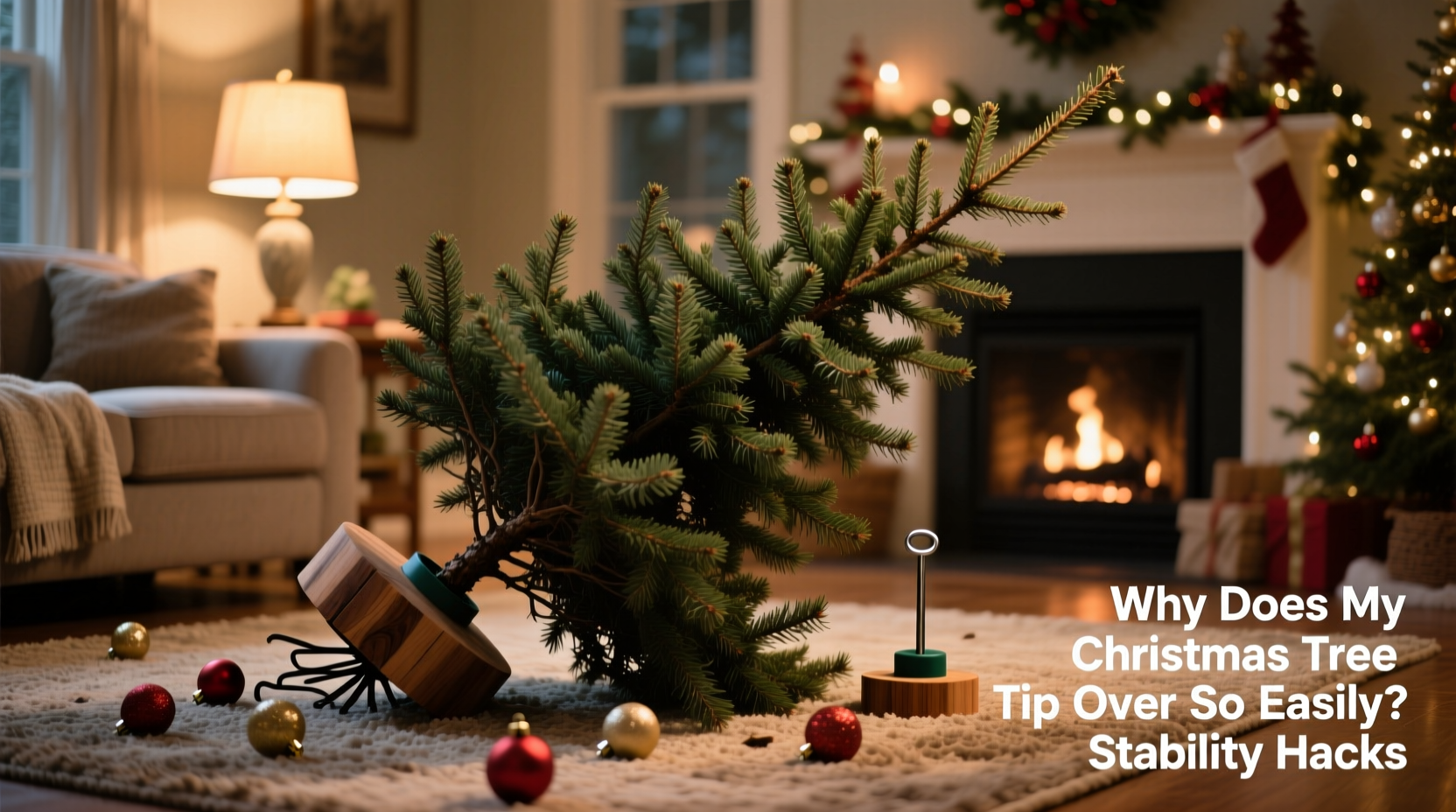
At first glance, a fallen tree might seem like bad luck or an overexcited pet. But in most cases, the root causes are structural and preventable. Understanding these factors is the first step toward a stable display.
- Unbalanced weight distribution: Heavy ornaments, lights, or garlands clustered on one side create leverage that pulls the tree off-center.
- Inadequate stand grip: Many standard stands don’t clamp tightly enough, especially on irregularly shaped trunks or older trees that have dried and shrunk.
- Soft flooring: Carpets, rugs, or uneven floors reduce traction and allow the stand base to shift under pressure.
- Top-heavy design: Tall trees with full upper branches but sparse lower sections are naturally less stable.
- External forces: Pets brushing past, children playing nearby, or even strong drafts from heating vents can be enough to destabilize a weakly anchored tree.
According to Dr. Alan Pierce, a structural engineer who consults on seasonal displays, “A Christmas tree is essentially a vertical cantilever beam. Once the center of gravity shifts beyond the base footprint, collapse becomes unavoidable. Stability starts with proper anchoring—not just aesthetics.”
“Even a 7-foot tree can generate over 50 pounds of lateral force when pulled at the top. Without secure footing, it doesn’t take much to bring it down.” — Dr. Alan Pierce, Structural Engineer
Stability Hacks That Actually Work
Preventing a tree fall isn’t about luck—it’s about smart engineering and proactive adjustments. These tested methods go beyond basic instructions and address real-world conditions in homes.
1. Upgrade Your Tree Stand
The stand is the foundation of your tree’s stability. Most included stands are designed for cost, not performance. Invest in a heavy-duty model with these features:
- Metal construction (avoid plastic bases)
- Screw-based clamping system (not spring-loaded)
- Wide, non-slip base (at least 2 inches beyond the trunk diameter)
- Water reservoir capacity of 1 gallon or more (keeps trunk hydrated and firm)
2. Use Support Stakes or Guy Wires
For taller trees (over 6 feet), consider adding external supports similar to those used for young trees outdoors. You can build a discreet indoor version using soft nylon cords and wall anchors.
- Drive three or four screw-in eye hooks into the wall behind the tree, spaced evenly around it at shoulder height.
- Attach soft, thin cords (like braided fishing line) from each hook to the upper third of the tree trunk.
- Tension each line gently—just enough to stabilize, not bend.
- Camouflage cords with tinsel or ribbon if desired.
This method allows the tree to stay centered and resist lateral movement without being obvious.
3. Anchor to Furniture or Wall
If you’re concerned about drilling into walls, use furniture as an anchor point. Place the tree close to a sturdy bookshelf, entertainment center, or sofa. Then, use a soft bungee cord or fabric strap to loosely tether the back of the tree to the furniture.
Ensure the connection is high enough (around 5–6 feet up the trunk) to prevent tipping forward. Never wrap anything tightly around branches—this can damage them and create stress points.
4. Add Weight to the Base
A heavier base resists tipping. Fill the tree stand’s water reservoir completely, then add extra ballast if needed:
- Pour clean sand or small river stones into the bottom of the stand before inserting the trunk.
- Use sealed water bottles placed around the inside edge of the stand base.
- Stack decorative metal ornaments (like vintage bells or cast iron figurines) around the base—functional and festive.
Just make sure added weight doesn’t interfere with watering access.
Do’s and Don’ts of Tree Placement
Where you place your tree affects its stability as much as how you secure it. Follow these guidelines to minimize risk.
| Do | Don’t |
|---|---|
| Place the tree on a hard, level surface like wood or tile. | Set it on thick carpet or an unstable rug without padding. |
| Keep it away from high-traffic areas and door swings. | Put it in a narrow hallway where people brush past it. |
| Position it at least 3 feet from heat sources like radiators or vents. | Place it near a heating vent that dries out the trunk. |
| Check trunk alignment daily—ensure it's straight in the stand. | Assume the tree stays secure once set up. |
| Trim the bottom branches to improve stand seating. | Leave low branches that lift the trunk off the stand floor. |
Real-Life Example: The Johnson Family’s Near-Miss
The Johnsons in Minneapolis had a tradition of setting up a 7.5-foot Fraser fir each December. For three years, their tree survived—barely. One evening during a family movie night, their golden retriever bolted after a squirrel outside, knocking into the tree’s base. It swayed dramatically, shedding ornaments, before crashing onto the couch.
Determined to avoid a repeat, they analyzed what went wrong. Their original stand was plastic with weak screws. The tree stood on a plush area rug, reducing grip. And nearly all the large ornaments were hung on one side.
The next season, they switched to a commercial-grade steel stand, moved the tree to a hardwood section of the room, added guy wires to wall anchors, and balanced decorations evenly. They also trained their dog to stay clear using a baby gate during peak hours. The tree remained perfectly upright—even during a surprise snowstorm that shook the house.
“It wasn’t one fix that saved us,” said Sarah Johnson. “It was treating the tree like part of the home’s structure, not just decor.”
Step-by-Step Guide to Securing Your Tree
Follow this sequence during setup to maximize stability from day one:
- Inspect the trunk: Cut 1–2 inches off the bottom to expose fresh wood for water absorption and remove any jagged edges.
- Choose the location: Pick a flat, stable surface away from foot traffic and heat sources.
- Prepare the stand: Clean old sap from previous seasons. Ensure all screws turn smoothly.
- Insert the tree: Center the trunk and tighten each screw gradually, alternating sides to maintain balance.
- Add water: Fill to maximum capacity. Check daily; a healthy tree drinks 1 quart per inch of diameter daily.
- Install supports: Attach guy wires or stakes if the tree is over 6 feet tall.
- Distribute weight: Hang heavier ornaments lower and spread them evenly.
- Test stability: Gently push the top of the tree sideways. If it moves more than 2 inches at the base, reinforce the stand or add anchors.
- Monitor daily: Re-tighten screws as the trunk dries and contracts, especially in the first week.
Frequently Asked Questions
Can I use duct tape to stabilize my tree?
No. Duct tape may seem like a quick fix, but it won’t hold significant force and can damage bark or finishes. It also creates a fire hazard near lights. Use mechanical supports instead.
How tight should the tree stand screws be?
Tight enough that the trunk doesn’t move when gently pushed, but not so tight that you strip the screws or crush the wood. Retighten every 2–3 days as the trunk dries and shrinks.
Are artificial trees more stable than real ones?
Not necessarily. While artificial trees don’t dry out, many come with flimsy stands. Their stability depends on base width and material quality. Always check reviews for comments on sturdiness before purchasing.
Expert Tips for Long-Term Stability
Seasoned decorators and professional installers rely on a few lesser-known techniques to keep trees upright through holidays and photo shoots alike.
- Use rubber shelf liner: Cut a piece to fit inside the stand base. Its grippy texture helps hold the trunk steady and prevents rotation.
- Reinforce with wood blocks: For extremely wide or tapered trunks, insert small wooden shims between the trunk and stand jaws, then tighten screws around them.
- Hang fewer items on outer branches: Long, flexible limbs act like levers when weighted. Keep heavy decorations near the trunk.
- Install a tree skirt with weight: Sew small sandbags or pouches into the underside of a fabric tree skirt to add downward pressure around the base.
“The number one mistake I see is waiting until the tree wobbles to act. Prevention beats correction every time.” — Maria Tran, Professional Holiday Stylist with 12 Years of Experience
Conclusion: A Stable Tree, A Safer Holiday
Your Christmas tree is more than decoration—it’s a symbol of warmth, memory, and celebration. Keeping it upright isn’t just about avoiding mess; it’s about protecting your family, pets, and cherished ornaments from avoidable accidents. By understanding the physics of tree stability and applying simple, effective hacks, you transform a seasonal chore into a lasting solution.
Start with a solid stand, choose your location wisely, distribute weight thoughtfully, and add support when needed. These steps take little time but deliver peace of mind throughout the holidays.




 浙公网安备
33010002000092号
浙公网安备
33010002000092号 浙B2-20120091-4
Comments
No comments yet. Why don't you start the discussion?