
Coffee is one of the most beloved beverages in the world, but nothing ruins the experience faster than a harsh, lingering bitterness. While some bitterness is natural—especially in dark roasts—excessive or unpleasant bitterness often signals a brewing imbalance. The good news: it’s fixable. With a few adjustments to your beans, grind, water, and method, you can transform your daily cup from sharp and acrid to smooth, balanced, and deeply satisfying.
Bitterness isn’t just about personal preference; it’s rooted in chemistry. Over-extraction, poor water quality, stale beans, or incorrect brewing techniques all contribute. Understanding these factors empowers you to take control of your brew and consistently enjoy coffee that highlights sweetness, acidity, and complexity instead of overwhelming bitterness.
The Science Behind Coffee Bitterness
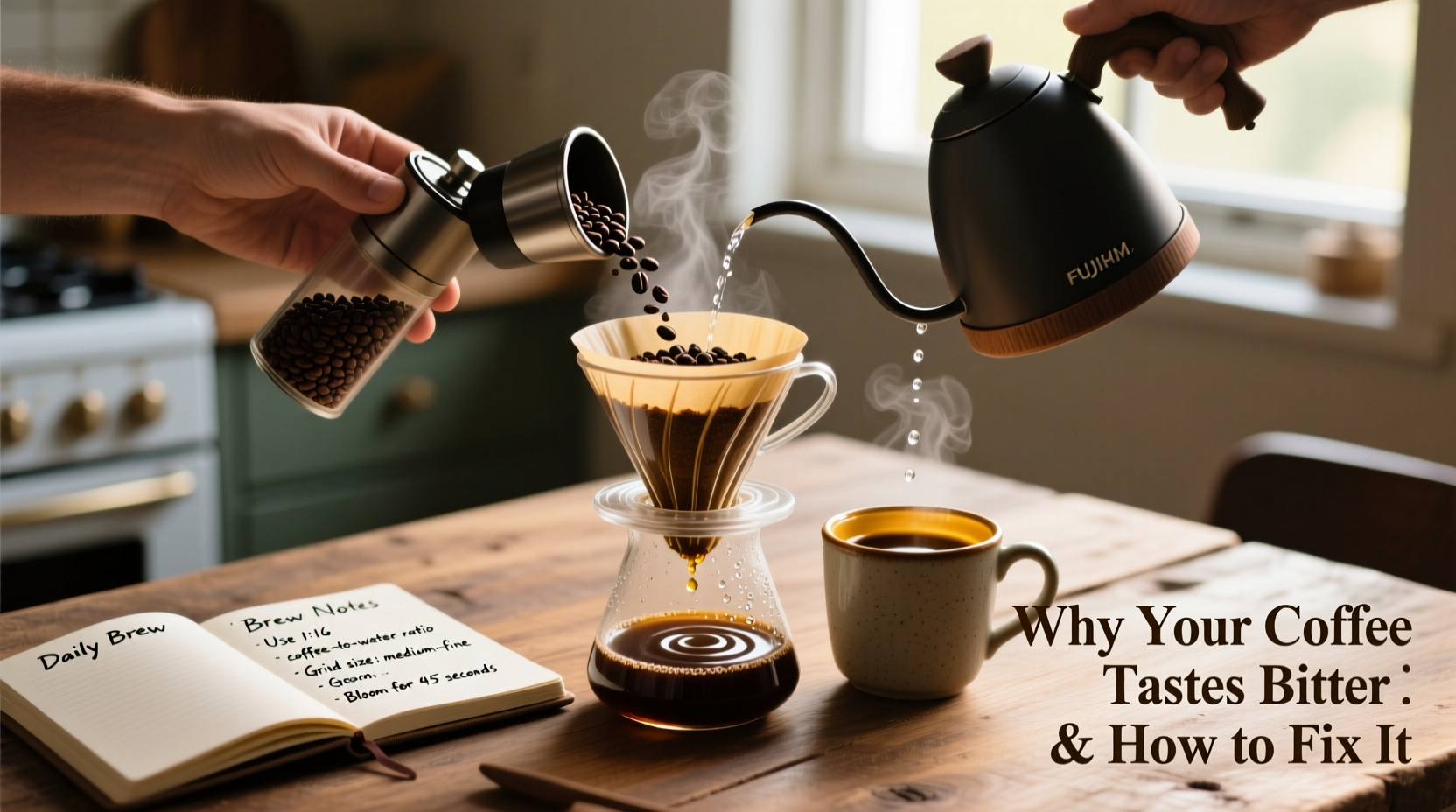
Coffee contains hundreds of chemical compounds, many of which influence flavor. Bitterness primarily comes from two sources: caffeine and chlorogenic acid lactones. While caffeine contributes mild bitterness, it’s not the main culprit in over-brewed or poorly extracted coffee. Instead, chlorogenic acids—naturally occurring compounds in green coffee beans—break down during roasting into lactones, which are intensely bitter. The darker the roast, the more lactones form.
However, roasting isn’t the only factor. During brewing, hot water extracts flavor compounds from ground coffee in stages: first acids and sugars (which bring brightness and sweetness), then body and balance, and finally, bitter compounds like tannins and lignins. When extraction goes too far—what experts call “over-extraction”—you pull out an excess of these late-stage bitter elements.
As James Hoffmann, World Barista Champion and coffee educator, explains:
“Bitterness in coffee is rarely about the bean alone. It’s usually a symptom of over-extraction or using water that’s too hot. Fix the process, and the flavor transforms.” — James Hoffmann, Author of *The World Atlas of Coffee*
5 Common Causes of Bitter Coffee (and How to Fix Them)
1. Over-Extraction Due to Incorrect Grind Size
Grind size is one of the most critical variables in brewing. If your grounds are too fine for your method, water moves too slowly through them, extracting excessive bitter compounds. For example, using espresso-fine grounds in a French press leads to muddy, bitter coffee.
Solution: Match your grind size to your brewing method. Coarser grinds suit longer brew times (like cold brew or French press), while finer grinds work for fast methods (espresso).
2. Water Temperature Too High
Water that’s too hot—above 205°F (96°C)—scalds coffee grounds, accelerating the extraction of bitter compounds. This is especially problematic in pour-over or drip brewing, where precise temperature control matters.
Solution: Aim for 195–205°F (90–96°C). If you don’t have a thermometer, let boiled water sit for 30 seconds before pouring.
3. Brew Time Is Too Long
Every brewing method has an ideal time window. Exceeding it increases contact between water and grounds, promoting over-extraction. A French press left for 7 minutes instead of 4 will taste noticeably more bitter.
Solution: Stick to recommended brew times:
- Drip coffee: 5–6 minutes
- Pour-over: 2.5–4 minutes
- French press: 4 minutes
- Espresso: 25–30 seconds
4. Poor Water Quality
Tap water with high mineral content (hard water) can amplify bitterness and dull sweetness. Conversely, overly soft or distilled water lacks minerals needed to extract flavor properly, resulting in flat or metallic notes.
Solution: Use filtered water with balanced mineral content. Third Wave Water packets or similar products are designed specifically for optimal coffee extraction.
5. Stale or Over-Roasted Beans
Freshness matters. Coffee begins losing volatile flavor compounds within days of roasting. Stale beans produce flat, dull, and sometimes bitter cups. Additionally, low-quality, overly dark roasted beans are inherently more bitter due to carbonization and charring.
Solution: Buy freshly roasted whole beans from reputable roasters, store them properly (more on this below), and use within 2–4 weeks of roast date.
Step-by-Step Guide to Smoother Coffee Brewing
Follow this routine to consistently brew balanced, less bitter coffee at home:
- Choose the right beans: Opt for light to medium roasts from specialty roasters. Look for flavor notes like chocolate, caramel, or fruit—these suggest balanced profiles.
- Grind fresh: Grind beans just before brewing using a burr grinder. Adjust grind size based on your method (see table below).
- Measure accurately: Use a 1:16 coffee-to-water ratio (e.g., 20g coffee to 320g water) as a starting point.
- Control water temperature: Heat water to 195–205°F (90–96°C).
- Brew with precision: Follow recommended time and technique for your method. Agitate gently during pour-over to ensure even saturation.
- Serve immediately: Don’t let coffee sit on a hot plate. Transfer to a thermal carafe to preserve flavor.
Do’s and Don’ts: Brewing Best Practices
| Do | Don't |
|---|---|
| Use filtered water with moderate mineral content | Use tap water with strong chlorine or sulfur taste |
| Store beans in an airtight container away from light and heat | Keep coffee in the fridge or freezer (causes condensation and flavor loss) |
| Grind fresh for each brew | Pre-grind beans and store for days |
| Brew within 4 weeks of roast date | Use beans older than 6 weeks |
| Clean your equipment weekly | Ignore residue buildup in grinders or brewers |
Real Example: Transforming a Bitter Morning Routine
Take Sarah, a remote worker who started her day with a French press. She loved the ritual but dreaded the bitter aftertaste. Her setup? Pre-ground supermarket coffee, boiling water, and a 6-minute steep.
After learning about extraction, she switched to freshly roasted medium-roast beans, ground them coarsely at home, used filtered water heated to 200°F, and reduced her brew time to 4 minutes. The result? A cleaner, sweeter cup with notes of toasted almond and brown sugar—no bitterness. “I didn’t realize how much better coffee could taste,” she said. “It’s like I was drinking a different drink entirely.”
Checklist for Smoother Coffee Every Day
Use this checklist each morning to avoid bitterness and improve flavor consistency:
- ☑ Buy whole-bean coffee from a roaster with a visible roast date
- ☑ Store beans in a sealed, opaque container at room temperature
- ☑ Grind only what you need, right before brewing
- ☑ Use a scale to measure coffee and water (aim for 1:16 ratio)
- ☑ Heat water to 195–205°F—not boiling
- ☑ Match grind size to your brew method
- ☑ Stick to recommended brew time
- ☑ Clean your grinder and brewer weekly
FAQ: Your Bitter Coffee Questions Answered
Can I fix bitter coffee after it’s brewed?
Not perfectly, but you can mitigate it. Dilute with hot water to reduce intensity, or add a small pinch of salt—it neutralizes bitterness without making coffee salty. Avoid sugar if you’re trying to reduce sweetness dependence.
Is dark roast always bitter?
Not necessarily. High-quality dark roasts can be rich and chocolatey without harsh bitterness. The issue arises when beans are roasted too long or brewed incorrectly. Try a well-executed Vienna or Italian roast from a specialty roaster.
Does milk make coffee less bitter?
Yes, temporarily. Milk proteins bind to bitter compounds, softening the taste. However, relying on milk masks underlying brewing issues. Fix the root cause for a truly better cup—even black.
Conclusion: Take Control of Your Daily Brew
Bitter coffee doesn’t have to be your norm. By understanding the science of extraction and applying simple, consistent techniques, you can turn every cup into a smoother, more enjoyable experience. It’s not about expensive gear or barista certification—it’s about attention to detail: fresh beans, proper grind, correct water, and precise timing.
Start tomorrow with one change: grind fresh. Then adjust water temperature. Then refine your brew time. Small steps lead to big improvements. Your palate—and your mornings—will thank you.




 浙公网安备
33010002000092号
浙公网安备
33010002000092号 浙B2-20120091-4
Comments
No comments yet. Why don't you start the discussion?