
It starts innocently enough: you find the perfect deodorant—light, effective, and long-lasting. It keeps you fresh through morning workouts, midday meetings, and evening errands. But then, about three to six months later, something changes. You notice a faint but unmistakable odor returning by early afternoon. The same routine, the same product, yet suddenly it’s not doing its job. You’re not imagining it—your deodorant may have stopped working as effectively. But why?
This phenomenon is more common than you think, and it’s not just a marketing ploy to get you to buy new products. There are real biological, chemical, and behavioral reasons behind this shift. Understanding them can help you regain control over your body odor and make smarter choices in your personal care routine.
The Science Behind Body Odor and Deodorant Function
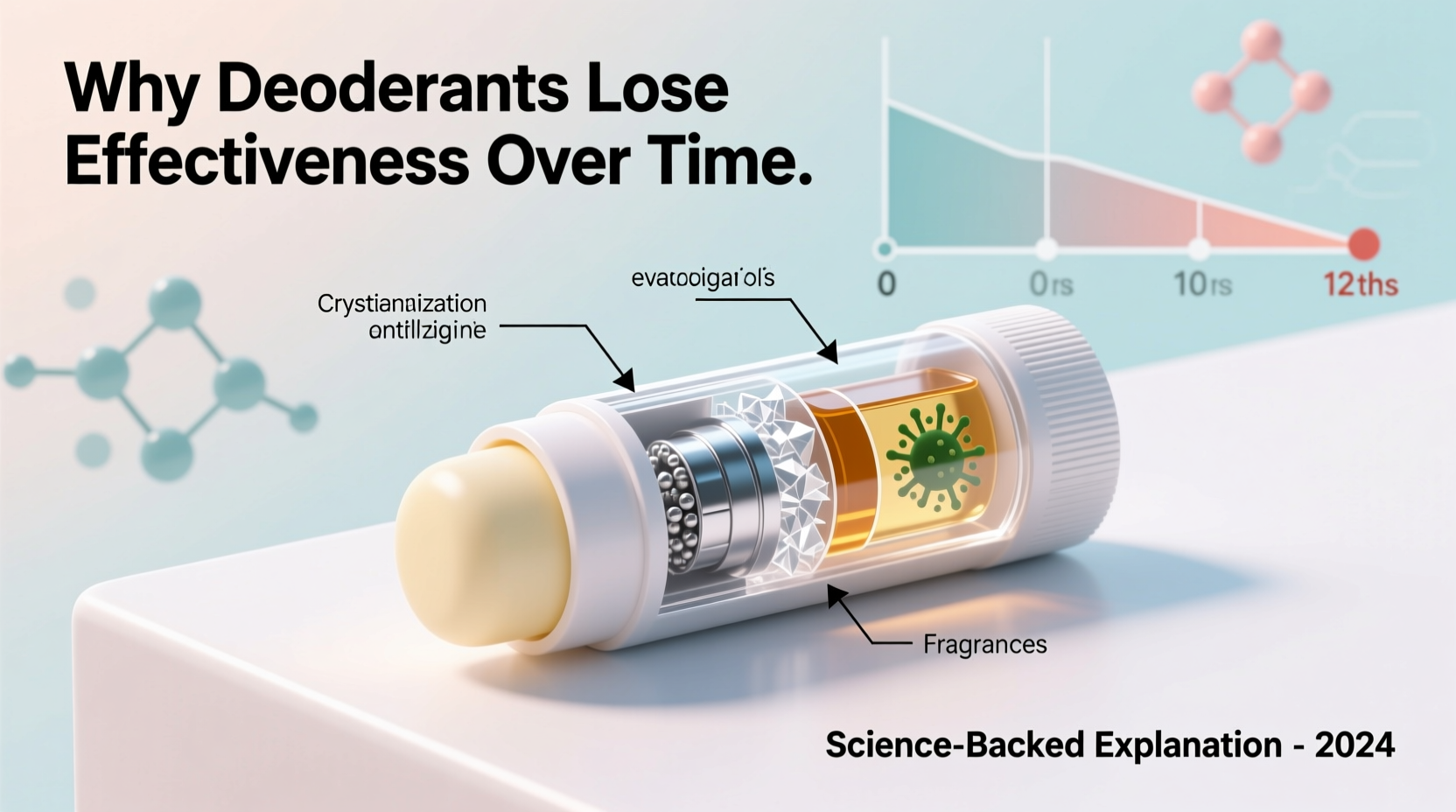
Body odor isn’t caused directly by sweat. Instead, it results from bacteria on your skin breaking down sweat into volatile organic compounds that produce smell. Sweat itself is mostly water and salt, secreted by eccrine glands all over the body. However, the underarm area contains apocrine glands that release a thicker, protein-rich sweat during stress or physical activity—this type of sweat is especially attractive to bacteria like Staphylococcus hominis and Corynebacterium.
Deodorants work primarily by altering the underarm environment to make it less hospitable for odor-causing bacteria. Most contain antimicrobial agents such as triclosan (now largely phased out), alcohol, or natural alternatives like magnesium or essential oils. They also often include fragrances to mask any lingering smells.
Antiperspirants go a step further—they contain aluminum-based compounds (like aluminum chlorohydrate or aluminum zirconium) that temporarily block sweat ducts, reducing the amount of moisture available for bacterial growth.
“Your underarm microbiome is dynamic. When you use the same product repeatedly, microbial populations adapt, which can reduce the product’s efficacy over time.” — Dr. Lena Patel, Dermatologist & Skin Microbiome Researcher
Why Your Deodorant Loses Effectiveness Over Time
The decline in deodorant performance isn’t usually due to expiration alone. Most deodorants remain chemically stable for 12–36 months if stored properly. Instead, several interrelated factors contribute to diminished results:
1. Microbiome Adaptation
Your underarms host a complex ecosystem of microbes. When you consistently use the same deodorant, particularly one with antimicrobial properties, certain bacteria die off while others thrive. Over time, resistant strains may dominate. These survivors are better adapted to metabolize sweat even in the presence of active ingredients, leading to earlier onset of odor.
2. Buildup of Residue and Dead Skin Cells
Aluminum-based antiperspirants can leave mineral deposits in pores and on the skin’s surface. Combined with dead skin cells and sebum, this creates a film that traps bacteria and reduces the penetration of active ingredients. This buildup can diminish both scent delivery and antibacterial action.
3. Changes in Lifestyle or Physiology
Your body chemistry isn’t static. Hormonal shifts (due to stress, sleep patterns, diet, or age), increased physical activity, or changes in medication can alter your sweat composition and volume. For example, higher cortisol levels increase apocrine sweat production, giving bacteria more fuel. A deodorant that worked perfectly during a low-stress period might struggle when life gets busier.
4. Product Degradation Due to Environmental Exposure
While deodorants don’t spoil quickly, repeated exposure to heat, humidity, and air can degrade active ingredients. Storing your deodorant in a hot bathroom or leaving it uncovered accelerates oxidation and reduces potency, especially in natural formulations containing plant oils or probiotics.
5. Psychological Habituation (Nose Blindness)
You may simply become desensitized to your own scent. Olfactory fatigue means you stop noticing subtle odors emanating from your body, even if they’re present. Others might detect them long before you do, creating the illusion that your deodorant has failed.
How to Restore and Maintain Deodorant Effectiveness
The good news is that most causes of declining deodorant performance are reversible or manageable with small adjustments to your routine.
Step-by-Step Guide to Resetting Your Underarm Routine
- Cleanse deeply: Use a gentle exfoliating wash or scrub twice weekly to remove dead skin and residue. Look for products with salicylic acid or glycolic acid to penetrate pores.
- Detox occasionally: Apply a clay-based armpit mask (such as bentonite or kaolin) once every 4–6 weeks to draw out impurities and aluminum buildup.
- Switch formulations periodically: Alternate between an aluminum-based antiperspirant and a natural deodorant every few months to disrupt microbial adaptation.
- Apply to dry skin: Always apply deodorant after showering and ensure the area is completely dry. Moisture dilutes active ingredients and promotes bacterial growth.
- Store properly: Keep deodorants in a cool, dry place away from direct sunlight or steam.
Checklist: Optimizing Your Daily Routine
- ✅ Shower daily with pH-balanced cleanser
- ✅ Exfoliate underarms 1–2 times per week
- ✅ Dry underarms thoroughly before application
- ✅ Use fresh applicator or wipe stick tip monthly
- ✅ Rotate deodorant types seasonally
- ✅ Monitor lifestyle factors affecting sweat (diet, stress, meds)
- ✅ Replace deodorant every 12 months, regardless of appearance
Choosing the Right Deodorant: Do’s and Don’ts
| Do | Don’t |
|---|---|
| Choose fragrance-free options if sensitive | Use heavily perfumed products to mask odor |
| Opt for clinical-strength formulas if sweating heavily | Layer multiple antiperspirants (can irritate skin) |
| Try prebiotic or probiotic deodorants to balance flora | Assume “natural” means safer or more effective |
| Patch test new products before full use | Apply immediately after shaving (increases irritation risk) |
| Read ingredient labels carefully | Ignore expiration dates or storage instructions |
A Real-Life Example: Sarah’s Deodorant Dilemma
Sarah, a 32-year-old project manager, had used the same clinical-strength antiperspirant for nearly two years. It kept her dry during presentations and late-night commutes. But last spring, she noticed a sharp sour smell emerging by noon—even after reapplying. Confused, she doubled up on applications, switched to wipes, and even tried blotting powders, but nothing helped.
After consulting a dermatologist, she learned that her recent switch to a high-protein, low-carb diet was changing her sweat chemistry. Additionally, her intense workout regimen increased sweat volume, overwhelming the product. She also admitted to storing her deodorant in the car during summer commutes—a major factor in ingredient breakdown.
Her solution? She started rotating between an aluminum-free deodorant with magnesium hydroxide and her original antiperspirant. She began using a weekly charcoal detox mask, upgraded her laundry detergent to one without fabric softener (which traps odor in clothes), and moved her deodorant to a drawer at home. Within three weeks, her confidence returned—and so did the effectiveness of her routine.
Frequently Asked Questions
Can your body become immune to deodorant?
No, your body doesn’t develop immunity like it would to antibiotics. However, the bacteria responsible for odor can adapt to the environment created by consistent product use. This microbial shift—not bodily immunity—is what leads to reduced effectiveness.
Should I stop using antiperspirants to \"reset\" my armpits?
A short break (7–10 days) can help restore natural microbial balance, especially if switching from conventional to natural deodorants. During this time, you may experience increased odor as your skin adjusts. Using a clay mask and wearing breathable fabrics can ease the transition.
Do natural deodorants stop working faster than conventional ones?
Not necessarily—but their mechanisms differ. Natural deodorants rely on ingredients like baking soda, coconut oil, or probiotics, which may be less potent against aggressive bacteria. They also lack aluminum to reduce sweat, so they manage odor rather than wetness. Some users report quicker wear-off, but many find success with proper application and formulation matching their body chemistry.
Conclusion: Take Control of Your Freshness
The frustration of a deodorant that no longer works is real, but it’s rarely a sign that you need to keep searching for a “miracle” product. More often, it’s a signal from your body—telling you that your microbiome, habits, or environment have shifted. By treating underarm care as a dynamic part of your wellness routine, not a set-it-and-forget-it task, you can maintain freshness confidently and sustainably.
Start by auditing your current routine: Is your deodorant expired? Are you applying it correctly? Have your lifestyle or hygiene habits changed? Small tweaks—like rotating products, exfoliating, or improving storage—can dramatically extend performance. And remember, no single deodorant lasts forever in every phase of life. Flexibility and awareness are your best tools.




 浙公网安备
33010002000092号
浙公网安备
33010002000092号 浙B2-20120091-4
Comments
No comments yet. Why don't you start the discussion?