
Essential oil diffusers enhance indoor air quality, promote relaxation, and fill homes with natural fragrance. However, many users are surprised to find greasy spots or oily residue forming on nearby walls, baseboards, or furniture—especially after consistent use. These stains not only detract from your home’s appearance but can also signal improper usage or poor maintenance practices. Understanding the root causes of these oil deposits is the first step toward preventing them. More importantly, knowing how to clean them safely ensures you don’t damage paint finishes or wall surfaces during removal.
This guide dives into the science behind why diffusers cause oil buildup, identifies common user errors, and provides a detailed, damage-free approach to restoring your walls. Whether you're using ultrasonic, nebulizing, or heat-based diffusers, the solutions here apply across models and brands.
Why Diffusers Leave Oil Stains on Walls
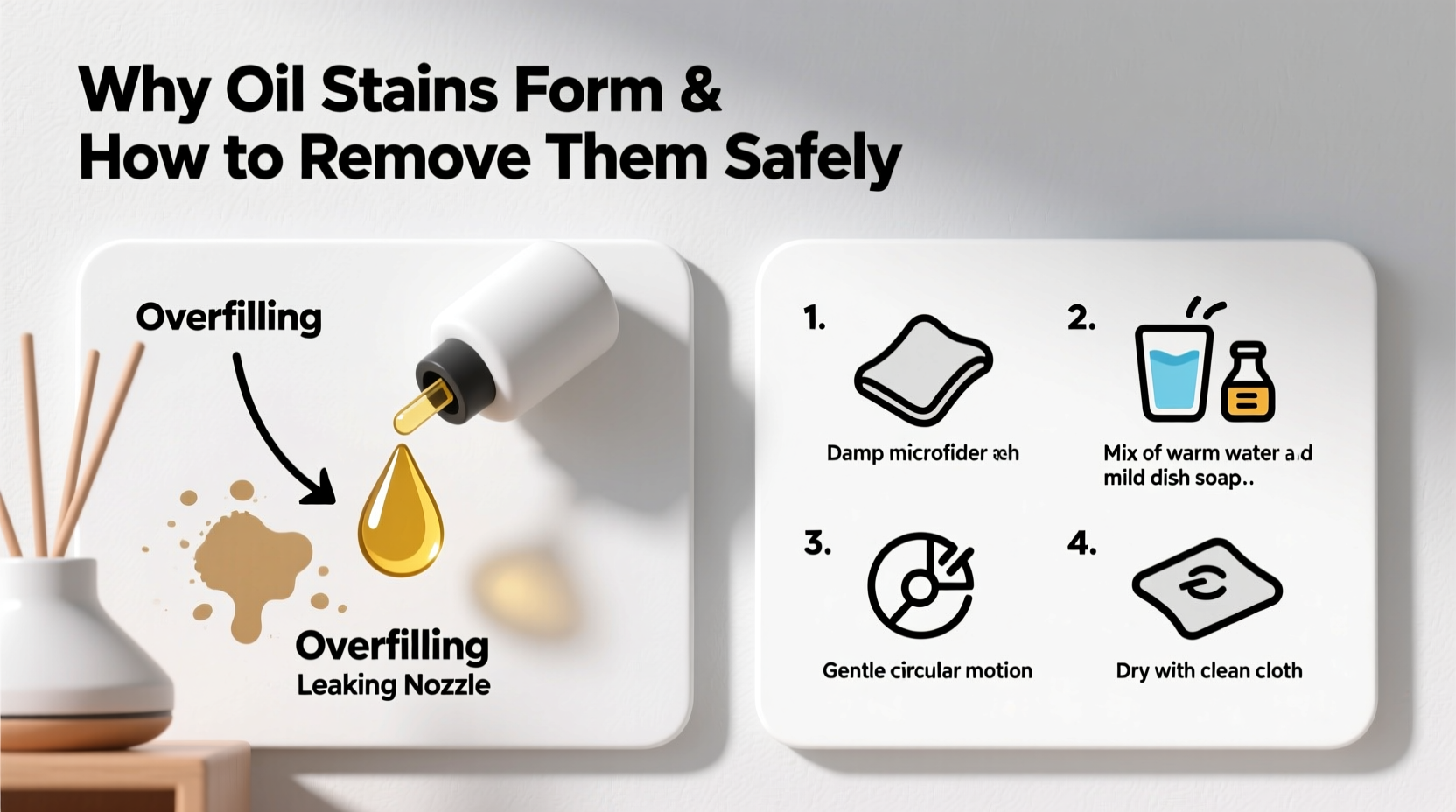
At first glance, it may seem counterintuitive that a device designed to disperse scent through water vapor would leave oily marks. The answer lies in the composition of essential oils and the mechanics of diffusion.
Essential oils are hydrophobic, meaning they do not mix with water. In ultrasonic diffusers—the most common household type—vibrations break water and oil into a fine mist. While much of this evaporates, microscopic oil droplets remain airborne longer than water molecules. Over time, these particles settle on vertical surfaces like walls, especially those close to the diffuser.
Nebulizing diffusers, which operate without water, atomize pure essential oil directly into the air. They produce a higher concentration of oil particles, increasing the likelihood of residue buildup. Heat diffusers, though less efficient, can also emit heavier oil vapors that condense on cooler surfaces.
Several factors amplify this effect:
- Proximity to walls: Placing the diffuser too close (within 1–2 feet) increases direct particle contact.
- Room ventilation: Poor airflow traps oil particles indoors, allowing them to accumulate.
- Oil viscosity: Thicker oils like patchouli, frankincense, or sandalwood leave more noticeable residue.
- Overuse: Running the diffuser for extended periods saturates the air beyond evaporation capacity.
How to Clean Oil Stains from Walls Safely
Cleaning essential oil residue requires care. Aggressive scrubbing or harsh chemicals can strip paint, discolor wallpaper, or create streaks. The goal is to dissolve the oil without damaging the underlying surface. Below is a step-by-step method suitable for most painted drywall, primed surfaces, and semi-gloss finishes.
Step-by-Step Guide to Removing Oil Stains
- Test in an inconspicuous area: Apply any cleaner to a hidden spot (e.g., behind a door) to check for adverse reactions.
- Dust the surface: Use a microfiber cloth or duster to remove loose particles. Oily films trap dust, making stains appear worse.
- Prepare a gentle cleaning solution: Mix one cup of warm water with one tablespoon of mild dish soap (like Dawn) and one teaspoon of white vinegar.
- Apply with a soft cloth: Dampen a lint-free cloth (never soaking wet) and gently wipe the stained area in circular motions.
- Rinse with clean water: Wipe again with a second cloth dampened only with water to remove soapy residue.
- Dry immediately: Buff the area dry with a clean towel to prevent moisture absorption, which can cause bubbling or mildew.
If the stain persists, escalate to a slightly stronger agent such as rubbing alcohol (isopropyl alcohol, 70%) applied sparingly with a cotton pad. Test first—alcohol can degrade certain paints or glossy finishes.
Do’s and Don’ts When Cleaning Oil Residue
| Do’s | Don’ts |
|---|---|
| Use microfiber cloths to avoid scratching | Scrub aggressively with abrasive pads |
| Dilute cleaners properly | Apply undiluted vinegar or alcohol directly |
| Clean in small sections | Soak the wall with excess liquid |
| Ventilate the room during cleaning | Use bleach or ammonia-based cleaners (can react with oil residues) |
| Reapply treatment if needed after 24 hours | Ignore manufacturer paint guidelines |
Preventing Future Oil Stains: A Practical Checklist
Prevention is far easier than cleanup. Implementing a few simple habits can eliminate oil stains entirely.
- Position the diffuser in an open area, away from walls and fabric surfaces.
- Limited runtime: Run for 30–60 minutes at a time, followed by a break.
- Use distilled water in ultrasonic models to reduce mineral and oil clumping.
- Choose lighter essential oils (e.g., citrus, lavender) over resinous ones when possible.
- Ensure proper room ventilation with open doors or air circulation fans.
- Clean your diffuser weekly to prevent clogs and uneven mist output.
- Monitor humidity levels—high humidity slows evaporation, increasing residue risk.
Real Example: How Sarah Fixed Her Bedroom Wall Stains
Sarah, a wellness coach from Portland, used a nebulizing diffuser nightly in her bedroom to aid sleep. After three months, she noticed dark smudges forming behind her nightstand, particularly near the headboard wall. At first, she assumed it was mold due to dampness, but inspection revealed a greasy texture inconsistent with mildew.
She consulted a local eco-cleaning service, who identified the issue as concentrated frankincense and myrrh residue. Following their advice, Sarah switched to shorter diffusion cycles (45 minutes before bed), moved the unit to a central dresser, and cleaned the wall using a vinegar-dish soap solution. Within two weeks, the stains were gone, and no new marks appeared. She now rotates between different oils and uses a small fan to improve air movement.
“I didn’t realize how much oil was actually being released,” Sarah said. “Now I treat the diffuser like a mini humidifier—effective but needing space and moderation.”
Expert Insight on Diffuser Safety and Maintenance
“Many people view essential oils as completely natural and therefore harmless. But concentrated botanical extracts behave like any oil—they adhere to surfaces, oxidize over time, and require mindful use. Just as you wouldn't spray cooking oil near your walls, treat essential oils with similar caution.” — Dr. Lena Torres, Environmental Health Specialist, Indoor Air Quality Institute
Dr. Torres emphasizes that while essential oils offer therapeutic benefits, their physical properties demand responsible handling. She recommends treating diffusers like appliances that influence indoor air chemistry—not just mood enhancers.
Frequently Asked Questions
Can essential oil stains damage paint over time?
Yes. Prolonged exposure to oil residue can break down paint binders, especially on flat or matte finishes. Oils may also attract dust and pollutants, leading to yellowing or permanent discoloration if left uncleaned.
Is vinegar safe for all wall types?
Vinegar is generally safe for sealed, washable surfaces like semi-gloss or satin paint. However, it should be avoided on unsealed drywall, lime-washed walls, or delicate wallpapers, as acidity can cause etching or adhesive failure.
Why do some diffusers produce more residue than others?
Nebulizing diffusers generate the most residue because they release pure oil without water dilution. Ultrasonic models vary based on nozzle design and oil-to-water ratio. Cheaper units may have inefficient dispersion mechanisms, causing larger droplets that settle faster.
Protect Your Space While Enjoying Aromatherapy
Essential oil diffusers are valuable tools for enhancing well-being, but they come with responsibilities. Oil stains on walls are not inevitable—they’re indicators of usage patterns that can be adjusted. By understanding how and why these residues form, you gain control over both air quality and surface maintenance.
Cleaning existing stains with gentle, tested methods preserves your walls’ integrity. More importantly, adopting preventive strategies ensures your home remains fresh, healthy, and free of unsightly marks. A little awareness goes a long way in balancing sensory pleasure with practical upkeep.




 浙公网安备
33010002000092号
浙公网安备
33010002000092号 浙B2-20120091-4
Comments
No comments yet. Why don't you start the discussion?