
There’s nothing more frustrating than pulling sparkling-clean glasses out of the dishwasher only to find them coated in a cloudy film, chalky spots, or sticky residue. What should be a time-saving appliance ends up creating extra work—and disappointment. The good news: this common issue has clear causes and even clearer solutions. Whether it’s hard water buildup, detergent choice, or a malfunctioning rinse aid dispenser, understanding the root cause is the first step toward consistently spotless glassware.
Residue on glasses isn’t just unsightly—it can affect taste, reduce transparency, and shorten the lifespan of delicate stemware. But with a few targeted adjustments and regular maintenance habits, you can eliminate the problem for good. This guide dives into the science behind dishwasher residue, breaks down the most frequent culprits, and provides actionable steps to keep your glasses looking restaurant-quality after every cycle.
Understanding the Types of Residue
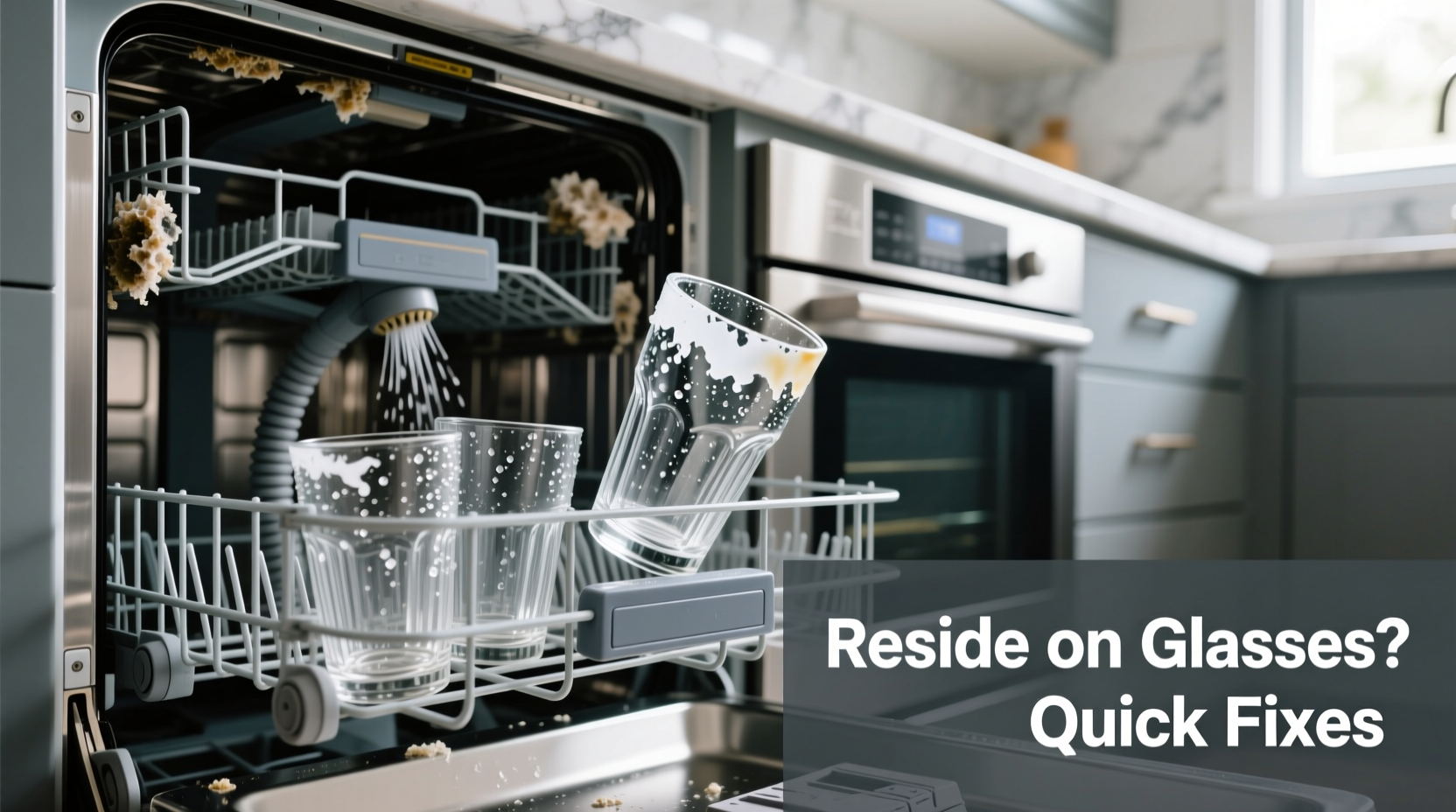
Not all residue is created equal. Identifying what kind of film or deposit you're dealing with helps determine the right fix:
- Cloudy or milky film: Often caused by mineral deposits from hard water or etching due to excessive alkalinity in detergent.
- Sticky or greasy feel: Suggests poor rinsing, insufficient water temperature, or detergent breakdown failure.
- White chalky spots: Typically dried-on minerals like calcium and magnesium left behind after water evaporates.
- Foggy appearance that doesn’t wipe off: May indicate irreversible etching from prolonged exposure to high-pH detergents or soft water conditions.
Before assuming your dishwasher is faulty, consider how water quality, loading technique, and product choices interact during the wash cycle.
Common Causes of Glass Residue (and How to Fix Them)
1. Hard Water Buildup
Hard water contains high levels of dissolved calcium and magnesium. When heated and evaporated during the drying cycle, these minerals bond to glass surfaces, leaving behind stubborn white spots or a hazy film.
Solution: Use a rinse aid consistently. Rinse aids lower the surface tension of water, helping it sheet off dishes instead of beading and evaporating with mineral deposits. For severe cases, install an in-line water softener or use dishwasher-safe water-softening additives like citric acid-based cleaners monthly.
2. Poor-Quality or Expired Detergent
Cheap or old detergent loses its enzymatic and surfactant potency over time. Powdered detergents stored in humid environments clump and fail to dissolve properly, leading to incomplete cleaning and filmy residue.
Switch to single-dose detergent pods or gels if you're using bulk powder. These are formulated with built-in water softeners and degreasers, reducing reliance on separate additives.
3. Incorrect Water Temperature
Dishwashers need water between 120°F and 140°F (49°C–60°C) to activate detergents and dissolve grease effectively. If inlet water is too cold, cleaning performance drops significantly.
To verify temperature, run hot water at the sink nearest the dishwasher for one minute, then measure it with a thermometer. If below 120°F, adjust your water heater setting or enable “heated dry” or “sanitize” cycles, which boost internal temperature.
4. Overloading or Improper Loading
Glasses placed too close together block spray arm rotation and prevent water from reaching all surfaces. Upside-down wine glasses can trap dirty water, while tall tumblers may shield smaller items.
Arrange glasses at an angle so water drains freely. Avoid nesting glasses or placing large items in front of the spray arms. Ensure detergent dispensers can open fully during the cycle.
5. Clogged Filters or Spray Arms
Over time, food debris accumulates in the dishwasher’s filter and spray arm holes. A restricted flow means less effective rinsing, especially on upper racks where glasses are often placed.
Clean the filter weekly under running water. Remove spray arms and flush them with warm water to clear clogs. Check manufacturer instructions for disassembly guidance.
“Many people overlook routine filter maintenance. Just 10 minutes a month can prevent 80% of residue issues.” — Sarah Lin, Appliance Efficiency Consultant
Step-by-Step Guide to a Deep Clean & Reset
If your glasses have been suffering from persistent residue, perform this comprehensive reset to restore optimal function:
- Empty the dishwasher completely. Remove all dishes, racks, and accessories.
- Clean the filter assembly. Locate the bottom center filter, twist to remove, rinse under warm water, and scrub with a soft brush.
- Inspect and clean spray arms. Unscrew or unclip them, check for debris in the nozzles, and flush with vinegar if needed.
- Run a vinegar cycle. Place a cup of white vinegar on the top rack and run a hot water cycle without detergent.
- Follow with a baking soda polish. Sprinkle 1 cup of baking soda across the bottom and run a short rinse cycle to neutralize odors and lift grime.
- Wipe door seals and edges. Mold and gunk along the gasket can introduce contaminants; clean with a vinegar-soaked cloth.
- Refill rinse aid and detergent. Use fresh, high-quality products designed for your water type.
This deep-cleaning process removes years of accumulated scale and organic matter, dramatically improving cleaning performance.
Do’s and Don’ts for Spotless Glasses
| Do’s | Don’ts |
|---|---|
| Use rinse aid every time | Use dish soap instead of dishwasher detergent |
| Pre-rinse heavily soiled items lightly | Pre-wash everything—modern detergents need food particles to activate |
| Select appropriate cycle (e.g., “Heavy,” “Normal,” “Glass Care”) | Run half-empty loads frequently—inefficient and can increase spotting |
| Load glasses at an angle for drainage | Nest glasses or block spray arms |
| Replace detergent storage containers every 6 months | Store detergent in damp cabinets where moisture degrades formula |
Real Example: Solving Chronic Cloudiness in a Denver Home
A homeowner in Denver reported persistent cloudiness on wine glasses despite daily dishwasher use. Initial troubleshooting revealed several contributing factors: the home had untreated hard water (measured at 14 gpg), the rinse aid dispenser hadn’t been refilled in six months, and powdered detergent was stored under the sink near a leaking pipe.
After replacing the detergent, refilling the rinse aid, and performing a vinegar deep clean, the user noticed immediate improvement. They installed an inline water softener within two weeks and began using detergent pods. Within a month, their glasses emerged crystal clear after every wash—without hand polishing.
This case illustrates how multiple small oversights compound into major performance issues. Addressing each factor systematically led to lasting results.
Choosing the Right Products for Your Water Type
Your local water profile plays a critical role in dishwasher performance. Here’s how to match products to your supply:
- Hard water: Prioritize detergents with built-in water softeners (e.g., Cascade Platinum, Finish Quantum). Use rinse aid liberally and descale monthly.
- Soft water: Reduce detergent dosage slightly to avoid over-sudsing and etching. Choose gentler formulas without chlorine bleach.
- Well water: Test for iron content—if present, use iron-removal additives to prevent rust-colored stains.
Contact your municipal water provider for a free annual water quality report, or purchase a home testing kit ($15–$30) to measure hardness accurately.
FAQ
Can I use vinegar instead of rinse aid?
You can—but not regularly. While vinegar removes mineral buildup, it lacks surfactants that help water sheet off surfaces efficiently. Frequent use may also degrade rubber seals over time. Use vinegar for periodic cleaning, but rely on commercial rinse aid for daily cycles.
Why do some glasses get etched while others don’t?
Etching occurs when silicates in glass slowly dissolve due to prolonged exposure to high-pH (alkaline) detergents, especially in soft water. Delicate crystal and older glassware are more susceptible. To prevent it, avoid excessive detergent, skip heated dry on delicate cycles, and hand-wash heirloom pieces.
Is it better to air-dry or heat-dry glasses?
Air-drying reduces thermal stress and prevents water spotting caused by rapid evaporation. If your model allows, disable heated dry and crack the door open slightly after the final rinse to allow natural airflow. This method preserves glass integrity and saves energy.
Quick Cleaning Fixes Checklist
When residue appears suddenly, follow this 15-minute checklist to diagnose and correct the issue:
- ✅ Check rinse aid level and refill if low
- ✅ Inspect detergent dispenser for clogs or undissolved powder
- ✅ Verify spray arms spin freely and aren’t blocked
- ✅ Clean filter under running water
- ✅ Wipe door gasket to remove trapped debris
- ✅ Confirm water temperature is above 120°F
- ✅ Run an empty hot cycle with 1 cup vinegar on the top rack
Repeat this checklist monthly as preventive maintenance—even if no problems are visible.
Conclusion: Shine Starts With Smart Habits
Cloudy, filmy glasses don’t mean your dishwasher is broken—they’re a signal that something in your system needs attention. From water chemistry to product freshness, every detail matters. By adopting consistent cleaning routines, choosing the right detergents, and maintaining your machine proactively, you can enjoy streak-free, brilliant glassware with minimal effort.




 浙公网安备
33010002000092号
浙公网安备
33010002000092号 浙B2-20120091-4
Comments
No comments yet. Why don't you start the discussion?