
If you open your dishwasher after a cycle and are greeted by a foul, sewage-like odor, you're not alone. This unpleasant smell is more common than many realize and often signals an underlying issue with drainage, buildup, or improper maintenance. While the stench might make you think the problem is serious, most cases stem from preventable causes and can be resolved with straightforward DIY methods. Understanding the root causes and applying targeted solutions not only eliminates the odor but also improves your appliance’s performance and hygiene.
What Causes a Sewage-Like Smell in Your Dishwasher?
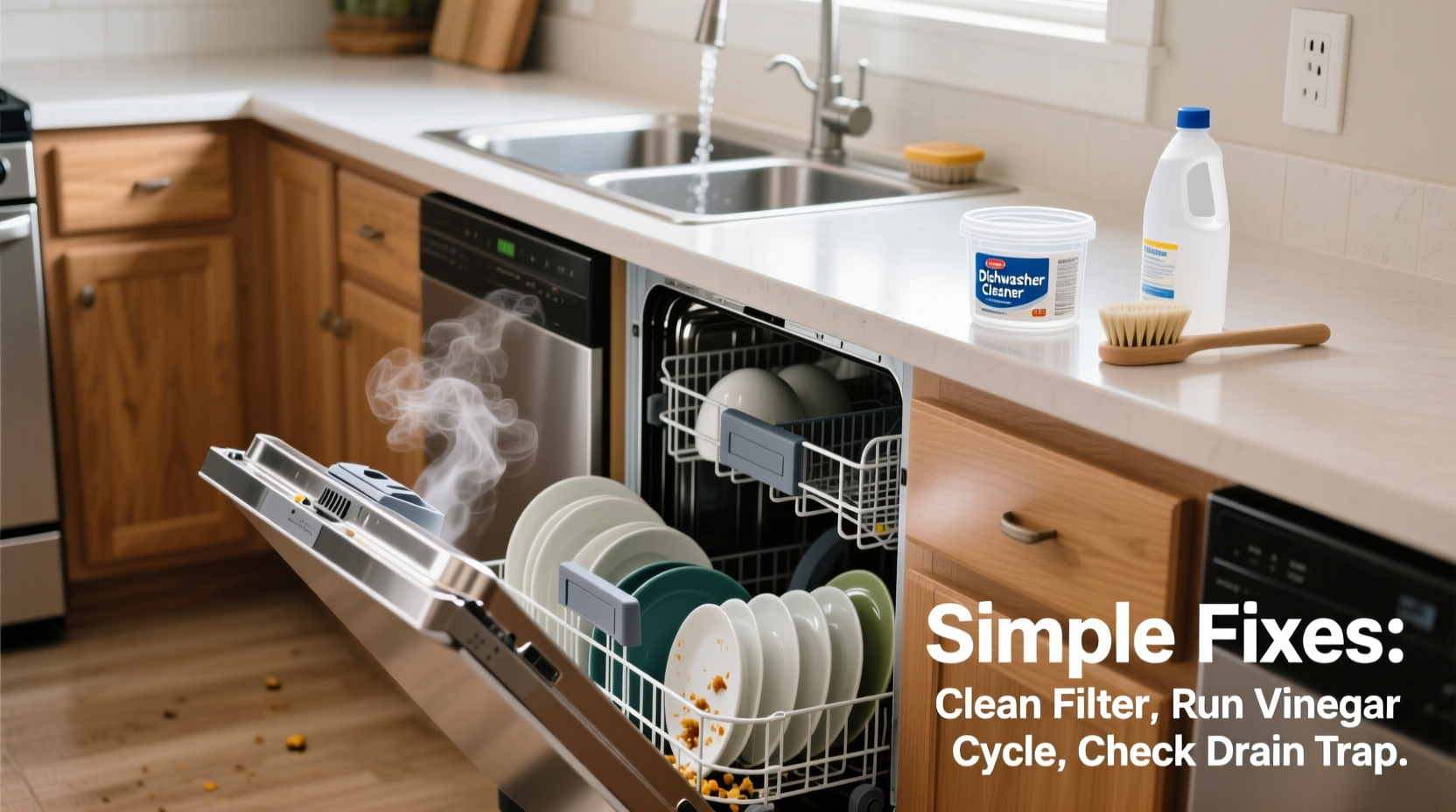
The primary reason your dishwasher emits a sewage-like odor is the accumulation of organic matter—food particles, grease, and soap residue—in areas that don’t get cleaned regularly. When these materials sit stagnant in warm, moist environments, they decompose and produce hydrogen sulfide gas, which has a distinct rotten egg or sewer smell.
Common contributors include:
- Clogged drain hose or air gap: If wastewater can't fully evacuate, it sits and rots inside the system.
- Dirty filter: Most modern dishwashers have self-cleaning filters, but some require manual cleaning. A clogged filter traps food debris.
- Stagnant water in the sump: Water left at the bottom of the dishwasher after cycles fosters bacterial growth.
- Blocked garbage disposal connection: If your dishwasher drains into a garbage disposal, a clog there can back up odors.
- Dry P-trap in plumbing: The U-shaped pipe under your sink can dry out, allowing sewer gases to rise through the drain line.
Unlike surface-level smells, sewage odors originate deep within the plumbing or internal components, making them persistent unless addressed at the source.
Step-by-Step Guide to Eliminate Dishwasher Sewage Smell
Follow this comprehensive process to diagnose and eliminate the root cause of the odor. Perform each step carefully and in order for best results.
- Inspect and clean the filter assembly. Located at the bottom of the dishwasher, the filter traps food debris. Remove it (usually by twisting or unclipping), rinse under hot water, and scrub with a soft brush. Reinstall securely.
- Check the spray arms for clogs. Remove both upper and lower spray arms. Inspect the holes for blockages caused by mineral deposits or food. Use a toothpick or small wire to clear them. Rinse thoroughly.
- Run a vinegar wash cycle. Place a cup of white vinegar in a dishwasher-safe container on the top rack. Run a full cycle on the hottest setting without dishes. Vinegar helps break down grease, kill bacteria, and deodorize internal parts.
- Use baking soda for deep deodorizing. After the vinegar cycle, sprinkle one cup of baking soda across the bottom of the dishwasher. Run a short hot water cycle. Baking soda neutralizes lingering odors and lifts grime.
- Examine the drain hose and air gap. Disconnect the power first. Check where the hose connects to the sink drain or garbage disposal. Look for kinks, clogs, or signs of mold. Clean the air gap (if present) by removing the cap and flushing with hot water.
- Flush the garbage disposal. If your dishwasher drains into a disposal, run it with cold water and a handful of ice cubes mixed with salt or citrus peels to clean blades and remove buildup.
- Ensure the P-trap isn’t dry. Pour a quart of water down the kitchen sink drain to refill the trap if it's been unused for days. This prevents sewer gas from backing up into the dishwasher.
This sequence targets every potential point of contamination. Repeat the vinegar and baking soda treatment monthly as preventative maintenance.
Do’s and Don’ts When Dealing With Dishwasher Odors
| Do’s | Don’ts |
|---|---|
| Remove large food scraps before loading dishes (scraping is enough—no pre-rinsing needed). | Don’t overload the dishwasher, which blocks water flow and leaves food behind. |
| Clean the filter every 2–4 weeks depending on usage. | Don’t use regular dish soap in the machine—it creates too many suds and traps residue. |
| Leave the door slightly ajar after cycles to allow moisture to escape. | Don’t ignore persistent odors—they worsen over time and may damage internal components. |
| Use dishwasher-safe rinse aids to prevent film and improve drying. | Don’t pour bleach directly onto rubber seals or plastic parts—use diluted solutions cautiously. |
| Inspect the door gasket monthly for mold or debris. | Don’t delay repairs if the dishwasher fails to drain completely. |
Real Example: How Sarah Fixed Her Smelly Dishwasher in One Weekend
Sarah, a homeowner in Portland, noticed a strong sewage-like smell every time she opened her dishwasher. She initially assumed it was a plumbing issue and considered calling a technician. Instead, she decided to troubleshoot herself using online resources.
She started by removing the filter and found it packed with coffee grounds and vegetable fibers. After cleaning it thoroughly, she ran a vinegar cycle. The smell lessened but didn’t disappear. Next, she checked the air gap on her sink and discovered it was clogged with old food sludge. Using a pipe cleaner and hot water, she flushed it out. Finally, she poured a mixture of baking soda and vinegar down the disposal and let it sit before rinsing.
After repeating the hot vinegar wash, the odor vanished completely. “I couldn’t believe how much gunk had built up in places I never even thought to check,” Sarah said. “Now I clean the filter every few weeks, and my dishwasher runs better than it has in years.”
“Most dishwasher odors aren’t due to faulty appliances but poor maintenance habits. Regular filter cleaning and periodic deep cycles can prevent 90% of odor issues.” — James Liao, Appliance Repair Technician with 15+ years of experience
When Home Fixes Aren’t Enough: Signs You Need Professional Help
While most sewage smells can be resolved at home, certain red flags indicate deeper problems requiring expert intervention:
- Water pools at the bottom after every cycle. This suggests a failing pump, kinked hose, or blocked drain line.
- Smell persists after multiple cleaning attempts. There may be a hidden mold colony or a cracked hose leaking wastewater.
- Gurgling noises during draining. Often points to venting issues or main sewer line blockages.
- Discolored water or visible mold in hoses. Indicates long-term microbial growth needing disassembly and sanitization.
If your unit shares plumbing with a washing machine or drains into an older septic system, cross-contamination risks increase. A licensed plumber can inspect the entire drain loop, test for backflow, and confirm the P-trap and vent stack are functioning properly.
Preventative Checklist for Long-Term Freshness
To keep your dishwasher smelling clean and operating efficiently, follow this monthly maintenance checklist:
- ✅ Clean the filter with warm, soapy water
- ✅ Wipe the door gasket with a vinegar-dampened cloth
- ✅ Inspect spray arm openings for obstructions
- ✅ Run a cleaning cycle with vinegar or a commercial dishwasher cleaner
- ✅ Flush the sink drain and garbage disposal
- ✅ Check that the dishwasher drains completely after running
- ✅ Leave the door open slightly between uses
Additionally, avoid using excessive detergent. Modern detergents are highly concentrated, and overuse leads to film buildup that traps odors. Stick to manufacturer-recommended amounts—often just a teaspoon for powder or a single tablet.
Frequently Asked Questions
Can I use bleach to clean my dishwasher?
You can, but with caution. Never mix bleach with vinegar or ammonia-based cleaners—this creates toxic fumes. If using bleach, place ½ cup in a dishwasher-safe bowl on the top rack and run a hot cycle. Avoid frequent use, as bleach can degrade rubber seals over time. It’s best reserved for severe mold issues, not routine cleaning.
Why does the smell only happen sometimes?
Intermittent odors often relate to infrequent use or changes in water pressure. If the dishwasher sits idle for several days, stagnant water in the sump or drain line begins to decompose. Running it every few days—even empty—helps prevent this. Similarly, low water pressure may leave residue behind, especially if you’re using hard water.
Is a smelly dishwasher dangerous?
While not immediately hazardous, prolonged exposure to bacteria-laden mist from dirty dishwashers can affect indoor air quality and pose risks for people with respiratory conditions. Additionally, persistent odors may indicate mold growth or cross-contamination with sewage lines, which should be addressed promptly for health and safety reasons.
Final Thoughts and Action Plan
A dishwasher that smells like sewage doesn’t mean you need a replacement—or even a repairman. In most cases, the solution lies in consistent care and understanding how your appliance works. By cleaning key components like the filter, spray arms, and drain path, and maintaining proper drainage practices, you can eliminate odors and extend the life of your machine.
Start today: pull out the filter, run a vinegar cycle, and inspect your sink’s air gap. These three steps alone resolve the majority of odor complaints. Make dishwasher maintenance part of your household routine, just like changing HVAC filters or cleaning the refrigerator coils.




 浙公网安备
33010002000092号
浙公网安备
33010002000092号 浙B2-20120091-4
Comments
No comments yet. Why don't you start the discussion?