
Dogs barking at ceiling fans is a surprisingly common behavior that puzzles many pet owners. From sudden bursts of alertness to persistent barking or even cowering in fear, the reaction can range from amusing to concerning. While it may seem irrational to humans, there’s usually a logical explanation rooted in canine senses, instincts, and past experiences. Understanding why your dog reacts this way—and how to address it—can improve their well-being and restore peace in your home.
Dogs perceive the world differently than we do. Their heightened senses of hearing and sight make them more sensitive to movement, light reflections, and high-frequency sounds. A spinning ceiling fan, especially under certain lighting conditions, can trigger instinctual responses tied to vigilance, fear, or prey drive. The good news is that with patience, observation, and targeted strategies, most dogs can learn to ignore or calmly coexist with ceiling fans.
Understanding Canine Perception: Why Fans Seem Suspicious
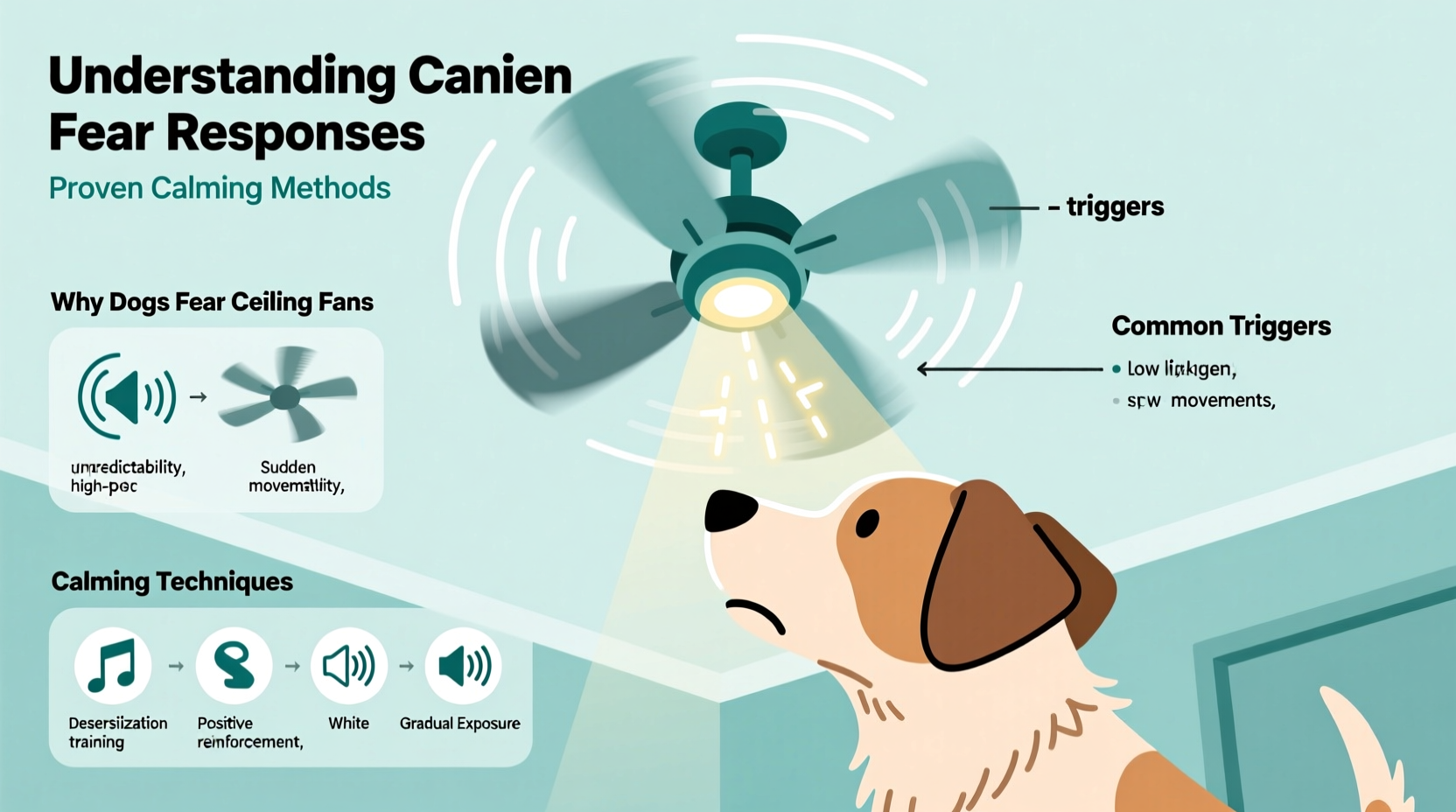
To a dog, a ceiling fan isn’t just a household appliance—it’s a moving object suspended in midair, often casting flickering shadows and producing soft mechanical hums or clicks. These stimuli can be misinterpreted by a dog’s brain as potential threats. Unlike humans, dogs don’t have context for what a ceiling fan is or why it spins. Instead, their evolutionary instincts kick in.
Dogs are hardwired to respond to motion, particularly erratic or unpredictable movement. In the wild, such motion could signal predators, prey, or environmental changes. A rotating fan blade mimics this kind of motion, especially when light reflects off it, creating a strobe-like effect. This visual disruption can be disorienting or alarming, particularly for dogs with limited exposure to indoor appliances.
Additionally, some ceiling fans emit high-pitched noises beyond the range of human hearing but well within a dog’s auditory spectrum. These ultrasonic frequencies—often caused by motor vibrations or blade imbalance—can cause discomfort or anxiety. Puppies and senior dogs may be especially sensitive due to developmental or age-related sensory changes.
Possible Triggers Behind Fan-Related Barking
Not all dogs react the same way to ceiling fans, and the underlying cause can vary significantly. Identifying the specific trigger is essential for choosing the right intervention. Below are the most common reasons dogs bark at ceiling fans:
- Motion sensitivity: Rapid or circular movement activates a dog’s prey drive or startle reflex.
- Visual distortions: Light reflecting off blades creates flashing patterns that mimic threatening movement.
- Auditory irritation: High-frequency motor noise or inconsistent humming can be painful or unsettling.
- Lack of exposure: Dogs not socialized to indoor appliances may perceive fans as novel or dangerous.
- Anxiety or hyper-vigilance: Nervous or rescue dogs may interpret any unusual stimulus as a threat.
- Medical issues: Cognitive dysfunction in older dogs or vision problems can distort perception.
It’s important to rule out medical causes first. Sudden onset of barking at fans in an older dog, for example, could indicate early signs of canine cognitive dysfunction (CCD), similar to dementia in humans. Similarly, dogs with partial vision loss might misinterpret shadows as moving objects.
“Dogs don’t bark without reason. Even seemingly odd behaviors like reacting to ceiling fans often stem from genuine sensory confusion or fear.” — Dr. Lisa Marquez, Veterinary Behaviorist
Calming Techniques to Reduce Fan-Related Anxiety
Once you’ve identified the likely trigger, you can begin implementing strategies to reduce your dog’s reactivity. The goal isn’t to eliminate the fan but to help your dog feel safe and unbothered by it. Success requires consistency, positive reinforcement, and environmental adjustments.
1. Gradual Desensitization and Counter-Conditioning
This two-step behavioral approach helps change your dog’s emotional response to the fan. Start by turning the fan on at its lowest speed while keeping your dog at a distance where they remain calm. Pair the presence of the fan with high-value treats, praise, or play. Over several sessions, gradually decrease the distance and increase the fan speed, always ensuring your dog stays relaxed.
If your dog shows signs of stress—such as stiff posture, whining, or barking—pause and increase the distance. Progress should be slow and controlled. Most dogs show improvement within 2–4 weeks of daily training.
2. Modify the Environment
Simple changes can reduce the fan’s visual and auditory impact:
- Replace glossy blades with matte-finish ones to minimize light reflection.
- Use indirect lighting to reduce shadow flicker.
- Install a quieter fan model or lubricate existing motors to reduce noise.
- Position furniture so your dog isn’t forced to look directly at the fan.
3. Use Background Noise
Masking the fan’s sound with white noise, calming music, or a TV can help. Specialized playlists designed for dogs, such as those with reggae or soft classical tones, have been shown to reduce anxiety. Play these during times when the fan is running to create a soothing auditory buffer.
Step-by-Step Guide to Helping Your Dog Adjust
Follow this structured timeline to systematically reduce your dog’s reaction to ceiling fans:
- Week 1: Observation & Baseline
Monitor when and how your dog reacts. Note triggers (e.g., fan speed, lighting). Keep the fan off during initial assessments. - Week 2: Low-Exposure Training
Turn fan on low in another room. Reward calm behavior with treats. Do not force attention toward the fan. - Week 3: Controlled Exposure
Allow your dog to see the fan from a distance while engaging in positive activities (chewing a bone, playing). - Week 4: Gradual Proximity Increase
Move closer to the fan during sessions. Use verbal cues like “good” or “easy” to reinforce calmness. - Week 5+: Full Integration
Use the fan normally while maintaining a calm environment. Continue occasional rewards for indifference.
Patience is key. Some dogs adapt quickly; others may take months. Never punish a dog for barking at a fan—this increases fear and damages trust.
Do’s and Don’ts When Addressing Fan Barking
| Do’s | Don’ts |
|---|---|
| Observe your dog’s body language closely | Force your dog to stay near the fan |
| Use high-value treats during training | Yell or punish for barking |
| Reduce visual distractions (shadows, glare) | Ignore possible medical causes |
| Consult a professional if progress stalls | Leave the fan on high speed during early training |
| Be consistent with training schedule | Assume the behavior will resolve on its own |
Real-Life Example: Max, the Rescue Terrier
Max, a 3-year-old Jack Russell Terrier adopted from a rural shelter, began barking aggressively at the ceiling fan in his new owner’s living room. His foster history suggested limited exposure to indoor appliances. Initially, the owner tried covering the fan, but Max would still stare upward and growl when it was turned on.
A certified dog trainer recommended a desensitization plan. The owner started by running the fan for five minutes a day at the lowest setting while feeding Max boiled chicken. Over three weeks, Max began associating the fan with positive outcomes. They also installed a matte-finish blade cover to reduce light reflection. By week six, Max no longer reacted to the fan, even at full speed. Occasional treats during fan use helped maintain the progress.
This case illustrates how combining behavioral training with environmental tweaks can yield lasting results—even in dogs with uncertain pasts.
Frequently Asked Questions
Can ceiling fans hurt my dog’s ears?
While ceiling fans don’t produce harmful decibel levels, some emit high-frequency sounds that dogs can hear but humans cannot. These ultrasonic noises may cause discomfort, especially in dogs with sensitive hearing. If your dog covers their ears or shakes their head near the fan, consider switching to a quieter model.
Should I turn off the ceiling fan permanently if my dog barks at it?
Not necessarily. While turning it off may stop the barking temporarily, it reinforces fear by avoiding the trigger. Instead, work on gradual desensitization so your dog can tolerate the fan. Complete avoidance can generalize anxiety to other moving objects.
Is barking at fans a sign of mental illness in dogs?
Not usually. Occasional reactivity is normal, especially in young or under-socialized dogs. However, persistent fixation, pacing, or self-harm when exposed to fans may indicate anxiety disorders or cognitive decline in older dogs. Consult a veterinarian or veterinary behaviorist if symptoms worsen.
Final Thoughts and Call to Action
Your dog’s barking at ceiling fans isn’t silly—it’s a window into their sensory world. With empathy and informed strategies, you can help your pet feel secure in a modern home filled with artificial motion and sound. The journey requires observation, consistency, and kindness, but the reward is a calmer, more confident companion.
Start today: observe your dog’s next reaction to the fan, note the conditions, and begin a simple reward-based training session. Small steps lead to big changes. If you’ve successfully helped your dog overcome fan anxiety, share your story in the comments—your experience could guide another pet owner through the same challenge.




 浙公网安备
33010002000092号
浙公网安备
33010002000092号 浙B2-20120091-4
Comments
No comments yet. Why don't you start the discussion?