
Dogs are creatures of habit, and their senses—especially sight and hearing—are far more acute than humans'. When the holiday season arrives and homes transform into dazzling displays of twinkling lights, flickering candles, and animated decorations, many dogs react with confusion, fear, or overexcitement. One of the most common behaviors pet owners report is their dog barking at Christmas lights. While it may seem like a quirky seasonal quirk, this reaction often stems from deeper sensory and emotional triggers. Understanding the root causes and applying consistent, compassionate training methods can make the holidays peaceful for both you and your dog.
Why Dogs React to Christmas Lights: The Science Behind the Barking
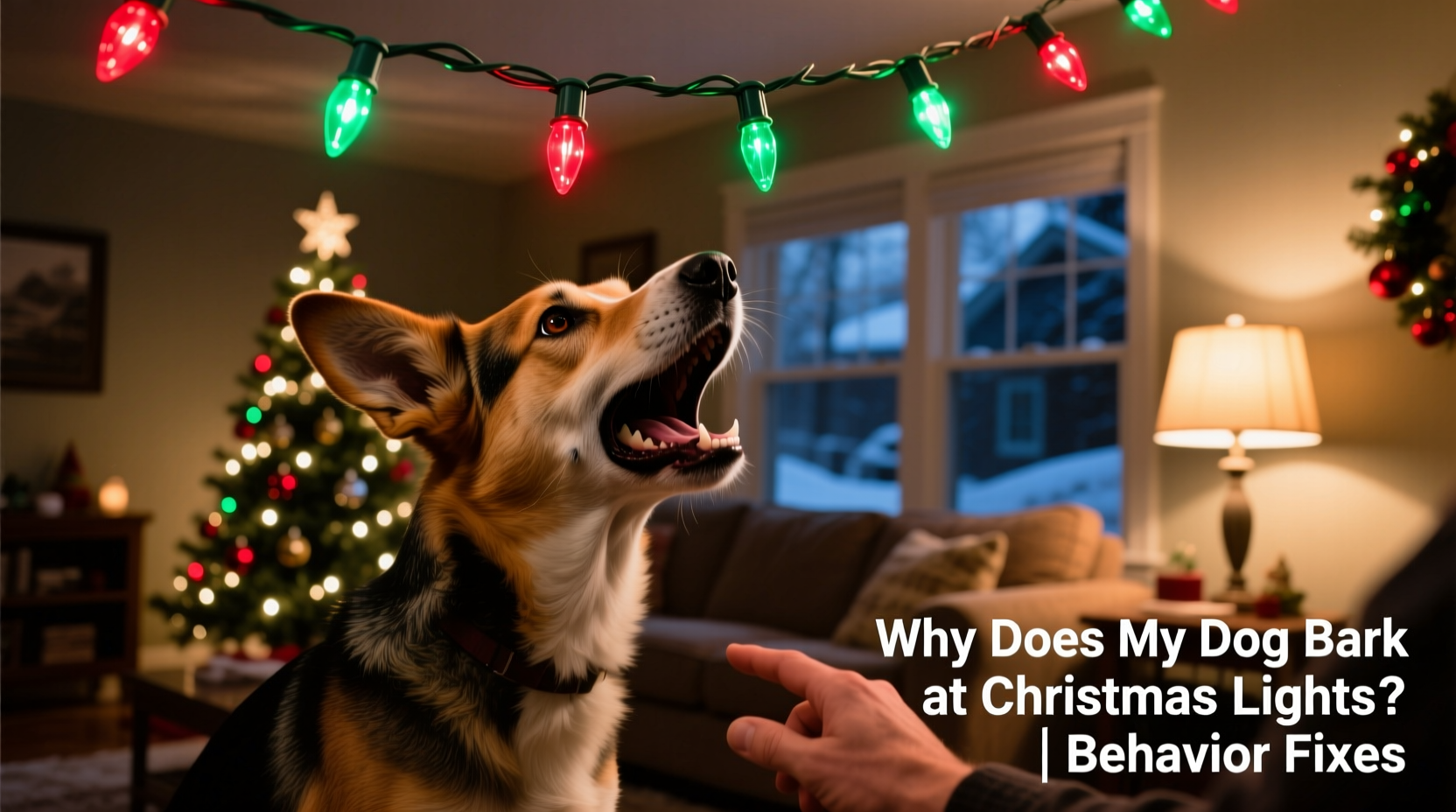
Dog barking at Christmas lights isn’t just about attention-seeking or playfulness—it’s typically a response to stimuli that feel unpredictable or threatening. Unlike humans, dogs don’t associate blinking lights with celebration. Instead, they interpret sudden movements, flickers, and reflections as potential dangers.
A dog’s vision differs significantly from ours. They have fewer cone cells, which means they see colors less vividly, but more rod cells, enhancing motion detection in low light. This makes flashing or strobing lights appear more intense and erratic to them. Additionally, many Christmas lights emit high-pitched electronic hums or buzzing noises, imperceptible to some humans but loud and distressing to dogs with sensitive hearing.
Dr. Karen Overall, a renowned veterinary behavioralist, explains: “Dogs live in a world of sensory input we often overlook. A strand of lights might look festive to us, but to a dog, it’s like living inside a disco ball with no off switch.”
This sensory overload can trigger a stress response, leading to barking, pacing, hiding, or even destructive behavior. For dogs with past trauma or noise sensitivities (such as those reactive to thunderstorms or fireworks), Christmas lights can compound existing anxiety.
“Dogs don’t generalize well between experiences. Just because they’ve seen lights before doesn’t mean they’ll automatically accept new ones.” — Dr. Sophia Yin, Animal Behavior Expert
Common Triggers That Cause Barking at Holiday Decorations
Not all Christmas lights provoke the same reaction. Certain types are more likely to trigger barking due to how they stimulate a dog’s senses:
- Flickering or twinkle modes: Rapid on-off patterns mimic movement, activating a dog’s prey drive or threat detection.
- Colored lights: Blue and white lights emit shorter wavelengths that appear brighter to dogs and may be more startling.
- Outdoor projections: Laser-style projectors that sweep across walls or lawns create fast-moving shadows dogs may try to chase or bark at.
- Reflective surfaces: Tinsel, ornaments, or shiny wrapping paper reflect light unpredictably, creating confusing visual stimuli.
- Electronic sounds: Transformers, timers, or cheap LED drivers can emit high-frequency noise that dogs hear but humans don’t.
It's also important to consider context. If the lights are paired with loud music, frequent visitors, or changes in routine, your dog’s overall stress levels rise, lowering their threshold for reacting to visual stimuli.
Step-by-Step Guide to Reduce Barking at Christmas Lights
Fixing this behavior requires patience, consistency, and a gradual approach. The goal isn’t to suppress barking but to change your dog’s emotional response to the lights—from fear or arousal to neutrality or even positive association.
- Start with controlled exposure. Turn on one string of lights in a room where your dog feels safe. Keep the rest of the house dark. Observe their reaction without intervening unless they show extreme distress.
- Pair lights with positive rewards. When the lights are on, offer high-value treats like chicken or cheese. Do this multiple times a day for short sessions (3–5 minutes). The goal is to create a conditioned response: “Lights come on → good things happen.”
- Use a calm command. Choose a phrase like “easy” or “look at me” when your dog starts to bark. Reward them immediately when they break focus from the lights and make eye contact.
- Gradually increase complexity. After several successful sessions, add a second string, then introduce flicker modes. Always monitor for signs of stress.
- Incorporate background noise. Play soft holiday music or white noise to mask any electronic humming from the lights, reducing auditory triggers.
- Desensitize to movement. If your dog reacts to moving lights (e.g., rotating projectors), start by placing them far away and stationary. Slowly move them closer over days, rewarding calm behavior.
- Maintain routine. Stick to regular feeding, walking, and sleeping schedules. Predictability reduces baseline anxiety, making your dog less reactive overall.
This process may take several weeks. Avoid rushing it—forcing exposure can deepen fear and prolong the issue.
Do’s and Don’ts: Managing Holiday Decor Safely
To protect your dog’s well-being while enjoying festive decor, follow these guidelines:
| Do | Don't |
|---|---|
| Use warm-white LED lights—they’re less intense and produce minimal flicker. | Use strobe, disco, or rapid-flash settings near your dog’s resting areas. |
| Place lights out of reach or behind barriers to prevent chewing. | Leave cords dangling—these pose electrocution and choking hazards. |
| Supervise your dog around new decorations for the first few days. | Assume your dog will “get used to it” without gradual introduction. |
| Provide a quiet retreat space away from lights and noise. | Confine your dog in a lit area as punishment for barking. |
| Turn off lights when not home or during sleep hours. | Leave lights on 24/7—constant stimulation increases anxiety. |
Real-Life Example: Helping Luna Adjust to Holiday Lights
Luna, a 3-year-old rescue Border Collie, had always been skittish around sudden movements. When her owner strung up Christmas lights around the living room window, Luna began barking intensely every time they turned on. She’d pace, whine, and refuse treats, indicating high stress.
Her owner followed a structured desensitization plan. First, she unplugged the lights and placed a single strand on the floor in another room. She fed Luna meals nearby with the lights off. After two days, she turned them on briefly while hand-feeding boiled chicken. Over the next week, she increased exposure duration and added calming background music.
She avoided flicker mode entirely and used only steady warm-white lights. Within ten days, Luna no longer reacted when the lights were on. By Christmas Eve, she lounged nearby while the full display was active—proof that patience and positive reinforcement work.
When to Seek Professional Help
While most dogs respond well to gradual training, some may need additional support. Consider consulting a certified dog behavior consultant or veterinary behaviorist if:
- Your dog shows signs of panic (trembling, drooling, attempts to escape).
- Barking escalates to aggression or self-harm (e.g., chewing paws while trapped near lights).
- Progress stalls despite consistent training for over two weeks.
- The dog has a history of noise phobias or trauma.
In severe cases, a vet may recommend temporary anti-anxiety medication alongside behavioral therapy. Never use punishment-based techniques—yelling, spraying water, or shock collars will worsen fear and damage trust.
FAQ: Common Questions About Dogs and Christmas Lights
Can dogs see Christmas lights differently than humans?
Yes. Dogs are more sensitive to motion and flicker rates. Many LED lights cycle on and off rapidly (even if imperceptible to us), which can appear as a strobe effect to dogs. They also see blue and white hues more vividly, making cool-toned lights more stimulating.
Will my dog eventually get used to the lights on its own?
Sometimes—but not always. Some dogs habituate naturally, especially if the lights are predictable and non-threatening. However, others develop sensitivities over time. Proactive training prevents long-term issues and reduces stress during a busy season.
Are there dog-safe Christmas lights?
Yes. Opt for low-flicker, warm-white LEDs with grounded plugs. Look for shatterproof bulbs and insulated cords. Consider battery-operated lights for lower electromagnetic fields and quieter operation. Always supervise your dog around any electrical decor.
Checklist: Preparing Your Dog for Holiday Decor
Follow this checklist to ensure a calm, joyful holiday season:
- Assess your dog’s sensitivity to light and sound.
- Choose warm-white, steady-mode lights instead of flickering or colored options.
- Introduce lights gradually with positive reinforcement.
- Create a quiet, dark retreat space away from decorations.
- Keep cords and tinsel out of reach.
- Use background noise to mask electronic hums.
- Monitor body language daily for signs of stress.
- Stick to regular routines for feeding, walks, and bedtime.
- Consult a professional if barking persists or worsens.
- Turn off lights when unsupervised or during sleep hours.
Conclusion: A Calmer, Happier Holiday for You and Your Dog
Understanding why your dog barks at Christmas lights is the first step toward meaningful change. With empathy, structure, and positive reinforcement, you can transform a stressful stimulus into a neutral—or even pleasant—one. The holidays should be joyful for every member of the family, including your four-legged companion. By taking the time to address your dog’s needs, you’re not just fixing a behavior—you’re strengthening trust and deepening your bond.




 浙公网安备
33010002000092号
浙公网安备
33010002000092号 浙B2-20120091-4
Comments
No comments yet. Why don't you start the discussion?